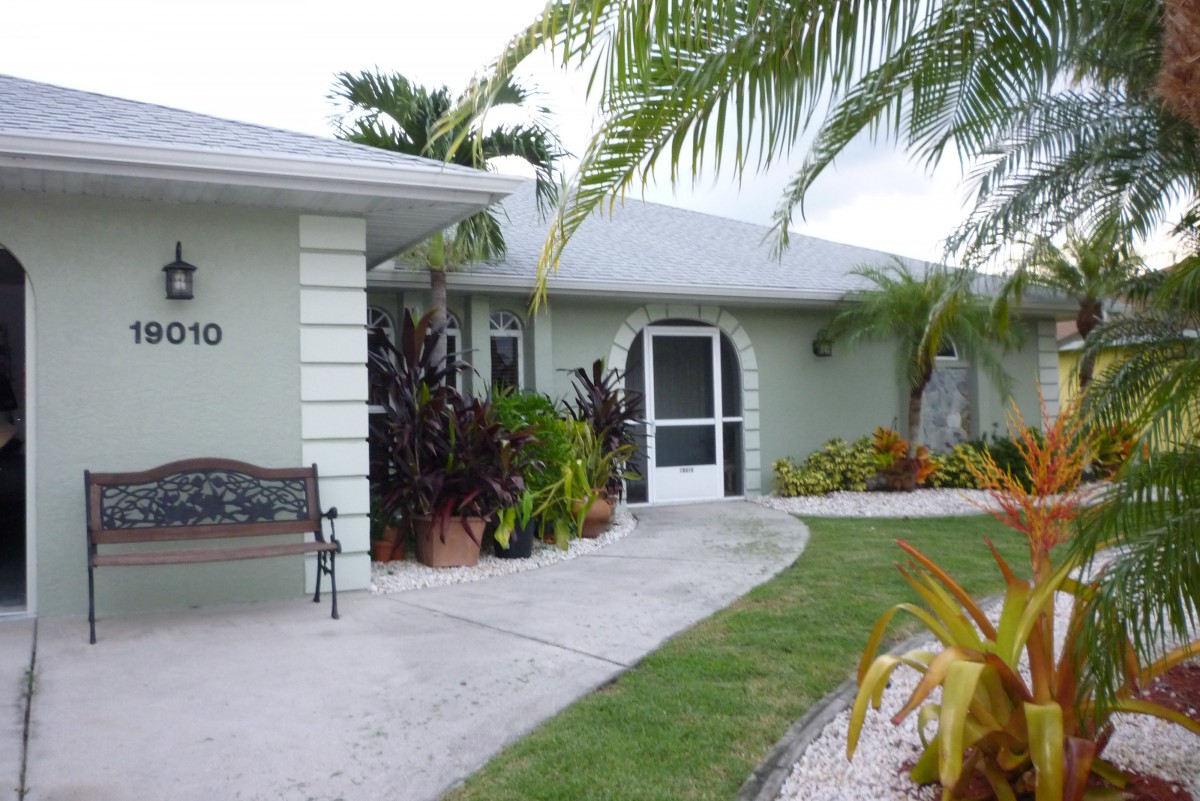
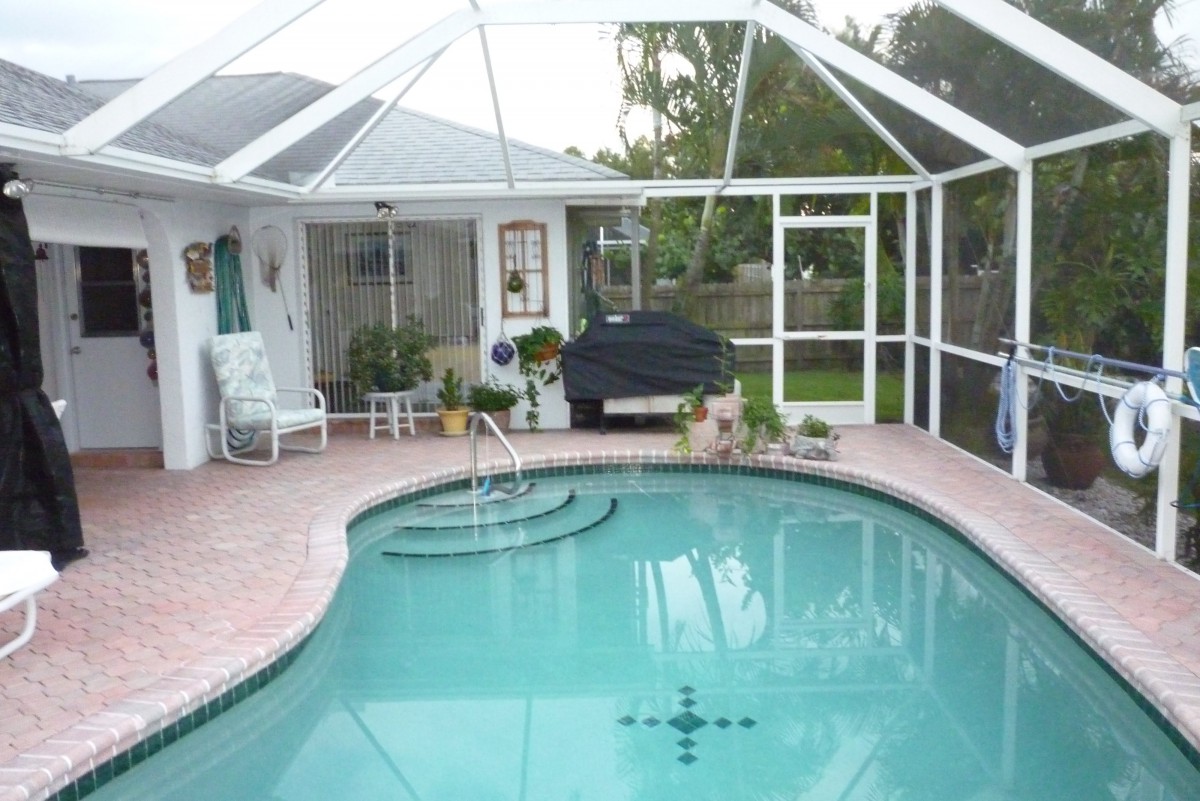
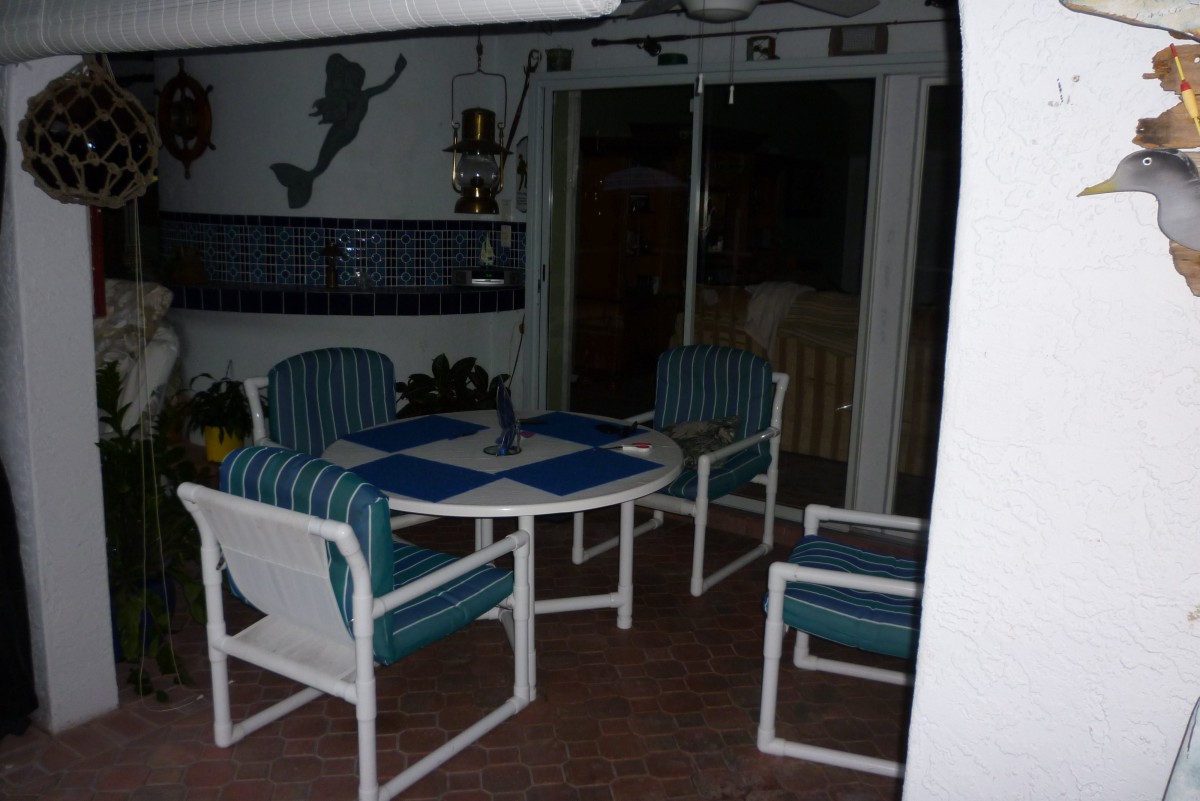
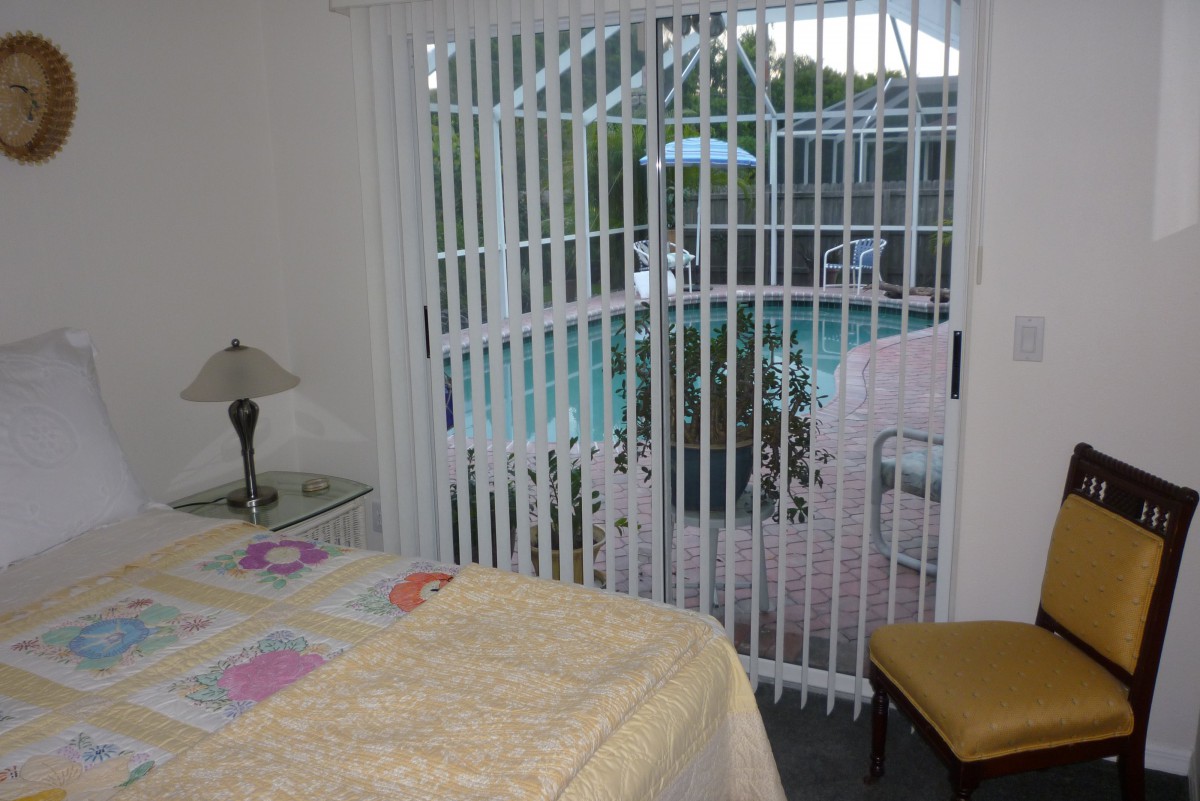
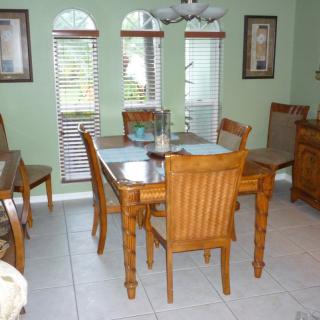
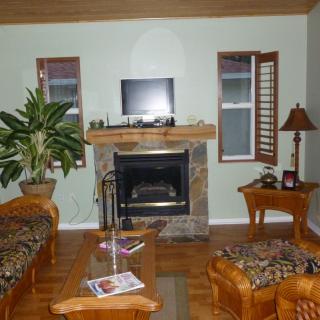
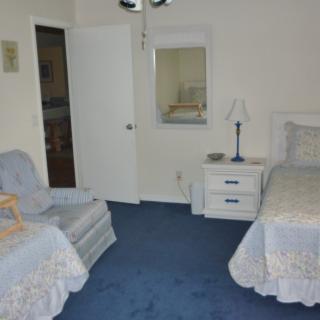
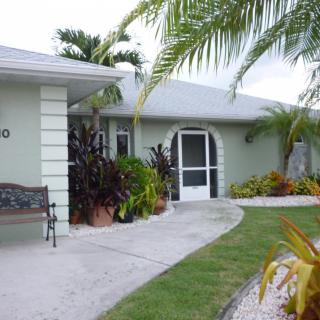
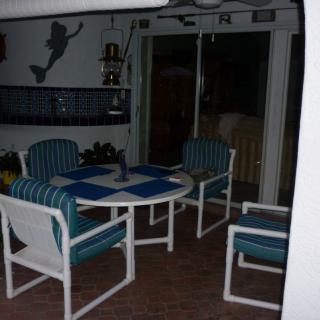
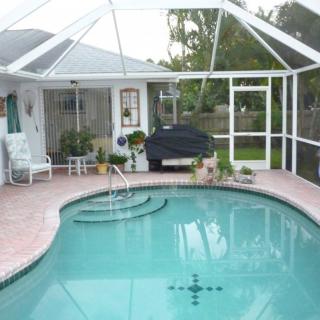
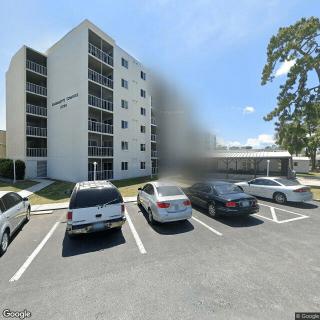
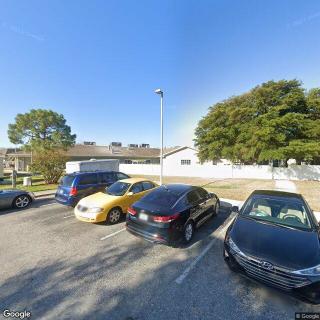
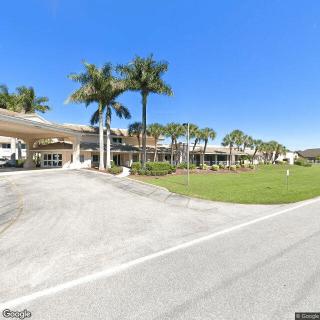
19010 McGrath Circle, Port Charlotte, FL 33948
To contact a resident: (941) 627-1794
For more information about senior living options: (866) 208-4318
Paradise Found Adult Family Care Home Costs & Pricing
Paradise Found Adult Family Care Home offers competitive pricing for its services in comparison to both Charlotte County and the broader Florida state averages. For residents seeking semi-private accommodations, the cost is set at $2,000 per month, significantly lower than the county rate of $2,461 and the state average of $3,009. Private rooms are available at a monthly fee of $2,500, which again presents a more affordable option compared to Charlotte County's average of $3,586 and Florida's higher rate of $3,699. Additionally, the cost for a one-bedroom unit also aligns with this trend at $2,500 per month, well below the county's average of $3,399 and the state's typical charge of $3,864. Overall, Paradise Found provides an appealing value proposition for families considering adult care options in a slightly more budget-friendly environment while maintaining quality care.
| Floor plans | Paradise Found Adult Family Care Home | Charlotte County | Florida |
|---|---|---|---|
| Semi-Private | $2,000 | $2,461 | $3,009 |
| Private | $2,500 | $3,586 | $3,699 |
| 1 Bedroom | $2,500 | $3,399 | $3,864 |
Memory care communities with a similar price nearby
-
About the same
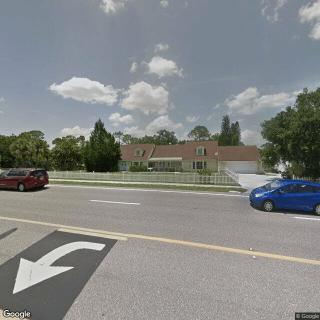
Serenity Pointe
$2,000 to $2,500 / month2.8 miles away -
from -$105 / mo

Grand Villa Of Englewood
$1,895 to $3,095 / month12.5 miles away -
About the same
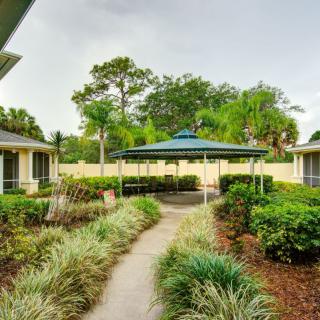
Truewood By Merrill, Charlotte Center
$2,000 to $3,700 / month2.9 miles away -
About the same
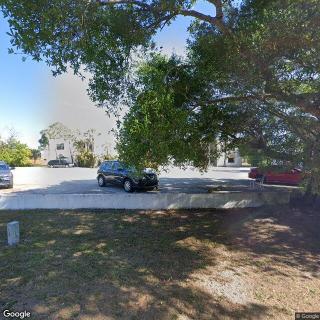
Vick Street Manor
$2,000 to $2,800 / month3.1 miles away -
from +$250 / mo

Harborview Acres
$2,250 to $2,875 / month5.2 miles away
Overall Review of Paradise Found Adult Family Care Home
Pros
 The facility is described as the best place to care for seniors.
- The staff are very friendly and provide 24/7 care.
- The rooms are exceptional and the dining is of high quality.
- The staff are incredibly caring.
- It is a place many seniors call home.
- The reviewer reports that their mom is very happy there.
Cons
 They should not deal with this place; the administrator will only deal with English-speaking clients.
- They would never leave a family member in her care.
Review
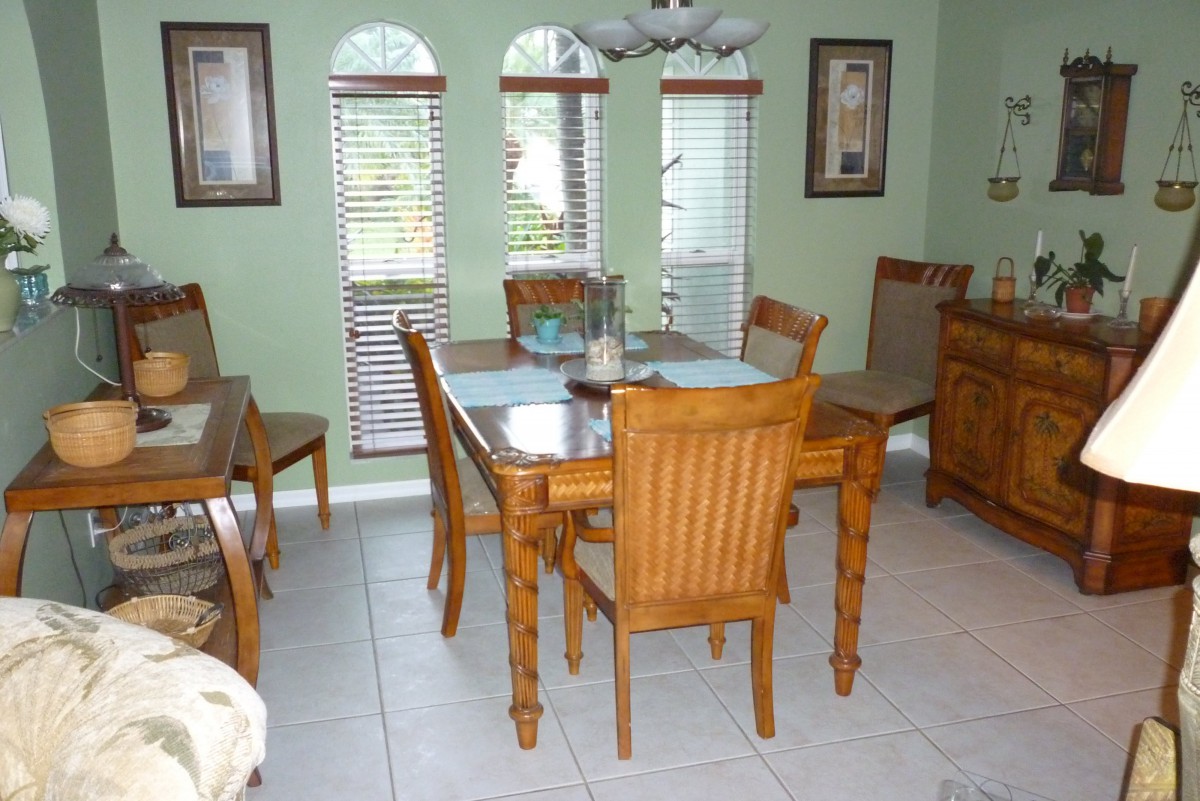
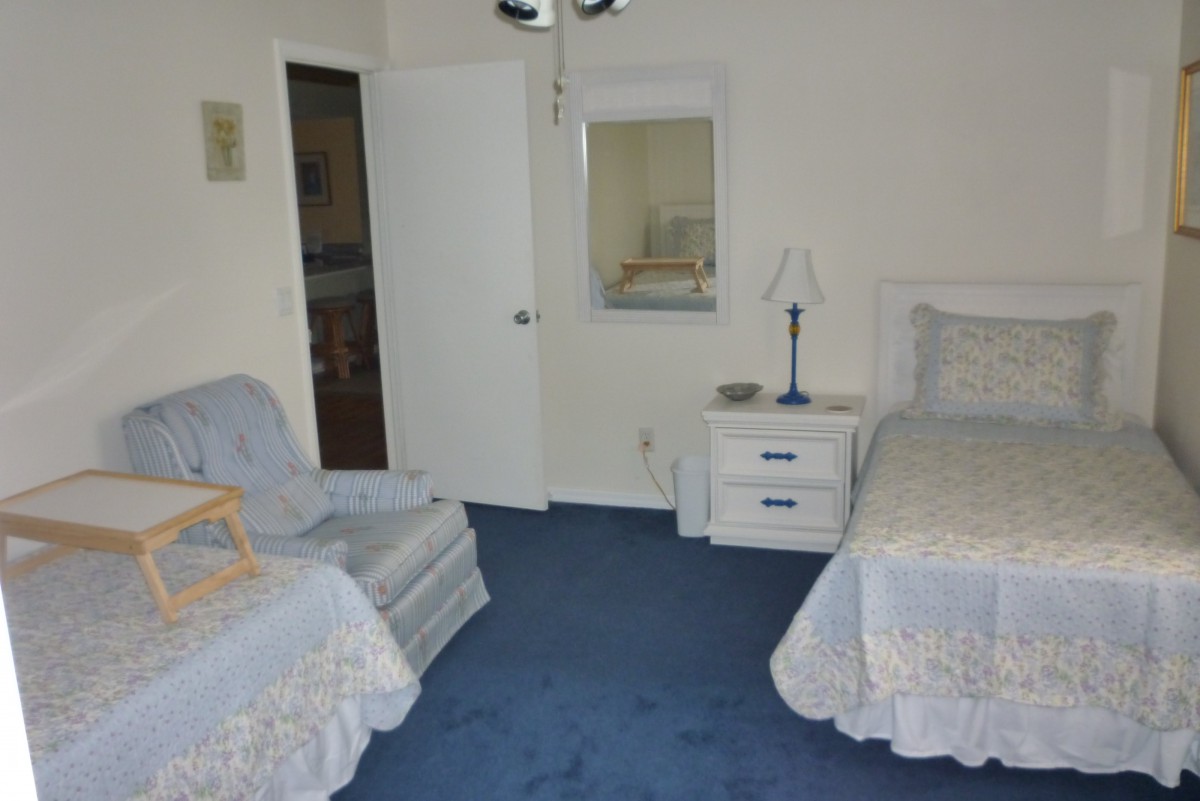
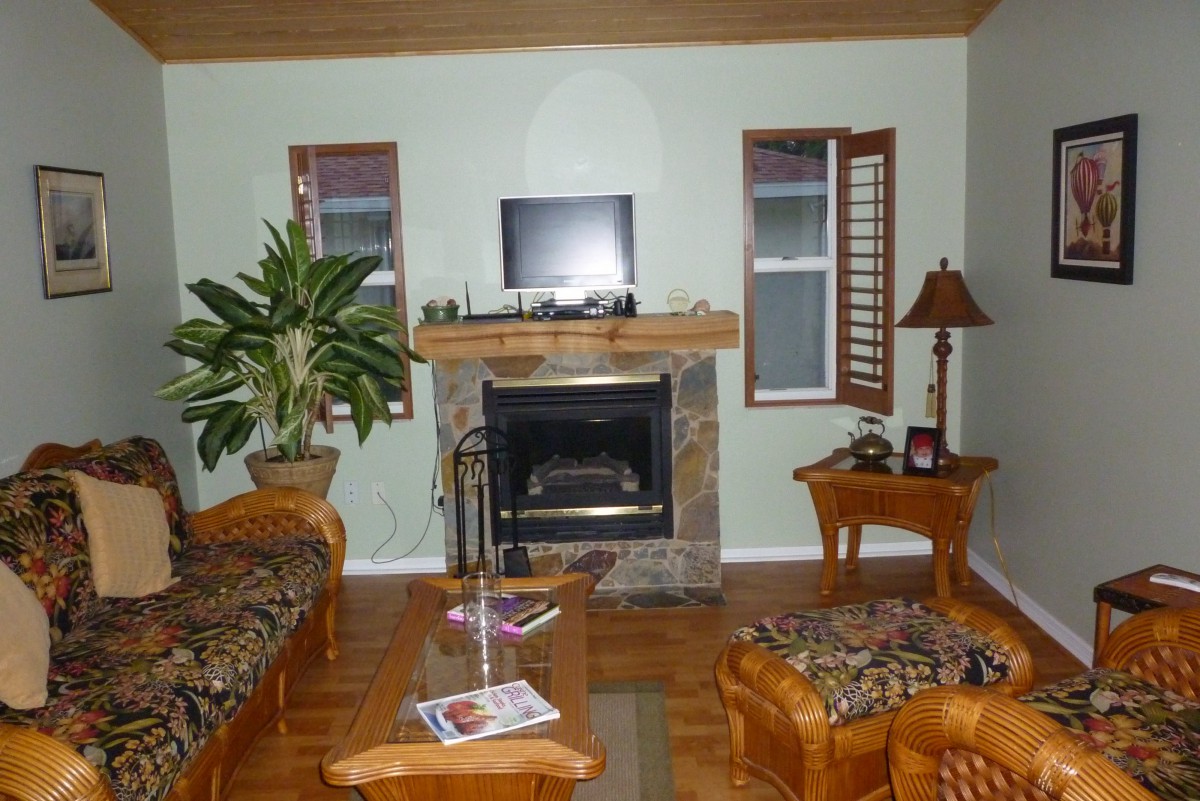
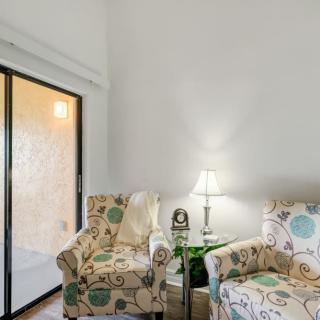
Paradise Found Adult Family Care Home in Port Charlotte is best suited for seniors who want a compact, homelike setting where caregiving is highly visible and personalized. The community’s strength lies in a small-team model that keeps staff in close view of residents around the clock, with rooms and dining arranged to feel like a private home rather than a hospital wing. Families that prize consistent attention, familiar routines, and a welcoming social atmosphere will find the daily rhythm here reassuring. It works especially well for residents who flourish with direct, hands-on support and the sense that staff truly know their preferences and daily quirks.
Those with high-acuity medical needs or a requirement for more formal nursing oversight may want alternatives. The setting appears to hinge on strong interpersonal care rather than on-site medical infrastructure, so residents who require regular clinical interventions may outgrow the capacity of a small, home-like operation. Language access and administrative style also matter: one review highlights an English-only approach from the administrator, which can create barriers for families without fluency or for residents who rely on multilingual communication. In short, households that value inclusive governance, comprehensive medical staffing, or strict adherence to multilingual access policies should assess other options.
On the plus side, the community benefits from exceptionally friendly, around-the-clock staff and a reputation for genuine caring. Residents repeatedly praise the warmth of care, the quality of rooms, and the dining experience, all of which translate into daily comfort and a sense of dignity. Those elements help offset the potential downsides of a small setting: attentive staff tends to catch subtle changes in health, adjust routines quickly, and make residency feel less clinical. In practice, the emotional security of knowing a caregiver is nearby and genuinely invested is often what sustains satisfaction even when facility-wide resources are modest. For families prioritizing daily reassurance, these are powerful advantages.
Yet the most salient caveat is managerial approach. The reported English-only policy signals how policy choices can color the resident and family experience, influencing clarity of care plans and ease of involvement. Such an approach may alienate or frustrate those who prefer to navigate care logistics in another language, or who expect more flexibility from leadership in how communication is handled. The mixed feedback, stellar praise from some families alongside a sharp warning from another, suggests that experience can hinge on who is present and how policies are applied. Prospective residents should view this as a red flag to scrutinize communication channels before committing.
When evaluating Paradise Found, take a structured tour with specific questions: how meals are tailored to dietary needs, what activities sustain social engagement, how care plans are written and updated, and how emergencies are escalated. Request a candid meeting with the administrator and with front-line caregivers to gauge responsiveness and warmth, and ask about language accommodations and family involvement. Inspect the physical space for accessibility and safety features, confirm whether a nurse or medical professional is available on-site or on call, and compare the overall value against nearby small homes and larger assisted-living communities. The goal is to align the setting with both medical needs and the family’s comfort with governance style.
Overall, Paradise Found delivers a compelling, intimate option for Port Charlotte families who want everyday warmth, visible caregiving, and dining that supports a homelike routine. The strongest justification lies in staff dedication and resident happiness, which often translates into meaningful daily life for seniors. The principal caution is the administrator-driven approach to language and engagement, a factor that may determine fit for multilingual households or those needing a particular governance tone. For those who can navigate an English-speaking administrative framework and value a close-knit, home-oriented environment, the package offers substantial, practical value. For others seeking broader medical oversight or more inclusive communication policies, more expansive options are advisable.
 Board and Care Home
 Memory Care
 Cats allowed
 Activities off-site
 Bath tubs
 Devotional services off-site
 Indoor common areas
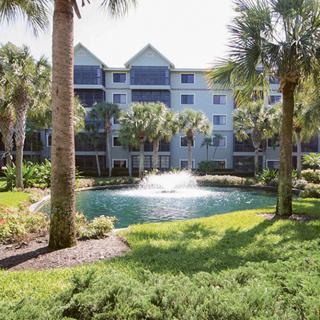
 Outdoor common areas
 Private
 Respite or short term stays offered
 Swimming pool / hot tub
 Wheelchair accessible showers
 Ambulatory care
 Diabetic care
 High acuity care
 Incontinence care
 Medication management
 Kosher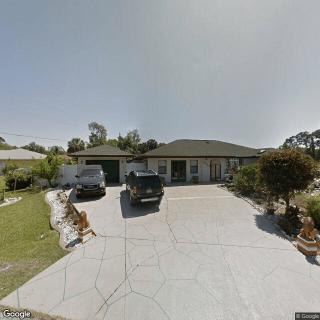

 Are Dementia and Alzheimer's Disease Lethal? A Comprehensive Exploration
 Exploring the Power of Reminiscence Therapy for Individuals With Dementia
 An In-Depth Look at Reminiscence Therapy in Dementia Care