
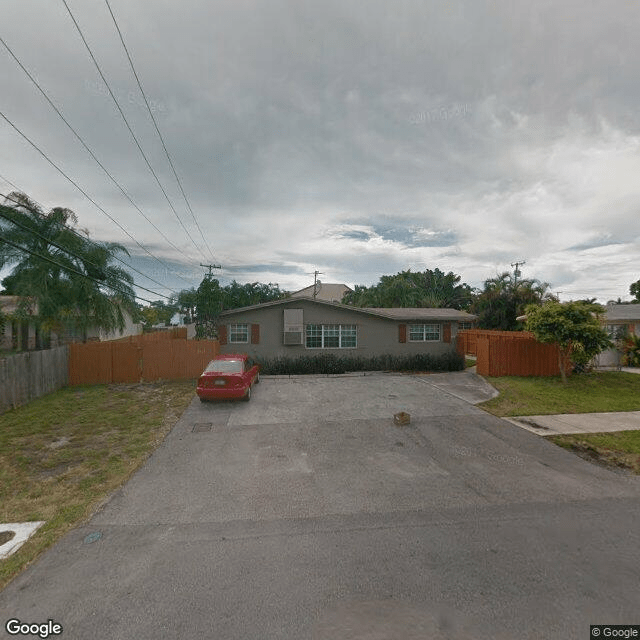
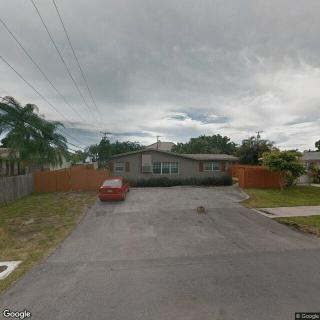
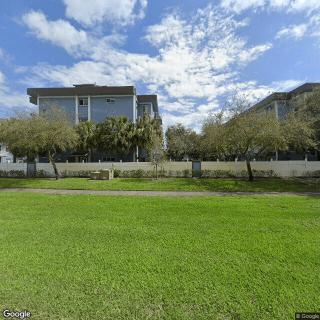
4200 NE 19th Ave, Pompano Beach, FL 33064
To contact a resident: (954) 600-6935
For more information about senior living options: (866) 208-4318
Adult Family Home Senior Care Pompano Beach Costs & Pricing
Adult Family Home Senior Care in Pompano Beach offers a semi-private room at a monthly rate of $4,000. This is notably higher than the average costs in Broward County, which stand at approximately $2,902, and even above the state's average of around $3,009. This pricing reflects the unique services and personalized care that Adult Family Home provides to its residents. While costs may be elevated compared to nearby options, many families may find that the quality of care and personalized attention justifies the investment in their loved ones' well-being.
| Floor plans | Adult Family Home Senior Care Pompano Beach | Broward County | Florida |
|---|---|---|---|
| Semi-Private | $4,000 | $2,902 | $3,009 |
Memory care communities with a similar price nearby
-
from -$200 / mo
Coral Springs Country Club for Seniors
$3,800 to $4,500 / month11.4 miles away -
from +$440 / mo

Vi at Aventura, a CCRC
$4,440 to $7,638 / month22.8 miles away -
from -$485 / mo
The Landing Of Lake Worth
$3,515 to $5,950 / month22.7 miles away -
from -$705 / mo

Mariposa
$3,295 to $5,110 / month20.4 miles away -
About the same
Dehoernle Alzheimer's Pavilion Inc.
$3,900 / month2.8 miles away
Overall Review of Adult Family Home Senior Care Pompano Beach
Pros
 The facility provided her with constant around-the-clock care.
- The place was clean, and the staff members were very helpful and attentive.
- The staff were wonderful and took very good care of her.
- The staff remained very helpful after her passing, and the reviewer was pleased to have had the chance to work with them.
- She has received excellent care; the staff are very kind and often go above and beyond to help; physical therapy helped her become more mobile and generally happier; it is comforting that she is in good hands.
- The tour of the community was nice; everyone was kind to the reviewer and their family; the community was clean and everything went well.
Cons
 The facility abuses its patients.
Review
This community is best suited for families seeking a genuinely intimate, home‑like setting where a loved one can receive around‑the‑clock attention and steady daily assistance from a attentive, caring staff. The environment skews toward a smaller, more personal feel rather than a large corporate campus, which benefits residents who thrive on consistency, close contact with caregivers, and regular involvement in mobility work, therapy, and social activities. It works particularly well for seniors who need ongoing daily help with activities of daily living, valued continuity of caregivers, and frequent family communication about progress and routines.
There are clear reasons to consider alternatives, especially for families with heightened safety concerns or specific medical or memory-care needs. One negative review raises a serious flag, alleging patient abuse, which cannot be ignored. Although this appears to be an outlier relative to the majority of positive experiences described, it signals the importance of rigorous firsthand evaluation before placement. Families who require rigorous clinical oversight, want a larger facility with broader specialized programs, or demand a strictly incident‑free environment should compare options carefully and verify licensing history, inspection records, and staff training standards before choosing this community.
On the upside, the strongest pro is the consistent, around‑the‑clock care delivered by attentive staff. Several residents’ families describe staff as “wonderful,” “helpful,” and “above and beyond,” with caregivers who stay engaged with mobility work and daily routines. The facility is portrayed as clean, and the tour experience left a favorable impression of professionalism and warmth. The capacity to support mobility through physical therapy and to foster social engagement is repeatedly highlighted as a meaningful benefit, translating into observable improvements in mobility and mood for residents who participate actively in the program.
Still, the most negative signal worth weighing is the potential risk raised by the abuse allegation. That report contrasts sharply with the many affirmations of kindness and competence and suggests a need for due diligence. Prospective families should insist on detailed conversations about staff supervision, incident reporting, and safeguards, including direct opportunities to observe caregiver–resident interactions, review the facility’s complaint process, and request recent survey or inspection findings. It’s essential to verify that any claims align with current licensing standards and that the community demonstrates transparent, responsive responses to concerns.
Balancing the positives against the concerns, the care model here can offset the potential downsides for families prioritizing hands‑on attention and daily rehab‑adjacent support. When staff are consistently available, when they communicate well with families, and when residents show improved mobility and a cheerful, engaged daily life, the value is tangible. However, this balance hinges on ongoing assurances of safety and ethical care. Families should pursue a candid tour focused on staff ratios, care planning, incident handling, and how the team monitors and reviews care quality on a day‑to‑day basis.
The bottom line is practical: this community can be a strong choice for someone who wants an intimate setting with dedicated caregivers who form real relationships, along with tangible rehab and social benefits. To make a sound decision, request recent staffing data, observe a live care interaction, and demand a clear, written plan of care that includes therapy involvement, activity programming, and safety protocols. Compare with larger facilities or other family‑owned homes that offer similar warmth but with different oversight and program depth. If safety, transparency, and robust clinical oversight are non‑negotiables, keep exploring; if the priority is dependable daily care in a warm, neighborly environment, this community warrants careful consideration, provided rigorous checks confirm that the care culture aligns with those expectations.
 Board and Care Home
 Memory Care
 Private
 Fort Lauderdale-Hollywood International (15 miles away)
 Ambulatory care
 Diabetic care
 Incontinence care
 Medication management

 Dementia-Related Hallucinations: Causes, Experiences, and Practical Approaches
 Illuminating Insights About Alzheimer's Disease: Ten Crucial Realities
 A Thorough Discussion of Medications Potentially Linked to Dementia Risk