
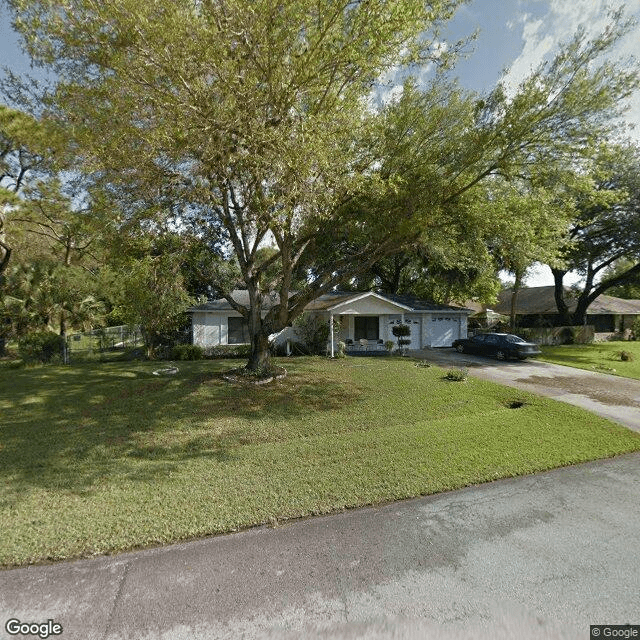
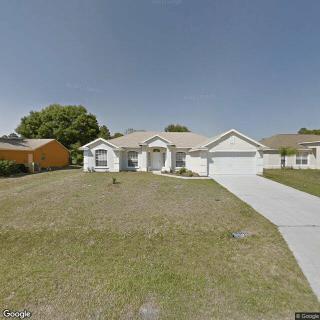
207 Olivick Circle Northeast, Palm Bay, FL 32907
To contact a resident: (321) 676-1714
For more information about senior living options: (866) 208-4318
Patricia Jones AFCH Costs & Pricing
Patricia Jones AFCH offers competitive pricing for its accommodations compared to the broader market in Brevard County and the state of Florida. For a semi-private room, residents pay $2,200 per month, significantly lower than the county average of $3,027 and the state average of $3,009. Those seeking more privacy can opt for a private room at Patricia Jones AFCH for $3,000, which also undercuts both Brevard County's average of $3,663 and Florida's average of $3,699. Additionally, the 1-bedroom option is available at a rate of $3,500 - again offering substantial savings over local and state averages of $3,909 and $3,864 respectively. Overall, Patricia Jones AFCH provides a cost-effective alternative while maintaining a focus on quality care.
| Floor plans | Patricia Jones AFCH | Brevard County | Florida |
|---|---|---|---|
| Semi-Private | $2,200 | $3,035 | $3,009 |
| Private | $3,000 | $3,672 | $3,699 |
| 1 Bedroom | $3,500 | $3,909 | $3,864 |
Memory care communities with a similar price nearby
-
from +$300 / mo
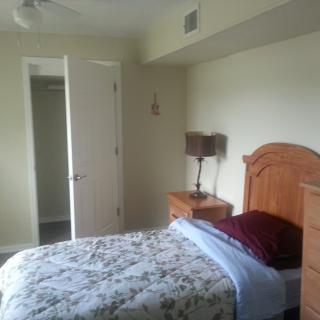
Living Southern Style Of Brevard
$2,500 to $3,500 / month22.4 miles away -
from +$100 / mo
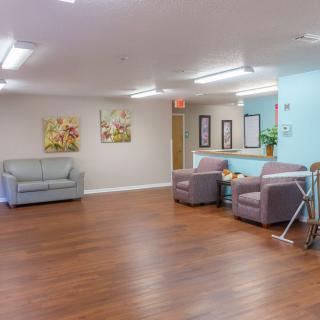
Bethesda on Turkey Creek
$2,300 to $3,500 / month5.1 miles away -
from +$295 / mo
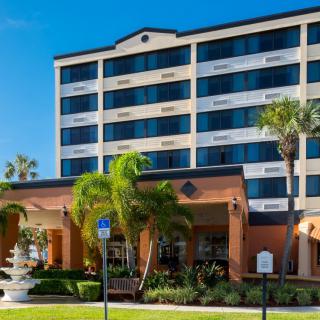
Harborside at Melbourne
$2,495 to $4,495 / month5.6 miles away -
from +$175 / mo
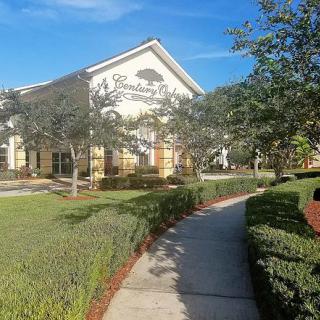
Century Oaks
$2,375 to $2,870 / month2.8 miles away -
from +$300 / mo
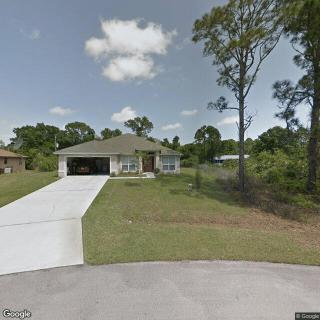
Glenville Pines Assisted Living Facility
$2,500 to $3,000 / month4.9 miles away
Overall Review of Patricia Jones AFCH
Pros
 The home is described as nice.
- The woman hosting is described as nice.
- The overall impression highlights a pleasant home and a courteous host.
Cons
 The dog is extremely large and seemingly mean, kept in the backyard but claimed to be strictly outdoor, though it actually lives in the garage.
- R had no fear of animals and had to be pulled back as the dog barked loudly and acted as if it would come through the screen.
- The owner says the dog will eventually get used to people, but the backyard is effectively off-limits because the dog decides who can go out there.
- The place offers no planned activities or outings, only perhaps going out to dinner now and then.
- The dog is the biggest reason to avoid this option.
Review
Patricia Jones AFCH in Palm Bay is best suited for seniors who want a warm, home-like living environment with direct, personal attention from the caregiver who runs the house. This setting works well for those who prize intimate, low-key daily life over formal programming, and who value privacy, predictability, and the comfort of a small-scale residence rather than a large campus. It is a fit for residents who donā€™t require aggressive schedules, complex medical oversight, or a bustling social calendar, and who can adapt to a more domestic rhythm where the caregiver models daily routines.
Those who should consider alternatives are individuals who need more structure, more scheduled activities, or more predictable group engagement. If a daily calendar of planned outings, social events, and organized excursions is important, this option will feel thin. Pet dynamics matter highly here: a large, assertive dog on the property is a decisive deterrent for many families, especially when safety, perception of safety, and access to outdoor spaces are concerns. Families seeking pet-free environments or facilities with controlled, professional programming will likely find better alignment elsewhere.
The strongest positives are the homey atmosphere and the evident dedication of the caregiver. A nice, welcoming living space paired with someone who is personally invested tends to produce a calm, low-stress daily life and responsive, individualized attention. This is the kind of environment where smaller issues get addressed quickly and residents can enjoy familiar routines without the bustle or impersonality that can accompany larger communities. For a resident who values quiet companionship and private space, these elements deliver meaningful daily comfort.
The most significant drawbacks stem from safety and engagement gaps. The large outdoor dog creates a palpable barrier to outdoor time and social interaction, introducing potential anxiety for residents and visitors and complicating simple activities like porch time or quick outside checks. When an outdoor dog lives in or near the living area, it limits access and requires constant vigilance, which undermines the sense of independence that many seniors seek. Coupled with a sparse activity slate, limited planned events beyond occasional dinner social outings, the setting can feel isolating for residents who crave regular stimulation and opportunities to connect with others.
In weighing the trade-offs, the warm, individualized care and home atmosphere do not fully offset the practical downsides for many families. The dog issue, in particular, is a deal-breaker for anyone who values safe, easy outdoor access or who prefers a more predictable social routine. Pros such as personal attention and comfort metrics can be compelling, but they lose footing when basic engagement and safety are compromised. The aspirational fit is clear: this is a niche choice for a specific resident who is unbothered by the canine presence and content with a minimal activity calendar, not a broad recommendation for seniors seeking more robust programming or pet-free flexibility.
For families evaluating options, a practical path is to seek confirmation of three essentials: a firm, transparent dog policy and a plan for outdoor access, a structured activity calendar with regular outings, and a clear sense of who coordinates daily routines and medical oversight. If those align, Patricia Jones AFCH can deliver a genuinely homelike, attentive living arrangement. If any of those elements are non-negotiable, or if dog dynamics and limited programming are potential stressors, pursuing alternatives, smaller or larger assisted living with controlled pet policies or more expansive activity schedules, will be the wiser course.
 Board and Care Home
 Memory Care
 Activities off-site
 Bath tubs
 Devotional services off-site
 Indoor common areas
 Outdoor common areas
 Private
 Private bathrooms
 Respite or short term stays offered
 Wheelchair accessible showers
 Melbourne International (5 miles away)
 Ambulatory care
 Diabetic care
 Incontinence care
 Medication management
 Kosher
 Estimating the Expenses of At-Home Dementia Care: A Detailed Exploration
 Comprehensive Insights on the Late Stages of Dementia: What to Expect and How to Provide Care
 Medications Associated with Dementia Risk: A Comprehensive Overview