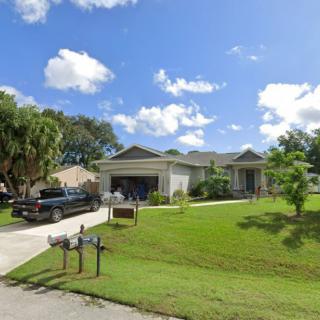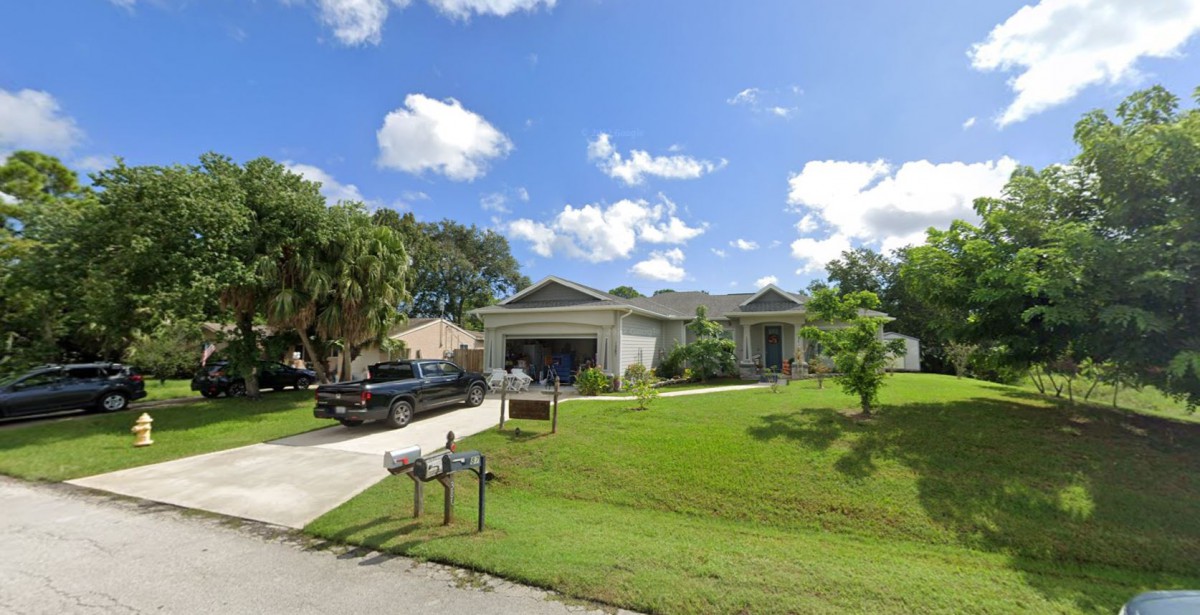
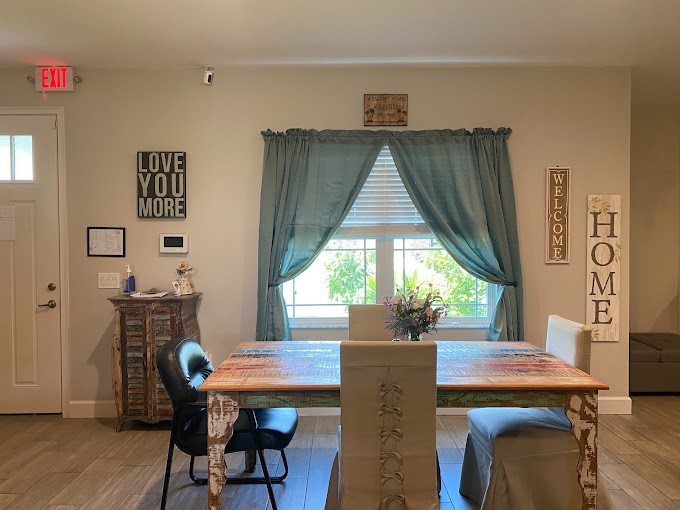
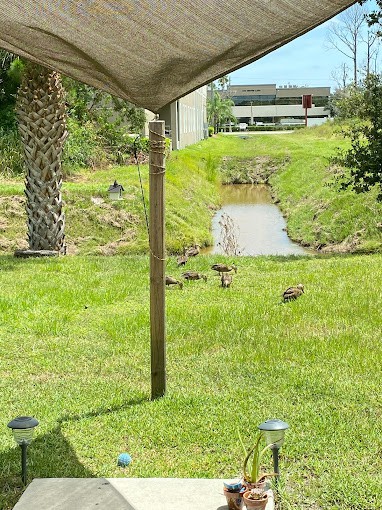
1387 San Cortez Ave, Palm Bay, FL 32907
To contact a resident: (321) 917-6074
For more information about senior living options: (866) 208-4318
Welcome Home Assisted Living Costs & Pricing
Welcome Home Assisted Living offers a higher tier of care with its pricing structure reflecting both the quality of services provided and the amenities available. For a semi-private room, residents can expect to pay $4,000 per month, significantly above the Brevard County average of $3,027 and Florida's state average of $3,009. Similarly, the cost for a private room is set at $5,000 monthly, which also exceeds local and statewide figures - $3,663 and $3,699 respectively. This premium pricing underscores Welcome Home's commitment to personalized care in a supportive environment, positioning it as an investment in well-being that may be justified by enhanced services and a more fulfilling living experience.
| Floor plans | Welcome Home Assisted Living | Brevard County | Florida |
|---|---|---|---|
| Semi-Private | $4,000 | $3,035 | $3,009 |
| Private | $5,000 | $3,672 | $3,699 |
Senior living communities with a similar price nearby
-
from -$500 / mo
R and C Ultimate Care
$3,500 to $4,000 / month6.6 miles away -
from +$690 / mo

Inspiritás of West Melbourne
$4,690 to $7,190 / month3.7 miles away -
from -$500 / mo
The Fountains of Melbourne
$3,500 to $3,750 / month3.2 miles away -
from -$500 / mo
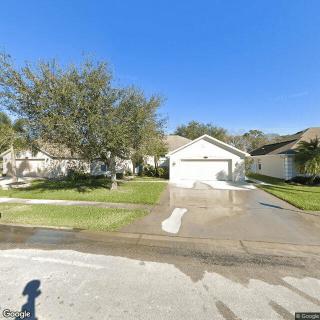
Shangri-La of West Melbourne
$3,500 to $4,300 / month3.1 miles away -
from +$215 / mo
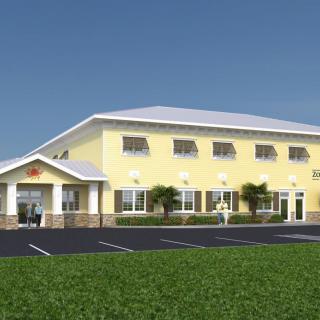
Zon Beachside
$4,215 to $7,850 / month10.3 miles away
Overall Review of Welcome Home Assisted Living
Pros
 The staff are caring, professional, and attentive to residents’ needs.
- The home is clean, comfortable, and well kept, offering a welcoming, almost five-star environment.
- The staff treat residents like family and provide heartfelt, personal care.
- Susan, Robin, and the team communicate regularly with families to share updates.
- The facility provides a peaceful, home-like atmosphere with individualized attention.
- The staff go out of their way to learn residents’ likes and dislikes to tailor care.
- Home visits by healthcare professionals are arranged to support residents’ care.
- The care is described as genuine, dignified, and of a high standard.
- Families feel peace of mind knowing their loved ones are safe and well cared for.
- The environment offers home-cooked meals, gardens, and a welcoming, supportive setting.
Cons
 They were really nice in the beginning and then they fired someone a week later; that was described as garbage and as not giving anybody a chance.
- Shayne Maynards review should be disregarded because he has never been a patient there and gave a review to the wrong facility.
- The mega ALF was criticized for not having enough nurses for hundreds of patients, looked nice on the outside but lacked heart and soul, and the resident’s room reportedly smelled like urine and she was treated very inconsiderately by the nurses.
- The wound-care experience was described as the worst, with the provider failing to show up and, when they did, the doctor complained about the quality of how it was packed.
Review
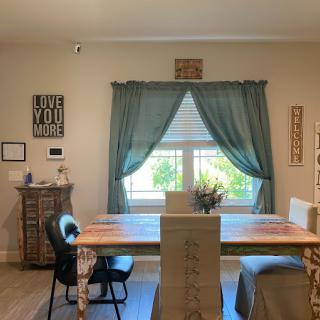
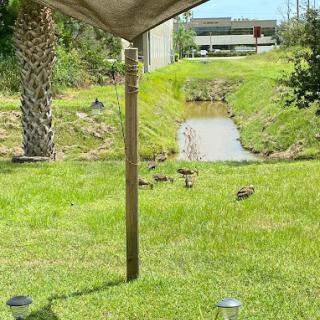
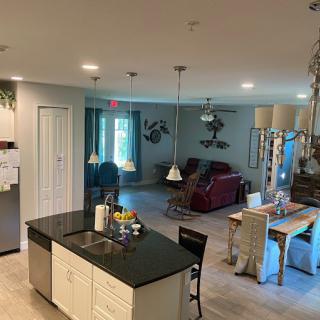
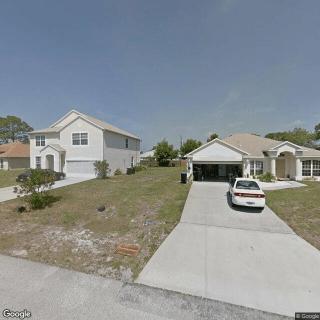
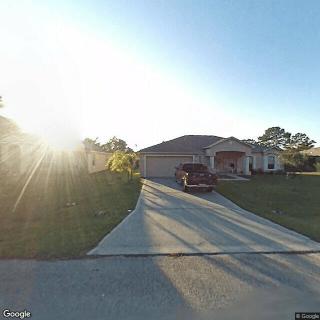
Welcome Home Assisted Living in Palm Bay is best suited for seniors who want a true home atmosphere with intimate, hands-on care. The residence is a private, four-room configuration that preserves a clear sense of domestic life while providing supervising support. It suits residents who value daily consistency, home-cooked meals, and a calm, neighborhood setting over the bustle of larger facilities. Families seeking steady family-like communication will find regular updates and a direct line to staff highly reassuring. In short, the community works best for someone who thrives with personal attention, predictable routines, and the comfort of a small, purpose-built environment.
Those weighing alternatives should be mindful of the facility’s limited size and medical resource pool. The most salient caveat is that the care model relies on a small team, which can amplify the impact of staff turnover and scheduling gaps. For loved ones needing intense, around-the-clock skilled nursing, complex wound care, or rapid access to a wide array of on-site medical specialists, a larger licensed facility or one with a deeper nursing staff might be more appropriate. While Welcome Home clearly demonstrates commitment, the small scale means families should verify how medical needs are managed day-to-day and who will be the primary caregiver.
The strongest positives hinge on the personal, attentive care that permeates daily life. Staff are repeatedly described as compassionate and genuinely invested in residents’ well-being, delivering a sense of family rather than formal routine. Guests consistently report clean, well-kept spaces and a home-like ambiance that makes residents feel seen and valued. The ability to tailor meals, preferences, and activities to individual likes has a meaningful impact on comfort and dignity. Moreover, the facility’s relationship with outside providers, nurse practitioners and podiatrists visiting to support care, helps extend medical oversight without requiring residents to leave the house.
Yet, there are warning notes to balance against the glow. An isolated comment about wound-care logistics points to a potential vulnerability: when medical tasks depend on a small team, delays or gaps can arise if the right clinician is unavailable. A separate, strictly negative account about staffing changes at a different point in time also underscores the reality that any small operation can feel unstable during transitions. While these anecdotes do not define the community, they emphasize the need for prospective families to confirm current staffing continuity, the on-call medical plan, and how quickly a resident can access care if a concern emerges.
These pros can offset the cons when approached with clear expectations and proactive planning. A tightly knit staff translates to quicker, more meaningful communication with families, and the home setting reduces the clinical bustle that can overwhelm frail seniors. The ability to coordinate regular on-site visits from medical professionals without transfers is a meaningful safeguard and often leads to better overall comfort and compliance. Cleanliness, safety-minded design for wheelchairs and walkers, and a peaceful environment further help residents maintain independence while receiving necessary support. In practice, Welcome Home rewards loyalty and attentiveness with steadier, longer-term relationships, an essential asset when medical or daily living needs evolve.
For families evaluating options, a decisive approach is recommended. Visit and talk directly with the people who would provide day-to-day care, and request unfiltered conversations with current residents and their families. Confirm the caregiver-to-resident ratio, the schedule of on-site support, and the process for arranging external medical services. Ask about communication habits: how often updates are provided, and through which channels. Finally, compare this home with nearby larger ALFs or nursing facilities in terms of medical staffing, activity programming, and transparency of pricing. Welcome Home Assisted Living is a strong choice for those prioritizing a warm, intimate setting and hands-on, affectionate care, provided the family confirms continuity of medical support and clearly understands what “24/7” looks like within a small-scale operation.
 Board and Care Home
 Private
 Melbourne International (6 miles away)
 Ambulatory care
 Diabetic care
 Incontinence care

 Supportive Employee Benefits That Help Caregivers Attain Better Work-Life Harmony
 Top Cars for Senior Drivers and Essential Safety Innovations
 A Closer Look at Private Pay Home Care