
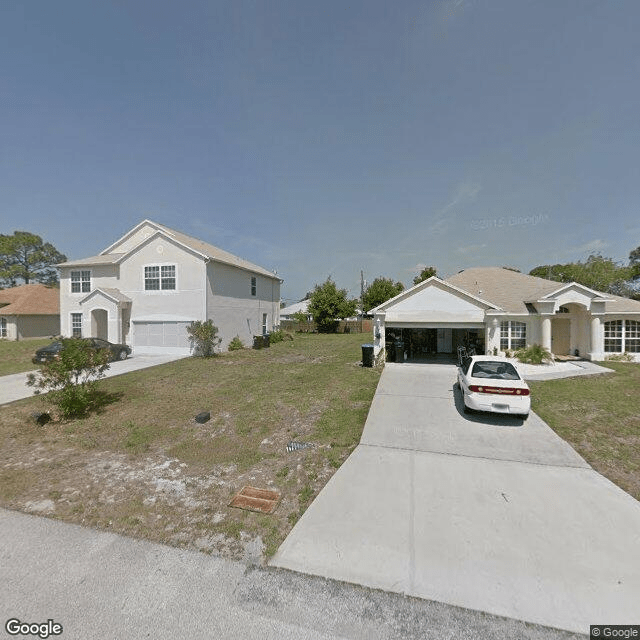
429 Freeman Road Nw, Palm Bay, FL 32907
For more information about senior living options: (866) 208-4318
No Better Place Costs & Pricing
No Better Place offers competitive pricing for its accommodations compared to Brevard County and the wider Florida region. For semi-private rooms, No Better Place charges $2,800 per month, which is notably lower than the county average of $3,027 and the state average of $3,009. Similarly, private rooms at No Better Place are priced at $3,000 per month, significantly less than the county's average of $3,663 and Florida's average of $3,699. This pricing structure not only highlights No Better Place as an attractive option for potential residents but also emphasizes their commitment to providing quality care at a more accessible price point.
| Floor plans | No Better Place | Brevard County | Florida |
|---|---|---|---|
| Semi-Private | $2,800 | $3,035 | $3,009 |
| Private | $3,000 | $3,672 | $3,699 |
Assisted Living communities with a similar price nearby
-
from +$200 / mo
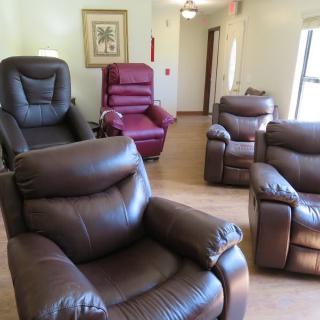
Caring Manor
$3,000 to $3,800 / month4.0 miles away -
About the same
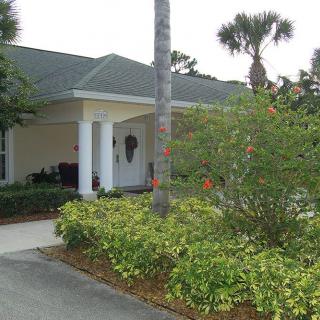
Pelican Garden Assisted Living
$2,750 to $3,500 / month21.1 miles away -
from +$200 / mo
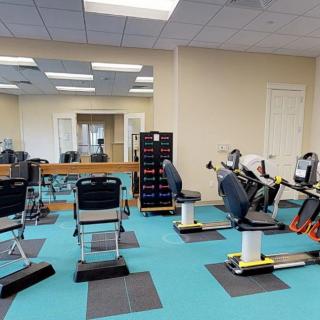
Riverview Senior Resort
$3,000 to $4,500 / month7.0 miles away -
from +$200 / mo
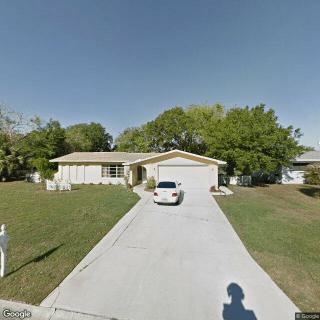
Shangri La Of Melbourne - ALF
$3,000 to $4,500 / month5.2 miles away -
from -$300 / mo
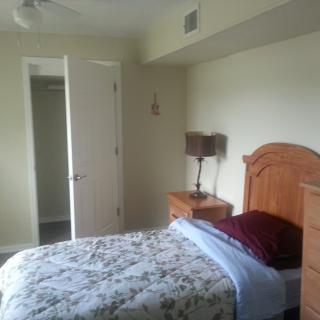
Living Southern Style Of Brevard
$2,500 to $3,500 / month23.6 miles away
Overall Review of No Better Place
Pros
 The star formation looks pretty cool from above.
- From above, the star formation presents a visually striking view.
Cons
 They wish they knew what it really was.
Review
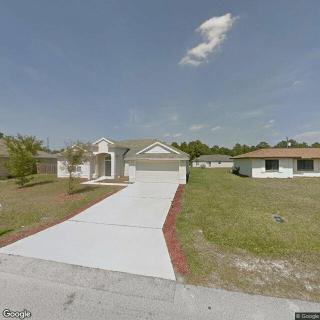
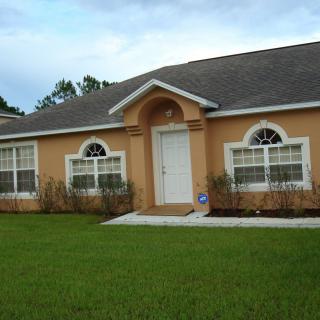
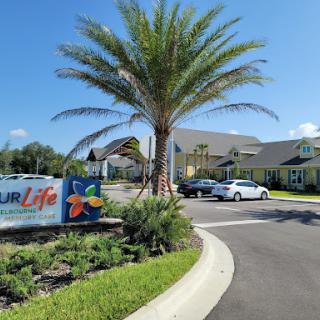
No Better Place in Palm Bay, Florida, is best suited for seniors who prize a bold, visually striking campus and are comfortable making decisions with limited public feedback about care quality. The site presents itself as more than just a traditional retirement setting; the footprint resembles a star formation, a design choice that signals an ambition to stand out. For residents who equate daily living with a distinctive environment and memorable curb appeal, this community offers an undeniable appeal that can boost pride in place and give visitors a talking point. Yet this is not a facility that can be judged on aesthetics alone. The public record here is sparse, and the one available review leaves major questions about programming, staffing, and daily life unanswered. In practical terms, the best fit is the senior who can balance curiosity about the grounds with a disciplined approach to due diligence before committing.
Families with clear, high needs for care coordination should carefully consider alternatives. The most significant caveat is the lack of transparent, verifiable information about essential services: staffing levels, caregiver consistency, medical oversight, activity offerings, meal quality, and safety protocols. Prospective residents who rely on robust dementia programming, consistent nursing support, or predictable monthly costs may find the absence of detail concerning. In markets like Palm Bay, where several established operators provide well-documented performance histories, a facility that cannot readily substantiate its care metrics becomes a riskier bet. Alternatives with a track record of annual surveys, nurse staffing endorsements, and comprehensive activity calendars offer more dependable assurance for families prioritizing reliability over novelty.
The most tangible pro here is architectural and experiential: the star-formation layout creates a strong external identity and a built-in conversation starter. That bold design can translate into a higher degree of landscape-driven ambiance, memorable vistas, and a sense of occasion for residents who prefer a campus that feels distinctive rather than generic. The exterior curiosity can enhance social engagement by giving residents and visitors a sense of place to show off, which in turn can support mood and social participation if the interior programming aligns with that energy. If the facility can deliver on opportunities for outdoor time and low-stimulus wandering space that complements the design, the surroundings may become a meaningful asset. However, the architecture alone cannot substitute for a well-rounded care program, so the benefits hinge on what happens inside the walls.
In balance, the primary cons are substantial and non-negotiable for many families: uncertain care quality, unverifiable staffing, and a lack of detailed operational data. A single anecdote with a mid-range rating cannot establish comfort about long-term safety, consistency, or value. The risk is that families assume quality is a given because a campus looks purposeful, only to discover gaps in daily care, response times, or menu options after move-in. Without access to core assurances, current licensing status, recent inspection outcomes, staffing ratios by shift, and a transparent resident agreement, there is little to anchor confidence. This is not a judgment against bold design; it is a practical recognition that critical life quality hinges on predictable care delivery and financially clear terms, neither of which are demonstrated in the readily available chatter.
Nevertheless, the design upside can partially offset the uncertainty if a disciplined due-diligence process accompanies the tour. Families should pursue on-site observations and targeted disclosures: request a current floor plan of assignments, a copy of the most recent state inspection, and a day-in-the-life calendar that shows meal schedules, activities, and staffing coverage. Ask for sample menus, activity rosters, and details on transportation options and access to medical services. Seek candid answers about what happens when a resident requires higher acuity care, and verify how long staff typically remain in roles to assess continuity. If the facility can provide concrete, verifiable responses and demonstrate a culture of transparent communication, the architectural edge becomes a meaningful differentiator rather than a mere novelty.
The bottom-line recommendation is practical: No Better Place should be explored by families who prize individuality of setting and are prepared to invest time in verification. For those needing proven outcomes and an established performance record, more conventional options with transparent licensing histories and detailed consumer-facing information are advisable. The star-formation charm and on-paper seduction of a bold design cannot compensate for missing operational clarity. A guided visit focused on staff interaction, resident satisfaction indicators, and real-world routines will reveal whether the culture behind the striking exterior translates into reliable daily life. If architecture angles upward in the decision matrix and due diligence clears the operational doubts, a tour could prove worthwhile. If not, it is prudent to prioritize facilities with stronger, documented track records and straightforward, transparent terms.
 6 resident community capacity
 Assisted Living
 Board and Care Home
 Respite Care
 Cats allowed
 Dogs allowed
 Activities off-site
 Bath tubs
 Beautician on-site
 Cable or satellite TV
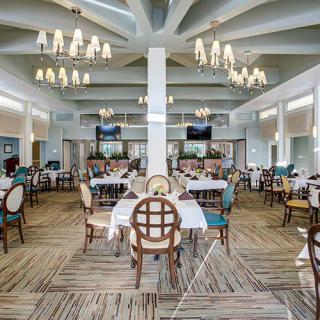
 Dining room
 Fully furnished
 Garden
 Housekeeping services
 Indoor common areas
 Move-in coordination
 Outdoor common areas
 Private
 Private bathrooms
 Telephone
 Wheelchair accessible showers
 Wi-Fi/high-speed internet available
 Melbourne International (7 miles away)
 24-hour supervision
 Ambulatory care
 Assistance with bathing
 Assistance with dressing
 Assistance with transfers
 Diabetes diet
 Diabetic care
 Incontinence care
 Meal preparation and service
 Medication management
 Special dietary restrictions
 Transportation arrangement (medical)
 Transportation to doctors appointments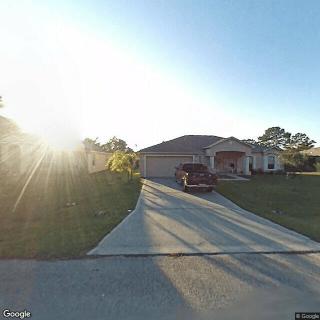

 Medicare Coverage for Assisted Living: An In-Depth Exploration
 Choosing the Right Senior Care: A Detailed Exploration of Assisted Living and Nursing Homes
 Understanding the True Cost of Assisted Living in 2025: A Comprehensive Guide