
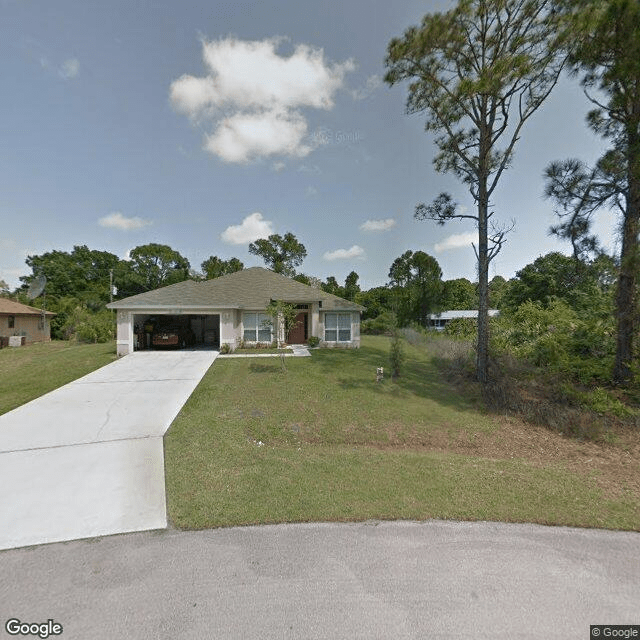
1351 Steele Road Southeast, Palm Bay, FL 32909
To contact a resident: (321) 984-7568
For more information about senior living options: (866) 208-4318
Glenville Pines Assisted Living Facility Costs & Pricing
Glenville Pines Assisted Living Facility offers competitive pricing for its residents, particularly when compared to the broader market in Brevard County and throughout Florida. The facility's semi-private rooms are priced at $2,500 per month, significantly lower than the county average of $3,027 and the state average of $3,009. For those seeking more privacy, Glenville Pines' private rooms are also attractively priced at $3,000 per month, which again undercuts both Brevard County's average of $3,663 and Florida's overall average of $3,699. This pricing structure positions Glenville Pines as an appealing option for families seeking quality care without exceeding their budget.
| Floor plans | Glenville Pines Assisted Living Facility | Brevard County | Florida |
|---|---|---|---|
| Semi-Private | $2,500 | $3,035 | $3,009 |
| Private | $3,000 | $3,672 | $3,699 |
Memory care communities with a similar price nearby
-
from -$200 / mo
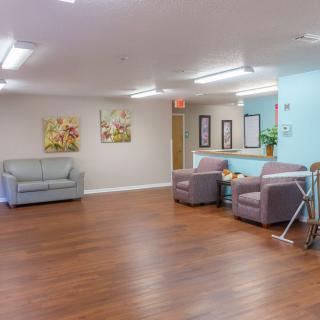
Bethesda on Turkey Creek
$2,300 to $3,500 / month5.4 miles away -
About the same

Harborside at Melbourne
$2,495 to $4,495 / month9.1 miles away -
from +$200 / mo
There's Nothing Like Home Care
$2,700 to $3,500 / month2.3 miles away -
from -$125 / mo
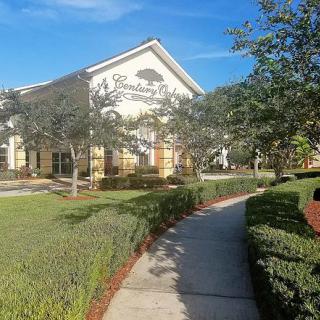
Century Oaks
$2,375 to $2,870 / month5.8 miles away -
from -$300 / mo
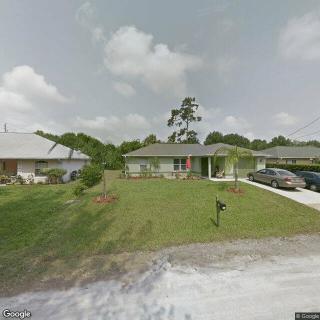
Rainbow Garden
$2,200 / month23.3 miles away
Overall Review of Glenville Pines Assisted Living Facility
Pros
 Elida cared for the mother for eight years and treated her like family.
- The family found peace knowing their mother was treated with dignity and compassion.
- The father visited several times a week and felt that his mother was being cared for beautifully.
- Elida and Glen were like family, and the family is forever grateful to them.
- Elida and her staff are very caring and compassionate, treating each resident like a member of the family.
- The home provides one-on-one care tailored to each resident's needs, unlike crowded, understaffed facilities.
- It is regarded as the best private elder care home in the area, with compassionate owners and staff who genuinely care for their patients.
Review
Glenville Pines Assisted Living Facility in Palm Bay is best suited for seniors who want a small, home-like setting where care is delivered with daily warmth and unwavering consistency. The community earns top marks from families who value dignity, safety, and deeply personalized attention over institutional busyness. Residents are tended to with a level of familiarity that translates into predictable routines and a sense of belonging. Several families describe Elida and Glen as more than staff, they are trusted family members whose ongoing involvement for eight years or more created a fabric of care that endured through the hardest transitions. For seniors who fear the loss of independence in a clinical environment, this setting offers a reassuring alternative rooted in genuine relationships.
However, potential residents should consider whether the need is for robust clinical oversight or specialized medical programming. The praise centers on one-on-one caregiving, warmth, and a home-like atmosphere rather than a campus with large clinical teams. Those requiring around-the-clock nursing, complex wound care, or memory-care programs with structured therapies may find the capacity of a private home-alternative insufficient. In such cases, larger assisted living communities or skilled nursing facilities with on-site clinicians can deliver the level of medical support and systematic routines that some families must have. The question is whether peace of mind and daily companionship can compensate for more intensive clinical requirements.
On the plus side, the core advantages read as a practical, tangible hedge against common pitfalls of elder care: attentive, compassionate staff; a family-style ethos; and a clean, safe environment where safety and well-being are the explicit priorities. Residents are treated with dignity, and family members report a level of trust that reduces stress around daily caregiving decisions. The drawbacks are less about the people and more about the setting's scope: the small, private-home model means fewer formal activities and fewer on-site specialists than a larger facility. Yet the personalized attention and the owners’ visible commitment tend to fill those gaps with intentional programming and flexible, resident-first care plans.
Cleanliness and order emerge as practical strengths. Reviewers describe a spotless home where staff maintain high standards of hygiene and safety. The absence of crowding, notably contrasted with larger nursing homes, appears directly linked to calmer days for residents and less anxiety for families during visits. The leadership style, owners who are actively involved, gives families a sense that the care plan is personal and monitorable. The long tenure of the caregiver team, especially Elida’s eight-year relationship with a resident, signals continuity that lowers the risk of inconsistent care or abrupt transitions, a frequent stressor in elder care arrangements.
For families weighing options, the decisive steps are clear: arrange face-to-face visits, observe how staff interact with residents, and probe for staffing ratios and emergency procedures. Verify what medical support is available on-site and how changes in health status are managed, and confirm respite or short-term stays if needed. Ask about daily routines, meal quality, and activity calendars to ensure alignment with the loved one’s interests. Because feedback in this community emphasizes individualized care, practitioners should also discuss how a resident’s evolving needs are incorporated into a flexible plan. The reality is that this setting excels where personalized attention matters most.
When warmth, dignity, and consistent personal attention are the priority, Glenville Pines stands out as a highly reliable choice in Palm Bay. It is best for residents who thrive on a family-like environment and who do not require intensive medical intervention on a daily basis. Those seeking rigorous clinical oversight, specialized memory-care programming, or a broad, highly structured activity roster may want to explore alternatives. With demonstrated compassion, a spotless environment, and a caregiver team that treats residents as kin, Glenville Pines offers practical peace of mind for families navigating a difficult transition.
 5 resident community capacity
 Assisted Living
 Board and Care Home
 Memory Care
 Activities off-site
 Bath tubs
 Beautician on-site
 Cable or satellite TV
 Dining room
 Fully furnished
 Garden
 Housekeeping services
 Indoor common areas
 Move-in coordination
 Outdoor common areas
 Private
 Respite or short term stays offered
 Telephone
 Wi-Fi/high-speed internet available
 Melbourne International (10 miles away)
 24-hour supervision
 Ambulatory care
 Assistance with bathing
 Assistance with dressing
 Assistance with transfers
 Diabetes diet
 Diabetic care
 Incontinence care
 Meal preparation and service
 Medication management
 Special dietary restrictions
 Transportation arrangement (medical)
 Transportation to doctors appointments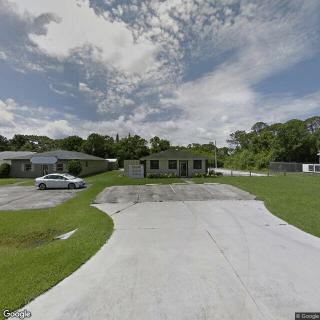


 Guiding Your Journey: Understanding Power of Attorney for Elderly Parents
 22 Remarkable Caregiver Support Groups Available Online and In-Person
 Understanding Medicaid Coverage for Assisted Living: A Comprehensive Guide