
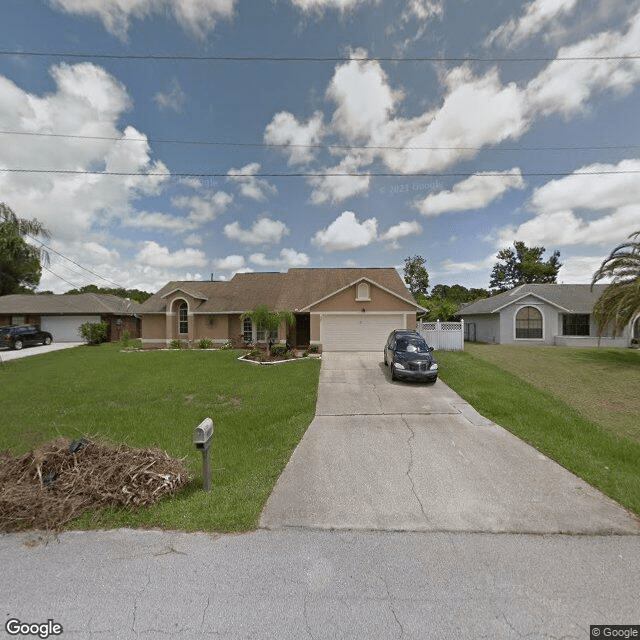
487 Godfrey Road SE, Palm Bay, FL 32909
To contact a resident: (321) 914-0755
For more information about senior living options: (866) 208-4318
Angels On Your Shoulder Costs & Pricing
At Angels On Your Shoulder, the monthly costs for various room types are thoughtfully positioned to provide competitive value within both Brevard County and the broader Florida market. For a semi-private room, residents can expect a fee of $3,000, which is slightly lower than the county average of $3,027 and the state average of $3,009. A private room is available at $3,500, again offering a more affordable option compared to Brevard County's average of $3,663 and Florida's average of $3,699. For those seeking a one-bedroom accommodation, Angels On Your Shoulder charges $4,000 - this is higher than both Brevard County's average of $3,909 and Florida's average of $3,864. Overall, Angels On Your Shoulder provides an appealing balance between quality care and cost-effectiveness in comparison to regional trends.
| Floor plans | Angels On Your Shoulder | Brevard County | Florida |
|---|---|---|---|
| Semi-Private | $3,000 | $3,035 | $3,009 |
| Private | $3,500 | $3,672 | $3,699 |
| 1 Bedroom | $4,000 | $3,909 | $3,864 |
Memory care communities with a similar price nearby
-
About the same
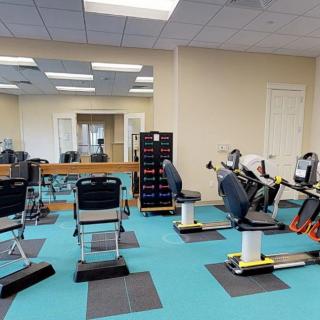
Riverview Senior Resort
$3,000 to $4,500 / month7.0 miles away -
About the same
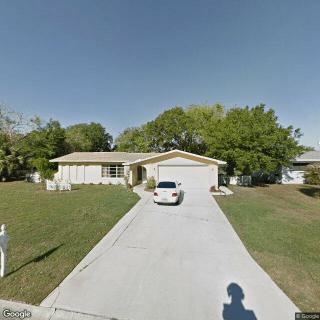
Shangri La Of Melbourne - ALF
$3,000 to $4,500 / month8.2 miles away -
from +$500 / mo
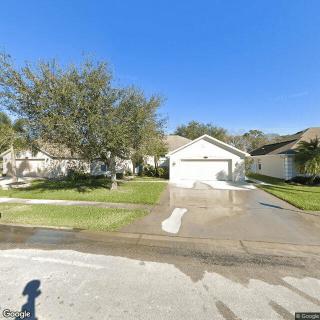
Shangri-La of West Melbourne
$3,500 to $4,300 / month6.8 miles away -
from -$505 / mo

Harborside at Melbourne
$2,495 to $4,495 / month9.8 miles away -
from +$550 / mo

Palm Bay Memory Care
$3,550 to $4,995 / month2.8 miles away
Overall Review of Angels On Your Shoulder
Pros
 The home was always clean.
- The meals were home cooked and smelled delicious.
- The staff and owner took very good care of Mom.
- The owner, caregivers and residents were like family.
- Visitors were always welcomed.
- The home has a beautiful homestyle setting and is quaint.
Cons
 The price was a little high.
- The baths/showers were not handicap-accessible.
- The screened-in patio was not conducive to rolling walkers.
- It was the second choice among the three facilities visited.
Review
Angels On Your Shoulder in Palm Bay is best suited for families seeking a small, home-like assisted living option where the focus is intimate attention, a familiar atmosphere, and highly personalized care. The community shines for seniors who want a domestic, clean, well-kept setting, where meals are truly home-cooked and the environment feels more like a caregiver-supported private home than a clinical facility. The owner and caregivers actively involve themselves with residents, and the entire community treats visitors as welcomed participants. In short, this is the choice for seniors who want to be known by name, not by bed number, and for families that value steady, hands-on involvement from leadership and staff.
But there are clear reasons to consider alternatives. The price tends to sit at a premium level, which matters for families operating within a tight budget. Accessibility is not fully optimized: baths and showers are not universally handicap-accessible, and the screened-in patio, while charming, is not ideal for rolling mobility devices. The setting appears to function well as a smaller, intimate option rather than a facility designed for residents with substantial on-site medical needs or those requiring broad accessibility features. For families prioritizing cost efficiency or robust medical staffing in a larger campus, several nearby options will likely be stronger fits.
On the plus side, cleanliness and a home-like ambiance are consistently highlighted. The home feels well maintained, with an emphasis on a homestyle dining experience, home-cooked meals that carry the comfort of a family kitchen. The staff and owner are described as genuinely caring, fostering a sense of family among residents and even welcoming visitors with ease. The presence of friendly, capable caregivers, one account specifically praising a staff member as knowledgeable and competent, adds credibility to daily routine and safety. Outdoor elements, like a screened patio and garden, offer pleasant spaces for relaxed social time and gentle activity for residents who need a less clinical pace.
Those advantages, however, do not fully erase the practical drawbacks. The higher cost remains a meaningful hurdle for many families, especially as lifetime expenses rise. Accessibility gaps are more than theoretical concerns: non-handicapped baths and a patio not suited to rolling walkers create daily friction for residents with mobility limitations, potentially increasing caregiver effort and transfer risk. The small, homelike scale, while comforting, can also translate to limited on-site medical oversight and fewer high-level medical resources than larger communities. These tensions do not negate the warmth and quality of care, but they shape a decision framework where mobility and budget are decisive factors.
When evaluating this community, practical steps matter. Verify the exact accessibility features of bathrooms and services, and explore whether any minor modifications or assistive devices could improve daily living without compromising the home feel. Plan a visit that spans meals, caregiving routines, and social activities to observe real-time interactions among residents and staff. Compare with nearby options that emphasize accessibility accommodations or offer more predictable pricing structures. Confirm visitation policies and the degree of family involvement the community supports, and ensure coordination with any existing healthcare providers or care plans. The right choice hinges on aligning the setting’s intimate strengths with the resident’s mobility and financial realities.
Ultimately, Angels On Your Shoulder delivers a clear win for families prioritizing warmth, personalized attention, and a genuinely homelike atmosphere. It excels when the priority is daily life lived through connection, home-style meals, and a leadership team that appears to know residents by name. It is not the automatic pick for those who require easy accessibility, extensive medical supervision on-site, or a more budget-conscious option. For seniors who fit the intimate, domestic model, the payoff is meaningful: a close-knit, respectful home where residents are cared for with visible care, and families feel confident that their loved ones are treated with genuine, ongoing consideration.
 Board and Care Home
 Memory Care
 Private
 Melbourne International (10 miles away)
 Ambulatory care
 Diabetic care
 High acuity care
 Incontinence care
 Medication management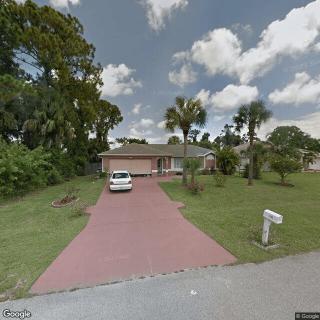


 Delirium and Dementia: Unraveling the Key Differences
 Are Dementia and Alzheimer's Disease Lethal? A Comprehensive Exploration
 Exploring the Power of Reminiscence Therapy for Individuals With Dementia