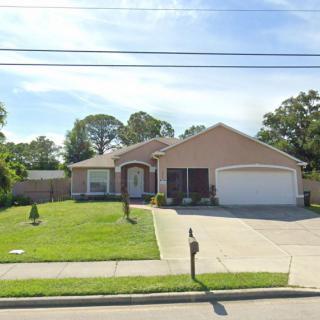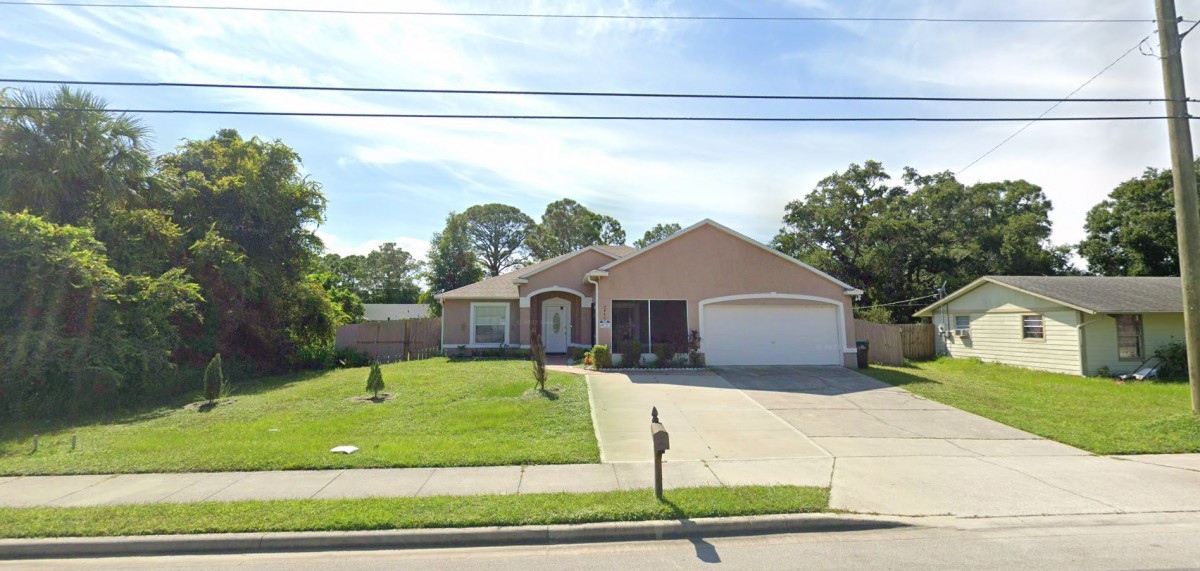



2440 Emerson dr se, Palm Bay, FL 32909
To contact a resident: (321) 327-8762
For more information about senior living options: (866) 208-4318
Overall Review of Blue Fountain Home care
Cons
 They state that their family had a disappointing experience with the care provided by Blue Fountain Home Care.
- They allege that their uncle, a former client, was removed and placed in the hospital by Adult Protective Services due to alleged neglect.
- They are disheartened by the level of care after the incident and by the poor treatment their uncle received from the owner, Maggie, and her staff.
- They encountered contract issues: the contract was not properly executed and not signed by their wife, a requisite under Florida law.
- They claim the owner did not fulfill contractual obligations, including failing to provide a pro-rated refund outlined in the agreement.
- They say the family faced financial difficulties as a result of Blue Fountain Home Care's unfulfilled obligations.
- They caution others to exercise caution when considering this care provider.
- They describe the situation as very sickening.
- They claim the provider does not know nursing homes.
Review
Blue Fountain Home Care in Palm Bay, Florida is best suited for lookers-on rather than seekers of reliable, high-quality in-home care. Given the experiences documented by multiple families, this provider should only be considered by those with very limited options, extremely tight budgets, and a willingness to accept significant risk and inconsistency in service. The reality is that the case profile here points toward caution rather than confidence: a two-star overall impression with repeated warnings about neglect, poor response, and unsettled financial and contractual matters.
Those evaluating options should be aware who may want to consider alternatives. If care quality, prompt communication, and a legally sound engagement are non-negotiables, this agency should be crossed off the short list. In at least one family’s account, Adult Protective Services intervened, and the uncle in their care was hospitalized after concerns about neglect. Several messages center on disrespectful treatment by the owner and staff, and a pattern of contractual missteps and unfulfilled obligations. For families seeking predictable staffing, consistent oversight, and clear, enforceable terms, the red flags here are hard to overlook.
Pros, where they exist, do not meaningfully balance the major drawbacks. There is a sense from at least one positive rating that some clients may experience the care offered, but that isolated experience is dwarfed by the broader pattern of documented failures. The lack of a compelling, widespread positive track record makes any potential advantage, whether cost, convenience, or intimate, in-home support, insufficient to justify exposure to the risks raised in the reviews. In practical terms, a marginal benefit cannot compensate for the risk of neglect allegations, poor treatment by leadership, and unresolved contract and refund disputes.
The most impactful cons are the core of the decision. First, neglect concerns led to intervention by Adult Protective Services and a hospital placement, underscoring a fundamental risk to resident safety. Second, the treatment of family members and clients by the owner and staff appears to have been dismissive or disrespectful in repeated accounts, signaling a troubling care culture. Third, contractual practices are described as improperly executed, with signatures lacking where Florida law requires, and without pro-rated refunds that were promised in the agreement. These elements compound financial vulnerability for families already navigating care expenses. A caregiver pool that cannot be reliably trusted to honor commitments or communicate transparently makes day-to-day life significantly harder for all involved.
From a decision-making standpoint, these cons eclipse any perceived upsides. The combination of safety risk, questionable ethics, and enforceability gaps creates a landscape in which families must either accept ongoing uncertainty or pivot to established providers with verifiable track records. The practical takeaway is to prioritize agencies with solid state licensure, clean complaint histories, transparent contracts, and responsive ownership that stands behind care plans and billing. When in doubt, verify with the Florida Agency for Health Care Administration, request written care plans, and demand references from recent clients who can speak to both reliability and safety.
In terms of action steps, prospective buyers should perform rigorous due diligence before engaging any in-home care firm in this market. Demand a detailed, written care plan with measurable goals, a full roster of caregivers, and clear scheduling. Insist on a properly executed contract that complies with Florida law, including explicit terms about refunds or credits if services are disrupted. Request recent inspection or license verification, and check references with multiple families who used the service over time. If the pressing need is for dependable, respectful, and legally sound support, this provider should not be the first choice; alternatives with stronger safety records, better care accountability, and clearer financial protections deserve serious consideration.
 6 resident community capacity
 Assisted Living
 Board and Care Home
 Memory Care
 Cable or satellite TV
 Dining room
 Fully furnished
 Garden
 Housekeeping services
 Move-in coordination
 Outdoor space
 Telephone
 Wi-Fi/high-speed internet available
 Melbourne International (9 miles away)
 24-hour supervision
 Activities of daily living assistance
 Assistance with bathing
 Assistance with dressing
 Assistance with transfers
 Diabetes diet
 Meal preparation and service
 Medication management
 Special dietary restrictions
 Transportation arrangement (medical)
 Transportation to doctors appointments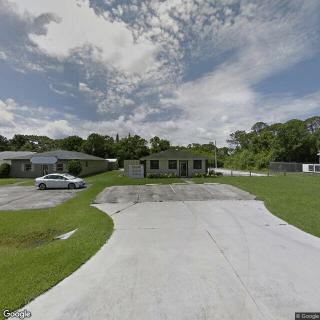
 Warm, personalized care in a convenient Palm Bay location.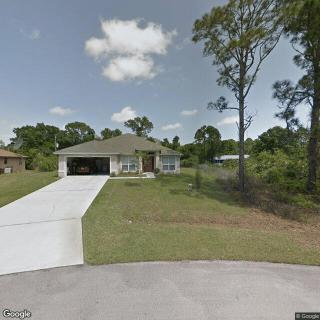




 Understanding Dementia Through Its Seven Stages: A Comprehensive Look at Progression and Expectations
 A Holistic Dementia Care Guide: Effective Strategies for Memory Support
 Comprehensive Insights into Activities of Daily Living (ADLs) and Their Assessment