
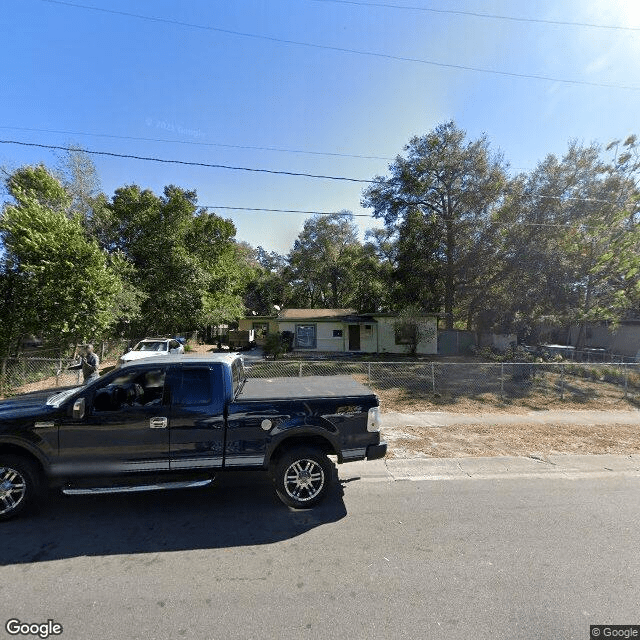
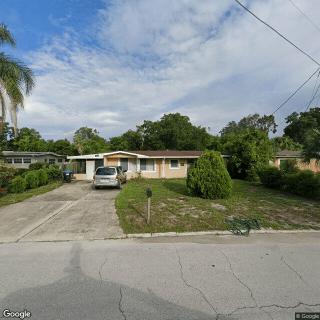
1103 Emeralda Road, Orlando, FL 32808
To contact a resident: (407) 440-8728
For more information about senior living options: (866) 208-4318
Callender Residence and Companion Service Costs & Pricing
Callender Residence and Companion Service offers competitive pricing for its accommodations compared to the broader market in Orange County, Florida. For a semi-private room, Callender's monthly cost of $2,000 stands significantly lower than the county average of $3,041 and the state average of $3,009. Similarly, for private rooms, Callender's rate of $3,500 is also more economical than the county's average of $3,441 and Florida's higher rate of $3,699. This makes Callender Residence an attractive option for those seeking quality care while also being mindful of their budget.
| Floor plans | Callender Residence and Companion Service | Orange County | Florida |
|---|---|---|---|
| Semi-Private | $2,000 | $3,041 | $3,009 |
| Private | $3,500 | $3,441 | $3,699 |
Memory care communities with a similar price nearby
-
About the same
Hope Assisted Living Facility
$2,000 to $2,800 / month19.2 miles away -
from -$100 / mo
Ionie's Assisted Living II
$1,900 to $2,400 / month2.5 miles away -
from +$395 / mo
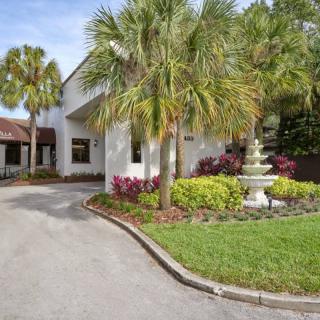
Grand Villa of Altamonte Springs
$2,395 to $3,895 / month8.4 miles away -
from +$300 / mo
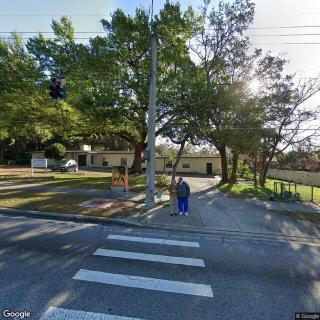
The Islands ALF Inc
$2,300 to $3,000 / month1.4 miles away -
from -$200 / mo
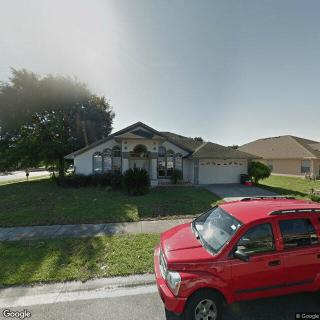
White Flowers Assisted Living Facility
$1,800 to $2,500 / month15.4 miles away
Overall Review of Callender Residence and Companion Service
Pros
 SDA Elderly Care stands as a beacon of hope and support for seniors, offering a comprehensive range of services that significantly enhance their quality of life.
- Lecia Bromley and the staff are outstanding and awesome; they really help and are a class act.
- The organization is dedicated to providing low-income housing and essential services, making it a vital resource in the community.
- The staff’s dedication, professionalism, and genuine care create a supportive and nurturing environment for residents.
- The low-income housing facilities are well-maintained, secure, and foster a sense of community and independence.
- Their comprehensive support services include health and wellness programs, transportation assistance, and social activities that promote belonging.
Cons
 The agency is a joke and untrustworthy.
- They demanded over $2,000 to move in, and the arrangement turned out to be a scam.
- They repeatedly asked for money (such as $500) and never stopped calling.
- They claim to help with housing but deliver no results, leaving people homeless.
- They direct people to food sources and then charge for that information.
- They provide lists of apartments with long waiting lists and never follow up.
- They never answer the phone or return messages, leaving applicants in limbo.
- They misused donations and have a reputation for being a scam; many say they should be investigated.
- They promise emergency assistance to the disadvantaged but fail to deliver.
Review
This community is best suited for seniors in Orlando who are navigating tight budgets and can tolerate a less predictable level of responsiveness in exchange for low-cost housing and basic support services. It targets individuals who can advocate for themselves or rely on a trusted family member to oversee the process, because timely communication and reliable placement are not guaranteed. Those with urgent housing needs, significant medical dependence, or a mandate for immediate, consistent case management should look elsewhere, as delays, unanswered calls, and uncertain outcomes are common themes in the feedback.
When the operation is functioning as advertised, the model shows real value: low-income housing that is described as secure and well-maintained, a sense of community, and a holistic support framework that includes health-related programming, transportation assistance, and social activities. The most credible positive testimonials spotlight a staff component that can be strong and dedicated, with individuals singled out for outstanding service. In theory, the combination of affordable housing plus structured support services can meaningfully improve stability for seniors who manage the process carefully and can receive consistent, direct contact from a named representative.
However, the weight of the reviews leans heavily toward red flags that often overwhelm those potential benefits. A recurring pattern is misrepresentation or a mismatch between promises and outcomes, including upfront fees and move-in costs that feel exploitative rather than supportive. Several accounts allege scams or bait-and-switch tactics, with residents reporting emptied wallets, questionable housing referrals, and a sense that donations or charitable claims are being leveraged improperly. The most destabilizing aspects involve chronic unresponsiveness, repeat failures to return calls, to provide promised housing options, or to connect clients with a responsible representative, leaving bedridden or otherwise vulnerable seniors in precarious positions.
Those cons do not merely tint the experience; they undermine the core purpose: securing safe, affordable housing with dependable, ongoing assistance. The positive elements, secure facilities, a community feel, and available support services, are undermined when communication loops fail, when reliable access to a named contact evaporates, or when referrals lead to long waiting lists or unsuitable placements. For families weighing this option, the risk-to-benefit calculation tilts sharply toward caution unless a robust, documented commitment is in place and a trusted advocate can enforce it.
To make an informed decision, prospective residents and their families should pursue concrete checks before committing. Insist on a written agreement that spells out what services are guaranteed, the exact cost structure, and the process for placing residents in housing, including expected timelines. Seek direct contact with a assigned coordinator rather than generic office lines, and request current references from residents living on-site. Verify licensing and compliance through state or county agencies, and corroborate any claims about low-income housing or companion services with objective sources. Prepare a contingency plan for urgent needs and budget for potential delays, recognizing that the system described in many reviews can be slow and opaque.
In the end, this option should be approached as a high-risk, high-praud potential pathway for those with uncertain resources and tenuous housing. If immediate placement and continuous, transparent case management are non-negotiable, alternatives built on stronger reputations and clearer accountability are prudent. Families might consider other local nonprofits or housing authorities with demonstrated reliability, or private providers known for transparent pricing and responsive support, even if the cost is higher. The prudent course is to reserve full commitment until a dependable representative is in place, written guarantees exist, and verified residents can attest to sustained, consistent service. In most scenarios, the cautious recommendation is to pursue those alternatives first, using this option only if rigorous safeguards are in place and ongoing oversight can be guaranteed.
 Board and Care Home
 Memory Care
 Private
 Orlando International (12 miles away)
 Ambulatory care
 Diabetic care
 High acuity care
 Incontinence care
 Medication management




 Memory Care Pathways: A Holistic Guide to Dementia Support
 Comprehending Evening Confusion in Dementia: Causes, Manifestations, and Support
 Delirium and Dementia: Unraveling the Key Differences