
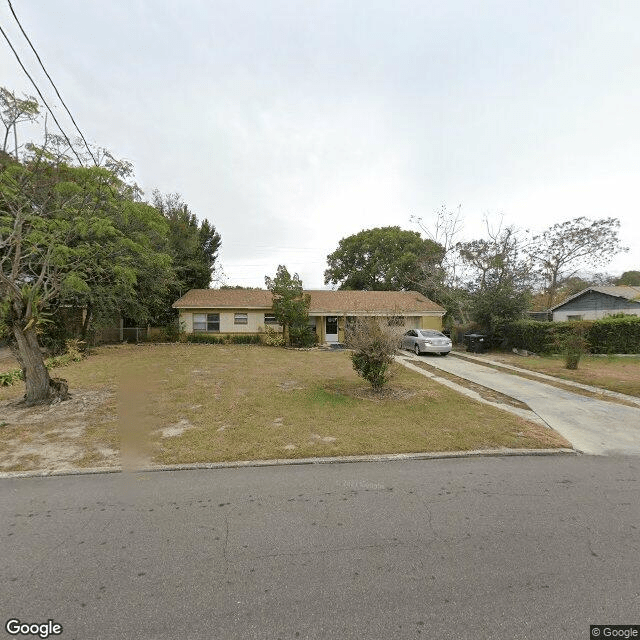
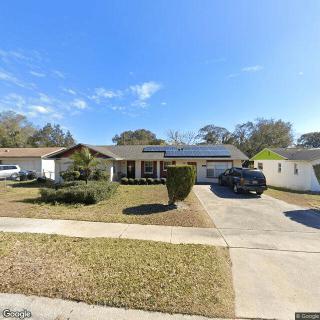
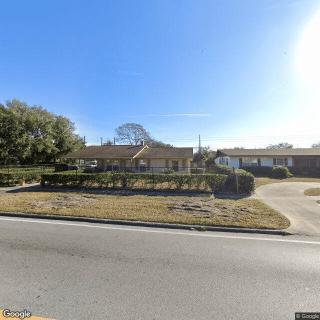
1615 Glendale Road, Orlando, FL 32808
To contact a resident: (407) 257-0296
For more information about senior living options: (866) 208-4318
Robert's Adult Care Home Costs & Pricing
Robert's Adult Care Home offers competitive pricing for its services compared to both Orange County and the state of Florida. The cost for a semi-private room at Robert's is $2,500 per month, significantly lower than the average rates of $3,041 in Orange County and $3,009 statewide. Similarly, the monthly fee for a private room at Robert's stands at $3,000, which is more economical than the local average of $3,441 and the state average of $3,699. This positioning makes Robert's Adult Care Home an appealing option for families seeking quality care without the burden of excessive costs.
| Floor plans | Robert's Adult Care Home | Orange County | Florida |
|---|---|---|---|
| Semi-Private | $2,500 | $3,041 | $3,009 |
| Private | $3,000 | $3,441 | $3,699 |
Senior living communities with a similar price nearby
-
from +$100 / mo
Faith House Of Winter Park
$2,600 to $3,100 / month12.3 miles away -
from -$300 / mo
Oasis National Assisted Living Facility
$2,200 to $2,600 / month9.8 miles away -
from -$105 / mo
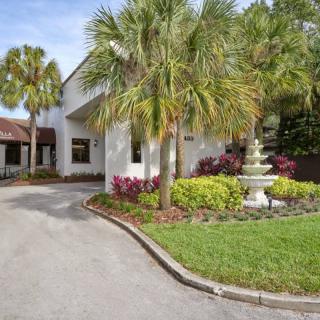
Grand Villa of Altamonte Springs
$2,395 to $3,895 / month8.4 miles away -
from +$200 / mo

Waterman Village
$2,700 to $6,600 / month21.2 miles away -
About the same
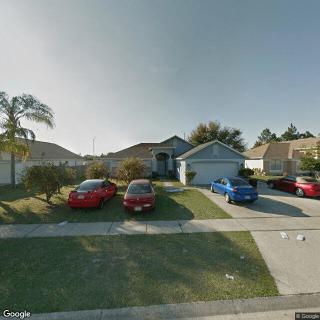
Allheart Board & Care
$2,500 to $3,000 / month12.3 miles away
Overall Review of Robert's Adult Care Home
Pros
 It is located in the area where the reviewer lives.
- The food is good and it feels like home.
- It is a small facility.
- The staff and friendliness are great.
- The cleanliness, activities, and meals are great.
- The reviewer would recommend Robert's Adult Care Home to others.
Review
Robert’s Adult Care Home in Orlando is best suited for seniors who want an intimate, home-like environment where staff know residents by name, meals feel dependable, and daily life carries a reassuring routine. It shines for those who value a small-community vibe, where friendliness is not just a courtesy but a practiced standard, and where a resident’s day is shaped by easy, human-scale interactions rather than a large, impersonal campus.
Those who may want to consider alternatives are residents who require more extensive clinical oversight or specialized care programs. A larger assisted living community with dedicated memory-care units, broader medical staffing, or a wider slate of therapy options could better serve individuals with complex health needs or those seeking a more comprehensive activity calendar. For families prioritizing hospital-grade on-site services or around-the-clock clinical management, the smaller setting may feel restrictive.
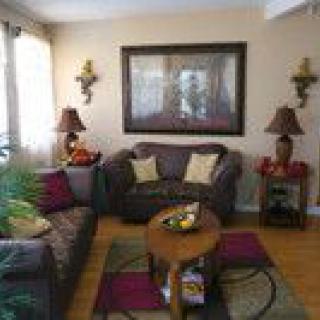
The strongest pros center on the intimate, home-like atmosphere. The small size translates into consistent, attentive care, staff appear genuinely friendly, and resident requests tend to be met quickly. Cleanliness is evident, and routines around meals and daily activities feel orderly and predictable, which reduces anxiety for residents and caregivers alike. The meals receive high marks, and the overall approach to activities is practical and engaging, ensuring residents stay connected, included, and mentally stimulated without overwhelming them. That blend of warmth, reliability, and measurable daily structure often translates into genuine comfort and a sense of belonging.
Location plays a meaningful supporting role. Being in the same area where a family member resides makes visits straightforward, planning easier, and supervision more hands-on. For families juggling work and caregiving responsibilities, the convenience of a local placement is not merely a perk but a practical working assumption that lowers the emotional and logistical friction of ongoing care. In tandem with the home-like feel and the dependable staff, this geographic advantage helps convert a potential recommendation into a confident choice.
The main trade-off is the facility’s size. A smaller operation naturally limits the breadth of on-site amenities and may constrain the depth of medical supervision and specialized programming available on demand. However, the very elements that signal a tight-knit environment, regular staff engagement, familiar routines, and a quiet, purpose-built setting, often offset these gaps. For residents who prize personal attention, consistent mealtime experiences, and a steady social rhythm, the advantages outweigh the downsides. Families should approach with clear questions about staffing levels, care planning, and flexibility to tailor activities to changing needs, knowing the core strengths remain firmly in the resident-focused corner.
Final guidance centers on fit. Robert’s Adult Care Home is a prudent choice for seniors who value a smaller, neighborly setting, reliable meals, and a warm, safety-conscious environment. Prospective residents should not pursue it if the need is for extensive on-site medical services, broad clinical programming, or memory-care-specific design features. Visit with a plan: observe meal service, meet front-line staff, review the activities calendar, ask about routine medical oversight, and evaluate how visits from family would be integrated into daily life. When alignment exists between the resident’s preference for intimacy and the facility’s strength in care consistency, this community offers a compelling, practical pathway to peaceful, supported senior living.
 Board and Care Home
 Activities off-site
 Indoor common areas
 Outdoor common areas
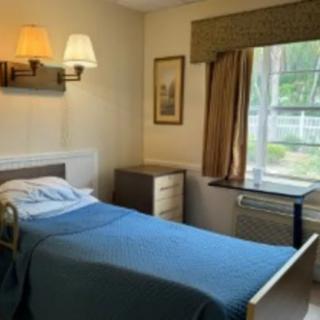
 Private
 Respite or short term stays offered
 Orlando International (13 miles away)
 Ambulatory care
 Diabetic care
 Incontinence care
 Meals provided


 Highly Beneficial Low-Impact Exercises for Senior Living Residents
 Is In-Home Healthcare Tax Deductible? Your Comprehensive Guide
 Nurturing Well-Being Through Gardening: A Detailed Guide for Senior Enthusiasts