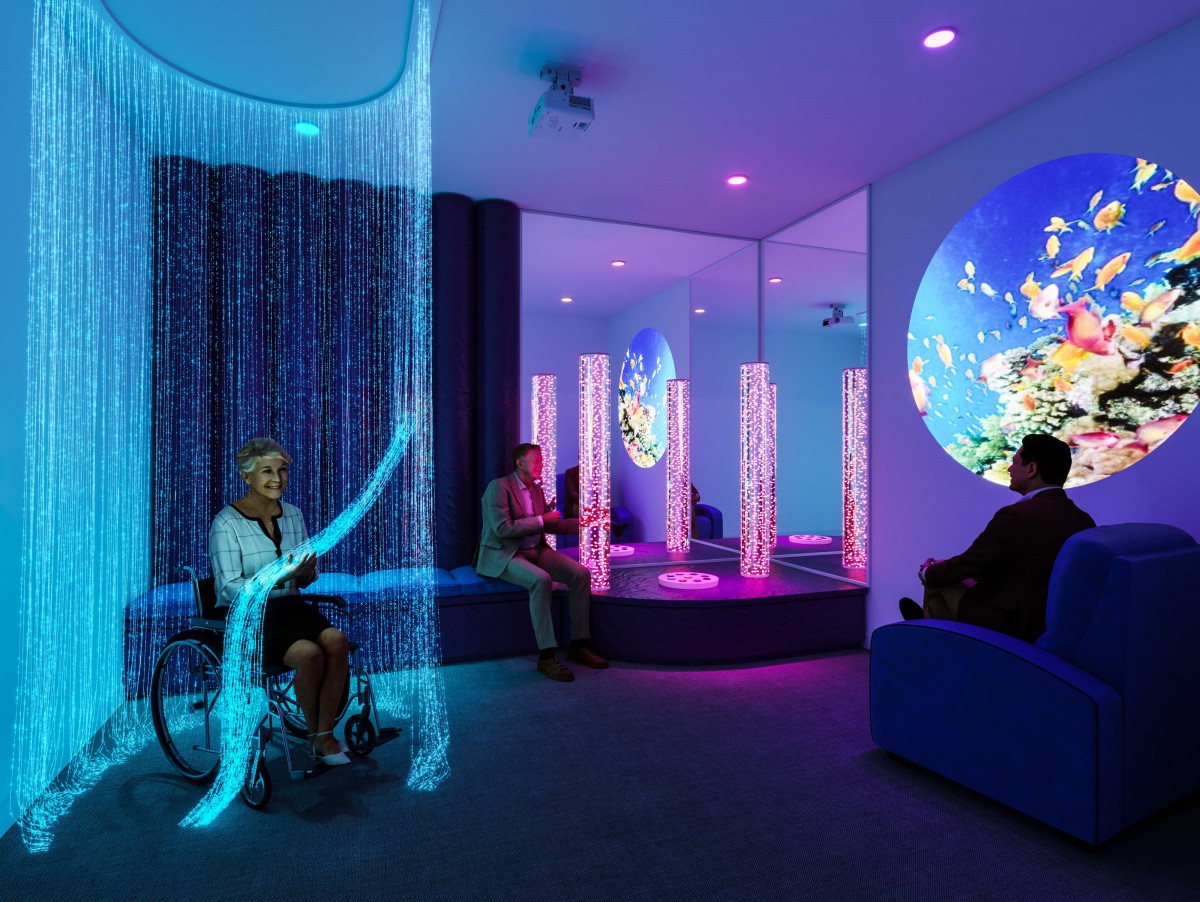
At Palm Beach Memory Care, the monthly costs for memory care services are notably higher than both the county and state averages. For a semi-private room, residents can expect to pay $6,600, which significantly exceeds the Palm Beach County average of $3,592 and the statewide average of $3,009. Similarly, for those opting for a studio unit, the cost is $8,600 - again well above the county's average of $4,274 and Florida's average of $3,823. These elevated prices reflect not only the premium facilities and specialized care offered at Palm Beach Memory Care but also highlight the increasing demand for high-quality memory care services in this region.
Floor plans
Palm Beach Memory Care
Palm Beach County
Florida
Semi-Private
$6,600
$3,592
$3,009
Studio
$8,600
$4,274
$3,823
Memory care communities with a similar price nearby
Residents and families repeatedly describe the staff as attentive and compassionate in day-to-day care.
Across reviews, families describe staff who greet people warmly, respond to concerns, and treat residents with patience and respect. Some also single out the nursing team and medication routines as areas where they feel confident. Even while one reviewer disputes the overall experience, many others contrast their loved ones’ adjustment and comfort with what they saw elsewhere.
common9 reviews mention this
Dining quality and variety stand out
Dining is frequently praised, with residents receiving non-cafeteria meals and multiple choices.
Many reviews say the food is good and specifically not cafeteria style, with meals described as prepared for residents rather than basic institutional fare. Families also mention the kitchen team and a chef by name when describing how residents are eating and enjoying meals. One review raises a concern about nutrition and snack options, but overall dining is one of the more consistently positive themes.
differentiator7 reviews mention this
Memory care programming feels structured
Reviews describe a memory-care approach that combines specialized programming with ongoing staff training.
Residents and families mention activity programming and dementia-focused support, including an emphasis on engaging residents throughout the day. Several reviewers also connect better outcomes—like improved adjustment, wellness, and mobility—to consistent caregiving and therapy involvement. The community’s care services and memory care positioning align with what families describe about person-centered routines.
common6 reviews mention this
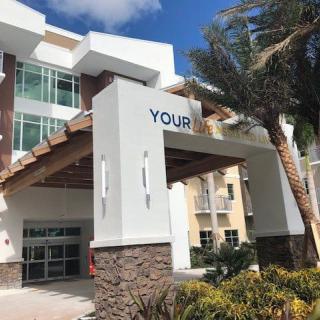
Facility design is bright and clean
Reviews frequently highlight a bright, clean environment with design details residents and families can see.
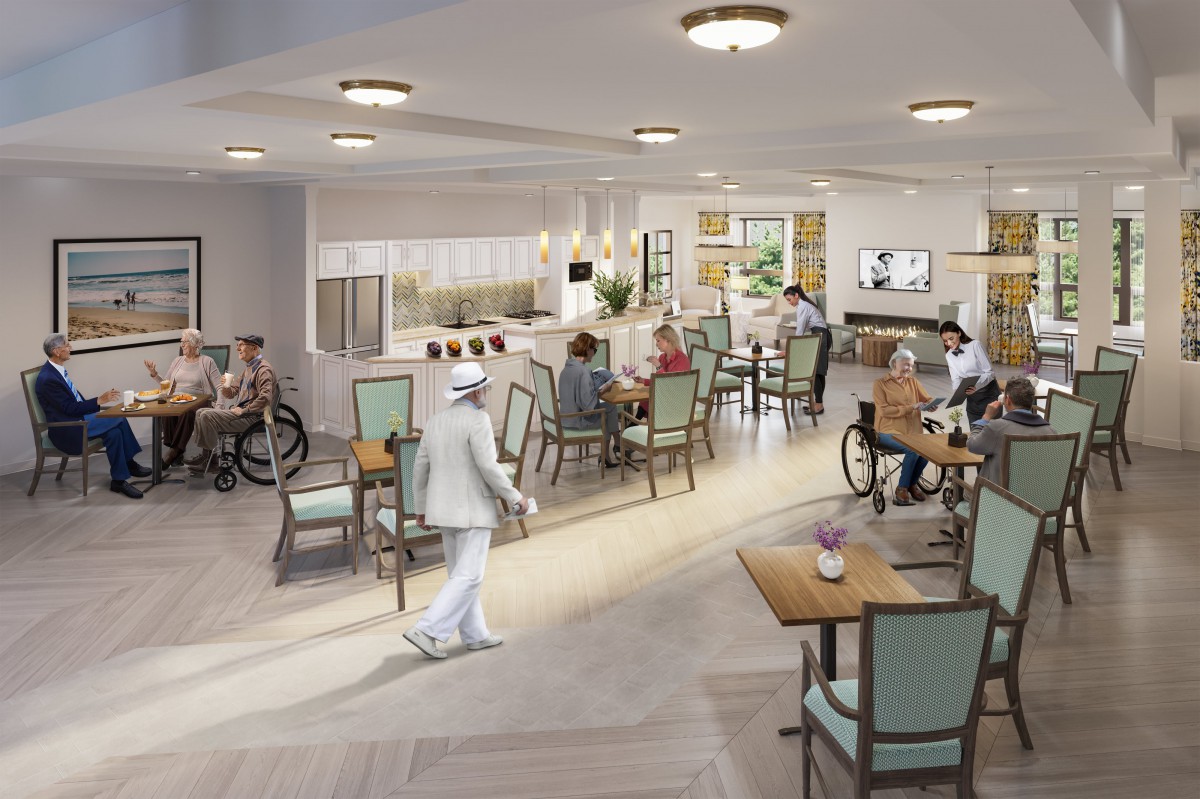
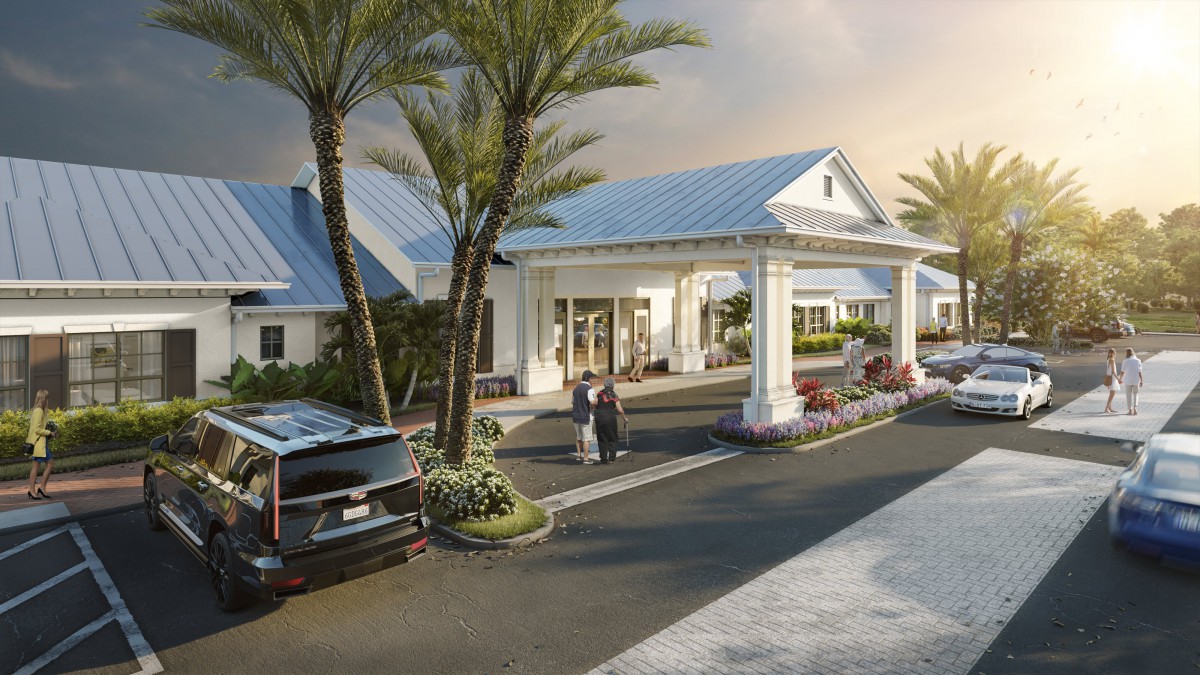
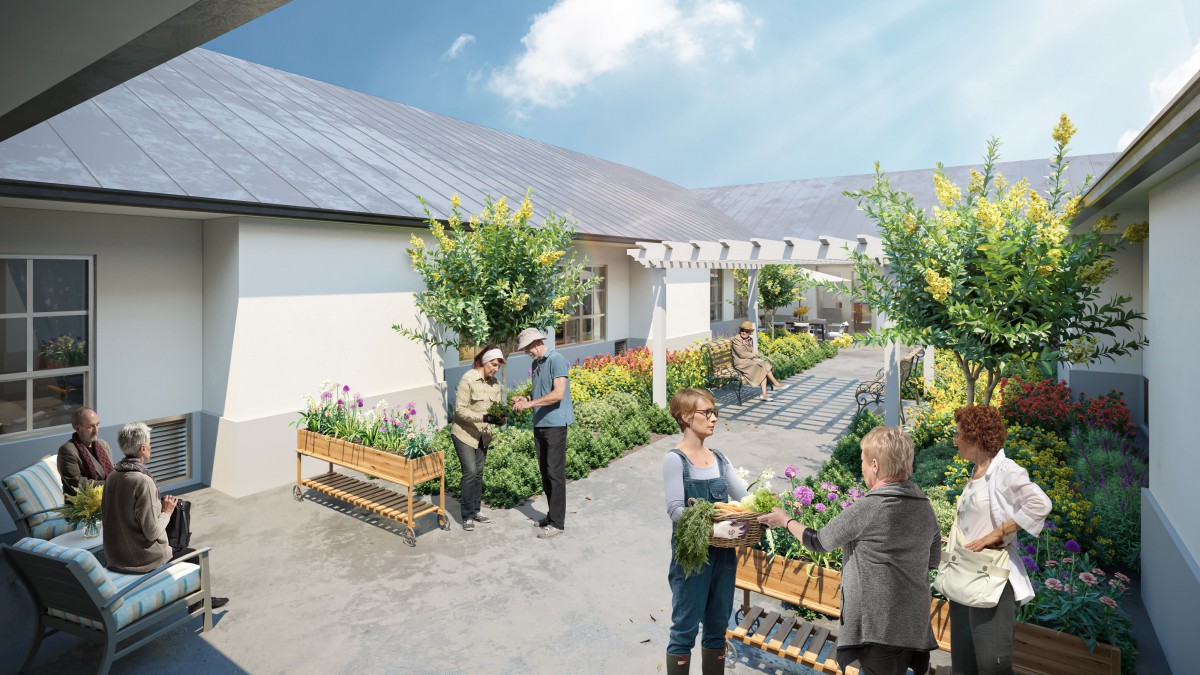
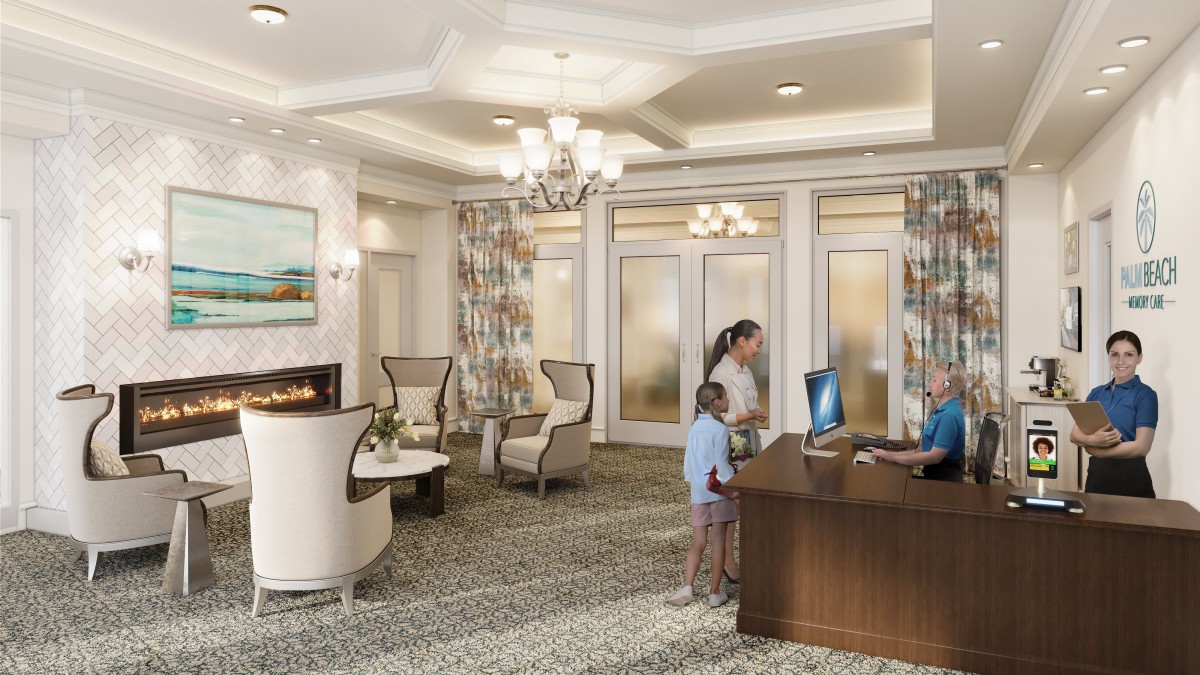
Multiple reviews describe the building as beautiful, new-feeling, and clean, with a bright atmosphere. Some point to layout details like interior courtyards and natural light as part of the impression during visits and ongoing stays. One reviewer also notes an acoustics problem in a main sitting area, which can make visiting harder due to noise.
caveat3 reviews mention this
Nutrition and training consistency get caveats
A few reviews raise concerns about nutrition and about consistency in staff training guidance.
One family reports disappointment with nutrition, saying meal offerings don’t match what they expected for the fees and describing snack choices. Another reviewer suggests improving consistency with staff training and shift-start instructions, pointing to a need for more standardized guidance. Separately, a review also flags soundproofing as an area that could make the main space more comfortable during visits.
common6 reviews mention this
Activities are varied and engaging
Residents are described as staying engaged through varied activities across the day.
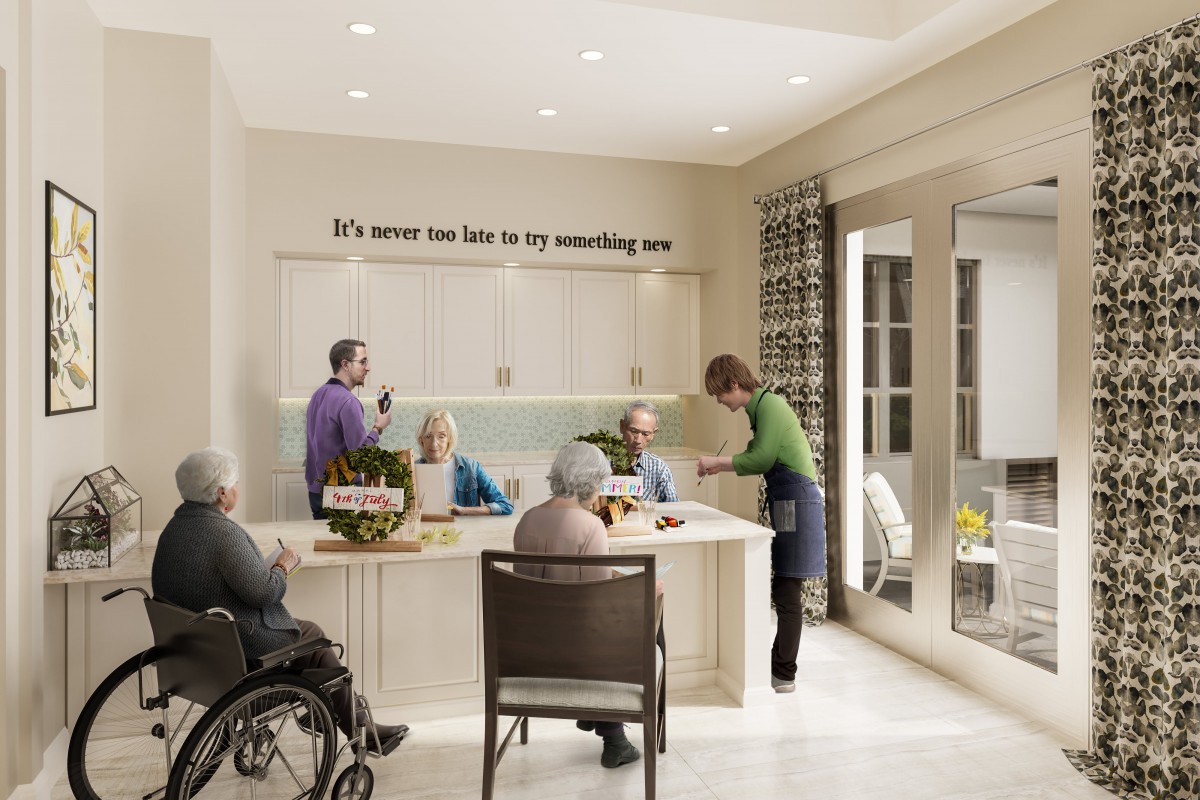
Families frequently mention activities that feel more than basic entertainment, including musical programming and other group options that help residents participate at their own pace. Several reviews also describe staff-led activities as a strength, with residents singing, dancing, or engaging in games and movement. This lines up with the on-site activities and themed programming the community offers, including classes and devotional activities.
How we summarize
Counts show how many written reviews mention each theme; a review can touch several themes, and only frequently mentioned themes are displayed.
Features
Housing
1-bedroom apartments
Studio apartments
Types of Care
Memory Care
Amenities
Activities on-site
Air-conditioning
Beautician on-site
Devotional services on-site
Dining room
Garden
Ground floor units
Housekeeping services
Indoor common areas
Outdoor common areas
Private bathrooms
Respite or short term stays offered
TV room
Wheelchair accessible showers
Wi-Fi/high-speed internet available
Transportation
Palm Beach International (11 miles away)
Transportation & parking
Care Services
Ambulatory care
Diabetic care
Incontinence care
Medication management
Dining
Low / no sodium
Meals provided
No Sugar
Professional chef
Special dining programs
Vegan
Activities
Activities off-site
Art classes
Brain fitness
Day trips and outings
Devotional activities on-site
Gardening club
Live dance or theater performances
Live musical performances
Stretching classes
Visiting Rabbi
Visiting chaplain or priest
Yoga / chair yoga
Nearby Places of Interest
This part of North Palm Beach, Florida offers a variety of amenities and services that cater to senior living. With several restaurants nearby such as The Honey Baked Ham Company and Sara's Kitchen, residents have plenty of dining options to choose from. Additionally, there are places of worship such as St Paul of the Cross Catholic Church and First Presbyterian Church for spiritual support. For medical needs, there are reputable physicians and pharmacies within close proximity, including Upledger Institute and CVS Pharmacy. In case of emergencies, Palm Beach Gardens Medical Center is conveniently located just 1.7 miles away. The area also features cafes like Papa Kwans and Starbucks for socializing with friends or enjoying a cup of coffee. Nature enthusiasts can explore nearby parks such as Juno Beach Ocean Park and Phil Foster Park for outdoor activities. Overall, this part of North Palm Beach provides a well-rounded community suitable for senior living.
Restaurants
The Honey Baked Ham Company (0.1 miles)
Stormhouse Brewing (0.1 miles)
Sara's Kitchen (0.4 miles)
Paris In Town Le Caf (0.4 miles)
Twisted Trunk Brewing (0.5 miles)
Duffy's Sports Grill (0.6 miles)
Carmine's La Trattoria (0.9 miles)
Places of Worship
St Paul of the Cross Catholic Church (0.8 miles)
First Presbyterian Church (1.5 miles)
Christ Fellowship (4.1 miles)
Physicians
Upledger Institute (0.8 miles)
Atlantis Orthopaedics (0.8 miles)
Midtown Imaging (0.9 miles)
Orthopaedic Care Specialists (1.3 miles)
OB/GYN Specialists of the Palm Beaches (1.4 miles)
Palm Health Partners (1.4 miles)
Tampa General/Cancer Center Of South Florida - Hematology/Oncology (1.5 miles)
At Palm Beach Memory Care, the monthly costs for memory care services are notably higher than both the county and state averages. For a semi-private room, residents can expect to pay $6,600, which significantly exceeds the Palm Beach County average of $3,592 and the statewide average of $3,009. Similarly, for those opting for a studio unit, the cost is $8,600 - again well above the county's average of $4,274 and Florida's average of $3,823. These elevated prices reflect not only the premium facilities and specialized care offered at Palm Beach Memory Care but also highlight the increasing demand for high-quality memory care services in this region.
Palm Beach Memory Care's medication management ensures that residents receive their prescribed medications accurately and on time, which is crucial for maintaining their overall health and stability. Incontinence care provides dignity and comfort to residents, alleviating the anxiety that can be associated with such challenges, allowing them to focus better on their daily activities and interactions. Additionally, brain fitness programs are designed to stimulate cognitive functions through engaging activities that promote mental sharpness and social interaction, empowering residents to retain skills and enhance their quality of life amidst the challenges of dementia or Alzheimer's disease. Together, these features create a supportive environment tailored to the unique needs of individuals facing memory-related issues.
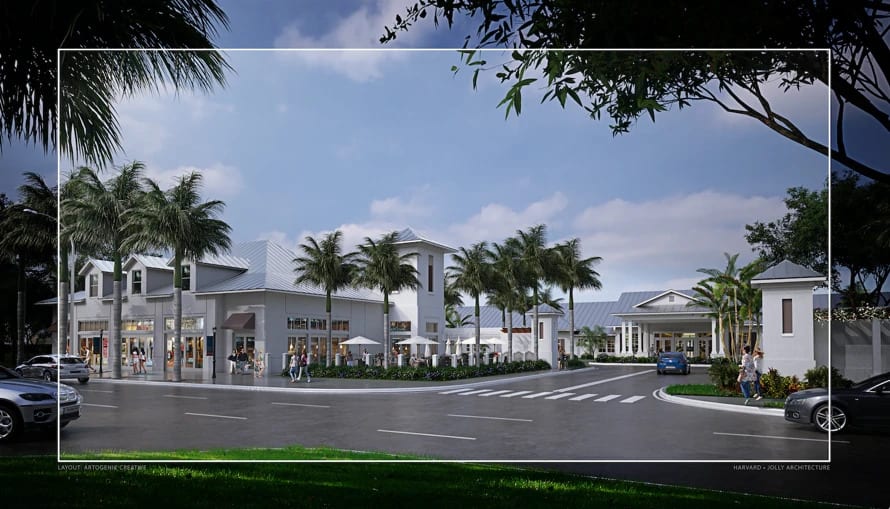
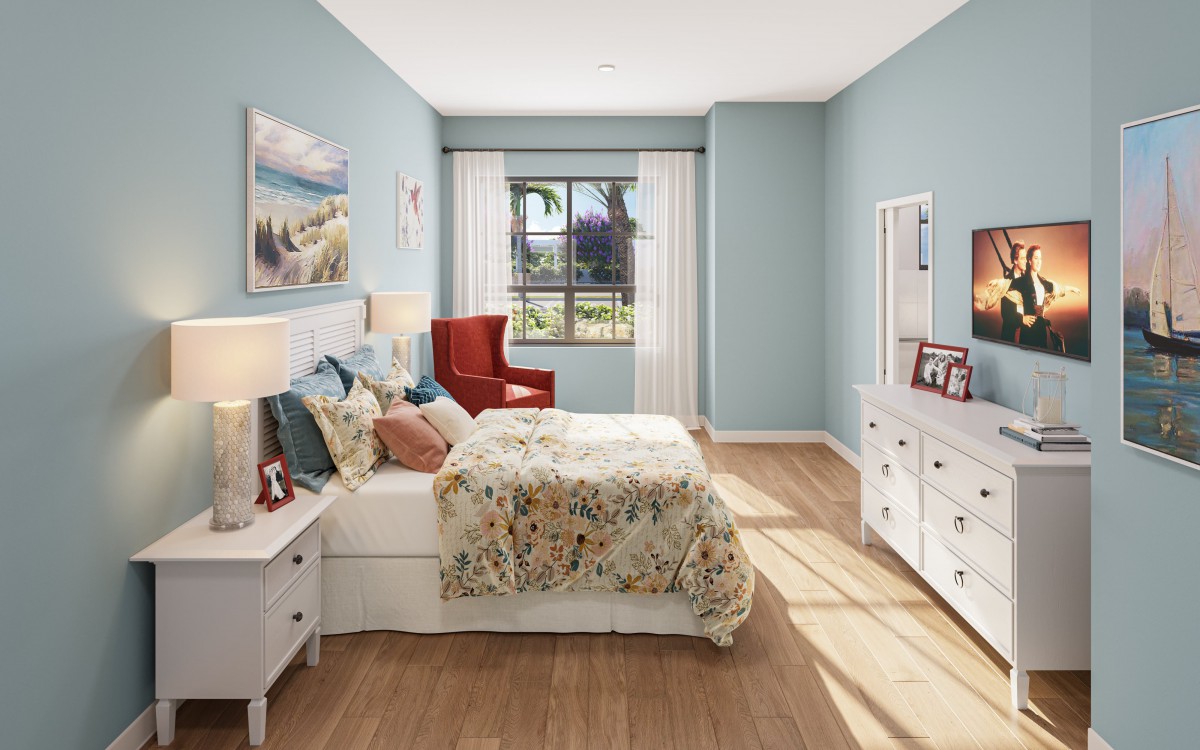
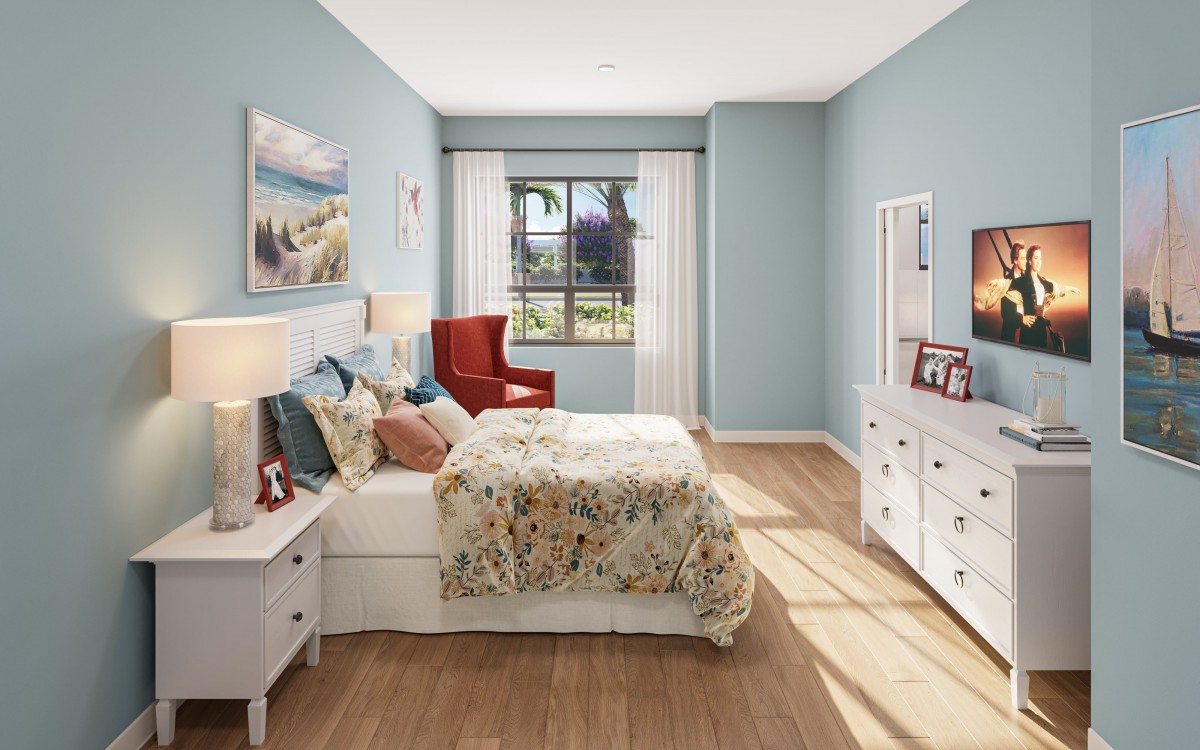
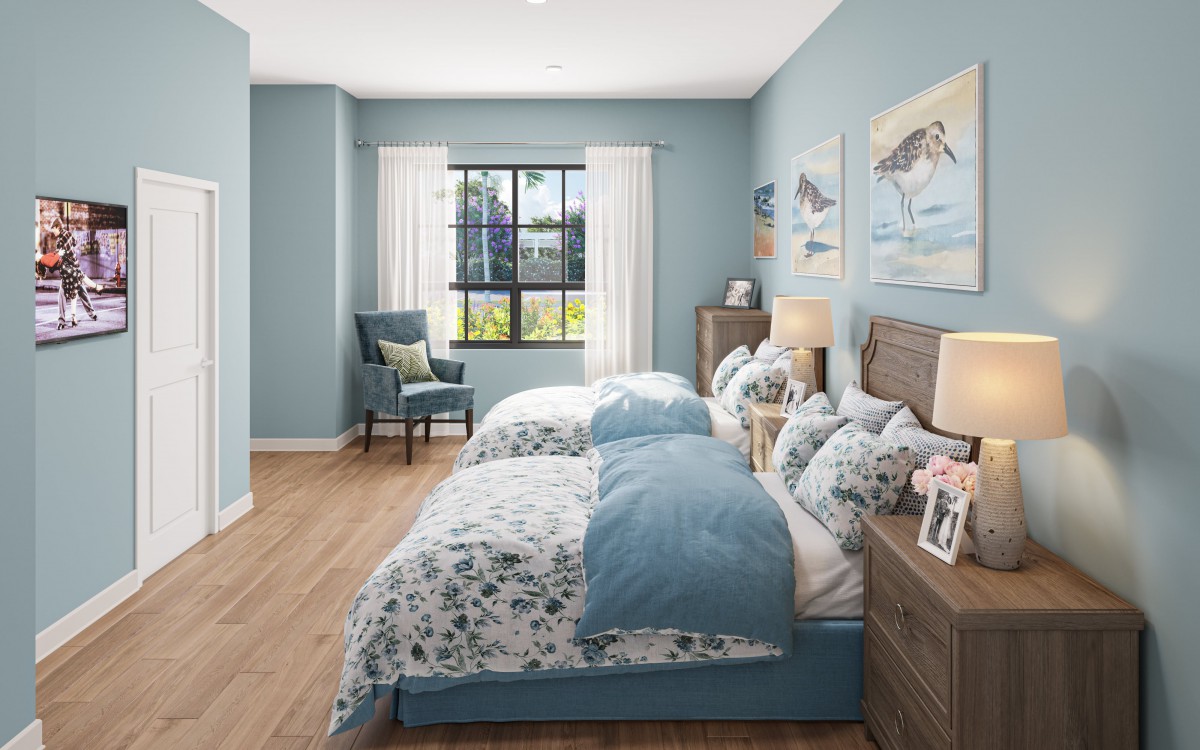
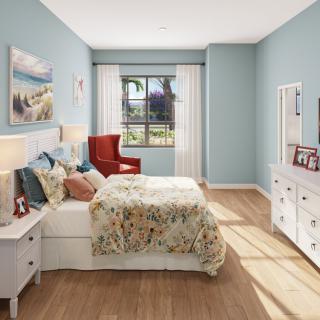
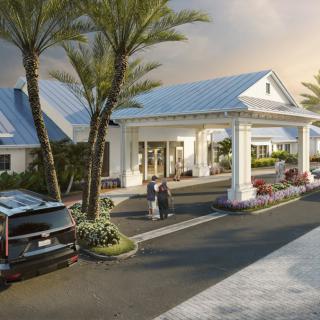
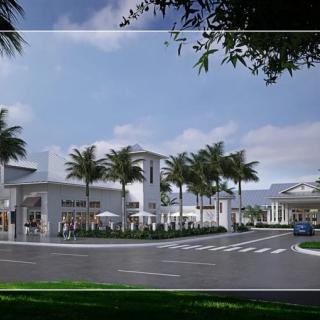
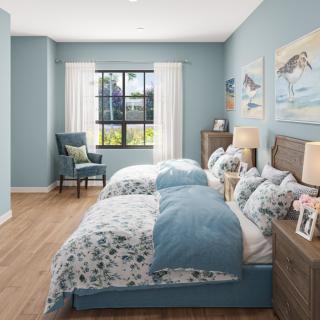
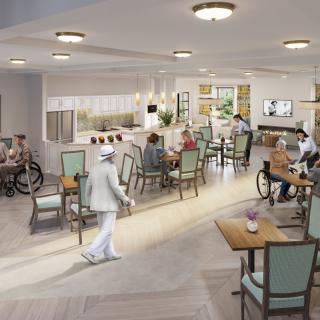
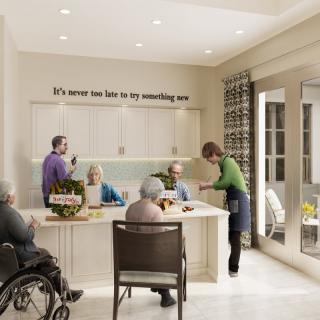
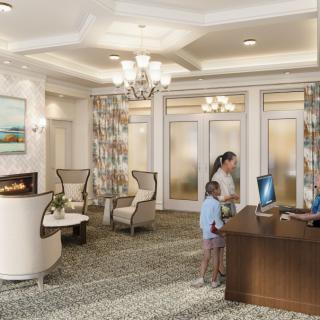
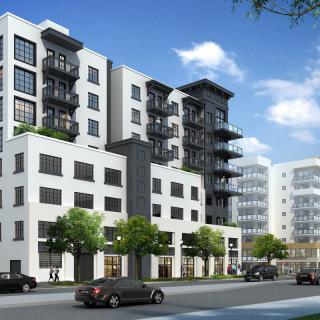
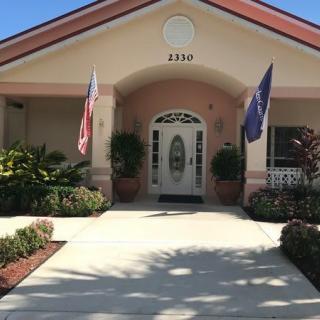
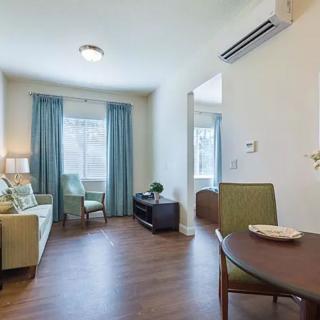
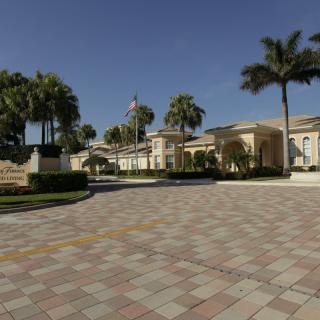
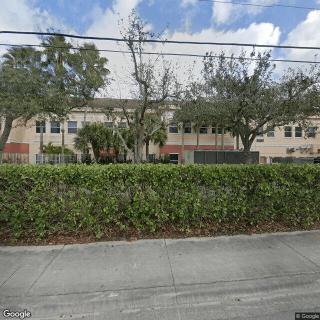
Palm Beach Memory Care on seniors.fyi includes 11 photos including images showing bedroom, interior, decor, building, architecture, palm trees, windows, dining, and more.
Nearby Communities
Exceptional Home Care of Florida
North Palm Beach, FL
4.9 from 33 reviews
Consistently present for scheduled visits and adhered to mask policy.
TheKey of North Palm Beach
North Palm Beach, FL
4.9 from 85 reviews
Convenient access to cafes, parks, healthcare facilities, restaurants, places of worship, and hospitals.
Senior Helpers - North Palm Beach, FL
West Palm Beach, FL
4.8 from 50 reviews
Compassionate, professional caregivers delivering personalized in-home care.
El Shaidai Home Care
North Palm Beach, FL
5 from 2 reviews
Nearby amenities and healthcare with personalized care.
Heartland Health Care Center Prosperity Oaks
Palm Beach Gardens, FL
1.8 from 10 reviews
Compassionate staff and strong PT/OT care.
Viamar Health Institutes Of The Palm Beaches I
North Palm Beach, FL
4.5 from 100 reviews
Small, intimate setting with personalized care and comprehensive services (ADL support, medication management, meals, and transportation) plus amenities such as garden, dining room, housekeeping, and Wi-Fi.
Emmanuel Care Assisted Living Facility
West Palm Beach, FL
4.6 from 5 reviews
$3,500 to $4,500 / month
Experienced staff with hands-on owner; warm, family-friendly environment.
The Madyson at Palm Beach Gardens
Palm Beach Gardens, FL
4.8 from 148 reviews
$5,050 to $7,450 / month
Friendly staff, engaging activities, and upscale amenities.
Chatsworth at PGA National
Palm Beach Gardens, FL
3.3 from 40 reviews
Compassionate nursing staff and therapists in a warm, well-maintained setting.
Memory care activities are essential for improving the quality of life of seniors with cognitive impairments, as they stimulate cognitive function, promote well-being, and encourage social interaction through tailored strategies. These activities combine structured exercises with spontaneous tasks, sensory engagement, physical workouts, creative pursuits, and intergenerational interactions to enhance emotional connection and a sense of purpose.
Transitioning from assisted living to memory care is driven by an individual's cognitive decline and specific needs, requiring careful evaluation of indicators like increased confusion and wandering. The process involves consulting medical professionals, researching suitable communities, considering financial and legal aspects, and ensuring effective communication for personalized care plans.
The article differentiates between assisted living and memory care, explaining that assisted living supports seniors with daily activities while promoting independence, whereas memory care provides specialized services for individuals with dementia, focusing on secure environments and cognitive support. It also addresses staff training, safety considerations, costs, family involvement, and transition strategies for families navigating these care options.
Get PricingAsk A QuestionSchedule A TourContact Senior Advisor
By clicking submit, you agree to our Partner's Terms of Use. You
also consent to receive calls and texts, which may be autodialed, from our Partner. Your consent is not a condition to
using our Partner's service. Please visit our Partner's Privacy Policy for information about their privacy practices.


 1-bedroom apartments
 Memory Care
 Activities on-site
 Air-conditioning
 Beautician on-site
 Devotional services on-site
 Dining room
 Garden
 Ground floor units
 Housekeeping services
 Indoor common areas
 Outdoor common areas
 Private bathrooms
 Respite or short term stays offered
 TV room
 Wheelchair accessible showers
 Wi-Fi/high-speed internet available
 Palm Beach International (11 miles away)
 Transportation & parking
 Ambulatory care
 Diabetic care
 Incontinence care
 Medication management
 Low / no sodium
 Art classes
 Brain fitness
 Day trips and outings
 Live dance or theater performances
 Live musical performances
 Stretching classes
 Visiting Rabbi
 Visiting chaplain or priest
 Consistently present for scheduled visits and adhered to mask policy.

 Engaging Memory Care Activities That Enhance Quality of Life
 When to Transition from Assisted Living to Memory Care: Key Indicators, Steps, and Finding the Right Community
 Understanding the Distinctions: Assisted Living and Memory Care Explained