

15505 SW 16 Lane, Miami, FL 33185
To contact a resident: (305) 228-8581
For more information about senior living options: (866) 208-4318
Sweet Living Facility Inc. Costs & Pricing
Sweet Living Facility Inc. offers competitive pricing for its residential accommodations, significantly undercutting both Miami-Dade County and Florida state averages. For a semi-private room, residents pay only $1,000 per month, a stark contrast to the county's average of $2,250 and the state average of $3,009. Similarly, the private room rate at Sweet Living Facility is $1,800, which is considerably lower than the county's average of $3,304 and the state's average of $3,699. This pricing strategy not only highlights Sweet Living Facility Inc.'s commitment to affordability but also positions it as an attractive option for individuals seeking quality care without the financial strain commonly associated with such facilities in the region.
| Floor plans | Sweet Living Facility Inc. | Miami-Dade County | Florida |
|---|---|---|---|
| Semi-Private | $1,000 | $2,250 | $3,009 |
| Private | $1,800 | $3,304 | $3,699 |
Memory care communities with a similar price nearby
-
About the same
Santa Flora Assisted Living Facility
$1,000 to $2,000 / month19.7 miles away -
from -$100 / mo
My Bells ALF
$900 to $2,700 / month13.5 miles away -
from -$100 / mo
Garden Valley Retirement Home
$900 to $1,500 / month14.3 miles away -
from +$100 / mo

Molina's Adult Care
$1,100 to $1,600 / month5.7 miles away -
About the same
Tiffany Assisted Living Facility
$1,000 to $1,500 / month11.8 miles away
Overall Review of Sweet Living Facility Inc.
Pros
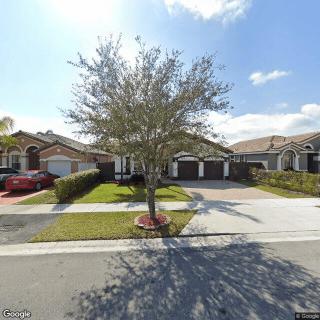
 The facility and rooms are beautiful.
- The entry has a beautiful look.
- The food is great and presented well.
- Nurse aides are fabulous.
- The staff treat seniors with great care, respect, and consideration.
- The owners are dedicated and caring, with a lot of patience.
- The facility keeps residents engaged with regular activities.
- Residents have a lot of fun there.
- The cleanliness is outstanding.
Cons
 The night staff are not trained properly.
- The poor care is mostly from the night staff.
- There are barely any activities provided in memory care.
- They do not encourage the residents.
- It is not at all what they had advertised it to be.
- There is only one caregiver for eight residents.
- The food could stand to be improved.
Review
Sweet Living Facility Inc. in Miami is best suited for seniors who prize a bright, well-kept environment and meals that feel thoughtful and well presented, alongside families who can take an active role in oversight to ensure promised care is actually delivered. The facility shows up visually in a way that signals respect and dignity: inviting common spaces, clean and comfortable rooms, and a dining program that earns praise for aroma and presentation. For residents who respond to social engagement during the day, the setting and activities, bingo, light aerobics, dances, and music, offer tangible value when staff are available and attentive. This community works best when daily life centers on warmth, courtesy, and a pleasant living experience as much as on clinical care.
Those who should consider alternatives are primarily families needing reliable, around-the-clock attention. A recurring refrain is that the night shift is unevenly trained and less capable of delivering consistent care, with daytime staff bearing the load to compensate. Memory care residents may encounter too few structured activities and insufficient encouragement, despite how the marketing described these programs. If the family cannot be present regularly to supervise and supplement staff efforts, gaps in care become more than a risk, they become a pattern. Prospective residents with higher acuity or a need for steady, predictable care should compare with facilities that offer stronger nurse aide-to-resident ratios and more durable, round-the-clock coverage.
On the upside, the facility’s aesthetics and culinary offerings stand out. The building and rooms present as welcoming, and meals are regularly praised for flavor and presentation, contributing to daily comfort. Several nurse aides demonstrate genuine warmth and reliability, creating bright moments for residents. The owners and leadership are consistently described as dedicated and patient, with a clearly active approach to programming and activities that keep residents engaged when staffing permits. Cleanliness is another strong thread in the feedback, and for some families, the social and sensory pleasures of daily routines translate into noticeable improvements in mood and engagement. Taken together, these elements form a core strength when staff capacity aligns with resident needs.
Yet these positives do not erase the core frustrations. Families report ongoing concerns about translating promises into dependable care, leaving them feeling compelled to stay involved to secure basic needs. Memory care, in particular, risks under-delivery of the advertised level of activity and stimulation, which can undermine quality of life for residents who rely on structured programs. Staffing gaps compound the issue: at times only a single caregiver oversees eight residents, a workload that tests even the most capable caregivers and raises the possibility of overlooked needs. Attempts to resolve issues through administration have not produced lasting changes, signaling that improvements require deeper commitments to staffing, scheduling discipline, and program development.
When the staff is fully engaged and properly supported, the strengths of Sweet Living Facility come into clearer focus. The combination of a pleasant environment, quality meals, and a genuinely caring daytime crew can deliver meaningful comfort and social benefit, especially for residents who thrive on routine and companionship. A well-run day program and consistent, affirming interactions make a real difference in daily happiness. However, the weight of the cons, the inconsistent night coverage and under-resourced memory care, can overwhelm these strengths if not addressed, particularly for families unable to supervise in person. The decision hinges on risk tolerance and the ability to secure additional support, whether through private aides or a stronger system-wide staffing plan.
Practically, Sweet Living Facility Inc. is a solid option for families seeking a home-like, well-maintained setting with genuine daily pleasures, sound meals, music, and social activity, paired with a responsive, if inconsistent, day staff. It is less suitable for residents who require steady, high-touch care every hour or for memory-care residents who need robust, structured programming and reliable night coverage without family oversight. For those who can align with an active oversight approach and insist on ongoing governance of care standards, this community can meet the core objective of dignified living. For others, exploring options with firmer staffing guarantees and more aggressive memory-care programming is prudent.
 Board and Care Home
 Day Program
 Memory Care
 Private
 Miami International (10 miles away)



 Exploring the Contrasts Between Assisted Living and Skilled Nursing
 Vibrant Senior Living: A Comprehensive Guide for Active Older Adults
 Assisted Living and Memory Care: Understanding Their Core Differences