
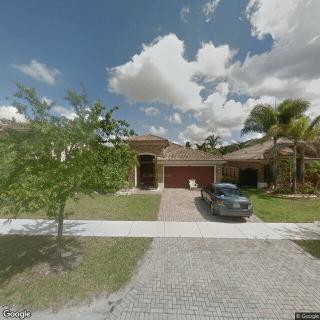
15342 South West 16Th Terrace, Miami, FL 33185
For more information about senior living options: (866) 208-4318
Overall Review of Miramar Senior Living III
Pros
 There are no positive statements in the review.
Cons
 The service is horrible.
- The owners do not care about the elderly.
- It’s all about the money for them.
- One should not put a loved one there.
- People will regret it.
Review
Miramar Senior Living III in Miami is best suited for families chasing the lowest possible monthly cost and willing to accept care that may feel secondary to administrative priorities. The sole review paints a stark picture: owners who appear indifferent to the needs of residents and a culture centered on profit rather than protection. For seniors who require consistent, compassionate daily help, this community is not a fit. For families facing limited options in a competitive market, the option could be considered only as a last resort after exhausting stronger alternatives. In practical terms, budget realities do not justify compromising safety, dignity, and reliable responsiveness.
Smart buyers narrow their search to facilities with proven governance, transparent billing, and steady staffing. Alternatives should demonstrate a culture that treats residents as people, not numbers. Those with medical fragility or mobility challenges should prioritize communities that can provide reliable assistance, detailed care plans, and timely escalation when needs shift. If cost remains a factor, seek value built on adequate staffing and strong caregiver oversight, not mystery discounts. Prospective residents deserve to see current references, tour multiple times, and compare state inspection histories. A careful, apples-to-apples comparison is the only way to avoid repeating a bad experience.
The core red flags in the review are stark: service described as horrible, and owners described as uncaring and money-focused. That combination poisons every aspect of daily life, meal service, hygiene, mobility assistance, medication management, and safety supervision. When leadership appears to place profit above resident welfare, response times lag, problems go unresolved, and dignity erodes. Families should expect timely help with dressing, bathing, reminders to take medications, and protection against hazards. Without a caregiving culture that treats elders with respect, the risk to vulnerable residents becomes unmanageable, and the entire community's atmosphere suffers.
From the available information, there are no credible positives to balance these concerns. The absence of documented strengths in staffing, programming, or resident satisfaction means the reported issues cannot be outweighed. Location or price alone do not redeem the risk of neglect or poor governance. In practical terms, the deal collapses when care quality is uncertain, when administration signals indifference, and when families cannot rely on a transparent, accountable operation.
To avoid a repeat of this experience elsewhere, evaluate contenders with a rigorous playbook. Ask for current staff ratios, turnover rates, and who handles clinical oversight. Request a tour that includes meal times, activities, and bed-check routines. Pull state inspection reports, deficiency letters, and any fire or safety citations, and verify corrective actions. Interview several staff members, not just the administrator, about response times and training. Review care plans and billing structures to ensure services promised are actually delivered and clearly priced. Finally, contact current residents’ families for candid insights about daily living and long-term satisfaction.
Bottom line: Miramar Senior Living III does not present a trustworthy option for seniors who require dependable care and respectful treatment. Families should redirect toward communities with demonstrated caregiving cultures, stable leadership, and transparent operations. Start with a short list of well-rated options, schedule comprehensive tours, and demand candor about fees, staffing, and safety. When a facility can show consistent staffing, responsive management, and positive resident feedback, that is the sign to commit. Until then, prioritize alternatives where residents come first and accountability is built into every level of service.
 6 resident community capacity
 Assisted Living
 Board and Care Home
 Respite Care
 Cable or satellite TV
 Dining room
 Fully furnished
 Garden
 Housekeeping services
 Move-in coordination
 Outdoor space
 Telephone
 Wi-Fi/high-speed internet available
 Miami International (10 miles away)
 24-hour supervision
 Activities of daily living assistance
 Assistance with bathing
 Assistance with dressing
 Assistance with transfers
 Diabetes diet
 Meal preparation and service
 Medication management
 Special dietary restrictions
 Transportation arrangement (medical)
 Transportation to doctors appointments




 Assisted Living and Memory Care: Understanding Their Core Differences
 Beyond the Bingo Hall: 50+ Enriching Activities for Seniors in Assisted Living
 Understanding the Distinctions: Assisted Living and Memory Care Explained