
1813 South West 150Th Place, Miami, FL 33185
For more information about senior living options: (866) 208-4318
Overall Review of Our Family Assisted Living Facility II
Pros
 The AFL Family Living Assistant is great.
- The facility provides excellent care for the elderly.
- The staff are welcoming, sweet, and caring to residents and their families.
- The home is clean and well maintained.
- It offers home-cooked food and a family-like service.
- Our Family Assistant Living Facility II is highly recommended to others.
Review
This community is best suited for families seeking a small, home-like environment where elders receive attentive, personal care from a close-knit team led by a hands-on owner. Our Family Assisted Living Facility II excels when a senior benefits from continuity, warm relationships with caregivers who know their routines, preferences, and medical notes, and when a home atmosphere with home-cooked meals and natural, family-style service reduces the stress of transition. The setting feels like a true family home rather than a sterile institution, and that quotient of warmth translates into steady daily rhythms, predictable check-ins, and a sense of belonging for both resident and relatives. For older adults who prefer privacy coupled with personal hand-holding support, this is a compelling match.
However, this option may not be ideal for seniors requiring high-acuity medical oversight or complex therapies that demand a larger staff and more formal infrastructure. Families seeking extensive programming, concierge-level activities, or robust professional memory-care services may find the footprint of a smaller, family-run home limiting. If round-the-clock nursing supervision, access to on-site specialists, or a wider range of therapies are priorities, alternatives in larger assisted living campuses or specialized memory-care facilities may offer more comprehensive clinical coverage. Similarly, those with budget constraints or scheduling pressures should assess long-term affordability and care continuity to ensure the choice remains viable over time.
On balance, the key advantages center on relationships, cleanliness, and culinary comfort. The owner is described as welcoming and hands-on, with staff who respond with decisiveness and warmth, creating peace of mind for families. The home is consistently clean and well maintained, reinforcing safety and dignity for residents. The daily lived experience, home-cooked meals, a family-like cadence, and attentive, individualized care, translates into fewer friction points and a smoother adaptation for someone leaving a private home. In short, the environment emphasizes relational care as a core value, not a transactional, checklist-based approach.
Given the intimate scale, there are natural trade-offs. The facility may have fewer on-site clinical resources than a larger community, which can limit immediate access to advanced medical equipment or a wide roster of on-site therapies. Activity schedules may be more intimate and less expansive, with fewer big-group outings or specialized programs. For residents who require intensive memory care, 24/7 nursing, or rapid escalation of medical needs, the smaller setting may require more coordination with external providers and family. These potential gaps are not failures, but realities to acknowledge when planning a move.
Yet the offset is substantial. Personal attention from the owner and consistent staff translates to rapid response, genuine familiarity with medical histories, and a living environment that minimizes confusion and agitation. Cleanliness and routine create a predictable daily life, which is a major stability factor for many seniors. The meals and home-like ambiance deliver comfort that often eclipses the benefits of a larger, more clinical atmosphere. For families, the peace of mind comes from knowing the elder is not just cared for, but cared about, every day, in a setting where each staff member treats residents like family.
Bottom line: this community is a strong, practical choice for seniors who value intimate, respectful care delivered in a warm, domestic setting. It works best when the priority is emotional security, reliable daily care, and a supportive network for family members. Alternatives should be on the table for those needing heavy clinical oversight, a broader activity calendar, or specialized memory-care programs. Prospective residents and families should visit, observe interactions, and inquire about care planning, staffing patterns, and meal options to confirm alignment with needs and budget. When matched well, this home-style AFL delivers dependable quality with a comforting, lived-in feel.
 6 resident community capacity
 Assisted Living
 Board and Care Home
 Cable or satellite TV
 Dining room
 Fully furnished
 Garden
 Housekeeping services
 Move-in coordination
 Outdoor space
 Telephone
 Wi-Fi/high-speed internet available
 Miami International (10 miles away)
 24-hour supervision
 Activities of daily living assistance
 Assistance with bathing
 Assistance with dressing
 Assistance with transfers
 Diabetes diet
 Meal preparation and service
 Medication management
 Special dietary restrictions
 Transportation arrangement (medical)
 Transportation to doctors appointments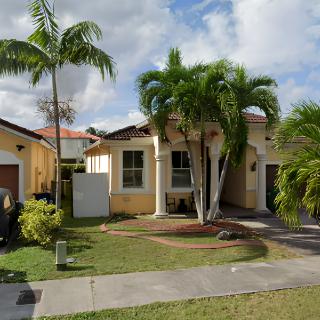




 Medicare Coverage for Assisted Living: An In-Depth Exploration
 Choosing the Right Senior Care: A Detailed Exploration of Assisted Living and Nursing Homes
 Understanding the True Cost of Assisted Living in 2025: A Comprehensive Guide