
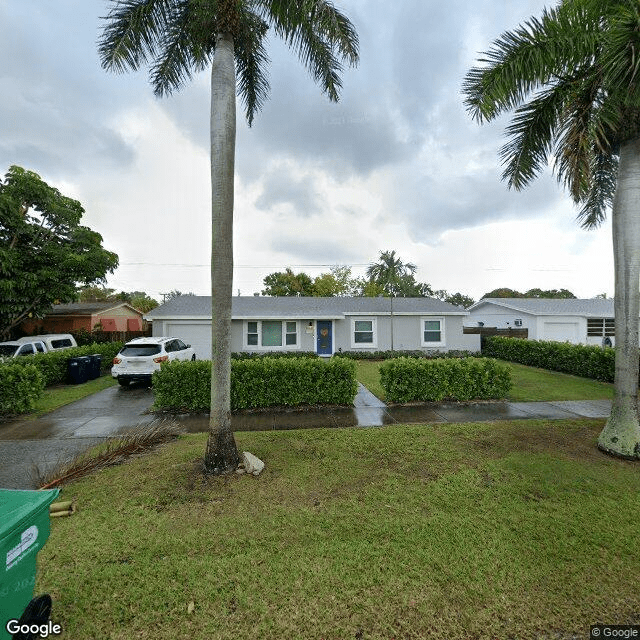
19431 Franjo Road, Miami, FL 33157
To contact a resident: (786) 837-1569
For more information about senior living options: (866) 208-4318
Rebull Family Care Inc. Costs & Pricing
Rebull Family Care Inc. offers competitive pricing for its services, particularly when compared to both Miami-Dade County and the broader state of Florida. For semi-private accommodations, Rebull charges $1,200 per month, significantly lower than the county's average of $2,250 and the state's average of $3,009. Similarly, their private room rate of $2,000 also stands in stark contrast to Miami-Dade County's average of $3,304 and Florida's overall average of $3,699. This pricing structure not only highlights Rebull Family Care Inc.'s commitment to affordability but also positions it as an attractive option for families seeking quality care without the financial burden often associated with similar services in the region.
| Floor plans | Rebull Family Care Inc. | Miami-Dade County | Florida |
|---|---|---|---|
| Semi-Private | $1,200 | $2,250 | $3,009 |
| Private | $2,000 | $3,304 | $3,699 |
Memory care communities with a similar price nearby
-
from +$100 / mo

Caring for You #1 Assisted Living Facility, INC
$1,300 / month13.0 miles away -
About the same
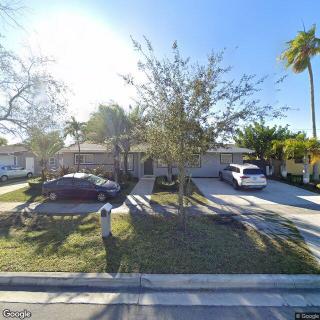
Marina ALF, INC
$1,200 to $2,000 / month0.6 miles away -
from -$200 / mo
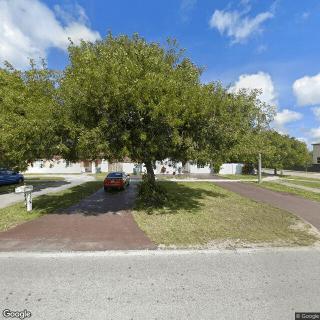
Santa Flora Assisted Living Facility
$1,000 to $2,000 / month12.7 miles away -
from +$200 / mo
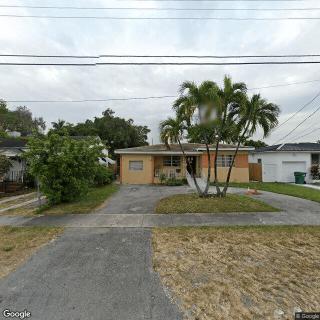
Gonzalez & Sons Home Care
$1,400 to $2,500 / month13.2 miles away -
from +$200 / mo
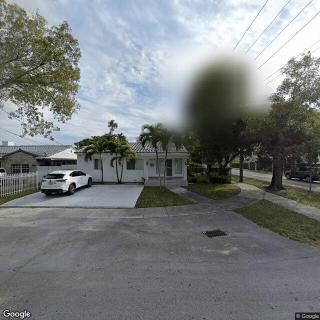
Gonzalez & Sons Home Care II
$1,400 to $2,500 / month13.4 miles away
Overall Review of Rebull Family Care Inc.
Pros
 Rebull Family Care is described as a very nice, clean place with staff that seem very friendly.
- It is viewed as a place that others looking into senior care might enjoy seeing.
- The reviews indicate that things have gone very well with Rebull Family Care.
Cons
 Professional care is very poor.
- Food is very poor.
- There is no licensed attendant, and when they know an inspection is coming they bring someone licensed.
- Monday through Saturday two persons attend, and on paper there are three.
- At night only one person attends, and this person is not capable of helping herself to get up if she falls on the floor.
- They are constantly changing personnel.
- No activities for the patients, but they have activity tools just to pretend in display.
Review
Rebull Family Care Inc. in Miami reads best for families seeking a clean, home‑like setting where staff friendliness and a well‑kept environment are strong positives, and where daily life can proceed without the pressure of high medical escalation on site. It is a practical option for seniors who do not require around‑the‑clock, highly specialized clinical oversight, and who are comfortable coordinating additional care outside the facility if needed. The place may feel reassuring on appearance and tone, but the care profile that emerges from multiple reviews suggests a gap between pleasant surroundings and consistent clinical reliability.
Those who should seriously consider alternatives include families prioritizing licensed, predictable on‑site care and robust daily programming. If the senior requires steady, licensed staffing coverage, clear staffing ratios, and a consistently professional level of medical or rehabilitative support, Rebull Family Care may fall short. Other options should also be explored by families who want reliably nutritious meals, a structured activities calendar, and ongoing, transparent reporting of care quality. In short, this community appears better suited for lower‑acuity needs or for households prepared to supplement with external services.
A clear strength centers on the atmosphere and staff demeanor. Several reviewers describe Rebull Family Care as a neat, clean facility with friendly staff, and this kind of environment can meaningfully reduce stress and foster a sense of safety and welcome. For a resident who values civil, approachable interactions and a calm, orderly living space, these elements translate into tangible daily comfort. The perceived warmth of the team can support social engagement and routine in the short term, helping a resident settle in and feel at home during the first weeks.
However, the dominant concerns circle around clinical and operational gaps. Reported issues include a lack of licensed coverage on site, with allegations that unlicensed attendants are used unless an inspection is imminent, questionable staffing numbers across shifts, and rapid caregiver turnover. Night staffing is described as lean, sometimes leaving residents with insufficient hands to assist when needed. The critique extends to activities, with claims that purposeful programming exists mostly in display rather than in meaningful engagement, and to nutrition, with notes that meals are not up to expected standards. Taken together, these factors point to real risks for residents who need timely medical attention, safe transfers, and engaging, ongoing programming.
The key question for families is whether the positive, low‑stress living environment can compensate for those clinical vulnerabilities. For some, it might. The comfort of a clean, pleasant setting and a friendly, approachable team can reduce anxiety, improve mood, and support daily routines when medical needs are modest. For others, especially those with diabetes, heart conditions, mobility challenges, or rehab goals, the gaps in licensed care and staffing reliability can translate into delayed responses, insufficient supervision, and limited activity that could hinder progress or well‑being over time. In this calculus, the pros offset only modestly, enough to justify a visit, but not enough to eliminate serious cautions.
To proceed thoughtfully, families should use a disciplined evaluation plan. During tours, request current staffing ratios by shift, ask for the license status of all direct care workers, and review how often licensed personnel are present. Demand a look at the menu and meal service, and ask for recent activity calendars or examples of a resident’s daily schedule to verify meaningful engagement. Seek to see recent incident reports and ask about how care questions are escalated and documented. If choosing Rebull, insist on measurable expectations for staffing consistency, a concrete plan to improve licensed coverage, and a trial period with scheduled check‑ins to confirm progress. This approach ensures that the decision aligns with the resident’s needs and risk tolerance.
In the end, Rebull Family Care Inc. offers a reassuringly tidy, friendly environment that can support a comfortable, low‑stress living experience for seniors who don’t require intensive on‑site medical management. For families where clinical oversight, reliable staffing, and robust, purposeful programming are non‑negotiable, alternatives will likely be a better fit. If the choice lands here, approach with clear, concrete expectations, insist on transparent reporting, and monitor closely. The right outcome hinges on balancing the welcoming atmosphere with the rigor of care that the senior’s health and independence truly require.
 Board and Care Home
 Day Program
 Memory Care
 Beautician on-site
 Devotional services off-site
 Private
 Respite or short term stays offered
 Wheelchair accessible showers
 Miami International (15 miles away)
 Ambulatory care
 Diabetic care
 High acuity care
 Incontinence care
 Medication management
 Meals provided



 Comprehensive Guide to VA Nursing Homes: A Crucial Long-Term Care Resource for Veterans
 Estimating the Expenses of At-Home Dementia Care: A Detailed Exploration
 Comprehensive Insights on the Late Stages of Dementia: What to Expect and How to Provide Care