
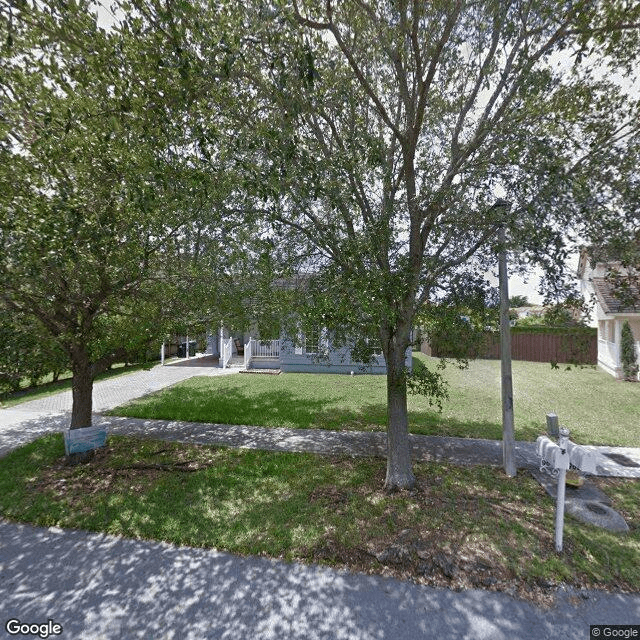
9640 Southwest 161 Place, Miami, FL 33196
To contact a resident: (305) 385-2927
For more information about senior living options: (866) 208-4318
Mom & Daughter Home Care Assisted Living Facility, Inc Costs & Pricing
Mom & Daughter Home Care Assisted Living Facility, Inc. offers a semi-private room at a monthly cost of $2,500. This pricing is competitive within Miami-Dade County, where the average cost for similar accommodations is approximately $2,250. However, it remains more affordable than the statewide average in Florida, which stands at around $3,009 for semi-private living arrangements. Overall, Mom & Daughter provides an appealing option for families seeking quality care that balances both comfort and value within the local market.
| Floor plans | Mom & Daughter Home Care Assisted Living Facility, Inc | Miami-Dade County | Florida |
|---|---|---|---|
| Semi-Private | $2,500 | $2,250 | $3,009 |
Memory care communities with a similar price nearby
-
About the same
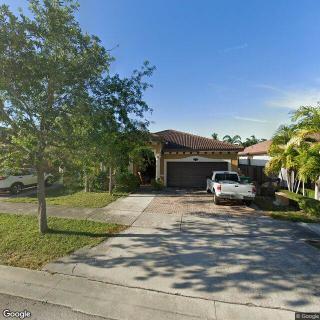
La Casita Nuestra Home
$2,500 to $3,500 / month5.1 miles away -
from -$280 / mo

Miami Jewish Home & Hospital for the Aged
$2,220 to $7,500 / month19.4 miles away -
from -$200 / mo
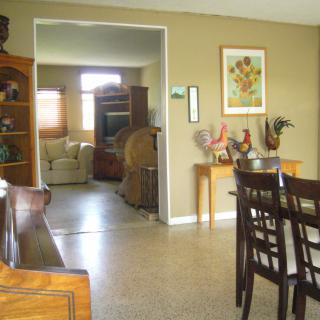
La Caridad Del Cobre ALF
$2,300 to $3,000 / month10.3 miles away -
from -$100 / mo

Kendall Gardens Assisted Living Facility
$2,400 to $3,200 / month7.9 miles away -
from +$250 / mo

Palace Gardens
$2,750 to $6,900 / month13.9 miles away
Overall Review of Mom & Daughter Home Care Assisted Living Facility, Inc
Pros
 The facility is described as an incredible place with good energy and care.
- The staff are truly committed to caring for residents, with Marlen singled out for love and dedication that works miracles.
- The staff and owners are praised for helping families navigate the admission process.
- The patients are said to look well taken care of and happy.
- The home is described as clean and cozy.
- The reviewers express that they are glad the business is doing well.
Cons
 Residents' family members and assisting mobile nursing staff are wrongfully parking their cars in the green area across from the ALF.
- This parking is destroying and disfiguring both county and private property.
Review
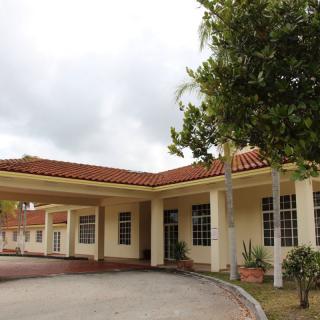
This community is best suited for families seeking a warm, intimate, home-like assisted living option in Miami where daily care feels personal and unobtrusive. It fits residents who do not require heavy clinical oversight or a large campus of amenities, but who value a small, close-knit team that can respond quickly to daily needs with genuine warmth. The setting is ideal for those who prioritize dignity, personalized attention, and an atmosphere that feels more like a welcoming house than a corporate facility. For families who expect extensive medical programming, memory-care specialization, or a sprawling activity calendar, alternatives with larger staff rosters and more formal programming will likely be a better match.
On the upside, the standout strength here is the caregiving culture. Reviews spotlight a staff so dedicated that residents seem to thrive on the personal attention they receive. Specific caregivers are highlighted for the difference they make, with comments that care feels heartfelt and consistent, and that staff treat residents with patience, respect, and real affection. The owners are described as actively supportive, with families noting they help navigate admissions and stay engaged in ensuring a smooth transition from hospital or other settings. This isn’t a facility built on flashy amenities; it’s a place where relationships and reliability carry real weight.
The living environment is consistently praised as clean, cozy, and welcoming. The house-like ambience and the energetic, caring atmosphere contribute to a sense of comfort that makes the transition easier for both residents and their families. Several accounts emphasize how quickly new arrivals are greeted with warmth by staff, how well the residents appear to be cared for, and how quickly the whole process, often initiated from hospital discharge, feels manageable. The immediacy of the human touch is a recurring theme: families feel seen, heard, and involved, which is a meaningful asset when navigating the anxiety that accompanies aging and health changes.
The clearest drawback in the available feedback centers on logistics around parking and front-area use. Neighbors have voiced frustration about cars belonging to visiting relatives and mobile nursing staff, which points to limited on-site space and a need for clearer traffic planning. This is not about care quality but about practical constraints that can affect overall satisfaction and neighbor relations. The property would benefit from a concrete plan to expand or reconfigure the front area to accommodate essential visits while preserving curb appeal and safety. Until such adjustments occur, visitors should anticipate potential friction and plan visits accordingly.
Despite the parking hiccup, the pros, genuine caregiver devotion, a small-scale, homey setting, and a proactive, supportive ownership, tend to outweigh the cons for many families. The intimate size fosters frequent one-on-one attention and a sense of continuity that larger facilities struggle to deliver. For families who want to witness daily interactions and form bonds with staff, this environment delivers a level of accessibility and reassurance that can translate into sustained quality of life for residents. The key trade-off is straightforward: if convenience and breadth of programming matter more than personal connection and a domestic atmosphere, alternatives will feel more comfortable. If personal touch and a lived-in sense of community trump rank-and-file amenities, this is a compelling choice.
In sum, this Miami haven is a strong option for families prioritizing warmth, attentiveness, and a home-like vibe over grand amenities or heavy medical support. It earns its credibility from care teams that are repeatedly described as loving and committed, paired with an environment that feels clean, hospitable, and easy to integrate with family life. Prospective buyers should, however, weigh the parking and space constraints against the desire for a small, intimate setting. For those who are comfortable with a more individualized, caregiver-driven approach and who can adapt to a compact front area, the fit is meaningful and likely to deliver meaningful continuity of care for a loved one.
 Board and Care Home
 Day Program
 Memory Care
 Miami International (13 miles away)




 8 Important Indicators That Memory Care May Be Necessary
 Delving into the Inner World of Dementia: Insights into Thoughts and Awareness
 Five Subtle Dementia Indicators to Observe: An In-Depth Guide to Understanding “Does My Mom Have Dementia?”