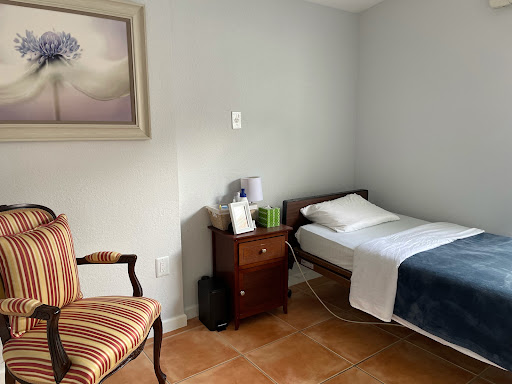
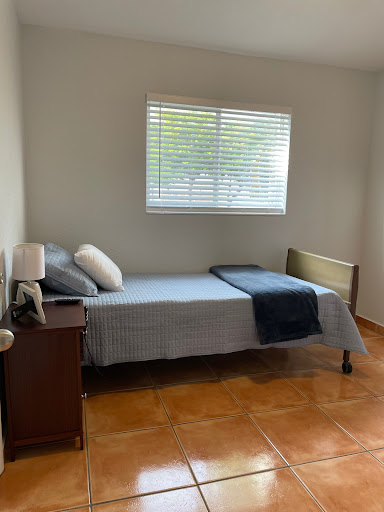
Casa de Paz offers a competitive pricing structure for its private rooms, with a monthly cost of $2,600. This rate is significantly lower than the average costs within Miami-Dade County, which stands at approximately $3,304 per month, and noticeably more economical than the broader state average in Florida, currently at $3,699. By providing quality accommodations at this lower price point, Casa de Paz presents an attractive option for individuals seeking affordable living solutions without compromising on comfort or care.
Floor plans
Casa de Paz
Miami-Dade County
Florida
Private
$2,600
$3,304
$3,699
Memory care communities with a similar price nearby
Casa de Paz is described as faith-centered with room for different beliefs.
Two reviews describe the community as run by members of an evangelical church while still welcoming residents who have any religious belief or none. Reviews also tie the experience to Hispanic cultural roots in food, entertainment, and daily attention. This matches the on-site devotional activities the community offers.
caveat7 reviews mention this
Safety and communication concerns
Residents and families raise serious concerns about safety and incident follow-up.
Multiple reviews describe neglect-related issues, including unexplained injuries, bruising, and residents left unattended. Several families say they did not receive clear explanations, incident reports, or documentation after events, and they describe poor communication when they asked questions. One review also describes a lack of transparency and follow-up as unacceptable for a place meant to keep residents safe.
caveat6 reviews mention this
Food quality and meal transparency
Dining experiences are mixed, with several reports of low-quality food.
Several reviews criticize meals as degrading or low quality, and a few mention concerns such as expired-looking food or even pests near dining surfaces. Some families also say the weekly menu felt misleading compared with what residents actually received. One resident report is more positive, saying the food is good, and the community states it provides meals.
caveat3 reviews mention this
Limited resident activities and engagement
Reviews describe limited activities and low day-to-day engagement.
A few reviews say residents had little to no activities, with people largely staying seated for long stretches. Another reviewer says that if residents want activities, they have to make arrangements for themselves, even though there is some exercise and a visitor who talks with them. This theme aligns with how residents characterize engagement as inconsistent.
caveat6 reviews mention this
Cleanliness and overall upkeep
Many reviewers comment on cleanliness, with conflicting experiences across visits.
Some reviews describe the environment as dirty or poorly maintained, including pests and unpleasant conditions in dining areas. Other reviews are more favorable, mentioning organization and cleanliness, and several describe good attention along with clean surroundings. Taken together, reviewers do not agree on the consistency of the upkeep.
caveat16 reviews mention this
Staffing responsiveness and professionalism
Reviews reflect major differences in how staff are viewed and how responsive they feel.
On the negative side, multiple reviewers describe unprofessional behavior, lack of training, and poor attentiveness, including being on phones rather than checking on residents. Several also report dismissiveness or not having information when families asked follow-up questions. On the positive side, other reviews praise staff and care as exceptional, and one resident describes the people there as very nice.
How we summarize
Counts show how many written reviews mention each theme; a review can touch several themes, and only frequently mentioned themes are displayed.
Features
Types of Care
Board and Care Home
Memory Care
Amenities
Activities off-site
Activities on-site
Devotional services on-site
Indoor common areas
Outdoor common areas
Private
Private bathrooms
Respite or short term stays offered
Wheelchair accessible showers
Transportation
Miami International (5 miles away)
Care Services
Ambulatory care
Diabetic care
Incontinence care
Medication management
Dining
Meals provided
Activities
Activities off-site
Activities on-site
Devotional activities on-site
Nearby Places of Interest
This part of Miami, Florida offers a variety of amenities and services that cater to residents looking for convenience and accessibility. There are several pharmacies within close proximity, such as Walgreens and CVS Pharmacy, making it easy for seniors to access their medications. In terms of dining options, there is a selection of restaurants including Olive Garden and Flanigan's Seafood Bar & Grill for those who enjoy dining out. Parks like Tropical Park and Southern Estates Park provide opportunities for outdoor recreation and relaxation. Additionally, there are places of worship nearby for spiritual needs. The presence of medical facilities like Nicklaus Children's Hospital and Baptist Health Miami Cancer Institute ensures access to quality healthcare. Overall, this area offers a blend of practical amenities and recreational options that make it suitable for senior living.
Casa de Paz offers a competitive pricing structure for its private rooms, with a monthly cost of $2,600. This rate is significantly lower than the average costs within Miami-Dade County, which stands at approximately $3,304 per month, and noticeably more economical than the broader state average in Florida, currently at $3,699. By providing quality accommodations at this lower price point, Casa de Paz presents an attractive option for individuals seeking affordable living solutions without compromising on comfort or care.
Medication management at Casa de Paz ensures that residents receive their prescribed medications accurately and on time, minimizing the risk of missed doses or harmful interactions, which is particularly crucial for those with dementia or Alzheimer's disease who may have difficulty remembering medication schedules. This structured approach helps stabilize their condition and enhances their overall well-being. Additionally, incontinence care provides compassionate support for residents facing this common challenge associated with cognitive decline. By addressing hygiene needs discreetly and respectfully, staff members help maintain dignity and comfort, fostering a nurturing environment that alleviates stress and anxiety for both residents and their families. Together, these features contribute to a holistic care model that promotes health, safety, and quality of life for individuals navigating the complexities of memory loss.
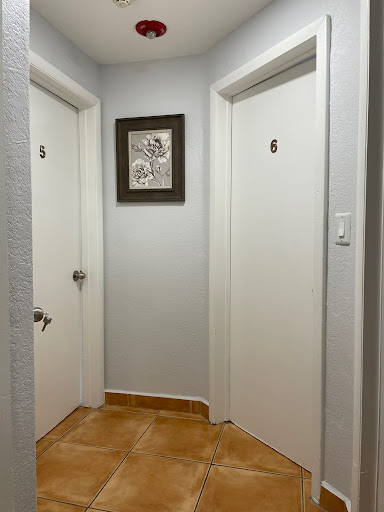
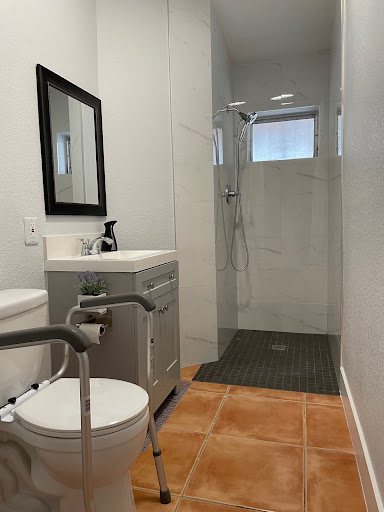
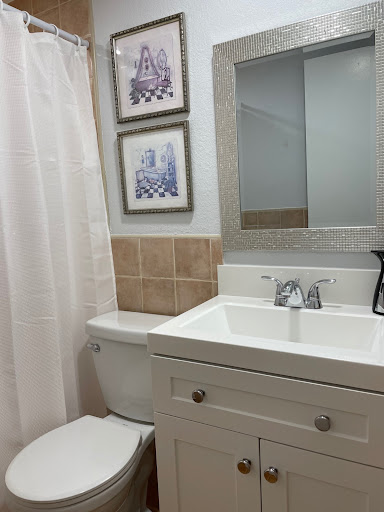
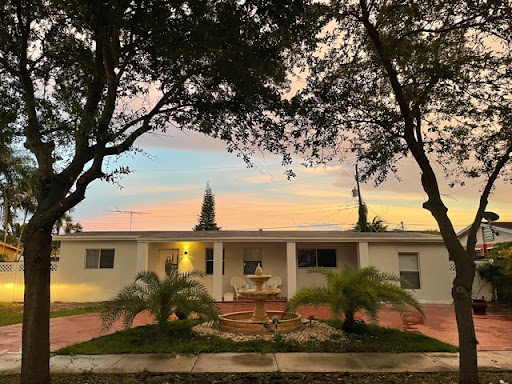
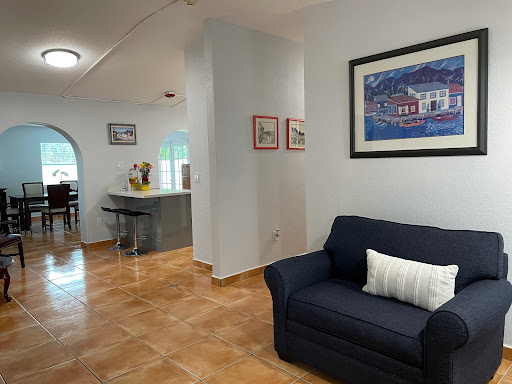
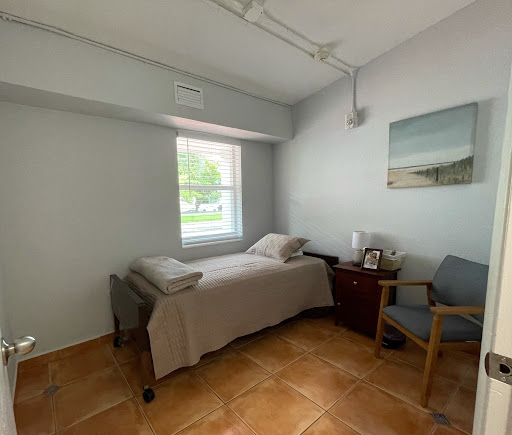
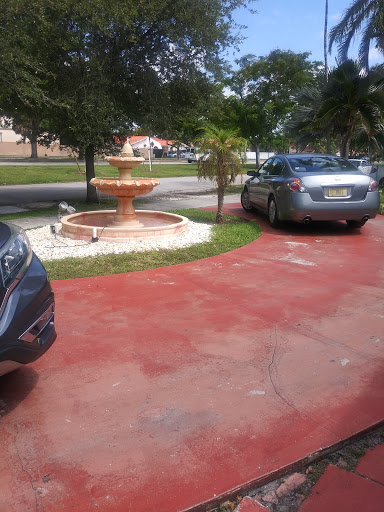
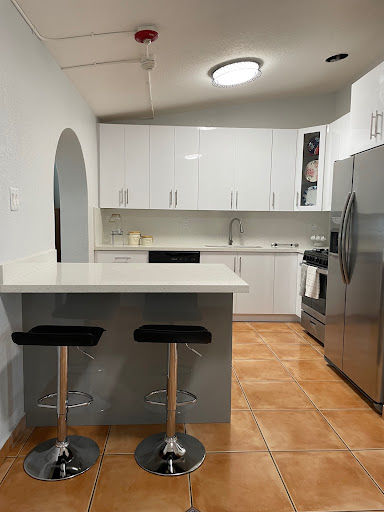
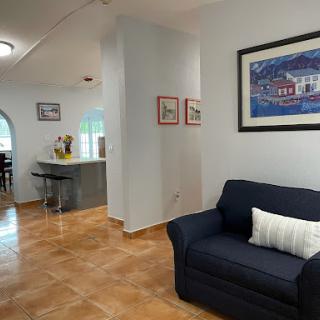
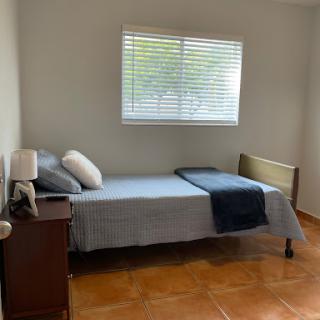
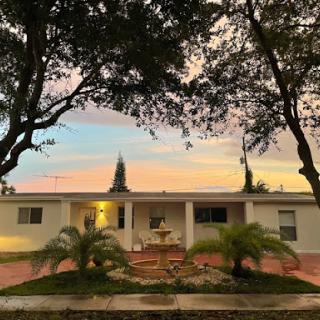
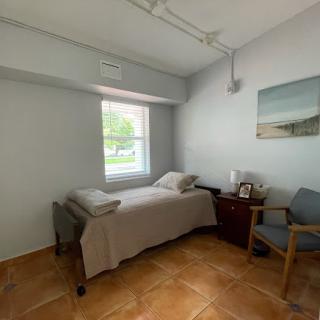
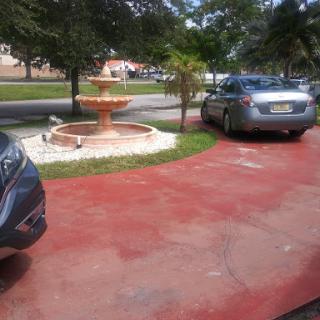
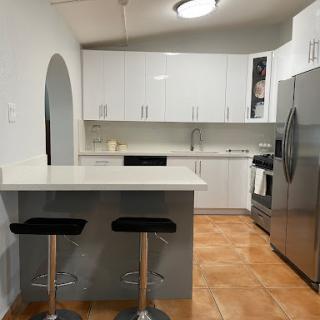
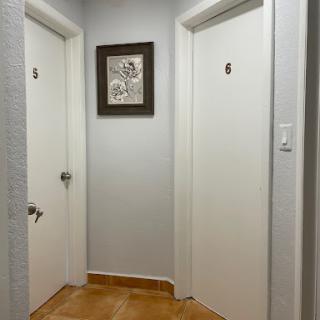
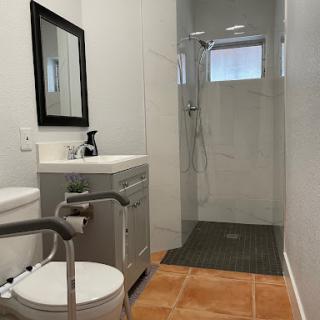
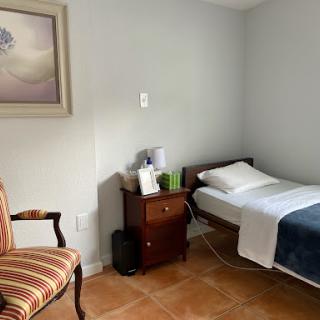
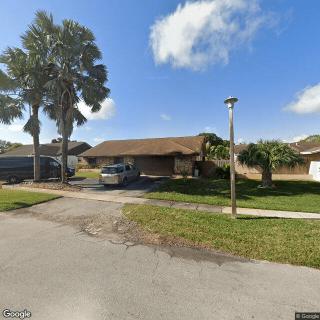
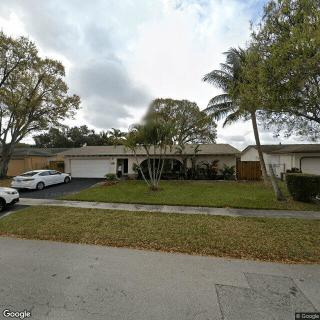
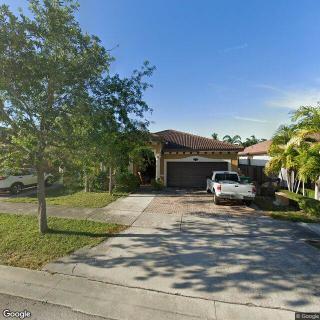
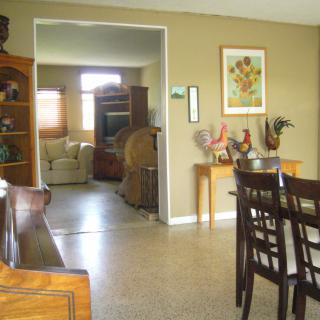
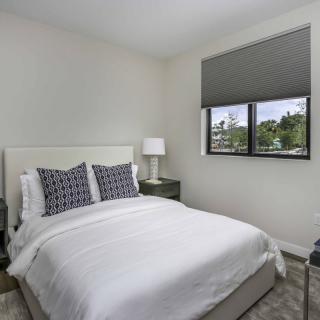
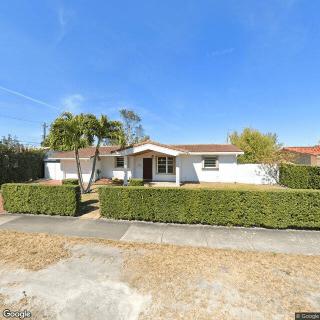
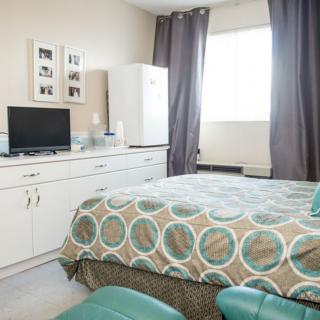
Casa de Paz on seniors.fyi includes 11 photos including images showing bathroom, interior, bedroom, artwork, landscaping, minimalist, outdoor, decor, and more.
Nearby Communities
Casa De Paz - ALF
Miami, FL
3.5 from 19 reviews
Small, intimate ALF with personalized care and comprehensive services (medication management, ADL assistance, meals, transport, diabetes diet).
Our Mercy Residence
Miami, FL
$1,500 to $2,200 / month
Small, intimate community enabling personalized care; competitive pricing.
The Contemporary Miami
Miami, FL
4.8 from 73 reviews
Luxurious, fully furnished apartments with comprehensive care and active amenities.
M Trianas - ALF
Miami, FL
5 from 6 reviews
$3,600 to $6,245 / month
Fully furnished apartments with dining, housekeeping, medication management, and transportation coordination.
Sun Coast
Miami, FL
Welcoming, clean, home-like setting with personalized care and engaging activities.
Lucy's Home Care
Miami, FL
Home-like setting with 24-hour supervision, ADL assistance, diabetes-friendly meals, and care coordination.
Palace At Kendall
Miami, FL
4.7 from 173 reviews
$3,400 to $5,750 / month
Excellent amenities, attentive staff, strong sense of community and quality dining.
Residential Plaza at Blue Lagoon
Miami, FL
4.5 from 39 reviews
$3,700 to $4,000 / month
Friendly staff, clean facilities, spacious rooms, and a wide range of on-site amenities and activities.
Mirabelle
Miami, FL
4.8 from 130 reviews
$5,535 to $8,245 / month
Friendly, attentive staff; clean facilities; spacious apartments with engaging activities.
The article presents five subtle indicators of dementia, such as memory lapses and mood swings, to help families assess cognitive decline in loved ones. It emphasizes early detection, open communication, and seeking professional help while providing practical support steps.
Dementia encompasses progressive neurological disorders that impair cognitive functions and can lead to paranoia due to cognitive decline and emotional changes. The article discusses the triggers of paranoia in dementia, caregiver strategies for managing it, and the importance of distinguishing between dementia-related paranoia and other psychiatric conditions.
Memory care activities are essential for improving the quality of life of seniors with cognitive impairments, as they stimulate cognitive function, promote well-being, and encourage social interaction through tailored strategies. These activities combine structured exercises with spontaneous tasks, sensory engagement, physical workouts, creative pursuits, and intergenerational interactions to enhance emotional connection and a sense of purpose.
Get PricingAsk A QuestionSchedule A TourContact Senior Advisor
By clicking submit, you agree to our Partner's Terms of Use. You
also consent to receive calls and texts, which may be autodialed, from our Partner. Your consent is not a condition to
using our Partner's service. Please visit our Partner's Privacy Policy for information about their privacy practices.


 Board and Care Home
 Memory Care
 Activities off-site
 Devotional services on-site
 Indoor common areas
 Outdoor common areas
 Private
 Private bathrooms
 Respite or short term stays offered
 Wheelchair accessible showers
 Miami International (5 miles away)
 Ambulatory care
 Diabetic care
 Incontinence care
 Medication management
 Meals provided
 Small, intimate ALF with personalized care and comprehensive services (medication management, ADL assistance, meals, transport, diabetes diet).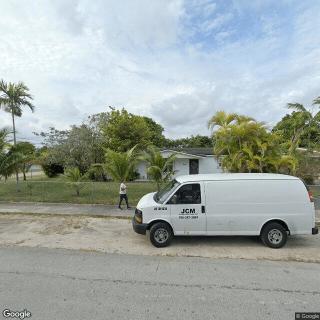


 Five Subtle Dementia Indicators to Observe: An In-Depth Guide to Understanding “Does My Mom Have Dementia?”
 Dementia, Paranoia, and Caregiver Guidance: Understanding the Connection
 Engaging Memory Care Activities That Enhance Quality of Life