
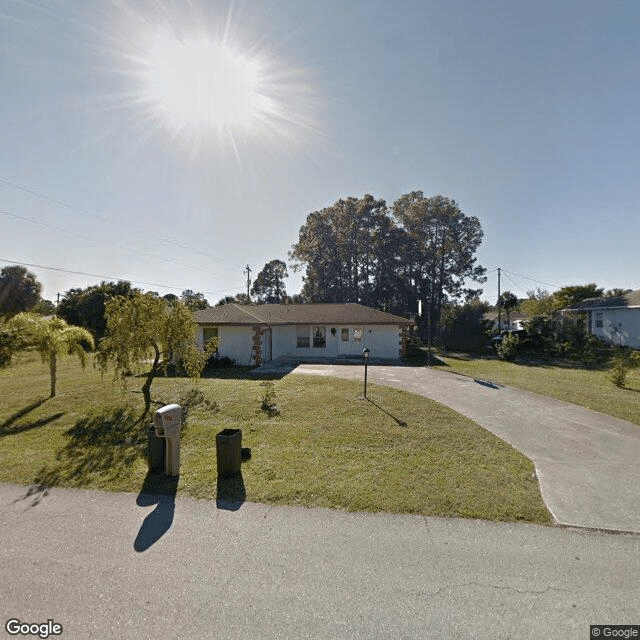
1902 E 6th Street, Lehigh Acres, FL 33936
To contact a resident: (239) 368-9538
For more information about senior living options: (866) 208-4318
Megzie Russell AFCH Costs & Pricing
At Megzie Russell AFCH, the monthly costs for accommodations reflect a competitive pricing structure compared to both Lee County and statewide averages in Florida. For instance, a semi-private room is priced at $2,000, notably lower than the Lee County average of $3,538 and the state average of $3,009. Similarly, a one-bedroom suite is available for $3,000, which is more economical than both the county's $4,049 and Florida's $3,864. For those seeking private living arrangements, Megzie Russell offers this option at $3,500 - again undercutting Lee County's average of $4,293 while remaining slightly above Florida's state rate of $3,699. Overall, these pricing strategies position Megzie Russell AFCH as an appealing choice for individuals seeking quality care without the higher expenses often associated with similar facilities.
| Floor plans | Megzie Russell AFCH | Lee County | Florida |
|---|---|---|---|
| Semi-Private | $2,000 | $3,538 | $3,009 |
| 1 Bedroom | $3,000 | $4,049 | $3,864 |
| Private | $3,500 | $4,293 | $3,699 |
Memory care communities with a similar price nearby
-
from +$300 / mo
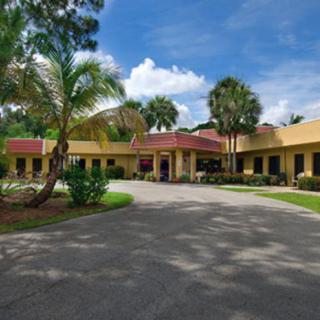
Noble Senior Living at Fort Myers
$2,300 to $3,800 / month17.4 miles away -
from -$100 / mo
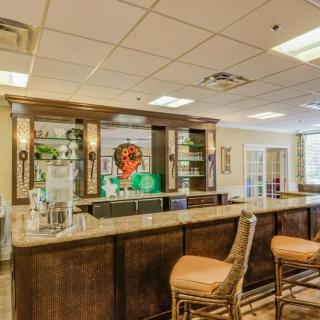
Merrill Gardens At Barkley Place
$1,900 to $2,950 / month17.3 miles away -
from +$395 / mo
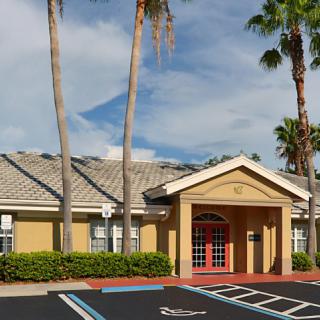
Pacifica Senior Living Fort Myers
$2,395 to $3,195 / month20.7 miles away -
About the same
Joyful Life Assisted Living, Inc.
$2,000 to $3,200 / month23.2 miles away
Overall Review of Megzie Russell AFCH
Pros
 The facility is small, warm, and friendly.
- Megzie's home has been wonderful for his father.
- Megzie's home is reasonably priced.
- The staff at Megzie's home are wonderful and very helpful.
- She maintains high standards for patients’ appearance and cleanliness.
- Compared to other facilities, Megzie's home provides much better care.
Cons
 The reviewer claims the facility killed their father due to greed, ignorance, and neglect, noting there was no skilled nursing and that medication was not given.
- The reviewer alleges Megzie would coerce families to sign over POA and their loved one’s phone, demand instant payment, and prevent any contact or knowledge of the loved one’s condition.
- The reviewer warns that one would never see the loved one again or know their condition or if they were relocated.
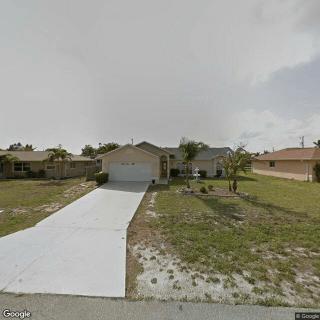
- The reviewer describes the property as frightening, with two destroyed cars in the yard and three wood sheds, in a jungle-like setting, and says their father died there.
- The reviewer states, “This is not a place you could take your dog.”
Review
Megzie Russell AFCH in Lehigh Acres is best suited for families seeking a small, home-like setting where an elderly loved one can receive steady, highly personal attention rather than clinical care. The arrangement appeals to those who value intimate daily oversight, rigorous hygiene, and a caregiver who treats appearance and routines with special care, attributes that can make life calmer for someone with Alzheimer’s when medical demands are light. In essence, this is not a hospital-like facility; it operates as a single-family home adapted to care for a handful of residents, where the caregiver’s day-to-day involvement dictates the rhythm of care.
That focus comes with clear caveats. The model does not provide skilled nursing, so residents needing insulin management, wound care, or other medical procedures require a setting that offers licensed medical oversight. Potential red flags include claims of financial pressure, loss of family access, and a power-of-attorney arrangement that could sideline relatives. Families seeking transparent governance, regular medical reporting, and stronger regulatory protections should consider alternatives that provide on-site nursing, formal oversight, and clearer safeguards for both the resident and the family.
One strong pro is the warmth and attentiveness of the staff, coupled with a disciplined approach to cleanliness and presentation. For an Alzheimer’s patient who benefits from stable routines and consistent, hands-on care, this environment can translate into meaningful improvements in daily comfort and dignity. The small footprint can also reduce the anxiety and distraction common in larger facilities, contributing to a calmer, more predictable daily life for residents who thrive on routine and personal attention.
Yet the cons are non-trivial and deserve careful weighing. The absence of nursing oversight leaves medical needs exposed to non-clinical staff, increasing the risk of medication errors or delayed responses to health changes. The most troubling accounts describe coercive financial pressure and restricted contact with the resident, concerns that would erode trust and complicate any caregiver-family relationship. The home environment itself has been described in alarming terms, including safety and maintenance questions, which heighten concern about risk management and emergency readiness.
Prospective families should demand concrete assurances before choosing this option. Verify current licensing status and any enforcement history, request a formal care plan detailing daily routines and medication administration, and obtain clear emergency procedures. Insist on direct opportunities to meet the caregiving staff, observe care interactions, and discuss a trial period that emphasizes safety and communication. Use third-party references and, if possible, consult state regulators to confirm oversight standards align with expectations for resident protection and family access.
Overall, Megzie Russell AFCH suits those prioritizing intimate, day-to-day attention for a loved one with dementia who can thrive without on-site nursing. For anyone who requires regular medical management, transparent reporting, or robust protections against financial and access-related risks, exploring alternatives, such as licensed assisted living communities with on-site nursing or dementia-focused facilities, will reduce the likelihood of unforeseen complications. The decision should balance the appeal of a warm, small environment with the real risk of limited clinical oversight and restricted family engagement, ensuring the resident’s safety, health needs, and autonomy remain central considerations.
 Board and Care Home
 Memory Care
 Air-conditioning
 Cable or satellite TV
 Devotional services off-site
 Indoor common areas
 Outdoor common areas
 Private
 Respite or short term stays offered
 Wi-Fi/high-speed internet available
 Southwest Florida International (11 miles away)
 Ambulatory care
 High acuity care
 Medication management
 Anytime dining
 Light therapy programs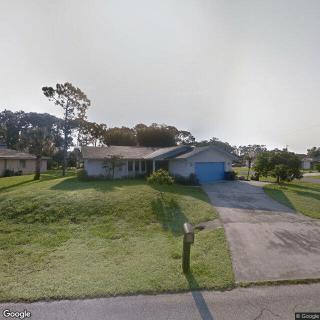


 Understanding Dementia Through Its Seven Stages: A Comprehensive Look at Progression and Expectations
 A Holistic Dementia Care Guide: Effective Strategies for Memory Support
 Memory Care Pathways: A Holistic Guide to Dementia Support