
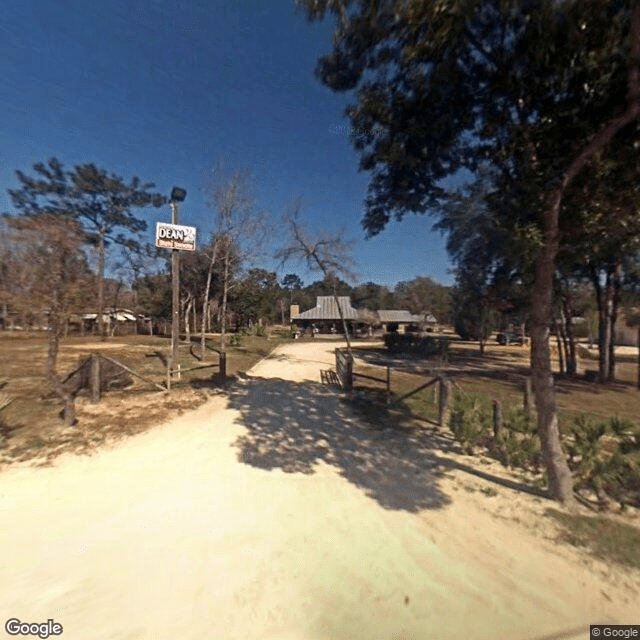
575 W Sharp Lane, Lecanto, FL 34461
To contact a resident: (352) 746-7318
For more information about senior living options: (866) 208-4318
Greene Acres AFCH Costs & Pricing
Greene Acres Assisted Family Care Home (AFCH) offers competitive pricing options for its residents, providing both semi-private and private room accommodations at notably lower rates compared to both Citrus County and the broader Florida market. The monthly cost for a semi-private room at Greene Acres is $2,300, which is approximately 14% less than the average of $2,673 in Citrus County and significantly lower than the state average of $3,009. For those seeking more privacy, Greene Acres charges $3,200 for a private room - a figure that remains below the county average of $3,520 and the state average of $3,699. This makes Greene Acres AFCH an attractive option for families looking for quality care at a more accessible price point.
| Floor plans | Greene Acres AFCH | Citrus County | Florida |
|---|---|---|---|
| Semi-Private | $2,300 | $2,673 | $3,009 |
| Private | $3,200 | $3,520 | $3,699 |
Memory care communities with a similar price nearby
-
from -$300 / mo
Always There Assisted Living
$2,000 to $3,500 / month10.0 miles away -
About the same
Vitality Living Spring Hill
$2,305 to $4,305 / month23.0 miles away -
from +$250 / mo
Sunshine Gardens/ Crystal River LLC
$2,550 to $5,100 / month9.1 miles away -
from +$300 / mo
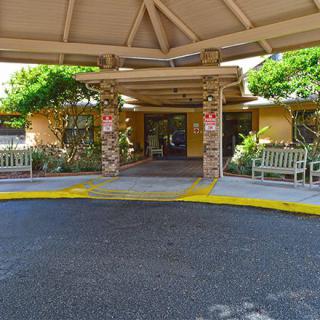
The Reserve at Citrus
$2,600 to $5,540 / month3.1 miles away -
About the same
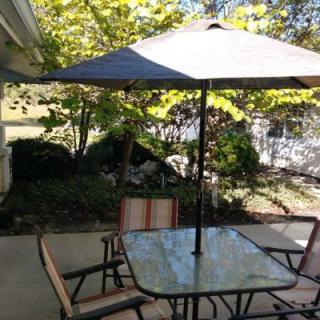
Rosecastle of Citrus
$2,300 to $4,200 / month2.6 miles away
Overall Review of Greene Acres AFCH
Pros
 They are more than just caretakers.
- The staff are very helpful and caring, and there is a comfortable down-home feel to the facility.
- The facility fills a much-needed gap for adult day care in the area, and residents enjoy staying there.
- The homey, small, friendly environment creates a welcoming atmosphere.
- It is a small six-bed, home-like facility where residents are treated like family members rather than patients.
Cons
 The facility offers only a semi-private room, which is a drawback.
- Only an open space was available for a woman, implying limited privacy and inclusivity.
Review
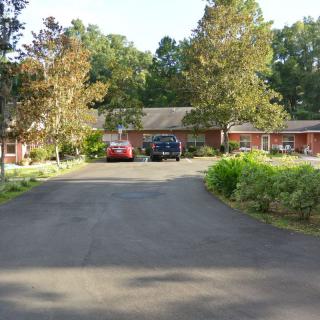
Greene Acres AFCH in Lecanto is best suited for families seeking a small, home-like environment where a loved one can receive highly personalized care within a close-knit setting. The six-bed, floor-level arrangement fosters daily routines that feel more like a family home than a medical facility, and staff members are described as genuinely helpful and caring. This is the kind of place where residents are known by name, where caregivers invest time in daily interactions, and where a sense of security comes from consistent, familiar faces. It works especially well for respite stays or ongoing care for someone who does not require intensive medical oversight but benefits from constant human contact and a comfortable, non-institutional atmosphere.
That intimate footprint will not suit everyone. Families needing greater privacy or more spacious, hotel-like amenities may prefer alternatives. Semi-private rooms limit personal space, and shared common areas can feel tight as residents gather for activities. For seniors who require a high level of independent living features, extensive medical services on-site, or a facility with larger communal spaces and more streamlined programming, a bigger or more clinical setting may be a better fit. The small scale, while a strength for warmth, is a constraint for those prioritizing architectural openness and expansive activity options.
The strongest advantages here lie in the warmth and attentiveness of the caregiving staff, coupled with a genuine, homey culture. The staff’s helpfulness translates into smoother daily routines, better responsiveness, and a sense that the person cared for is treated as a family member rather than a patient. The “great family atmosphere” and the idea that residents are welcomed into a close-knit circle shape everyday life in a way that larger facilities often struggle to replicate. For families seeking daytime engagement, the facility’s role as an informal adult day-care option is a meaningful benefit, offering meaningful activity and a chance for caregivers to rest with peace of mind.
Yet the trade-offs are real. The private-public balance in a six-bed home means privacy is limited and personal space is at a premium. The open shared space, cited in reviews, underscores constraints on social variety and quiet time, especially during peak hours or when visitors arrive. While this setup supports tight supervision and rapid caregiver response, it can feel constraining to residents who value personal routines, quiet areas, or more diverse programming. These plain realities tend to surface as reasons why some reviewers rated the experience as middle-of-the-road.
From a decision-making perspective, the key is aligning expectations with the environment. If a family wants a setting where staff mobility is high, possibilities for routine, and a sense of belonging is central, Greene Acres AFCH delivers with clear credibility. Families should verify current availability, ask about exact room configurations, and tour the home to observe how staff interact with residents and how activities are organized within the limited space. It’s also prudent to confirm the scope of care, whether assistance includes specialized memory care, medication management, and what respite options exist, since those factors determine whether the small home can meet evolving needs.
In sum, Greene Acres AFCH represents a compelling choice for caregivers who prize intimate, person-centered care delivered in a tight-knit, family-like atmosphere. It is particularly well-suited for daytime engagement and short- or long-term placement where warmth and individualized attention trump the need for private rooms and expansive amenities. Families weighing alternatives should consider privacy, room and common-area constraints, and the level of medical oversight required. For those who can embrace a small, home-style environment with a trusted, hands-on caregiving team, this community stands out as a practical, compassionate option.
 Board and Care Home
 Day Program
 Memory Care
 Air-conditioning
 Cable or satellite TV
 Indoor common areas
 Outdoor common areas
 Private
 Respite or short term stays offered
 Wheelchair accessible showers
 Wi-Fi/high-speed internet available
 Ambulatory care
 High acuity care
 Incontinence care
 Medication management
 Meals provided
 BBQs or picnics
 Birthday parties

 How and When Medicaid May Cover Assisted Living Costs
 A Detailed Exploration of Assisted Living Medicaid Waivers Across the United States
 Exploring the Contrasts Between Assisted Living and Skilled Nursing