
2307 Smullian Trail N, Jacksonville, FL 32217
For more information about senior living options: (866) 208-4318
Overall Review of Some Place Like Home 2
Pros
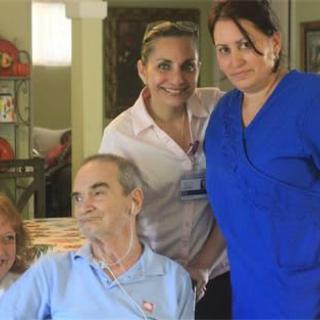
 Some Place feels like home.
- The whole team feels like family.
- Quality care is provided in a family-style community.
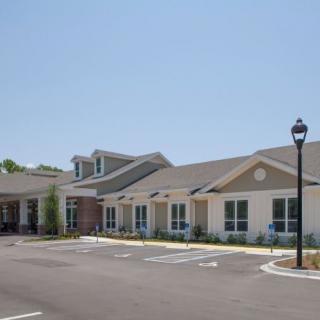
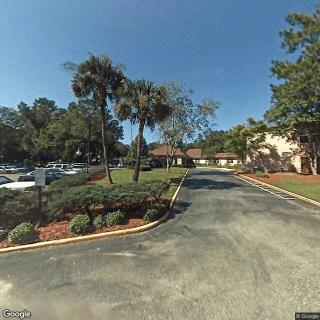
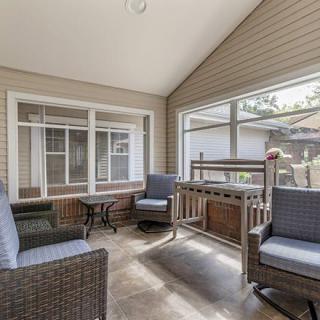
- The facility is very nice.
- It is large, comfy, and well staffed.
- The staff are very caring.
Review
Some Place Like Home 2 in Jacksonville, Florida is best suited for seniors and families who prize a genuinely homelike atmosphere where care feels intimate and relationships with caregivers are central to daily life. The community earns its high marks by delivering warmth and familiarity in every interaction, so residents feel seen and valued rather than processed through a system. This is the kind of setting where the care team operates like an extended family, providing dependable attention, steady routines, and a comfort level that makes transitions smoother for new residents. For families seeking a place where staff know their loved one by name and respond with warmth, this community stands out as a trusted option in a crowded market.
The strongest selling points are tangible and practical. The facility presents as large and comfortable, with a welcoming, homey vibe that reduces the clinical edge many seniors fear. Staffing is described as ample and consistently caring, translating into more hands on deck for daily needs, reminders, and companionship. When a team feels like family, the cadence of care becomes predictable and reassuring, the kind of environment where bells and whistles aren’t the centerpiece, but reliability and personable attention are. For families who want visible staff engagement, meaningful conversations with caregivers, and a sense that residents aren’t just housed but cared for, this site delivers on those expectations.
That said, clear boundaries emerge when considering alternatives. The community’s most fitting audience includes those who don’t require intensive clinical supervision, complex wound care, or highly specialized memory support. Prospective residents who need a robust medical model, frequent on-site nursing interventions, or a highly structured, program-driven day may find that larger, more clinical campuses better satisfy those needs. Families with residents who value social richness and a home-like daily rhythm over resort-style amenities will likely prefer this option over more formal settings. In short, the warmth and attentiveness here are compelling, but the fit should be weighed against the gravity of medical needs and the desire for specialized programs.
The way the pros offset potential gaps rests on a simple truth: a high-touch, family-centered care culture can compensate for fewer clinical trappings when the priority is consistent, compassionate presence. The strong caregiver relationships lessen anxiety, reduce agitation, and improve overall mood through ongoing reassurance and familiar routines. When staff know preferences, meal choices, bedtimes, preferred activities, the resident feels respected and less rushed through care tasks. For families, this translates into fewer moments of worry about lurking gaps in daily support. The caveat remains that anyone anticipating advanced therapies, memory-care protocols, or rigorous post-acute rehabilitation should verify the level of clinical oversight and the availability of specialized services before committing.
The day-to-day life in this community supports independence within a supportive frame. The large, comfortable environment fosters easy navigation and a sense of space, while the well-staffed teams ensure that help is reachable without delay. The family-style culture encourages genuine interaction, which can counter isolation and help maintain a resident’s identity and routines. Meals, activities, and social opportunities tend to be organized in a way that respects familiar patterns, reducing the stress of transition. Families should still assess how flexible the activity calendar is, whether transportation and outings meet individual preferences, and how care plans are documented and updated to reflect changing needs.
For families weighing options, the bottom line is clear: Some Place Like Home 2 is a compelling, well-regarded choice for seniors who value warmth, consistent staffing, and a home-like feel over formal, high-amenity campuses. It shines particularly for those who seek dependable daily companionship and a sense of belonging. Prospective residents with higher medical or memory-care demands should pursue alternatives that emphasize specialized staffing and clinical programming. The recommended next steps are straightforward: arrange a visit during peak activity hours to observe staff-resident interactions; review the care plan process, including how changes are communicated; inquire about staffing ratios and on-site medical support; and compare monthly costs relative to the level of personalized attention delivered.
 6 resident community capacity
 Memory Care
 Cable or satellite TV
 Dining room
 Fully furnished
 Garden
 Housekeeping services
 Move-in coordination
 Outdoor space
 Telephone
 Wi-Fi/high-speed internet available
 Jacksonville International (18 miles away)
 24-hour supervision
 Activities of daily living assistance
 Assistance with bathing
 Assistance with dressing
 Assistance with transfers
 Diabetes diet
 Hospice waiver
 Meal preparation and service
 Medication management
 Mental wellness program
 Special dietary restrictions
 Transportation arrangement (medical)
 Transportation to doctors appointments


 Understanding Dementia Through Its Seven Stages: A Comprehensive Look at Progression and Expectations
 Safeguarding Your Memory Through the Golden Years: Eight Ways to Preserve Cognitive Health
 Comprehensive Insights into Activities of Daily Living (ADLs) and Their Assessment