
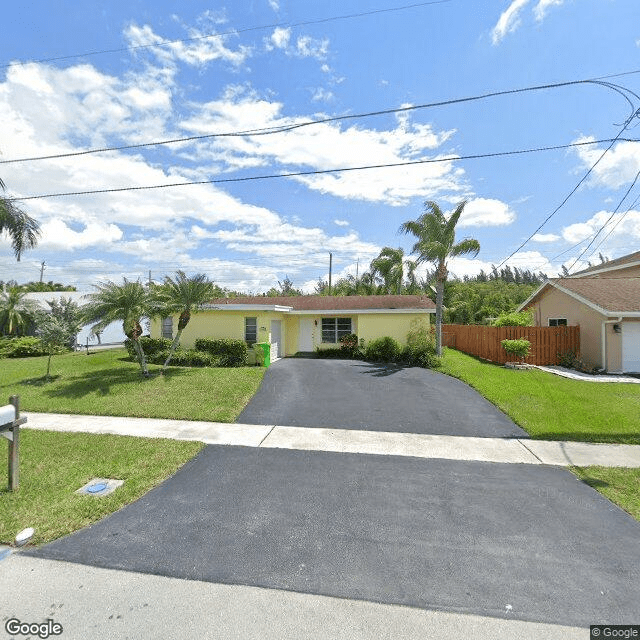
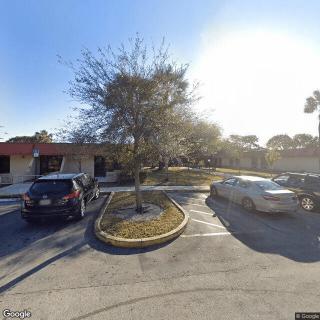
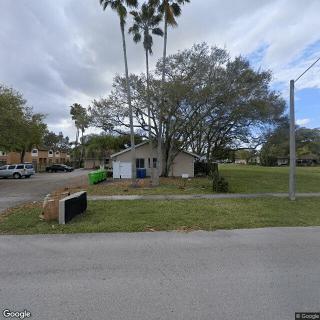
4690 Northwest 113th Avenue, Sunrise, FL 33323
To contact a resident: (954) 572-5000
For more information about senior living options: (866) 208-4318
Bright Horizons of Sunrise Costs & Pricing
Bright Horizons of Sunrise offers competitive pricing for its services, particularly when compared to the average costs in Broward County and across Florida. For semi-private rooms, Bright Horizons charges $2,700 per month, which is notably lower than the county average of $2,902 and significantly less than the state average of $3,009. Similarly, their private rooms are priced at $3,500 a month, offering a more economical option compared to the county's typical rate of $3,725 and Florida's average of $3,699. This positions Bright Horizons as an attractive choice for families seeking quality care without compromising on affordability.
| Floor plans | Bright Horizons of Sunrise | Broward County | Florida |
|---|---|---|---|
| Semi-Private | $2,700 | $2,902 | $3,009 |
| Private | $3,500 | $3,725 | $3,699 |
Memory care communities with a similar price nearby
-
from +$300 / mo
LB Solution Care Group Homes
$3,000 / month11.1 miles away -
from -$300 / mo
Ana's Assisted Living Facility
$2,400 / month11.8 miles away -
from -$200 / mo
Anne Adult Family Care Home
$2,500 / month9.8 miles away -
from -$505 / mo
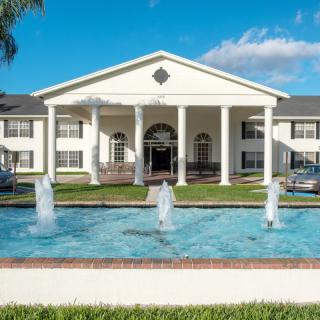
Grand Villa Of Delray East
$2,195 to $4,495 / month21.8 miles away -
About the same
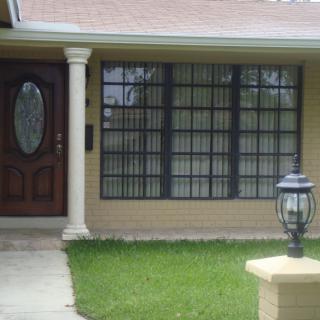
Flamingo Assisted Living
$2,700 to $4,500 / month6.8 miles away
Overall Review of Bright Horizons of Sunrise
Pros
 The home is lovely.
- The home is organized.
- The residents smile when staff arrive to work.
- The employees have been with the home for six-plus years.
- A Place for Mom helps families narrow down suitable options.
Cons
 The owner promises many things but does not follow through.
 - There were not two aides at all times; at times only one aide was present.
- There were hardly any activities for residents beyond a singer and guitar player.
- The mother reportedly suffered several serious incidents and injuries that were not adequately addressed.
- A serious foot infection and bedsore were ignored until hospitalization.
- Aides allegedly spent time on their phones instead of attending to the patients.
- During the hurricane, the generator did not have gas, leaving the elderly hot.
- The owner raised fees at year-end after promising to respect the budget constraints.
- The facility did not provide adequate memory care for residents with dementia.
- Overall, the reviewer would not recommend this place to anyone.
Review
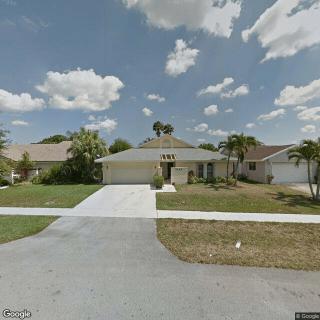
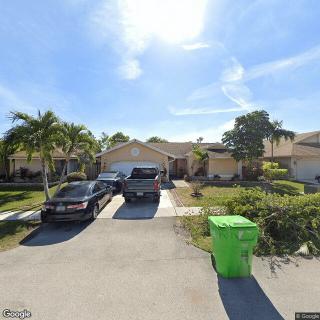
Bright Horizons of Sunrise is best suited for families seeking a small, home-like assisted living setting in Sunrise, Florida, where warmth and familiarity can matter as much as formal medical oversight. The community reads as intimate and non-clinical, with a sense of personal touch that appeals to households prioritizing a homier atmosphere over institutional efficiency. It is not the right choice for those whose loved ones demand consistent, two-aide coverage around the clock, or for families needing robust, professional memory-care programs. For residents with dementia or complex medical needs, explicit, dependable programming and staffing are non-negotiables, and this community’s record suggests those assurances may be lacking. In short, this is a fit for families who place a premium on atmosphere and personal attention, while accepting meaningful gaps in staffing reliability and medical responsiveness.
The most consequential red flags center on staffing and medical oversight. Across several accounts, promises made by the owner were not fulfilled, and the stated standard of two aides at all times was not maintained consistently. Night coverage could collapse to a single aide, and transport, an inherently high-risk activity for frail elders, was not always supported by adequate hands. Reports of a doctor not arriving for extended periods and staff distracted by personal devices further undermine safety, with serious consequences such as wounds neglected until they worsened, leading to hospitalizations. Activity programming, when present, tended to be sparse or episodic rather than structured, leaving some residents with little purposeful engagement beyond basic care. These patterns, poor wound care, delayed medical attention, and insufficient on-site supervision, diminish the overall quality of life and escalate risk in daily routines.
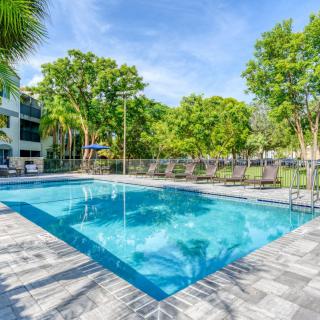
Yet there are notes that nod to underlying strengths. The facility presents as a tidy, organized home environment, described by some families as pleasant and welcoming. Reported staff tenure is solid, with several caregivers remaining for many years, which can translate into meaningful relationships and familiarity with individual routines. For families who value a low-key, residential feel and are prepared to monitor day-to-day operations closely, Bright Horizons can deliver comfort and routine in a way that larger, more medicalized settings sometimes cannot. Nevertheless, these positives are consistently undercut by the recurring issues around staffing sufficiency, safety lapses, and inconsistent medical follow-through, making the overall value proposition heavily contingent on vigilant and ongoing oversight.
For families weighing options, the critical lens should be on staffing guarantees, medical responsiveness, and transparent finances. Alternatives to consider should explicitly promise two-aide coverage during transports and activities, stable staffing ratios during all shifts, and a visible memory-care framework with trained personnel and clear protocols for skin integrity and wound management. Demand written descriptions of daily programming, meal quality, and a predictable schedule so engagement is not left to chance. Verify back-up power and climate control capabilities to avoid hazardous heat during outages. Above all, require prospective facilities to provide concrete, binding commitments up front, not after problems arise. Engage current residents and multiple family members in conversations to corroborate the facility’s claims, and insist on a live, in-person demonstration of care routines during a tour.
The decision hinges on risk tolerance and care expectations. Bright Horizons may suit families seeking a homey, less clinical vibe, provided stringent safeguards are negotiated and maintained. For anyone whose loved one requires steady, professional redundancy, two aides during transport and daily activities, reliable medical oversight, and proactive wound care, the balance tilts away from Bright Horizons toward options with stronger accountability and clearer staffing commitments. The facility’s tangible strengths, a pleasant, organized home and long-tenured staff, offer comfort, but cannot erase the documented pattern of injuries, delayed medical response, and contested billing or promises. The prudent path is to secure enforceable, written guarantees on staffing, care protocols, and escalation procedures, with contingency plans ready if commitments falter.
 6 resident community capacity
 Assisted Living
 Board and Care Home
 Memory Care
 Respite Care
 Activities on-site
 Beautician on-site
 Cable or satellite TV
 Dining room
 Fully furnished
 Garden
 Housekeeping services
 Indoor common areas
 Move-in coordination
 Outdoor common areas
 Private
 Telephone
 Wheelchair accessible showers
 Wi-Fi/high-speed internet available
 Fort Lauderdale-Hollywood International (12 miles away)
 24-hour supervision
 Ambulatory care
 Assistance with bathing
 Assistance with dressing
 Assistance with transfers
 Diabetes diet
 Diabetic care
 Incontinence care
 Meal preparation and service
 Medication management
 Special dietary restrictions
 Transportation arrangement (medical)
 Transportation to doctors appointments

 Delving into the Inner World of Dementia: Insights into Thoughts and Awareness
 Five Subtle Dementia Indicators to Observe: An In-Depth Guide to Understanding “Does My Mom Have Dementia?”
 Dementia, Paranoia, and Caregiver Guidance: Understanding the Connection