
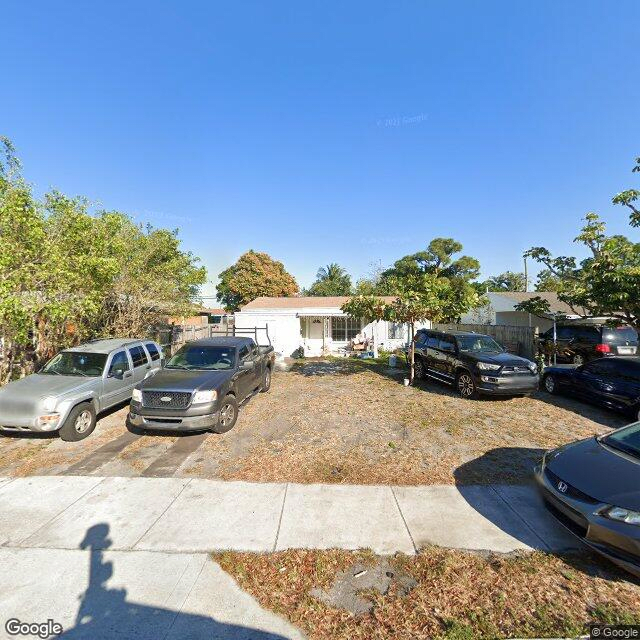
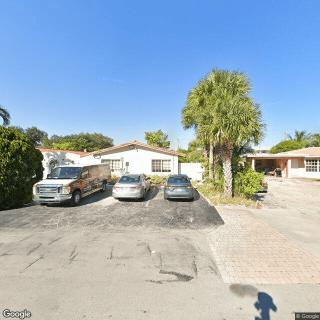
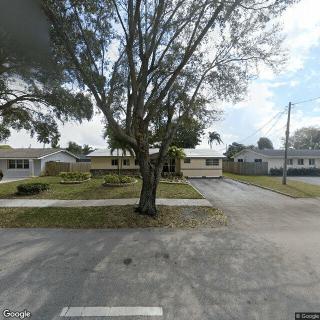
5224 Northeast 3rd Avenue, Oakland Park, FL 33334
To contact a resident: (305) 345-6919
For more information about senior living options: (866) 208-4318
Assisted Living Sweet Costs & Pricing
The monthly cost for the Assisted Living Sweet facility stands at an appealing $2,000 for a private room, which presents a significant advantage compared to the average rates in Broward County and across Florida. In Broward County, the typical cost of assisted living is approximately $3,725, while statewide averages hover around $3,699. This stark difference highlights Assisted Living Sweet as a more economical choice for individuals seeking quality care without compromising on comfort or services. By choosing this facility, residents can enjoy substantial savings while receiving the support they need in a welcoming environment.
| Floor plans | Assisted Living Sweet | Broward County | Florida |
|---|---|---|---|
| Private | $2,000 | $3,725 | $3,699 |
Memory care communities with a similar price nearby
-
from -$200 / mo
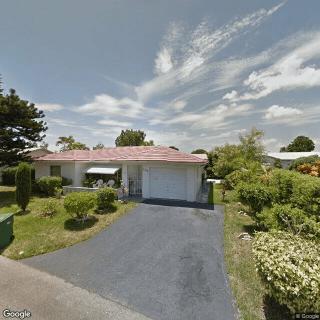
Jennifer's Home Care, Inc
$1,800 to $3,000 / month6.6 miles away -
from +$195 / mo
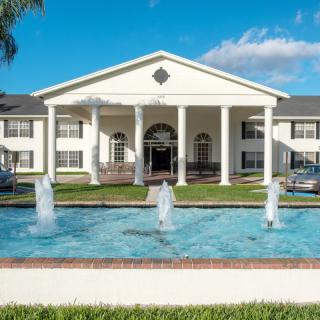
Grand Villa Of Delray East
$2,195 to $4,495 / month18.6 miles away -
About the same
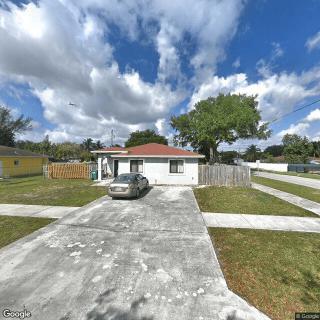
Sweet Angel's Home Assisted Living Facility Inc
$2,000 to $2,500 / month20.5 miles away -
About the same
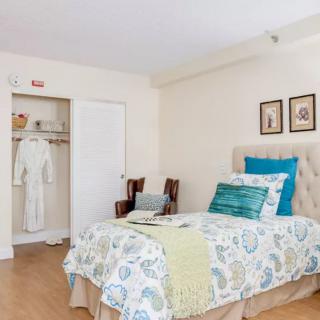
Grand Villa Of Boynton Beach
$1,995 to $3,295 / month22.7 miles away -
from +$195 / mo
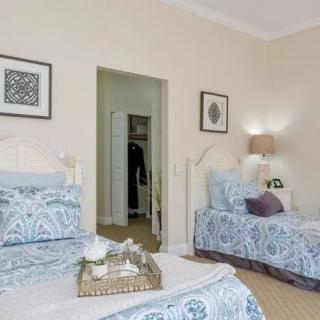
Grand Villa of Deerfield Beach
$2,195 to $2,995 / month7.7 miles away
Overall Review of Assisted Living Sweet
Pros
 The staff at Treemont is consistently great to clients and visitors.
- Treemont treats every resident like family and accommodates their needs.
- Treemont's care provides a loving, family-like environment for residents.
- Treemont offers engaging activities that are balanced and enjoyable.
- Treemont maintains stability with low staff turnover, fostering trust.
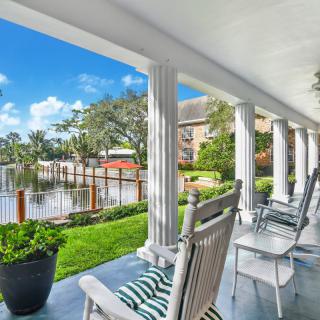
- Treemont's facility is well maintained, clean, and welcoming.
Cons
 The facility is not only a dump but dangerous.
- They don't take care of residents, mismedicate them, and lie to families about their loved ones' status.
- The reviewer notes that this is not the place for a loved one.
- One questions how they maintain their license.
Review
Treemont on the Park in Oakland Park is best suited for families seeking a warm, family-style assisted living where caregivers stay steady, residents remain engaged, and daily life feels like a managed extension of home. It works brilliantly for seniors who value a supportive, people-first atmosphere, regular balanced meals, and meaningful activities that aren’t chaotic or overwhelming. The community earns trust from families who want long-term consistency: staff who remember names, routines that feel predictable, and a living space that invites residents outdoors and into conversations rather than isolating them in a sterile corridor. For memory-care needs, the testimonials suggest a depth of care built over years, with residents who stay connected to staff and peers.
This is not the place for families chasing high-end polish or cutting-edge medical complexity. Those who require aggressive medical oversight, specialized 24/7 nursing coverage, or ultra-luxe amenities may want to consider alternatives. There is at least one extremely negative review that highlights safety and medication-management concerns, a reminder that no setting is perfect and that a single outlier can signal risk. Prospective residents with highly acute needs, strict medication-control requirements, or a desire for a more clinical, hospital-like environment should screen other options that emphasize clinical staffing ratios and formal protocols.
The strongest positives here offset practical drawbacks in meaningful ways. The staff’s attentiveness, consistency, and willingness to tailor care create a foundation of trust that anchors daily life. Residents appear well cared for, with staff who check on needs regularly, monitor health, and engage residents in meals and activities, which translates into fewer moments of isolation and confusion. The home-like feel, clean grounds, safe courtyards, and visible interaction across generations, complements the caregiving, making daily routines feel manageable rather than burdensome. This combination matters when choosing a place for someone who values reliable companionship and predictable support.
Another core strength is the culture around memory care. Anecdotes about a resident’s long-term time at the community, a span of more than a decade in one case, underscore staff capability and the sense that familiar faces stay in place. Meals are described as balanced and attentive, with staff devoted to ensuring residents eat enough to stay strong. Activities are described as engaging but not exhausting, striking a useful balance for seniors with varying energy levels and cognitive needs. The environment supports continued social connection, with opportunities to sit outside, participate in organized programs, and remain part of a small, cohesive community rather than a sterile facility.
Cost and value are also important factors here. Multiple reviews highlight affordability alongside solid care, which is a critical fit for families balancing budgets with quality of life. The absence of a flashy, resort-like setting does not equate to neglect or neglectful operation; rather, it often means a more straightforward, safer, and actually practical living space for seniors who do not need glamorous surroundings to thrive. Continuity and the absence of high turnover contribute to dependable care; families can expect familiar faces and consistent routines rather than episodic staffing changes that disrupt daily life.
For families evaluating Treemont on the Park, the action plan is clear. Schedule visits during peak activity and dining times to observe staff engagement and resident interaction. Have candid conversations about medication administration practices, supervision night and day, and how dementia care is structured, especially how staff are trained to respond to changes in cognition. Ask for up-to-date inspection results and inquire about nurse-to-resident ratios, emergency procedures, and how activities are adapted to different levels of independence. If the goal is a home-like, stable, engagement-rich environment with compassionate caregivers, Treemont on the Park delivers, and for residents whose needs demand higher medical oversight or more upscale amenities, it’s prudent to line up alternatives for direct comparison.
 Board and Care Home
 Memory Care
 Activities on-site
 Indoor common areas
 Outdoor common areas
 Private
 Fort Lauderdale-Hollywood International (8 miles away)
 Incontinence care
 Medication management
 Meals provided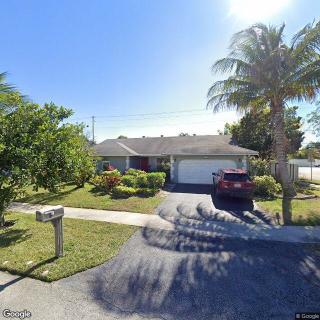


 Guiding Your Journey: Understanding Power of Attorney for Elderly Parents
 22 Remarkable Caregiver Support Groups Available Online and In-Person
 Understanding Medicaid Coverage for Assisted Living: A Comprehensive Guide