
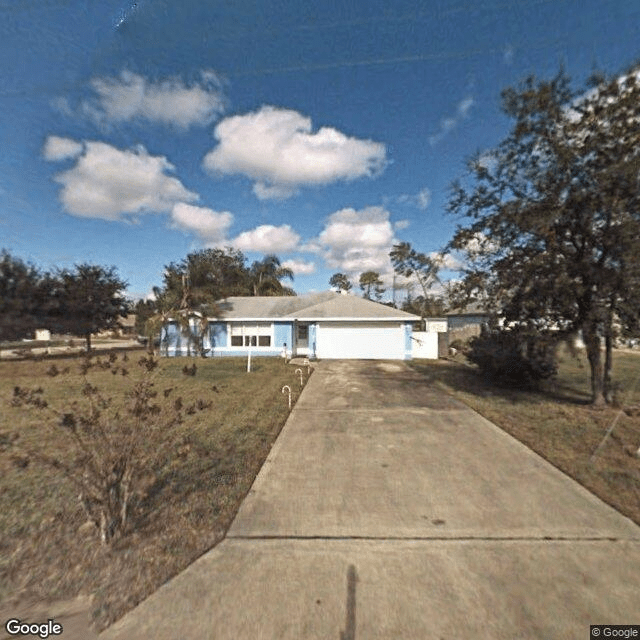
2708 Lightwood Street, Deltona, FL 32738
To contact a resident: (407) 330-6453
For more information about senior living options: (866) 208-4318
Victoria's Place Costs & Pricing
Victoria's Place offers competitive pricing for its accommodations, with semi-private rooms available at $1,950 per month and private rooms at $2,200. In comparison to the broader market, these rates are significantly more affordable than both Volusia County and the state of Florida averages. For instance, the average cost for a semi-private room in Volusia County stands at $3,143, while private rooms reach an average of $4,168. Similarly, state-wide figures reflect higher costs as well, with semi-private rooms averaging $3,009 and private rooms at $3,699. This positions Victoria's Place as a cost-effective option for individuals seeking quality care without compromising on budget.
| Floor plans | Victoria's Place | Volusia County | Florida |
|---|---|---|---|
| Semi-Private | $1,950 | $3,143 | $3,009 |
| Private | $2,200 | $4,168 | $3,699 |
Memory care communities with a similar price nearby
-
from +$250 / mo
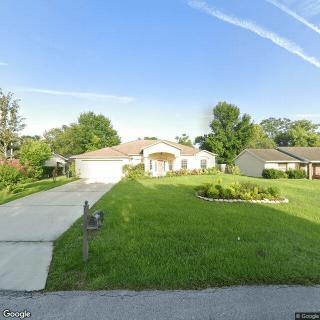
Sweet Home At Last
$2,200 to $2,500 / month5.7 miles away -
About the same
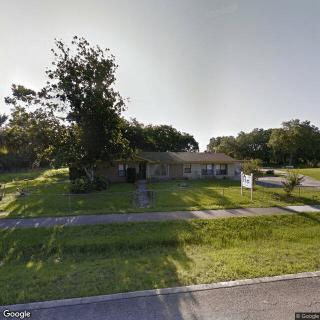
Hope Assisted Living Facility
$2,000 to $2,800 / month7.2 miles away -
from +$145 / mo

Grand Villa of DeLand
$2,095 to $3,795 / month15.2 miles away -
from -$150 / mo
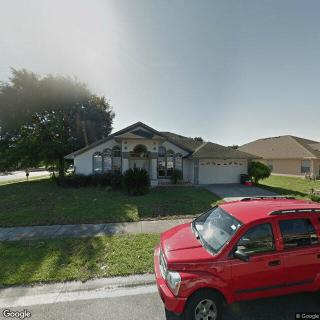
White Flowers Assisted Living Facility
$1,800 to $2,500 / month22.4 miles away -
from +$180 / mo

Westminster Winter Park a CCRC
$2,130 to $2,367 / month20.7 miles away
Overall Review of Victoria's Place
Pros
 They regularly visited their mother, showing ongoing care.
- They were actively involved in monitoring her wellbeing by noting her weight.
- They sought explanations from the facility, reflecting concern and responsibility.
- They valued staying connected with their mother through frequent lunchtime visits.
- They demonstrated dedication to their mother's needs by advocating for proper care.
Cons
 Victoria's Place charged them 2k per month to care for their mother.
- They visited their mother several times, especially around lunch, and never smelled or saw any cooked meals being prepared.
- Their mother's weight continually declined to where she was nothing but skin and bones.
- They questioned Victoria's Place about the weight loss and were told it was normal for someone with their mother's condition.
- They felt guilty about trusting Victoria's Place, believing they had failed to take care of their mother.
- They hoped Victoria's Place was no longer in business.
Review
Victoria’s Place in Deltona is best suited for families who have no viable in-home care option and must place a loved one elsewhere, understanding upfront that the care quality is unproven and risk is substantial. The two reviews paint a clear picture: this is not a facility to rely on for meaningful, attentive dementia care, but rather a last-resort option when families feel they cannot safely continue at home. The setting may appeal to those who are motivated by a lower up-front cost and the practicality of a structured environment, yet the consistent threads in the accounts suggest that safety and well-being take a back seat to other uncertainties. In short, it is a choice for sheer necessity, not for confidence in care standards.
Those weighing alternatives should recognize who may want to move on to other communities. Families seeking transparent, proactive dementia care with regular, verifiable meals, consistent weight maintenance, and responsive staff should seriously consider other options. If the goal is reliable nutrition, meaningful monitoring, and clear communication about a loved one’s condition and daily routine, this is a setting to pass on. For residents with advanced Alzheimer’s, where weight stability and routine nourishment are critical, the absence of visible meals and the staff’s dismissive response to weight loss raise red flags that alternatives are likely to meet more robustly.
The few advantages implied by the reviews are outweighed by the decisive negatives. The facility charges about $2,000 per month, but the care delivered appears not to justify that cost. The most troubling signals are consistent: no smells of cooked meals during multiple visits, no evidence that residents are being fed adequately, and a perception that weight loss is regarded as normal for dementia rather than a solvable care issue. When families raise concerns about declining weight, the response is dismissive, framed as an unfortunate but expected consequence of the condition. That disconnect between concern and action is the central problem: cost is not paired with dependable, proactive care.
Weight management is the clearest failure, and it directly informs the risk calculus. For a resident with advancing Alzheimer’s, weight loss can signal inadequate nutrition, dehydration, or insufficient supervision during meals and daytime activities. The reviews convey a troubling pattern: weight dwindling to “nothing but skin and bones,” with families left seeking a defensive justification rather than a plan to restore or stabilize health. The absence of visible meal preparation and the lack of a responsive conversation about nutrition imply systemic gaps in daily routines, supervision, and accountability. In such a setting, the main cons, poor nutrition, questionable oversight, and insufficient family communication, overwhelm any potential perceived benefit of placement.
Practically, families can navigate this decisively by adopting a rigorous evaluation mindset. Before any commitment, insist on a written, tailored care plan that explicitly addresses nutrition, weight monitoring, meal logistics, and staff-to-resident ratios. Observe mealtimes in person, request copies of weekly weight logs, and interview direct caregivers about how they handle appetite changes and appetite-related concerns. Verify licensing status and inspect inspection reports, staffing credits, and any recent regulatory actions. Demand transparency on staffing turnover and training specific to dementia care. And crucially, require opportunities to meet the caregiving team on multiple shifts, not just brief previews, to gauge consistency and attentiveness.
In the final assessment, Victoria’s Place does not emerge as a dependable option for families prioritizing reliable dementia care and consistent nutritional support. The reviews consistently point to a failure to safeguard health and to communicate with families in a meaningful, proactive way. If one must choose this community, it should be with the expectation of heavy oversight and a concrete, enforceable care plan that guarantees nutrition, weight surveillance, and responsive care, coupled with a clear exit strategy should expectations not be met. For most families, stronger alternatives exist that offer clearer assurances for residents with Alzheimer’s, and those paths should be explored first.
 Board and Care Home
 Memory Care
 Dogs allowed
 Activities on-site
 Beautician on-site
 Indoor common areas
 Outdoor common areas
 Private
 Respite or short term stays offered
 Daytona Beach International (24 miles away)
 Ambulatory care
 High acuity care
 Incontinence care
 Medication management
 Meals provided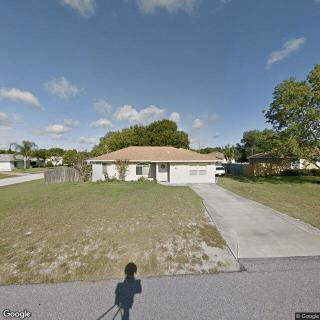






 Dementia-Related Hallucinations: Causes, Experiences, and Practical Approaches
 Illuminating Insights About Alzheimer's Disease: Ten Crucial Realities
 A Thorough Discussion of Medications Potentially Linked to Dementia Risk