
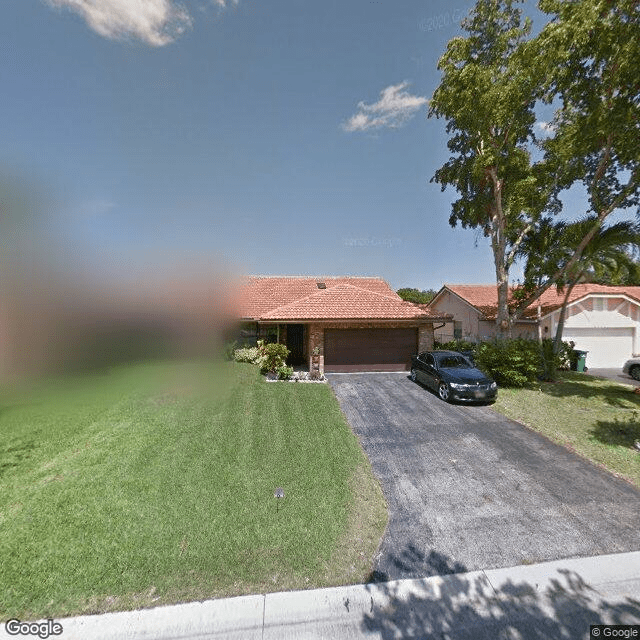
2971 NW 95th Avenue, Coral Springs, FL 33065
To contact a resident: (954) 263-5775
For more information about senior living options: (866) 208-4318
The Gardens At Coral Springs Costs & Pricing
The Gardens At Coral Springs offers competitive pricing for its accommodations, positioning itself as an attractive option within both Broward County and the broader Florida market. For a semi-private room, residents can expect to pay $2,500 per month, significantly lower than the county average of $2,902 and the state average of $3,009. Private rooms are available for $3,000 each month, again offering savings compared to the county's typical charge of $3,725 and the state's average of $3,699. Similarly, one-bedroom units at The Gardens are priced at $3,000 monthly - well below the averages of Broward County ($3,651) and Florida ($3,864). This pricing strategy not only underscores The Gardens' commitment to affordability but also highlights its value in providing quality care and comfort in an increasingly competitive landscape.
| Floor plans | The Gardens At Coral Springs | Broward County | Florida |
|---|---|---|---|
| Semi-Private | $2,500 | $2,902 | $3,009 |
| Private | $3,000 | $3,725 | $3,699 |
| 1 Bedroom | $3,000 | $3,651 | $3,864 |
Memory care communities with a similar price nearby
-
from -$100 / mo
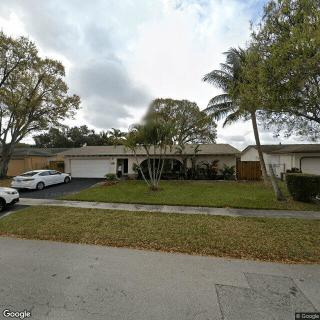
Ana's Assisted Living Facility
$2,400 / month17.5 miles away -
About the same
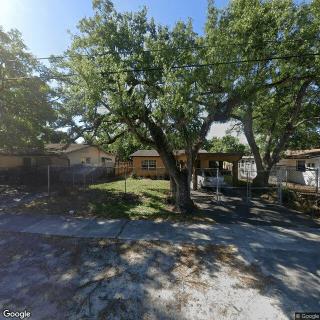
Anne Adult Family Care Home
$2,500 / month12.3 miles away -
from -$305 / mo
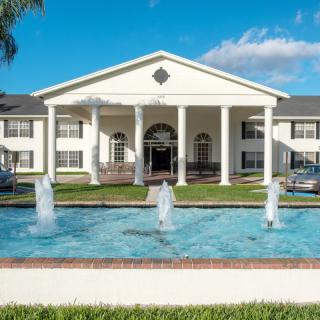
Grand Villa Of Delray East
$2,195 to $4,495 / month15.3 miles away -
from +$200 / mo
Flamingo Assisted Living
$2,700 to $4,500 / month10.4 miles away -
from -$305 / mo
Grand Villa of Deerfield Beach
$2,195 to $2,995 / month7.7 miles away
Overall Review of The Gardens At Coral Springs
Pros
 The Gardens at Coral Springs had a very good overall experience.
- The people were friendly.
- The rooms were very convenient.
- The complex hosts entertainment for residents with music.
- The living atmosphere was very good.
- The complex is very well maintained.
- The complex was clean and smelled good.
Cons
 There is mold in almost every apartment.
- Maintenance is unreliable and often does nothing when they come.
- The office is hard to reach and contacting them is a burden.
- Management withholds deposits and invoices for mold at move-out, including pet deposits.
- The property is infested with roaches and trash is everywhere.
- The owners are described as slum lords, and the complex is the worst by far.
Review
This community is best suited for residents who prize social programming and a convenient Coral Springs address over pristine apartment conditions. The Gardens at Coral Springs can deliver friendly staff, regular activities, and a social atmosphere that some residents find comforting. However, those who count on consistently clean living spaces, prompt and reliable maintenance, and transparent management should look elsewhere. The mix of maintenance gaps, reports of mold, and frequent turnover among property managers creates an environment that fails to meet basic expectations for health, safety, and predictability. Families considering this option should plan for close oversight and be prepared to push for rapid remediation if problems arise.
For seniors and families with medical fragility, mobility concerns, or a priority on predictable upkeep, alternatives with proven response times, healthier interiors, and stable leadership are strongly recommended. Look for communities with documented remediation of indoor air concerns, proactive pest control, and consistent, transparent billing practices. A residence that demonstrates steady management, reliable repairs, and clear communication about deposits and move-out charges will serve longer-term needs far better than one with frequent turnovers and opaque procedures.
On the upside, some reviews highlight a sense of community and certain comforts that can enhance daily life. Friendly staff, opportunities for social interaction, and rooms that residents find convenient contribute to a livable atmosphere when issues are not acute. A few residents also describe areas that feel clean and well maintained, with common spaces that smell freshly cleaned and manageable. These positives matter, but they are quickly outweighed by the more serious, recurring problems reported by multiple tenants.
The most troubling flaws center on environmental and management reliability. Widespread mold concerns in many units, persistent roach infestations, and visible trash around the property create an unhealthy living environment that cannot be ignored. Maintenance responsiveness is described as inconsistent at best, with reports that calls to the office go unanswered or are only reluctantly addressed. When repairs do occur, the pace and depth of work often fall short, leaving residents exposed to ongoing discomfort and risk. Deposit practices compound the risk, with claims that move-out charges related to mold or other conditions are imposed and deposits are held beyond reasonable timelines.
To decide with confidence, families should approach with a rigorous plan for due diligence. Insist on a comprehensive, written remediation plan if mold is present, and request documentation of recent pest control and air-quality inspections. Ask for clear timelines on maintenance requests and a direct line of contact to a supervisor when issues persist. Tour multiple units and speak with current residents about their experiences, not just management assurances. Obtain a detailed, written policy on deposits, move-out charges, and how disputes are resolved. Ensure the leadership team is stable and accessible, with predictable point people and documented commitments to address recurring problems.
Ultimately, the pattern of complaints, when weighed against any brief positive notes, points toward a cautious stance. This community is not well suited for seniors who require dependable safety, clean interiors, and transparent governance. If pursuing an arrangement here, treat it as high-risk and pursue hard guarantees: a strict remediation timetable, ongoing written progress reports, and defined consequences for missed commitments. For most families, stronger options exist in Coral Springs, facilities with proven maintenance responsiveness, healthier indoor environments, and stable, communicative management that aligns with long-term care needs.
 Board and Care Home
 Day Program
 Memory Care
 Dogs allowed
 Bath tubs
 Beautician on-site
 Devotional services off-site
 Indoor common areas
 Outdoor common areas
 Private
 Private bathrooms
 Respite or short term stays offered
 Wheelchair accessible showers
 Fort Lauderdale-Hollywood International (15 miles away)
 Diabetic care
 High acuity care
 Incontinence care
 Medication management
 Meals provided


 Illuminating Insights About Alzheimer's Disease: Ten Crucial Realities
 A Thorough Discussion of Medications Potentially Linked to Dementia Risk
 Why Do Dementia Patients Sleep So Much? Understanding Oversleeping, Stages, and Care Approaches