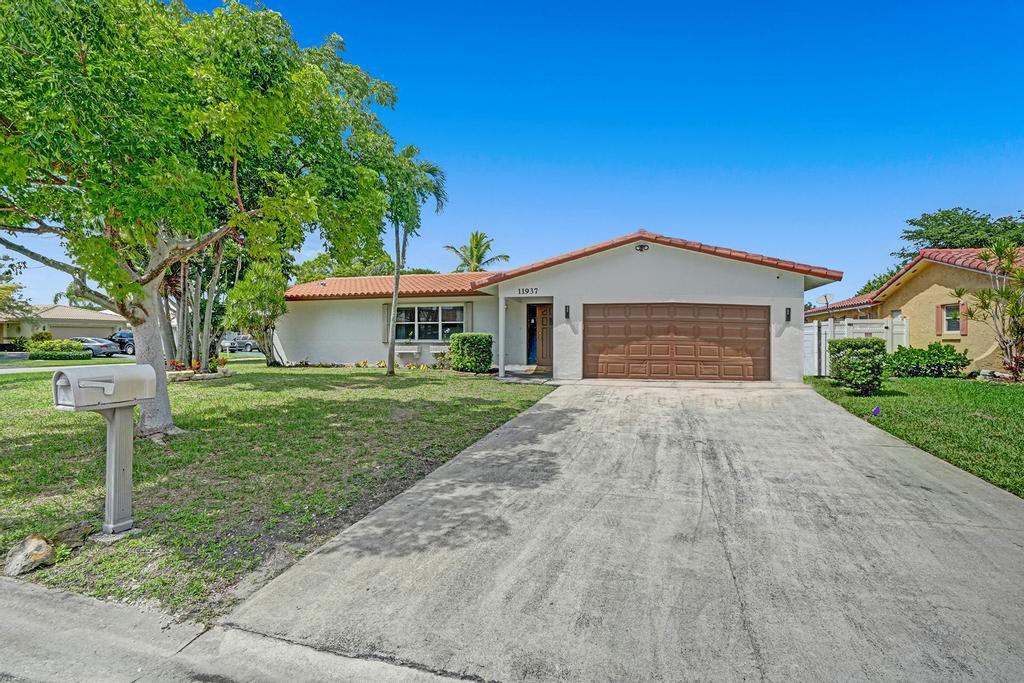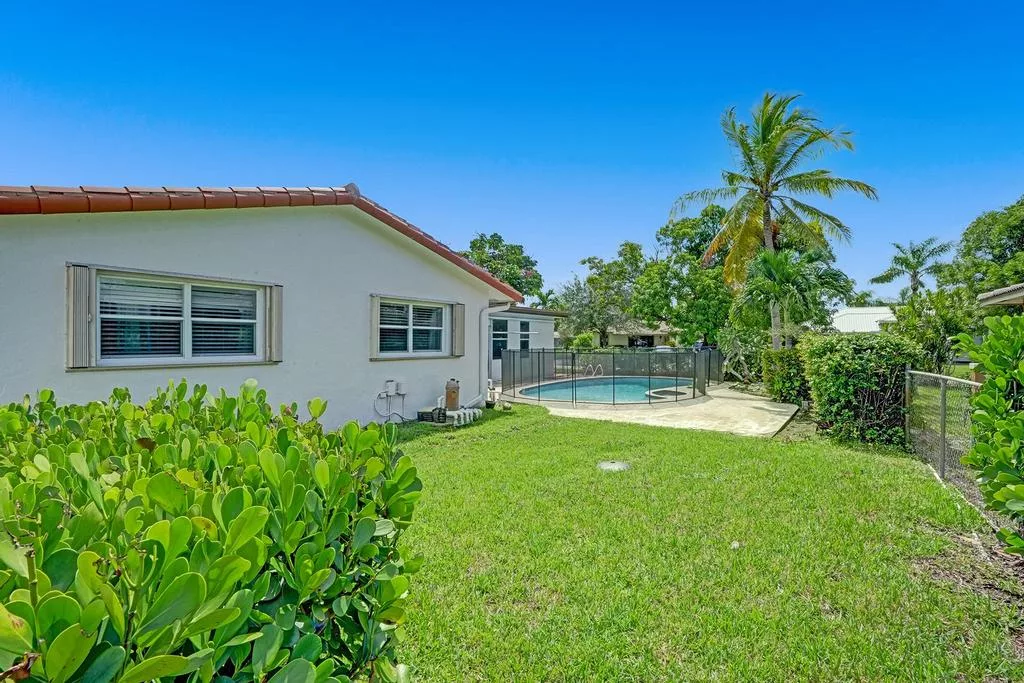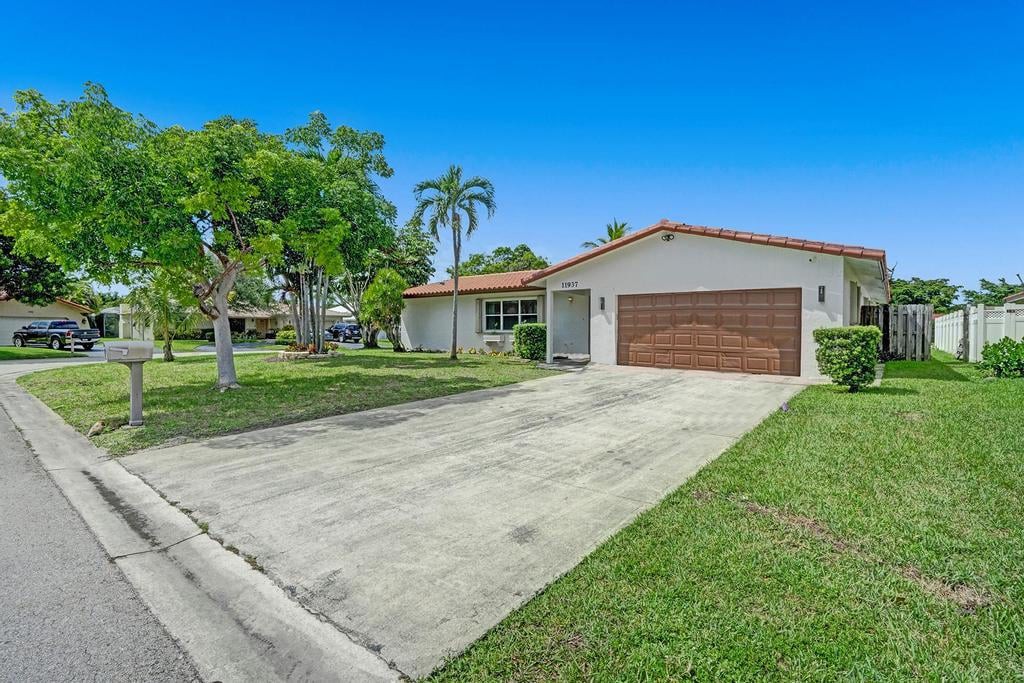
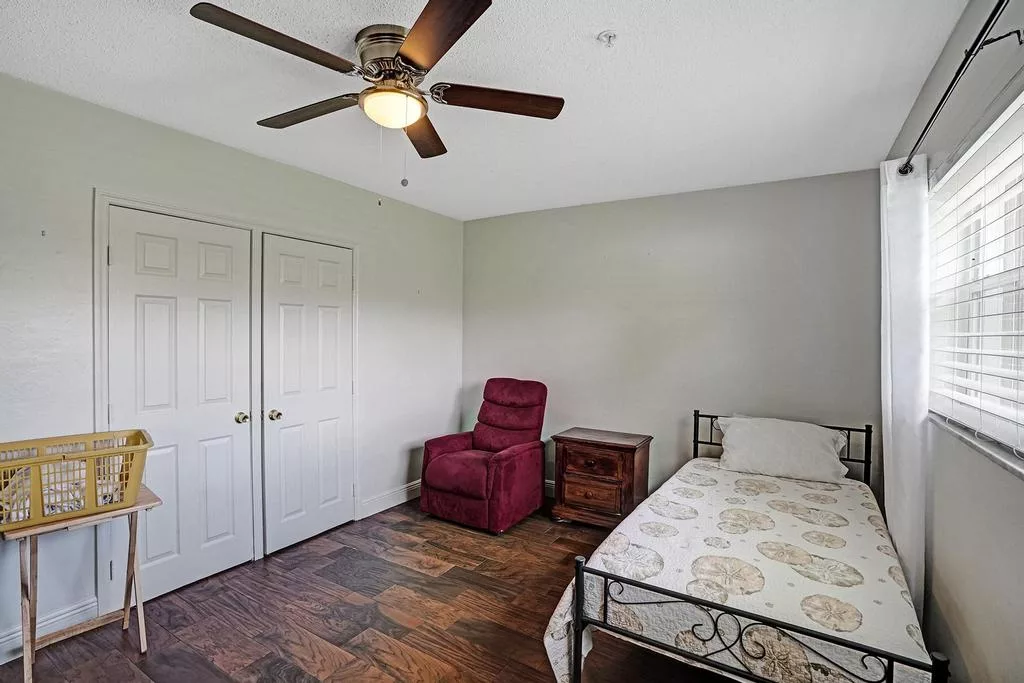
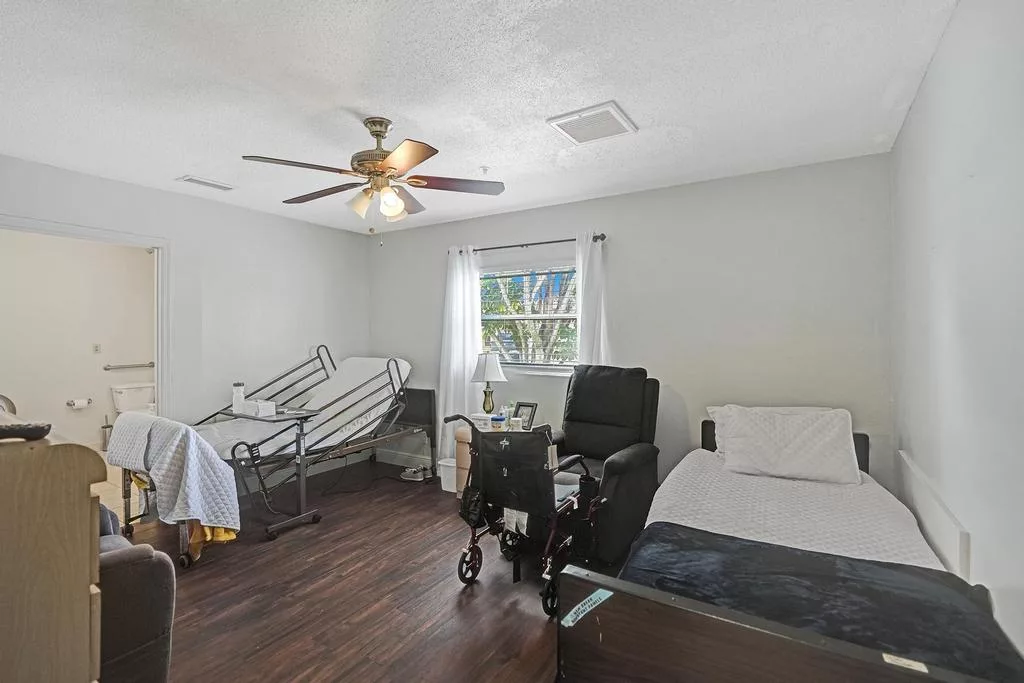
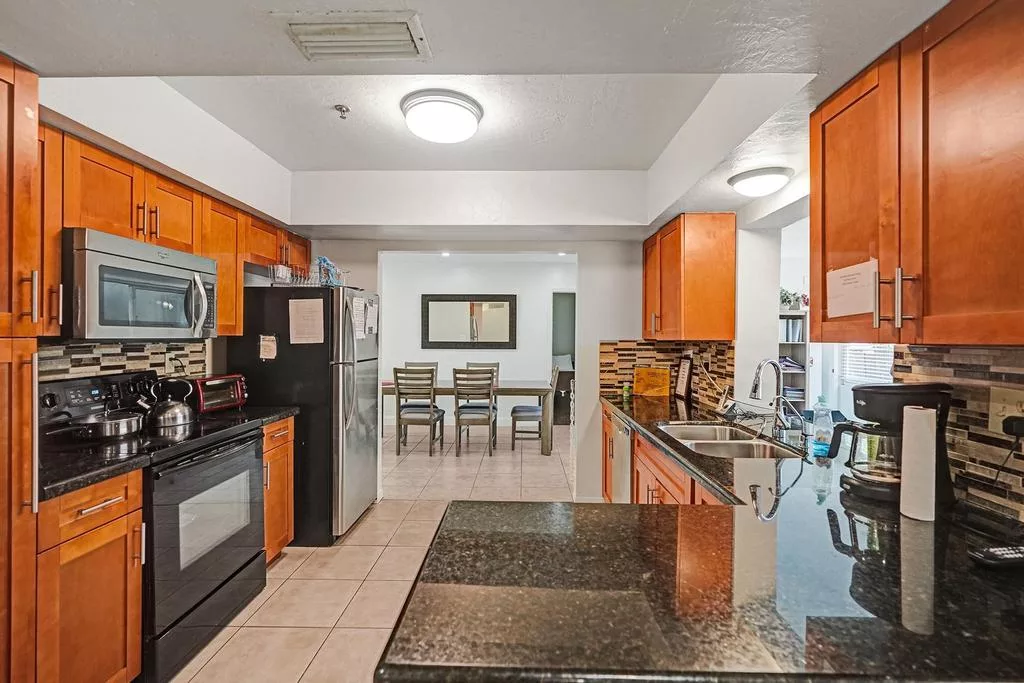
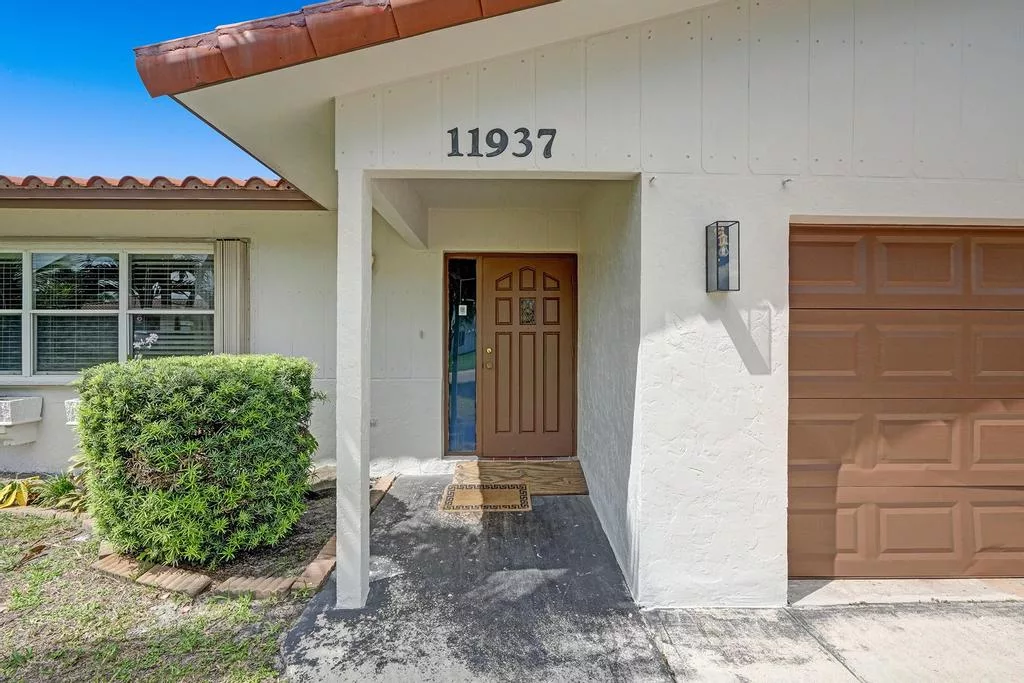
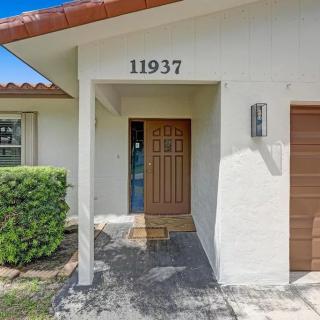
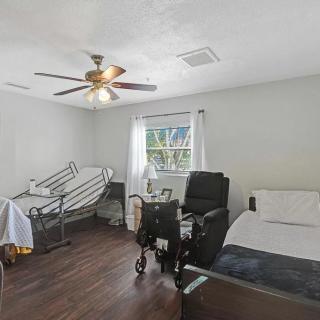
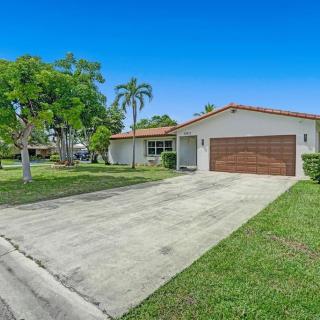
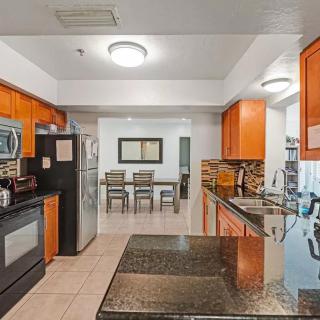
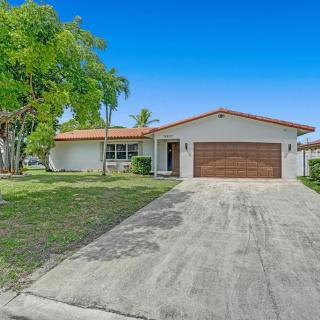
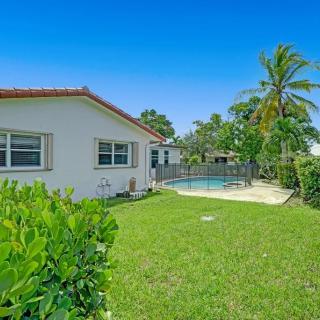
11937 NW 31st St, Coral Springs, FL 33065
To contact a resident: (954) 600-6935
For more information about senior living options: (866) 208-4318
Adult Family Home Senior Care Coral Springs Costs & Pricing
Adult Family Home Senior Care in Coral Springs offers a range of accommodation options that stand out when compared to both Broward County and the broader state of Florida. The costs for semi-private rooms at this facility are $4,000 per month, significantly higher than the county average of $2,902 and the state average of $3,009. For private rooms, residents can expect to pay $5,000 monthly, surpassing the county's average of $3,725 and Florida's average of $3,699. Similarly, a one-bedroom option is also priced at $5,000 per month - again above both local and state averages where prices are around $3,651 and $3,864 respectively. These figures reflect not only the quality and specialized care provided but also indicate that Adult Family Home Senior Care Coral Springs is positioned as a premium choice within a competitive market.
| Floor plans | Adult Family Home Senior Care Coral Springs | Broward County | Florida |
|---|---|---|---|
| Semi-Private | $4,000 | $2,902 | $3,009 |
| Private | $5,000 | $3,725 | $3,699 |
| 1 Bedroom | $5,000 | $3,651 | $3,864 |
Memory care communities with a similar price nearby
-
from -$200 / mo
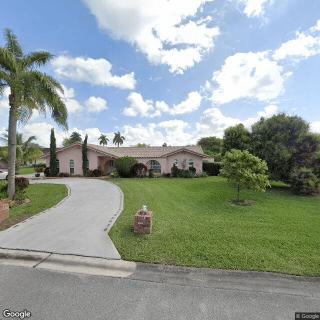
Coral Springs Country Club for Seniors
$3,800 to $4,500 / month0.4 miles away -
from +$440 / mo

Vi at Aventura, a CCRC
$4,440 to $7,638 / month23.6 miles away -
from -$485 / mo
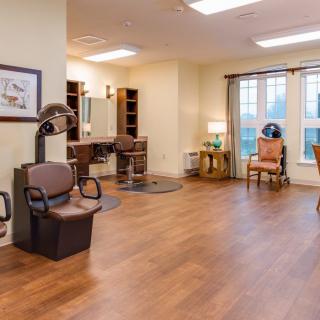
The Landing Of Lake Worth
$3,515 to $5,950 / month23.1 miles away -
from -$705 / mo

Mariposa
$3,295 to $5,110 / month21.3 miles away -
About the same
Dehoernle Alzheimer's Pavilion Inc.
$3,900 / month11.7 miles away
Overall Review of Adult Family Home Senior Care Coral Springs
Pros
 The staff are well trained, and residents are well taken care of.
- They go above and beyond for loved ones.
- The owner is impressive, engaged, and on top of things.
- The staff are caring and attentive, making visitors feel comfortable.
- Caregivers have worked there for years and appear to enjoy their jobs; they are pleasant and patient.
- The facility is clean and well maintained, and the food looks good and healthy.
- There are ongoing activities, including music and clown visits.
Cons
 They would have their loved ones ignored and given only bare minimum care at that care home.
Review
This community is best suited for families seeking a small, home-like setting in which elderly residents receive attentive, hands-on care from stable, long-tenured staff and an actively involved owner. It works well for seniors who value personal connections with caregivers, consistent routines, and regular social engagement, things that help lessen the impersonal feel of larger facilities. For residents who need extensive medical management, specialized memory care, or highly structured, hospital-like oversight, this may not be the first choice.
Those considering alternatives should focus on options with more pronounced medical infrastructure, larger campuses, or specialized memory-care programs. If the priority is ongoing around-the-clock nursing, high-intensity supervision, or highly regimented medical protocols, other communities may deliver more comprehensive capabilities. Families budgeting for care might also compare pricing and what’s included in care plans, since every setting structures services differently and cost certainty matters when plans change.
The strongest positives here come from the staff and leadership. Reviewers repeatedly cite well-trained, caring caregivers who stay with the community for years, creating dependable relationships and a sense of continuity for residents. The owner’s engagement is highlighted as a major plus, hands-on oversight tends to translate into smoother operations, quicker problem resolution, and clearer communication with families. In practice, this combination tends to yield residents who appear comfortable and well looked after, with families feeling confident about day-to-day supervision.
Cleanliness and a lived-in, welcoming atmosphere reinforce the practical benefits. The home is described as well kept, with staff who are pleasant and patient with residents, which matters for daily interactions and safety. Beyond basic care, the facility injects life into the routine: regular activities, the occasional music session, and even a clown visit that brightens days. The food is noted as healthy and appealing, which contributes to overall well-being and satisfaction for both residents and visiting family members. Together, these elements create a dependable environment where caregivers’ attentiveness is more than a slogan, it’s a lived experience.
Yet no setting is without risk, and this one has at least one clearly negative thread: a lone review railing against neglect and minimal care. That outlier is stark against the otherwise positive chorus, underscoring the need for diligence during tours and ongoing monitoring. The reassuring counterweight is the broader pattern of praise for staffing stability and owner involvement, which suggests that such concerns are not the norm. Pros outweigh cons for most families, but vigilance remains essential, observe how staff respond during visits, question weekend coverage, and verify escalation paths for medical or dietary needs.
In practical terms, families should plan a focused visit with a checklist: confirm current staff-to-resident ratios, learn how long caregivers typically stay, and ask how the home handles overnight or weekend coverage. Request examples of daily schedules, meal planning, and activity options to gauge whether social engagement aligns with the resident’s preferences. Given the owner’s active role, inquire about communication channels for updates and concerns, and request transparent explanations of any changes in care plans. Taken together, these steps help ensure that the promising foundation, trained, loyal staff; engaged leadership; a clean, warm environment; and meaningful activities, translates into consistently high-quality care.
Overall, this Coral Springs community stands out as a solid choice for families prioritizing a intimate, people-centered approach to senior living. It delivers meaningful advantages in staff consistency, owner accountability, and daily livability, which can translate into genuine peace of mind for families and comfort for residents. For those with more intensive medical or memory-care needs, or for families who want a larger, more clinical setting, alternatives should be explored. But for most who value dependable caregiving, social vitality, and a cheerful, well-maintained home environment, this option warrants serious consideration and a direct, in-person assessment.
 Board and Care Home
 Memory Care
 Activities off-site
 Bath tubs
 Indoor common areas
 Outdoor common areas
 Private
 Respite or short term stays offered
 Wheelchair accessible showers
 Fort Lauderdale-Hollywood International (16 miles away)
 Ambulatory care
 Diabetic care
 Incontinence care
 Medication management
 Meals provided




 Understanding Dementia Through Its Seven Stages: A Comprehensive Look at Progression and Expectations
 A Holistic Dementia Care Guide: Effective Strategies for Memory Support
 Comprehensive Insights into Activities of Daily Living (ADLs) and Their Assessment