Eastbrooke Gardens Costs & Pricing
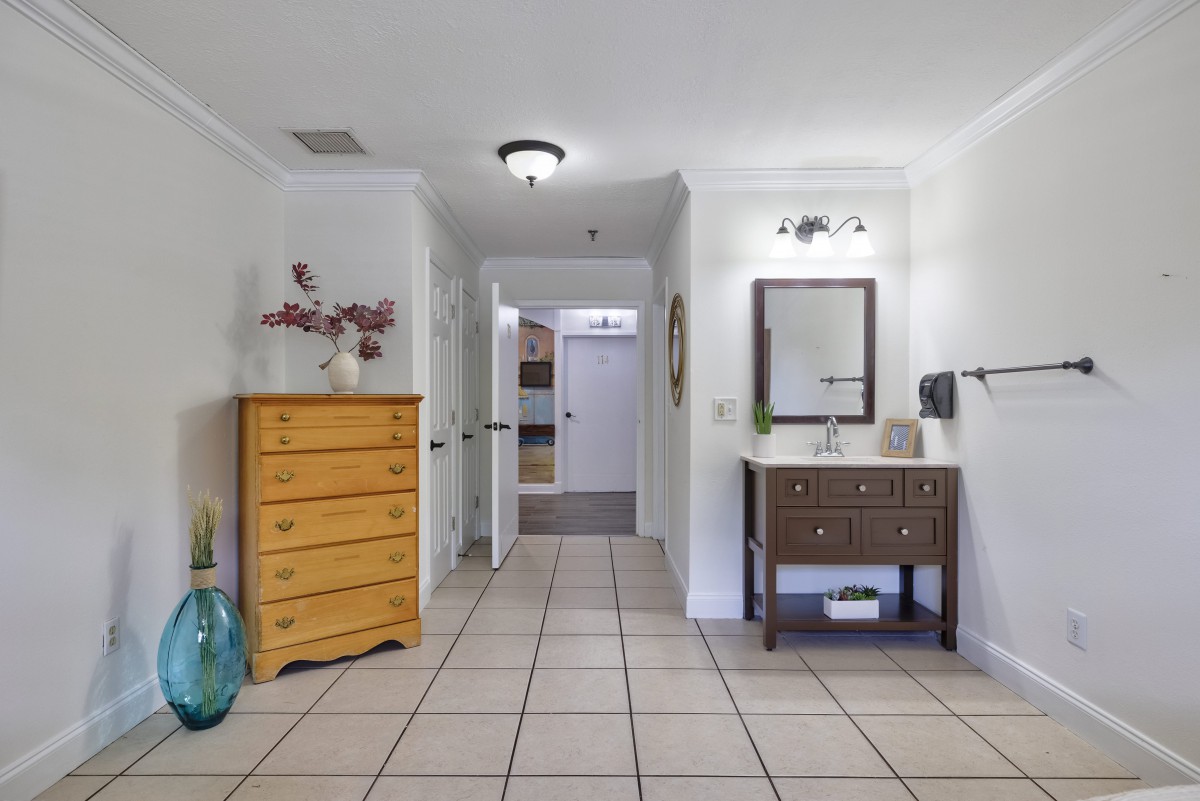
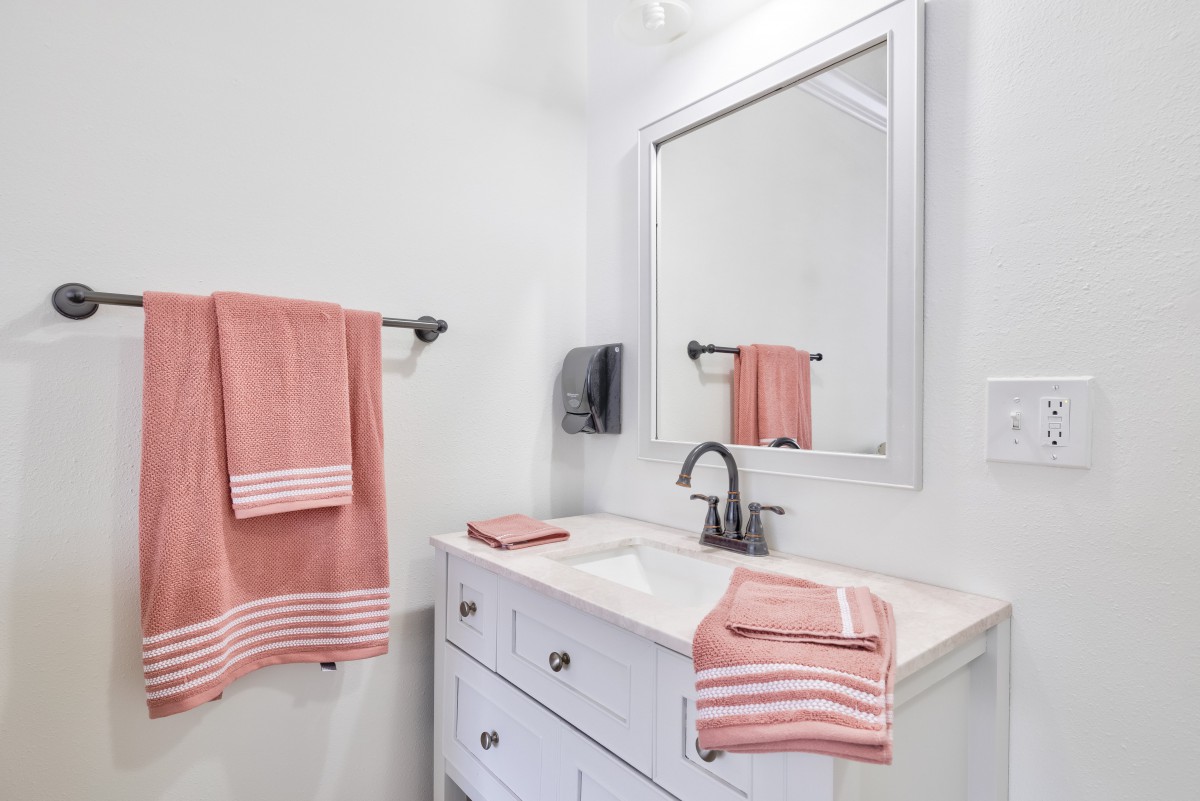
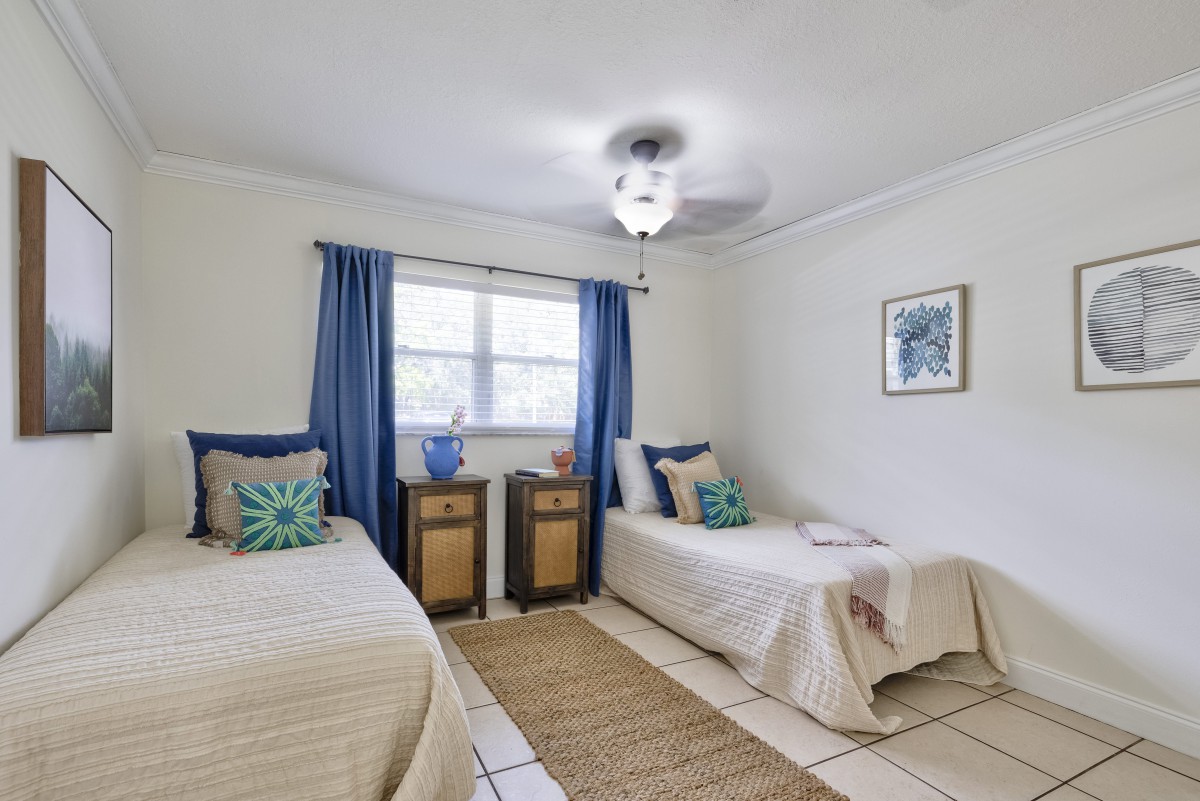
At Eastbrooke Gardens, the cost for a semi-private room is set at $3,750 per month, which places it slightly above the average for Seminole County, where similar accommodations are priced at approximately $3,524. When compared to the broader state of Florida, where semi-private rooms generally cost around $3,009, Eastbrooke's rates reflect both the quality of care and amenities offered. For those considering studio apartments at Eastbrooke Gardens, the monthly fee is $4,875 - again positioning it higher than the county's average of $4,030 and Florida's typical rate of $3,823. These figures suggest that while Eastbrooke Gardens charges a premium relative to its local and state counterparts, this may be indicative of enhanced services or a more desirable living environment tailored to meet residents' needs.
| Floor plans | Eastbrooke Gardens | Seminole County | Florida |
|---|
| Semi-Private | $3,750 | $3,524 | $3,009 |
| Studio | $4,875 | $4,030 | $3,823 |
Memory care communities with a similar price nearby
-
About the same
Ponce Adult Family Care
$3,800 to $5,500 / month
14.8 miles away
-
About the same

Sancerre at Orange City
$3,750 to $5,775 / month
17.2 miles away
-
from +$722 / mo

Azpira at Windermere
$4,472 to $6,916 / month
17.0 miles away
-
from -$725 / mo

Gentry Park
$3,025 to $4,455 / month
12.9 miles away
-
About the same
Brookdale Dr. Phillips
$3,855 to $5,490 / month
16.4 miles away
Overall Review of Eastbrooke Gardens
caveat
16 reviews mention this
Cleanliness is a mixed signal
Cleanliness receives both strong praise and serious complaints.
Several residents and visitors describe the community as clean, including praise for clean spaces and a tidy environment. At the same time, multiple reviewers report ongoing sanitation concerns, including urine odors and hygiene problems like soiled conditions in rooms and hallways. A few reviews also point to health and dignity issues they attribute to care failures tied to sanitation. Overall, residents describe a cleanliness experience that varies widely by reviewer.
common
37 reviews mention this
Staff care is repeatedly praised
Residents and families consistently describe staff as caring and responsive.
Across many reviews, families describe pleasant, friendly staff who treat residents with warmth and respect. Multiple reviewers specifically mention staff going above and beyond—helping with questions, assisting with transitions, and interacting with residents during visits. Several also highlight continuity of day-to-day support through aides, nurses, and care teams, including help coordinating with families. A smaller set of reviews contradicts this, saying staffing levels and care quality can fall short, but the dominant theme is strong staff support and engagement.
common
4 reviews mention this
Food gets consistent positive feedback
Meals and food quality are a frequent bright spot.
Some residents and families describe the food as great, delicious, and decent for a facility. Others mention enjoying meals during visits, reinforcing that dining is part of daily life. The community’s dining offering includes restaurant-style dining and room service, along with meal options tied to dietary needs. This matches the way positive reviewers talk about the day-to-day food experience.
differentiator
11 reviews mention this
Memory care activities keep residents engaged
Day-to-day engagement through activities is a defining experience.
Many reviews describe residents staying engaged through music, games, and structured day activities typical of memory care. Families also mention positive moments like residents dancing, singing, and spending time with staff and others. The community offers on-site and off-site activities, along with devotional activities and day trips and outings, which aligns with reviewers describing frequent involvement. Reviewers also connect these activities to improved mood and a sense of home.
caveat
7 reviews mention this
Staffing and skilled care are concerns
Some residents’ families report problems with staffing and skilled care.
While many reviewers praise care, multiple critical reviews describe being short staffed and not having enough help when needed. A few reviews connect those staffing complaints to missed medication coordination, supervision issues, and delayed responses during health concerns. Others describe underqualified or revolving staffing as a factor in care decline. These comments stand out as the most recurring source of dissatisfaction around day-to-day support.
caveat
3 reviews mention this
Pricing feels tight for some families
Cost is described as a value question for some families.
Some reviewers say the community provides good value, while at least one explicitly calls the value for the cost a little stiff. Pricing spans from $3,750 to $4,875, and those ranges are positioned slightly above county and noticeably above state averages for the listed unit types. A few reviews also mention affordability directly, suggesting the overall experience depends on what families expect and how long care is needed. That contrast helps explain why cost shows up as both praise and complaint.
How we summarize
Counts show how many written reviews mention each theme; a review can touch several themes, and only frequently mentioned themes are displayed.

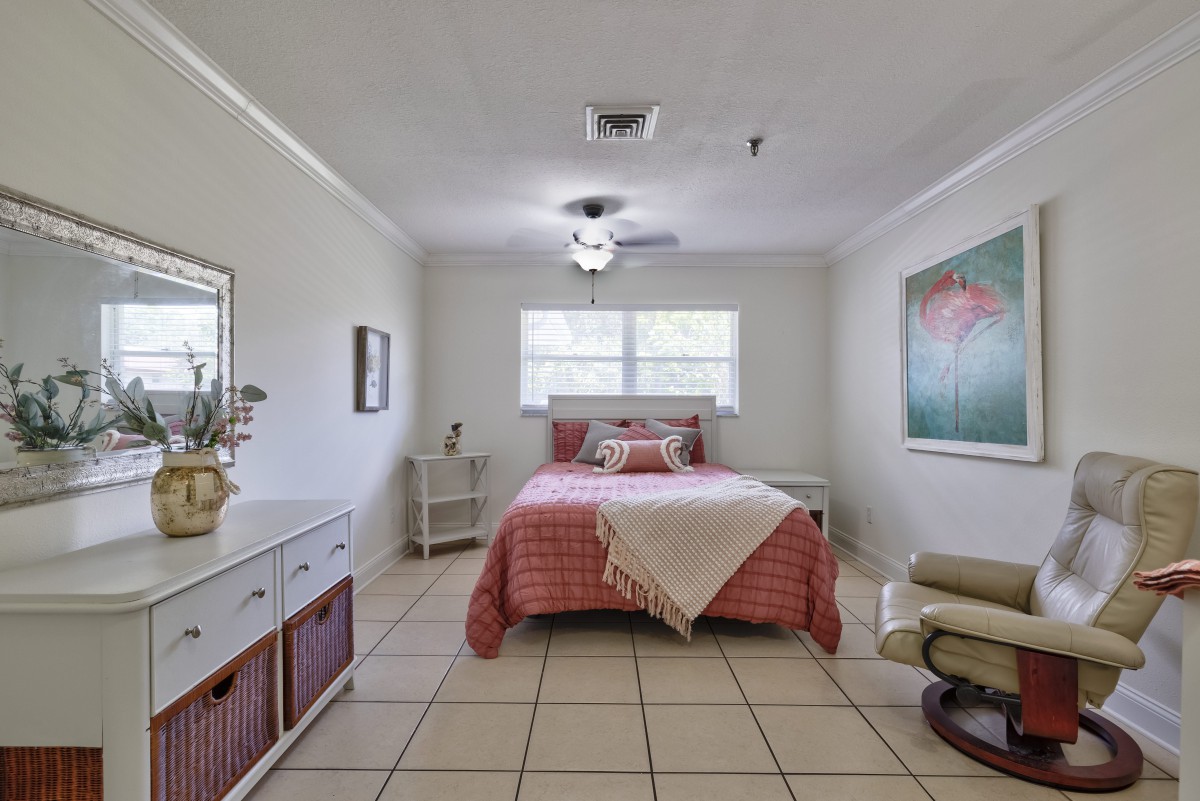
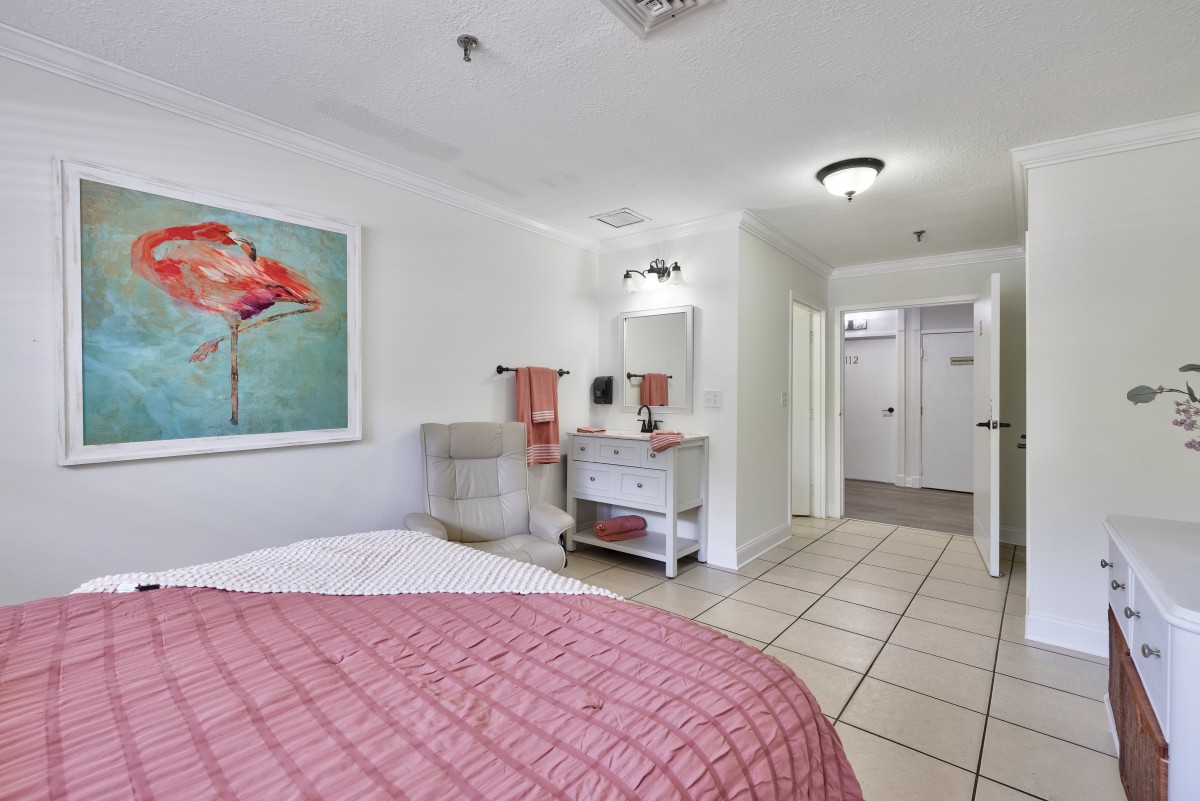
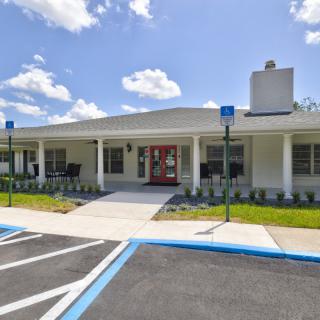
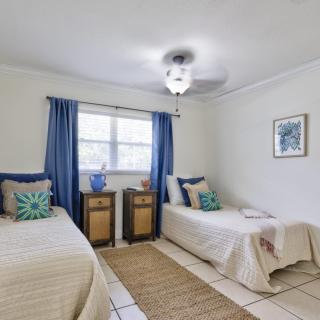
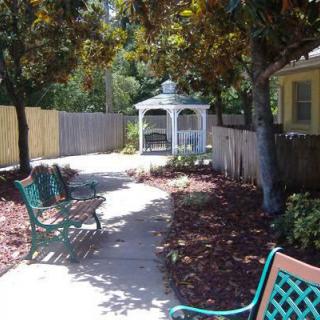
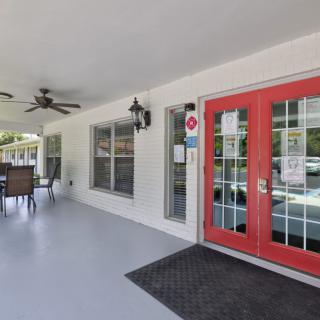
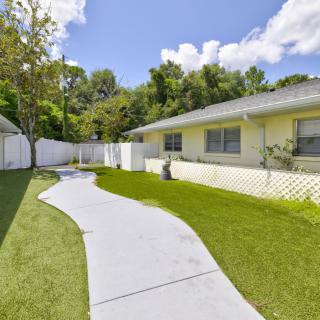
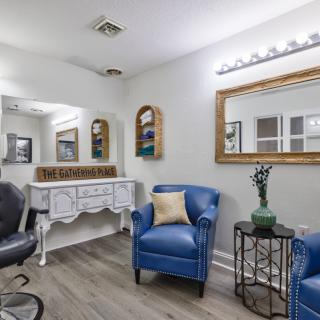

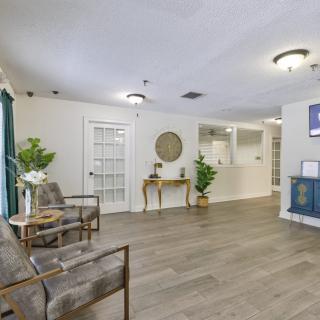
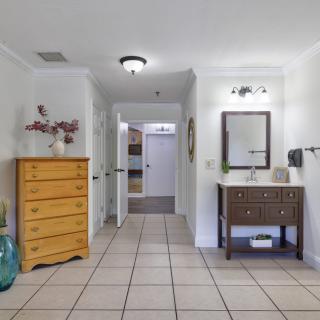
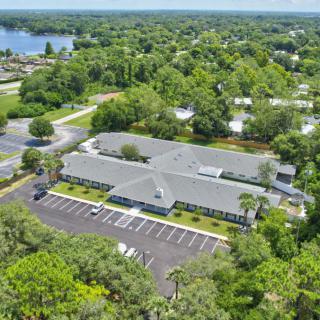
 Memory Care
 Activities off-site
 Air-conditioning
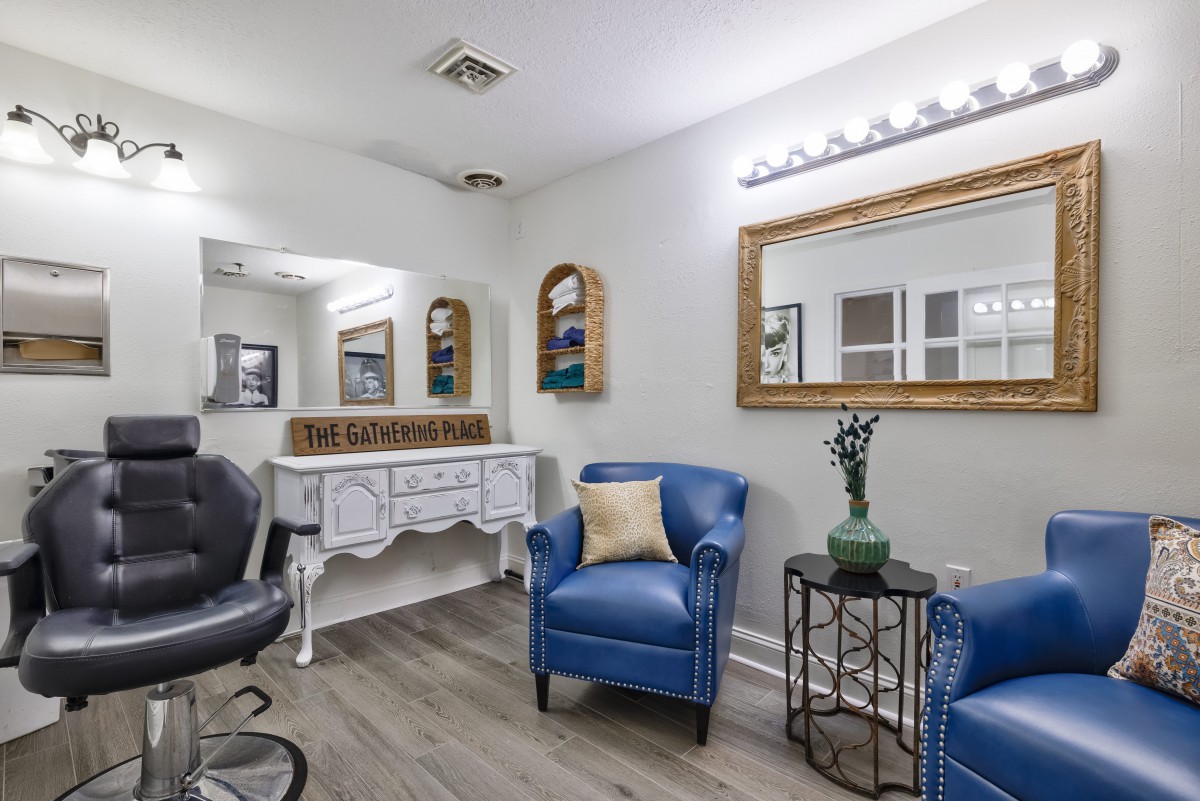
 Beautician on-site
 Devotional services off-site
 Ground floor units
 Handicap accessible
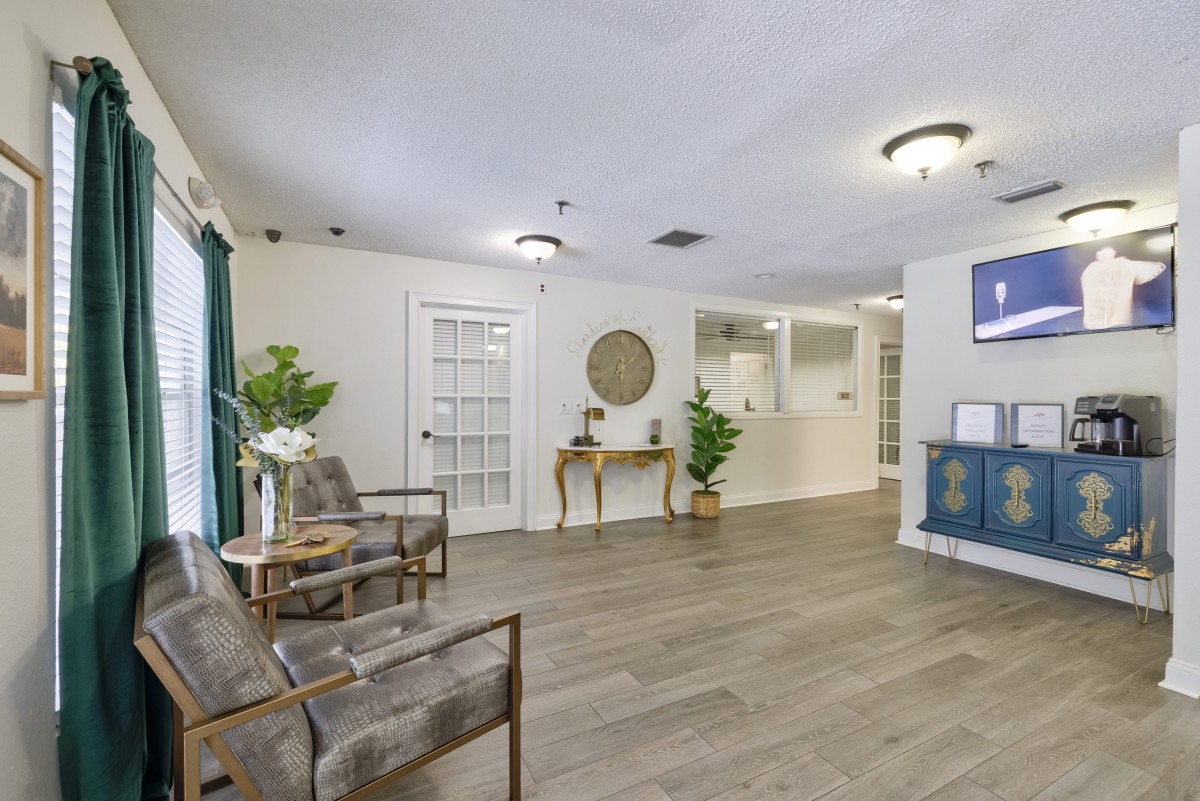
 Indoor common areas
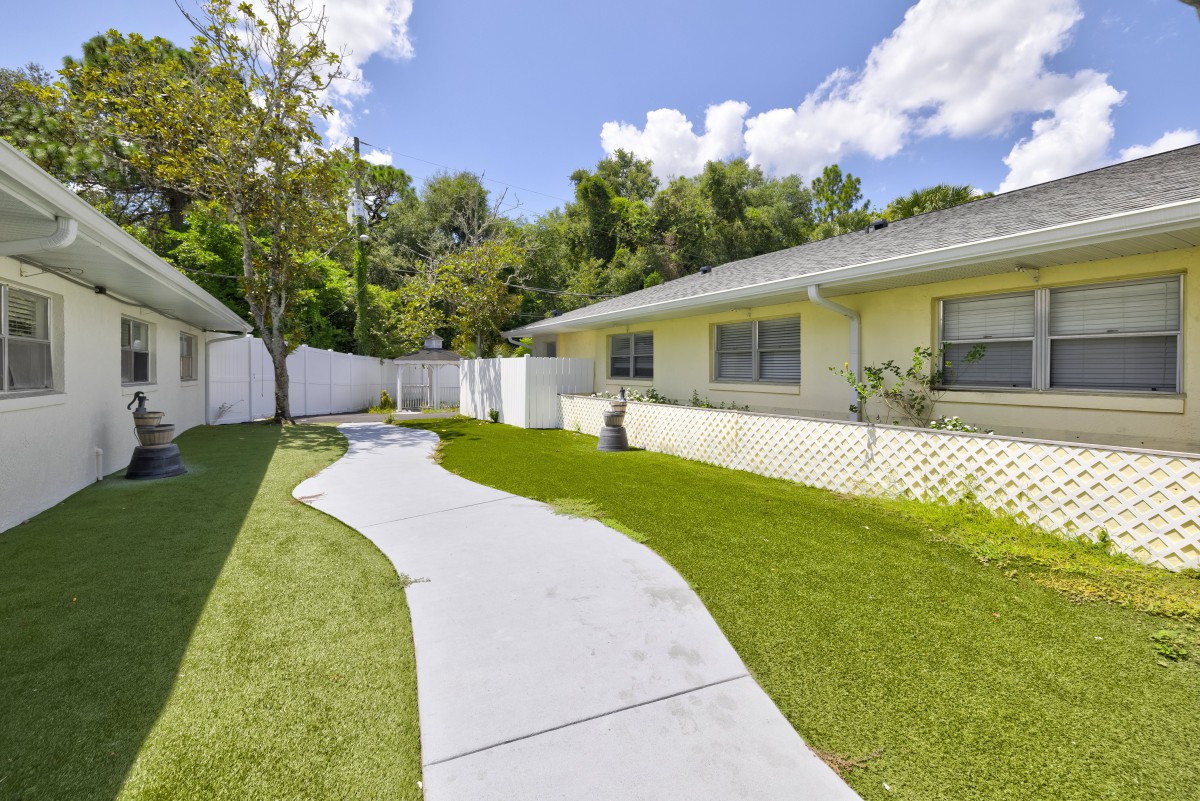
 Outdoor common areas
 Respite or short term stays offered
 Wheelchair accessible showers
 Wi-Fi/high-speed internet available
 Orlando International (17 miles away)
 Ambulatory care
 Diabetic care
 Incontinence care
 Medication management
 Guest meals
 Art classes
 Catholic services
 Cooking classes
 Day trips and outings
 Live dance or theater performances
 Live musical performances
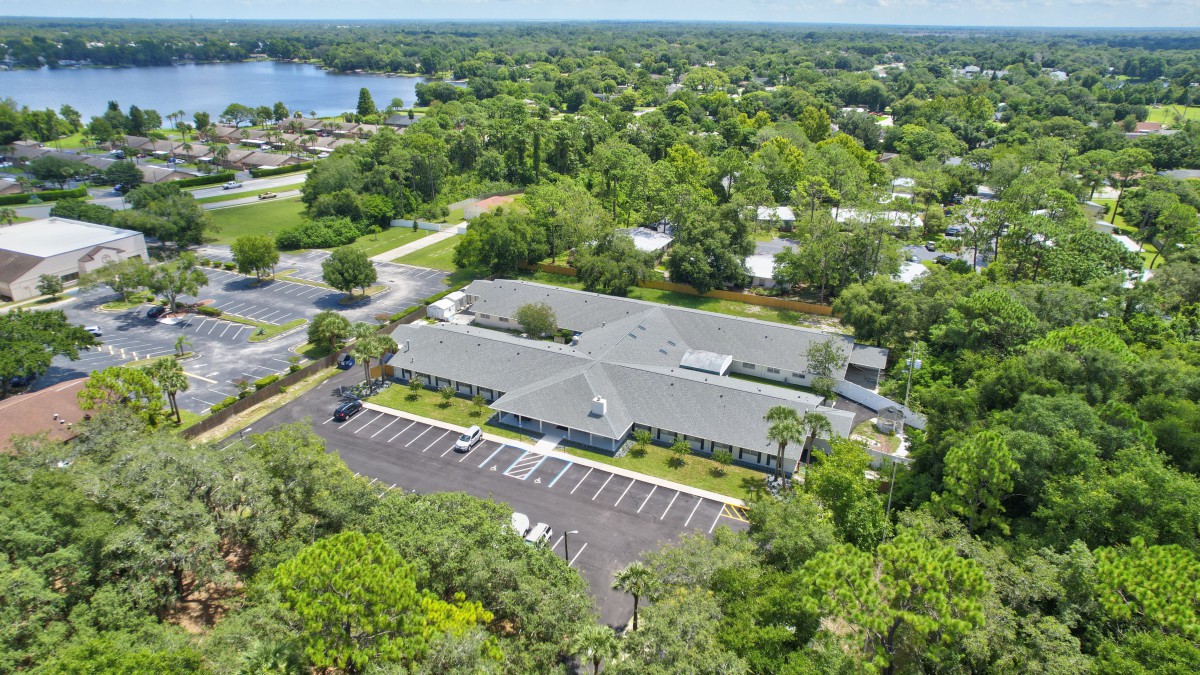
 Caring staff with engaging activities and a clean, homelike environment.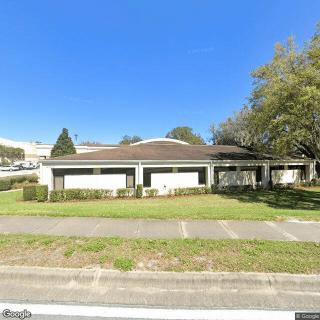




 Comprehensive Guide to VA Nursing Homes: A Crucial Long-Term Care Resource for Veterans
 Estimating the Expenses of At-Home Dementia Care: A Detailed Exploration
 Comprehensive Insights on the Late Stages of Dementia: What to Expect and How to Provide Care