
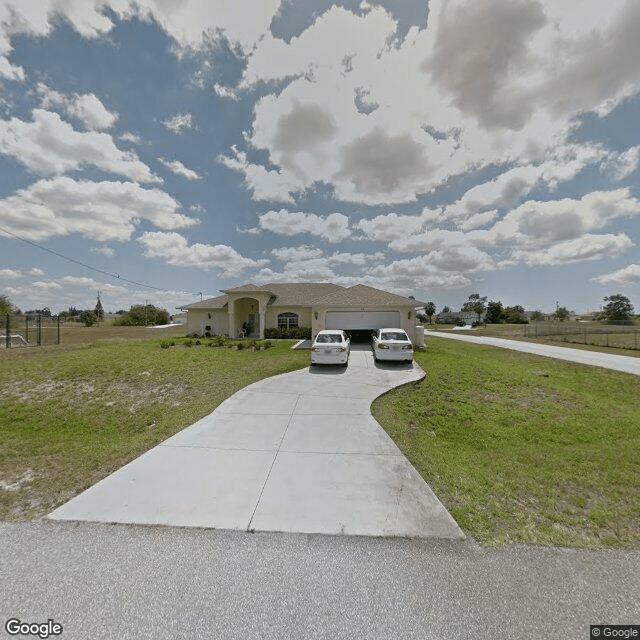
418 NW 21st Terrace, Cape Coral, FL 33993
To contact a resident: (239) 822-2310
For more information about senior living options: (866) 208-4318
New Beginning Assisted Living Costs & Pricing
New Beginning Assisted Living offers a range of room types with pricing that varies based on accommodations, reflecting both the quality of care and local market conditions. For semi-private rooms, costs range from $2,500 to $4,395, which is competitive compared to the average in Lee County at $3,538 and Florida's state average of $3,009. Studio apartments are priced between $3,000 and $4,995, aligning closely with Lee County's average of $3,874 and slightly above the state average of $3,823. Private rooms range from $3,000 to $5,895; here too, New Beginning remains competitive as it exceeds the county's average of $4,293 but still falls within reasonable limits relative to Florida's statewide figure of $3,699. Finally, their one-bedroom units are offered at a fixed rate of $5,995 - this is notably higher than both county and state averages (Lee County: $4,049; Florida: $3,864). Overall, while some options exceed regional averages for similar facilities in Lee County and Florida overall, New Beginning Assisted Living maintains a broad spectrum of pricing that reflects its commitment to providing quality care tailored to individual needs.
| Floor plans | New Beginning Assisted Living | Lee County | Florida |
|---|---|---|---|
| Semi-Private | $2,500 to $4,395 | $3,538 | $3,009 |
| Studio | $3,000 to $4,995 | $3,874 | $3,823 |
| Private | $3,000 to $5,895 | $4,293 | $3,699 |
| 1 Bedroom | $5,995 | $4,049 | $3,864 |
Memory care communities with a similar price nearby
-
from -$200 / mo

Noble Senior Living at Fort Myers
$2,300 to $3,800 / month10.9 miles away -
About the same
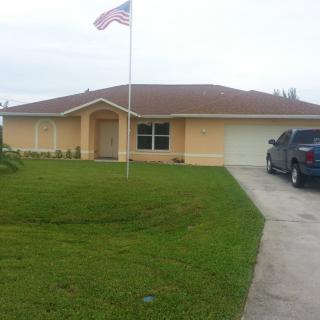
Village I Assisted Living Facility
$2,500 to $4,300 / month6.4 miles away -
from +$125 / mo

Discovery Commons Cypress Point
$2,625 to $6,000 / month14.7 miles away -
About the same
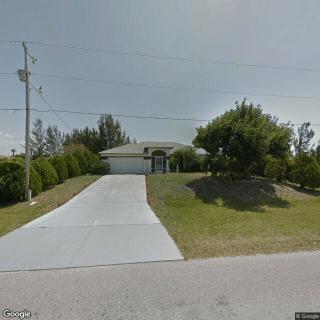
Cristina's Adult Family Care Home
$2,500 to $3,000 / month5.4 miles away -
from -$105 / mo
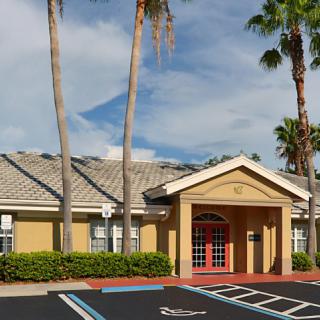
Pacifica Senior Living Fort Myers
$2,395 to $3,195 / month13.3 miles away
Overall Review of New Beginning Assisted Living
Pros
 This is the greatest find in Cape Coral for care that feels like home.
- There is excellent professional medical care with a warm, loving heart that makes life in the community feel like home.
- They go the extra mile to make their residents happy.
- Junia Osme is an outstanding caregiver.
Cons
 The facility's staff, care, and overall quality of life offered to residents were not impressive.
- There are no activities, making it the epitome of boring.
- It felt like sitting and waiting to die, which was depressing.
- Staff sat and texted on their cell phones or watched TV during visits, leaving the loved one unhappy.
- There were sugar ants in the resident's room, suggesting staff should be overseeing such issues.
- The mid-day meal was a skimpy sandwich, implying lunch was not the main meal of the day.
- The loved one was miserable there and ended up in the hospital and passed.
- New Beginning has not proven to be a good fit for the father and needs more staff to handle sundowning.
Review
New Beginning Assisted Living in Cape Coral is best suited for families seeking a small, home-like environment where a dedicated caregiver presence can make daily life feel personal and comfortable. It appeals to seniors who value warmth, quiet atmosphere, and a staff member who can deliver attentive care in a residential setting rather than a large campus. The strongest case is made for residents who respond well to a low-key routine and a caregiver who can foster a sense of “home” despite the limitations of a smaller operation. For families on a tighter budget who still want compassionate, individualized attention, this community can be a reasonable option if expectations stay modest.
Those weighing alternatives should pay close attention to needs that may outgrow a converted home model. If a loved one requires abundant social programming, frequent structured activities, or robust, visible staffing during daytime hours, other communities will likely outpace this one. Sundowning or other complex behavioral needs demand more staff and planning than what a quiet, residential home typically provides, and that gap can drive distress for both resident and family. Additionally, the absence of visible, consistent engagement during visits, versus a more lively activity calendar, becomes a meaningful mismatch for families prioritizing ongoing stimulation. For those prioritizing clinical depth and a hospital-like menu of services, consider options with larger teams and clearer escalation pathways.
On the positives, the facility earns credibility through a tangible sense of home and genuine caregiving effort. A caregiver named Junia Osme is repeatedly highlighted as outstanding, signaling that individual staff dedication can translate into meaningful daily support. When care feels heartfelt and personalized, it can compensate, to some degree, for the constraints of a smaller operation. The emphasis on warm, humane management, “care like you would at home”, resonates with families seeking dignity and familiarity in a living situation that still provides professional medical attention. This is not a cold clinical setting; it is a place where residents can be treated with kindness and respect, and where staff appear motivated to go the extra mile for residents who respond to that level of attention.
The drawbacks, however, are substantive and not easily dismissed. Several reviews describe a pronounced lack of activities, creating an environment that feels stagnating and depressing for residents who crave engagement. Observations of staff appearing disengaged, texting or watching TV during visits, undercut the promise of attentive care and can erode quality of life over time. Practical concerns surface as well: ants in a room and a mid-day meal described as skimpy point to gaps in daily operations that families must monitor closely. The most consequential challenge is sundowning in a loved one, which another family notes requires more staff than is presently available; this deficiency can escalate anxiety and disrupt routines, undermining the very comfort the setting aims to provide.
The core question centers on whether the strengths sufficiently offset the drawbacks. For residents who thrive on a serene, home-forward atmosphere and benefit from one-on-one attention from a standout caregiver, the environment can feel like a good match. The same staff dedication that earns praise can, in practice, offset some of the emotional strain of a small campus. Yet the absence of robust daytime programming and the strain of sundowning difficulties mean the pros do not fully neutralize the cons for all families. If the loved one’s needs include active social engagement, predictable daily structure, and consistent, higher-per-capacity staffing, this community risks leaving gaps that matter in daily life and overall wellbeing.
Bottom line: New Beginning Assisted Living serves a distinct niche within Cape Coral’s senior-care landscape. It is best approached by families prioritizing a homey, intimate setting and dependable, compassionate caregivers, with the understanding that activities are limited and staffing levels may not meet more intensive needs. Those with budget flexibility who value a warm, person-centered approach might accept the trade-offs for the sake of dignity and comfort. Conversely, families confronting sundowning challenges, or who require rich programming and stronger daytime staffing, should seriously explore alternatives with larger teams and fuller activity calendars. Prospective residents should visit with a clear checklist: observe staff interaction quality during a typical day, request a sample weekly activity calendar, review meal portions and menu variety, verify pest-control and room-maintenance standards, and verify the availability of additional medical supports if needs escalate.
 Board and Care Home
 Memory Care
 Activities off-site
 Bath tubs
 Devotional services off-site
 Indoor common areas
 Outdoor common areas
 Private
 Respite or short term stays offered
 Wheelchair accessible showers
 Southwest Florida International (18 miles away)
 Ambulatory care
 Diabetic care
 High acuity care
 Incontinence care
 Medication management
 Meals provided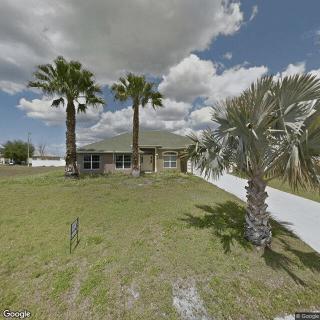



 Understanding Dementia Behaviors: Practical Insights and Strategies for Caregivers
 When Dementia Sparks Anger and Aggression: Understanding the Connection and Ways to Cope
 Dementia Behaviors: In-Depth Understanding and Effective Coping Strategies