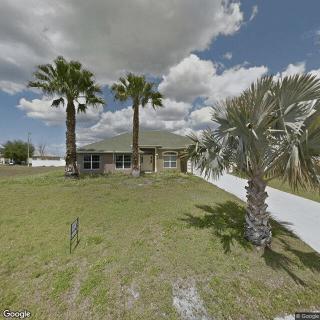
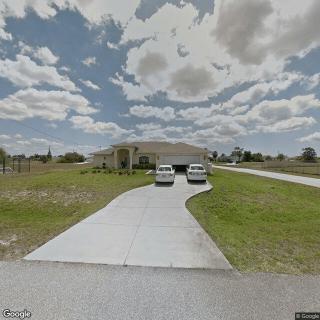
La Colonia III

1221 North West 12Th Place, Cape Coral, FL 33993

For more information about senior living options: (844) 490-3973

3 from 4 reviews
5 stars
2
4 stars
0
3 stars
0
2 stars
0
1 stars
2

Assisted Living

What level of care are you interested in?

Assisted Living

Memory Care

Independent Living

Skilled Nursing Facility

Continuing Care Retirement Community (CCRC)CCRC

Other


Request a tour at La Colonia III

    Overall Review of La Colonia III

    Cons

    • pro The facility at 637 SE 12th Court serves sandwiches for dinner and only offers a hot meal at lunch.
    • pro Having only one hot meal per day is considered inadequate.
    • pro The reviewer describes the facility as horrible.
    • pro The resident must be fed by ordering out so they can eat.
    • pro The reviewer had a contract and worked hard to place a resident there, but the facility refused to pay for over a year.
    • pro The reviewer warns others not to put a loved one there.

    Review

    A series of strong complaints has centered on the care facility located at 637 SE 12th Court, with one recurring thread running through the comments: the dining routine and what residents are actually served, plus a long-running billing dispute. The voices behind these accounts describe a pattern of meal service that many readers would find troubling for an elder-care setting. According to the reviewer, dinners consist primarily of sandwiches, and there is a conspicuous lack of hot meals in the evenings. The claim is that a hot meal is only available at lunch, leaving residents with limited hot options later in the day. The emphasis in these accounts is not just taste or variety but nutritional adequacy and consistent access to a hot meal, which many families consider essential for daily comfort and health. The reviewer notes that, as a result, some residents appear to rely on outside food orders simply to obtain a meal that can be deemed "hot" and satisfying.

    The narrative goes further to describe the practical consequences of this meal pattern. Families and visitors told of situations where the standard dinner offering did not meet basic expectations for hot nutrition. In some cases, the accounts imply that residents may end up needing meals ordered in from outside the facility to bridge the gap between lunch and the next available hot meal. This is presented not merely as a preference issue but as a matter of ensuring proper daily nourishment for residents who may have heightened dietary needs or preferences. The tone conveys frustration with what the reviewer perceives as an ongoing, systemic shortfall in the facility's dining program.

    Beyond the food concerns, the accounts include a serious financial grievance connected to the same location. One individual claims to have placed a resident there under a contractual arrangement, only to have the facility refuse payment for that placement. The complaint states that this dispute has persisted for more than a year, with the facility allegedly withholding payment despite the effort and work put into placing the resident. The insistence that the facility has not paid is presented as a core part of the overall dissatisfaction, amplifying the sense that the relationship between the facility and the people who place or support residents there has become strained and adversarial.

    The overall impression conveyed by the writer is one of deep dissatisfaction and concern. The facility is described in strongly negative terms, with phrases such as "horrible" used to characterize the experience. The reviewer emphasizes the impact of these problems on families who are trying to navigate elder care for their loved ones. The frustration is not limited to meals or financial transactions; it is framed as part of a broader sense that the facility may fail to meet basic expectations for safety, dignity, and reliable service. The language used underscores the emotional toll of balancing care needs, meal satisfaction, and financial disputes all tied to the same institution.

    A clear message within the account is a warning to others: do not place a loved one at this facility. The reviewer urges prospective families to approach the situation with caution, to scrutinize the facility's practices closely, and to seek alternatives. The insistence that others should avoid this location rests on multiple grievances - dining concerns, access to hot meals, and the unresolved payment dispute - collectively painting a picture of a place that, in the reviewer's view, fails to meet important standards for elder care.

    In reflecting on these claims, it's important to recognize that they come from a single or limited set of personal experiences. The statements describe specific incidents and perceptions about meals and billing, and they carry strong emotional weight. Readers should consider independently verifying such concerns with other residents, their families, and state regulatory resources before forming a definitive judgment about the facility's overall quality of care. If you are evaluating care options for a loved one, it may be prudent to request a direct tour, observe meal offerings across different days, speak with current residents and staff, and check with relevant regulatory bodies about any citations or inspections tied to this location.

    If you are concerned after reading these accounts, you can take practical steps to get a fuller, verified picture. Contact the state department of health or an elder-care ombudsman to inquire about inspection reports, complaints, and corrective actions at the facility. Ask for a detailed meal plan and dietary accommodations schedule, and request to see menus and kitchen practices over a representative period. When considering placement, obtain written assurances about billing practices, dispute resolution processes, and timelines for payments related to any placement or professional services. By gathering information from multiple sources, you can form a more balanced view of the facility's operations and whether it aligns with the care standards you expect for a loved one.

    Features

    Housing

    • 5 resident community capacity 5 resident community capacity

    Types of Care

    • Assisted Living Assisted LivingAssisted living facilities provide crucial support and care for seniors who may need help with daily tasks such as medication management, bathing, and meal preparation. These communities offer a safe and comfortable environment where seniors can maintain their independence while receiving the assistance they need to thrive in their golden years.

    Amenities

    • Cable or satellite TV Cable or satellite TVCable or satellite TV is important for seniors because it provides entertainment, news, and companionship, helping to combat loneliness and boredom. It also offers a wide range of programming options tailored to different interests and preferences.
    • Dining room Dining roomDining rooms are important for seniors as they provide a space for socialization, connection, and nutritious meals. They offer opportunities for residents to bond over shared meals, foster a sense of community, and promote healthy eating habits. Dining rooms also ensure that seniors have access to well-balanced meals tailored to their dietary needs and preferences.
    • Fully furnished Fully furnishedFully furnished senior living communities are important for seniors because they provide convenience, comfort, and a hassle-free moving experience. Seniors can easily settle into their new living space without the stress of having to buy and move furniture. This allows them to focus on enjoying their new home and community.
    • Garden GardenGardens are important for seniors as they provide a peaceful and therapeutic environment for relaxation, physical activity, and socialization. Being in nature has been shown to reduce stress, improve mood, and promote overall well-being. Gardens also offer opportunities for seniors to engage in gardening activities, which can improve mobility, flexibility, and cognitive function. Additionally, gardens create a sense of community and connection with others who share a passion for plants and outdoor spaces.
    • Housekeeping services Housekeeping servicesHousekeeping services are important for seniors because they help maintain a clean and safe living environment, promote independence, and reduce the risk of accidents or illnesses. Additionally, having assistance with household chores can alleviate physical strain and allow seniors to focus on other aspects of their well-being.
    • Move-in coordination Move-in coordinationMove-in coordination is important for seniors because it helps ease the transition into their new living environment. It ensures that all logistics, such as packing, organizing movers, and setting up utilities are taken care of, allowing seniors to focus on settling in and adjusting to their new home. Having a smooth move-in process can alleviate stress and anxiety, making the transition smoother and more enjoyable for seniors.
    • Outdoor space Outdoor spaceOutdoor spaces are important for seniors as they provide opportunities for physical activity, social interaction, exposure to natural light and fresh air, and a sense of connection to nature. Having access to outdoor spaces can improve overall well-being and quality of life for older adults living in senior communities.
    • Telephone TelephoneTelephones are important for seniors as they provide a lifeline for communication with loved ones, emergency services, and healthcare providers. They offer a sense of security and independence, enabling seniors to stay connected and access assistance when needed.
    • Wi-Fi/high-speed internet available Wi-Fi/high-speed internet availableWi-Fi/high-speed internet is important for seniors to stay connected with loved ones, access online resources, and participate in virtual activities to combat feelings of loneliness and isolation. It also allows them to easily manage healthcare needs, access entertainment, and engage in lifelong learning opportunities.

    Transportation

    • Southwest Florida International (18 miles away) Southwest Florida International (18 miles away)

    Care Services

    • 24-hour supervision 24-hour supervision24-hour supervision is important for seniors to ensure their safety, well-being, and access to immediate assistance in case of emergencies or health issues. This constant support provides peace of mind for both seniors and their loved ones, allowing them to age in place with dignity and security.
    • Activities of daily living assistance Activities of daily living assistanceActivities of daily living assistance are important for seniors because they provide essential support with tasks such as eating, bathing, dressing, and mobility. This assistance helps seniors maintain their independence, dignity, and overall quality of life as they age.
    • Assistance with bathing Assistance with bathingAssistance with bathing is crucial for seniors as it helps maintain personal hygiene, prevents infections, and ensures their overall well-being and comfort. It also provides a sense of dignity and independence for seniors who may struggle with this task on their own.
    • Assistance with dressing Assistance with dressingAssistance with dressing is important for seniors because it helps maintain their independence, promotes personal hygiene, prevents accidents and injuries, and improves overall quality of life. This service ensures that seniors can continue to dress comfortably and confidently, despite any physical limitations they may have.
    • Assistance with transfers Assistance with transfersAssistance with transfers is crucial for seniors as it helps prevent falls and injuries, maintains their independence, and ensures they can safely navigate their living environment. It also provides peace of mind for both seniors and their loved ones.
    • Coordination with health care providers Coordination with health care providersCoordination with health care providers is crucial for seniors to ensure proper medical care, medication management, and overall well-being. This collaboration helps prevent overlapping treatments, track progress more effectively, and provide comprehensive support tailored to individual needs.
    • Diabetes diet Diabetes dietA diabetes diet is crucial for seniors as it helps manage blood sugar levels, reduce risks of complications, and improve overall health and well-being. By following a balanced and nutritious diet tailored to their specific needs, seniors can better control their diabetes and enhance their quality of life.
    • Meal preparation and service Meal preparation and serviceMeal preparation and service are crucial for seniors as they may have limited mobility or energy to cook nutritious meals. Having access to healthy and convenient food options can ensure they are getting the proper nutrition needed to maintain their overall health and well-being.
    • Medication management Medication managementMedication management is crucial for seniors to ensure they are taking the right medications at the correct dosages and times. This helps prevent adverse drug interactions, reduces the risk of medication errors, and promotes overall health and well-being. Proactive management also allows for adjustments as needed based on changing health conditions or new prescriptions.
    • Special dietary restrictions Special dietary restrictionsSpecial dietary restrictions are important for seniors because age-related changes in metabolism and health conditions can make it difficult for their bodies to process certain foods. By following a diet tailored to their specific needs, seniors can maintain their overall health and well-being, manage chronic conditions, and reduce the risk of complications such as malnutrition or food interactions with medications.
    • Transportation arrangement (medical) Transportation arrangement (medical)Transportation arrangements for medical purposes are essential for seniors as they may have difficulty driving themselves to appointments or accessing public transportation. Having reliable and safe transportation options ensures that seniors can receive timely medical care and maintain their health and well-being.
    • Transportation to doctors appointments Transportation to doctors appointmentsTransportation to doctors' appointments is crucial for seniors as it ensures they have access to necessary medical care and support for their health needs. Without reliable transportation, seniors may struggle to attend important appointments, leading to potential delays in treatment and health complications. Providing transportation services helps seniors maintain their overall well-being and quality of life.
    Dining

    • Diabetes diet Diabetes dietA diabetes diet is crucial for seniors as it helps manage blood sugar levels, reduce risks of complications, and improve overall health and well-being. By following a balanced and nutritious diet tailored to their specific needs, seniors can better control their diabetes and enhance their quality of life.
    • Special dietary restrictions Special dietary restrictionsSpecial dietary restrictions are important for seniors because age-related changes in metabolism and health conditions can make it difficult for their bodies to process certain foods. By following a diet tailored to their specific needs, seniors can maintain their overall health and well-being, manage chronic conditions, and reduce the risk of complications such as malnutrition or food interactions with medications.

    Activities

    • Community-sponsored activities Community-sponsored activitiesCommunity-sponsored activities are important for seniors as they provide opportunities for social interaction, mental stimulation, and physical activity. These activities can help improve overall well-being, combat loneliness and isolation, and promote a sense of belonging and purpose among older adults.
    • Scheduled daily activities Scheduled daily activitiesScheduled daily activities are important for seniors because they provide structure, socialization, mental stimulation, and physical activity. Engaging in regular activities can improve overall well-being and quality of life for seniors living in a community setting.

    Description

    La Colonia III is an assisted living community located in Cape Coral, FL. Our community offers a range of amenities to ensure our residents feel comfortable and enjoy their time with us. Our dining room provides a cozy and inviting space for meals, which are prepared by our dedicated staff and can accommodate special dietary restrictions.

    Residents can relax and enjoy the outdoor spaces and gardens, or stay connected with friends and family through our Wi-Fi/high-speed internet service. For convenience, we offer move-in coordination services to make the transition as smooth as possible. Housekeeping services are also provided to maintain a clean and tidy living environment.

    At La Colonia III, we understand the importance of providing care services tailored to each individual's needs. Our trained staff can assist with activities of daily living such as bathing, dressing, and transfers. We also coordinate with healthcare providers to ensure comprehensive care for our residents. Medication management is available to ensure medication adherence.

    Our community is conveniently located near various amenities such as cafes, parks, pharmacies, physicians' offices, restaurants, and hospitals. This allows our residents easy access to everyday necessities and medical care when needed.

    To keep our residents engaged and entertained, we offer scheduled daily activities to cater to different interests and preferences.

    Overall, La Colonia III provides a nurturing environment where residents receive personalized care while enjoying a range of amenities that promote comfort, convenience, and social interaction.

    Nearby Places of Interest

    Parks

    • Seahawk Park (2 miles)
    • Sirenia Vista Park (3.7 miles)
    • Calypso Park (4.9 miles)
    • Horton Park (7.2 miles)
    • Jaycee Park (8.2 miles)

    Restaurants

    • Taco Bell (2.3 miles)
    • House of Omelets (2.4 miles)
    • Bonefish Grill (2.4 miles)
    • Domino's Pizza (2.7 miles)
    • McDonald's (3.4 miles)
    • Coco Bakery (3.5 miles)
    • Pollo Operations (3.8 miles)

    Pharmacies

    • Walgreens (2.3 miles)
    • CVS Pharmacy (3.4 miles)
    • Walgreens (3.5 miles)
    • CVS Pharmacy (3.7 miles)
    • Walgreens (3.9 miles)
    • Caloosa Pharmacy (4 miles)
    • Walgreens (5 miles)

    Physicians

    • Andrea - Andrea Cambio Cambio MD (3.7 miles)
    • Internal Medicine (3.9 miles)
    • Shari L Skinner MD (3.9 miles)
    • Kim Michael K MD (3.9 miles)
    • Southwest Florida Oral-Facial (3.9 miles)
    • Maternal Fetal Medicine (4.1 miles)
    • Orthopedic Associates (4.1 miles)

    Cafes

    • Panera Bread (4.1 miles)
    • Starbucks (5 miles)
    • Starbucks (5.8 miles)
    • Urban Buzz Coffee (8.1 miles)
    • Starbucks (8.3 miles)
    • Panera Bread (8.4 miles)

    Hospitals

    • Lee Memorial Health System (4.3 miles)
    • Lee Health Asthma/COPD Management - Cape Coral Hospital (4.4 miles)
    • LPG Pain Management - Cape Coral Hospital (4.4 miles)
    • Psychiatry Consultation Services - Cape Coral Hospital (4.4 miles)
    • Lee County VA Healthcare Center (5 miles)
    • Healthpark Medical Center (8.4 miles)

    Theaters

    • AMC Merchants Crossing 16 (5.9 miles)

    Places of Worship

    • St Andrew Catholic Church (6.2 miles)

    Frequently Asked Questions

    Where is La Colonia III?

    Nearby Communities

    Related Resources

    • does medicare pay for assisted livingMedicare Coverage for Assisted Living: An In-Depth Exploration

      Medicare does not cover assisted living costs, as it focuses on acute medical needs and short-term care, with exceptions for certain medically necessary services like physical therapy. Individuals must explore other options such as Medicaid, veterans' benefits, or long-term care insurance to manage these expenses effectively.

    • assisted living vs nursing homeChoosing the Right Senior Care: A Detailed Exploration of Assisted Living and Nursing Homes

      Choosing between assisted living and nursing homes involves evaluating emotional and financial factors, with assisted living offering independence and support for daily activities at a lower cost, while nursing homes provide intensive medical care for individuals with significant health needs. The decision is influenced by personal preferences, health status, cognitive function, and varying Medicaid coverage across states.

    • assisted living costUnderstanding the True Cost of Assisted Living in 2025: A Comprehensive Guide

      Assisted living in 2025 offers a crucial balance of independence and support for seniors, with costs varying from $2,500 to over $7,000 per month based on factors such as location and care level. Understanding pricing complexities, including regional differences and potential hidden fees, is essential for families to plan financially while ensuring quality care for their loved ones.


    Get Pricing Ask A Question Schedule A Tour Contact Senior Advisor