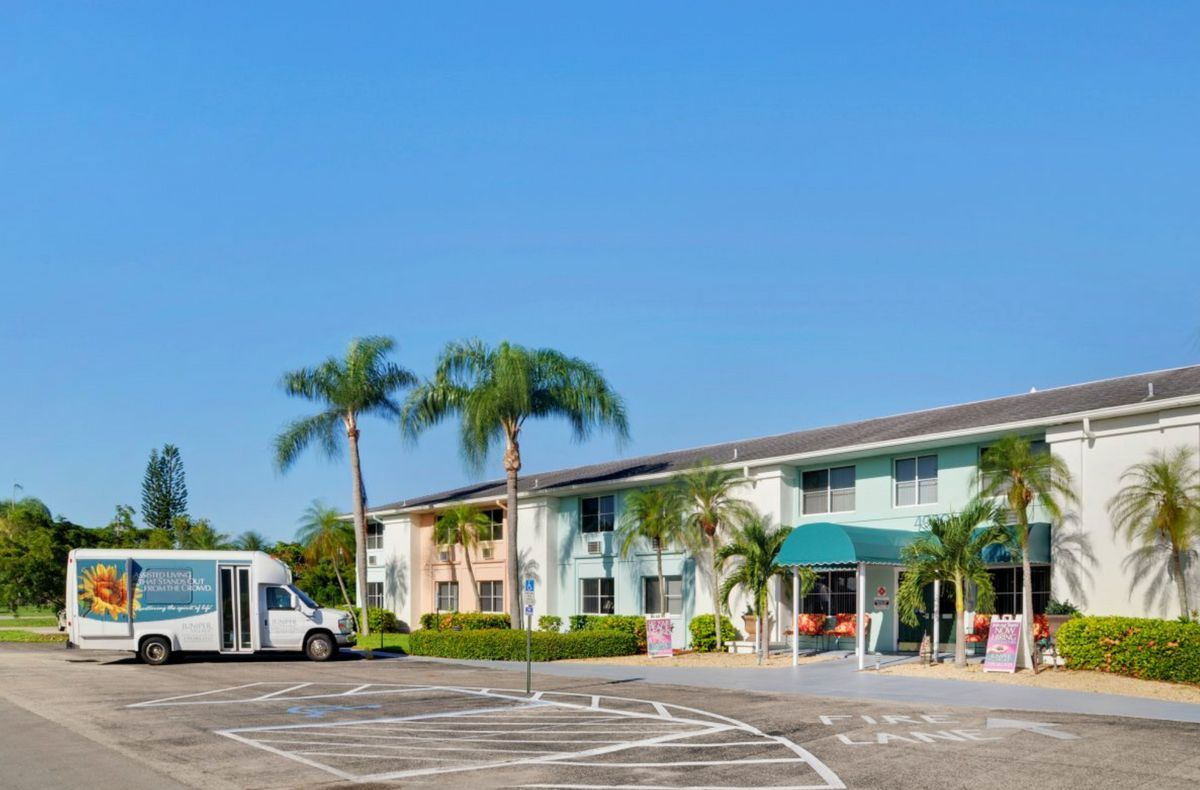
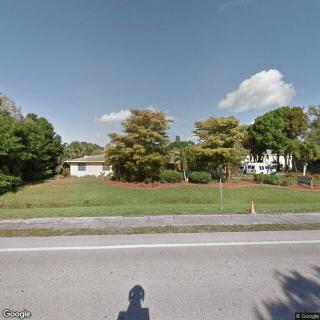
Juniper Village At Cape Coral

Save
Juniper Village At Cape Coral Juniper Village At Cape Coral Juniper Village At Cape Coral

Juniper Village At Cape Coral

4920 Viceroy Court, Cape Coral, FL 33904

For more information about senior living options: (844) 490-3973

3.9 from 33 reviews
5 stars
16
4 stars
6
3 stars
7
2 stars
1
1 stars
3

Memory Care

Overall Review of Juniper Village At Cape Coral

Pros

  • pro The staff are friendly, attentive, and consistently helpful.
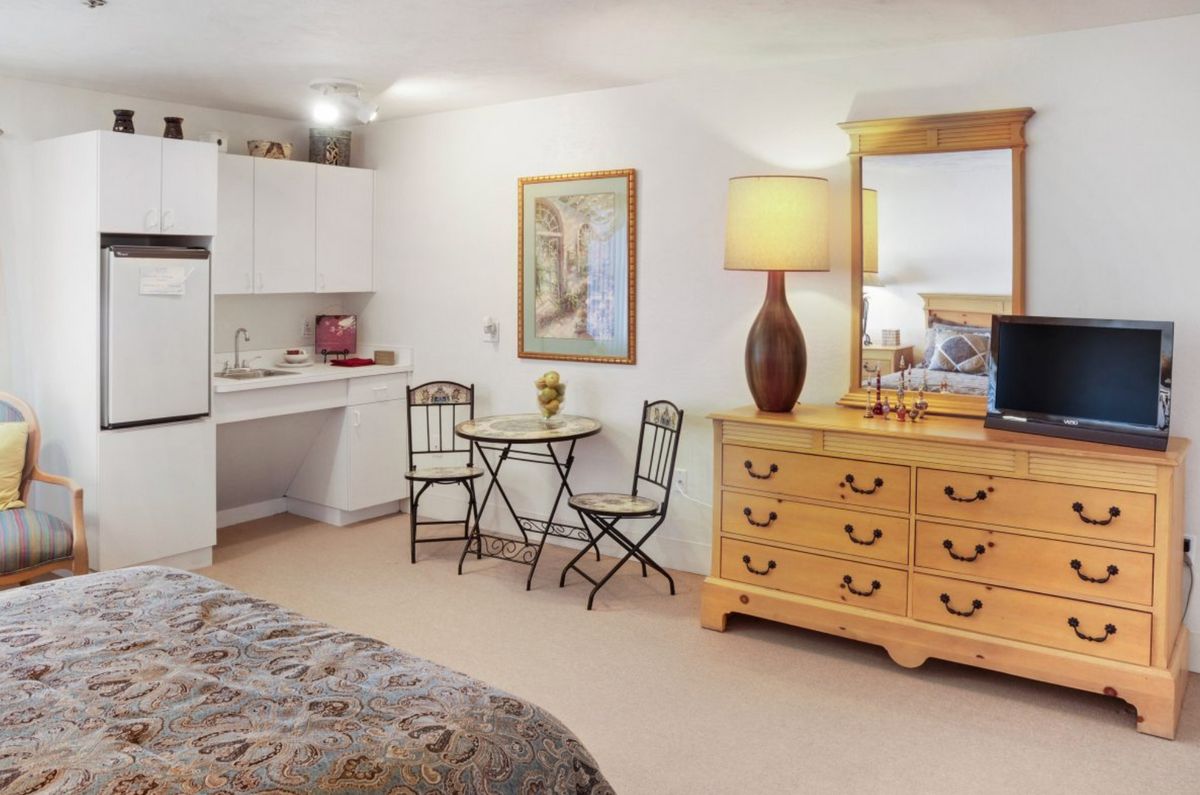
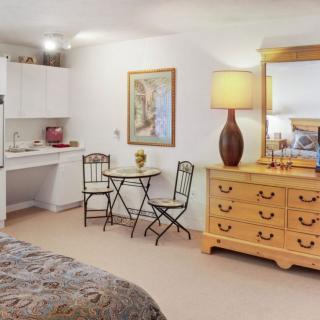
  • pro The rooms are spacious, clean, and well maintained.
  • pro The facility is bright, welcoming, and well organized.
  • pro The meals are good and served on time.
  • pro The campus features a pleasant courtyard and accessible dining area.
  • pro There are engaging activities and events that keep residents active.
  • pro The administration is responsive and easy to communicate with.
  • pro Families feel assured as staff keep them informed and residents are well cared for.

Cons

  • pro There weren't many activities, and they didn't like the place.
  • pro It's an older facility with small rooms and no gym.
  • pro The rooms are small, and the facility feels like an old hotel.
  • pro There is no staff to attend to the needs of the residents.
  • pro The floors are uneven and parts are held together with duct tape.
  • pro The courtyard is overrun with smokers.
  • pro Medication errors have occurred, and management is perceived as uncaring.
  • pro The dining room is cramped and not very homey.

Review

Juniper Village at Cape Coral is best suited for families seeking a warm, home-like assisted-living environment where staff attention feels personal and resident-focused. The community works well for seniors who value a tight-knit, small-campus feel, plenty of daily activities, and the ability to move easily around a campus that feels more like a neighborhood than a hospital. Private rooms with kitchenettes and a sense of normalcy - home, a courtyard, a dining room, and accessible outdoor space - appeal to families that want comfort and predictability. The emphasis on routine and social engagement makes it a solid match for residents who benefit from regular meals, reminders to attend activities, and steady staff presence. Those who place a premium on a friendly, approachable staff and a community that treats residents like neighbors will find this a favorable fit.

From the strongest angles, Juniper Village delivers on care and comfort. Staff are repeatedly described as friendly, attentive, and engaged with residents, creating a dependable sense of security. Rooms are roomy enough for a footprint, with kitchenettes that allow snacks or simple meals, and the building is kept clean and well maintained. The dining room offers options and a welcoming atmosphere, with meals praised for quality and timeliness. A thoughtful program of activities - games, movies, music, crafts, gardening, and outings via a small bus - keeps residents connected and engaged most days. An in-house nurse practitioner or medical oversight, plus on-site meds support, helps families feel that medical needs will be managed without constant hospital visits. Families also report clear, ongoing communication when issues arise, which is essential for peace of mind.

On the other hand, there are credible concerns that cannot be ignored. The building's age is evident in some rooms and common areas; some reviewers describe cramped spaces, uneven floors, and a layout that can feel like an older hotel converted into senior housing. Several accounts point to inconsistent communication and lapses in daily caregiving - missed showers, delayed meals, or late doctor pickups - though other families report steadier, well-coordinated care. Management turnover and perceptions of administrative priorities shifting can erode trust for some, and a small number of reviews recount alleged medication errors or internal conflicts among staff. These threads suggest that while the core care team can be compassionate, organizational stability and execution quality vary by time and unit.

Those pros offset the cons where it counts most. For residents who prize a genuine sense of community, regular activities, and accessible staff, the positives create a workable daily rhythm that many families value highly. The private suites with kitchenettes, the opportunity for in-house meals, and the option to participate in outings serve as practical anchors for independence and mood. The presence of on-site clinical oversight and a strong activities program can reduce the risk of isolation and decline, even if occasional service gaps occur. However, this calculus rests on current leadership stability and disciplined care management, which can swing as management changes or as staffing levels fluctuate, making ongoing diligence essential.

Alternatives become worth considering for families seeking a newer facility, a more formalized dementia program, or a campus with larger scale and more definitive nurse staffing. If the goal is a modern, bright environment with consistently polished safety protocols and fewer reports of care lapses, look at communities with recent renovations and more standardized operations. If dementia care requires secure, specialized units and higher nurse-to-resident ratios, or if families want guaranteed daily communication with a dedicated case manager, other options may be more reliable.

Prudent next steps include touring with a checklist, asking for recent AHCA inspection outcomes, and requesting a fixed schedule for family updates. Inquire about staff turnover, caregiver-to-resident ratios, and how medications are tracked and reported. Speak with current residents and family members, not just the tour guide, and observe meal times and activity rooms at various hours. Verify what is included in the rate, and whether pricing changes with care level or room size. If a homey, service-rich environment with a caring staff appeals - and the price aligns with budget - Juniper Village at Cape Coral can be a strong match, provided the family conducts due diligence and confirms management stability and consistent care routines.

Features

Housing

  • 100 resident community capacity 100 resident community capacity
  • Studio apartments Studio apartmentsStudio apartments are important for seniors because they offer a smaller, more manageable living space that is easier to navigate and maintain as physical abilities decline. Additionally, studio apartments provide seniors with independence and privacy while still being part of a community that offers support and social opportunities.

Types of Care

  • Memory Care Memory CareMemory care is crucial for seniors as it provides specialized support and services for individuals with dementia or Alzheimer's disease. These programs offer a safe and secure environment where residents receive personalized care, cognitive stimulation, and help with daily activities. Memory care helps seniors maintain their independence, quality of life, and dignity while also providing peace of mind for their families.

Amenities

  • Air-conditioning Air-conditioningAir conditioning is important for seniors as they are more vulnerable to heat-related illnesses and may have underlying health conditions that make it difficult for them to regulate their body temperature. It helps to keep them comfortable, safe, and healthy in hot weather.
  • Beauty salon Beauty salonBeauty salons are important for seniors because they provide a space for them to feel pampered, socialize, and maintain their personal grooming and hygiene. Regular visits to a beauty salon can help boost seniors' self-esteem and overall well-being.
  • Cable or satellite TV Cable or satellite TVCable or satellite TV is important for seniors because it provides entertainment, news, and companionship, helping to combat loneliness and boredom. It also offers a wide range of programming options tailored to different interests and preferences.
  • Computer center Computer centerA computer center is essential for seniors as it provides access to technology, communication tools, and resources that can enhance their daily lives. It allows them to stay connected with loved ones, engage in online activities, and learn new skills, ultimately promoting socialization and mental stimulation.
  • Dining room Dining roomDining rooms are important for seniors as they provide a space for socialization, connection, and nutritious meals. They offer opportunities for residents to bond over shared meals, foster a sense of community, and promote healthy eating habits. Dining rooms also ensure that seniors have access to well-balanced meals tailored to their dietary needs and preferences.
  • Fitness room Fitness roomHaving a fitness room in a senior living community is essential for seniors to stay active, maintain their physical health, and improve their overall well-being. Regular exercise can help prevent falls, reduce the risk of chronic diseases, and promote mental sharpness. It also provides social opportunities for residents to connect with others and enjoy a sense of community.
  • Fully furnished Fully furnishedFully furnished senior living communities are important for seniors because they provide convenience, comfort, and a hassle-free moving experience. Seniors can easily settle into their new living space without the stress of having to buy and move furniture. This allows them to focus on enjoying their new home and community.
  • Gaming room Gaming roomGaming rooms are important for seniors as they provide a fun and engaging environment for socializing, cognitive stimulation, and physical activity. Games can improve memory, problem-solving skills, and overall mental well-being while fostering friendships and reducing feelings of isolation.
  • Garden GardenGardens are important for seniors as they provide a peaceful and therapeutic environment for relaxation, physical activity, and socialization. Being in nature has been shown to reduce stress, improve mood, and promote overall well-being. Gardens also offer opportunities for seniors to engage in gardening activities, which can improve mobility, flexibility, and cognitive function. Additionally, gardens create a sense of community and connection with others who share a passion for plants and outdoor spaces.
  • Housekeeping services Housekeeping servicesHousekeeping services are important for seniors because they help maintain a clean and safe living environment, promote independence, and reduce the risk of accidents or illnesses. Additionally, having assistance with household chores can alleviate physical strain and allow seniors to focus on other aspects of their well-being.
  • Kitchenette KitchenetteKitchenettes are important for seniors living in senior living communities because they provide the convenience and independence of being able to prepare simple meals and snacks in the comfort of their own living space. This can help promote a sense of autonomy and well-being for seniors, allowing them to maintain some level of control over their dietary choices and daily routines.
  • Move-in coordination Move-in coordinationMove-in coordination is important for seniors because it helps ease the transition into their new living environment. It ensures that all logistics, such as packing, organizing movers, and setting up utilities are taken care of, allowing seniors to focus on settling in and adjusting to their new home. Having a smooth move-in process can alleviate stress and anxiety, making the transition smoother and more enjoyable for seniors.
  • Outdoor space Outdoor spaceOutdoor spaces are important for seniors as they provide opportunities for physical activity, social interaction, exposure to natural light and fresh air, and a sense of connection to nature. Having access to outdoor spaces can improve overall well-being and quality of life for older adults living in senior communities.
  • Private bathrooms Private bathroomsPrivate bathrooms are important for seniors in senior living communities because they provide independence, dignity, and comfort. Having a private bathroom allows seniors to maintain their personal hygiene routines without the need for assistance, promoting a sense of autonomy and privacy. Additionally, private bathrooms help prevent the spread of infections and provide a safe and clean environment for seniors to navigate safely.
  • Restaurant-style dining Restaurant-style diningRestaurant-style dining is important for seniors because it allows them to enjoy delicious, nutritious meals in a social and upscale setting. This enhances their dining experience, promotes healthy eating habits, and fosters socialization with fellow residents, ultimately contributing to their overall well-being and quality of life.
  • Small library Small librarySmall libraries are important for seniors as they provide access to a variety of reading materials, including books, newspapers, and magazines. This can help stimulate their minds, keep them engaged, and provide a sense of community through book clubs and other social activities. Additionally, reading has been shown to improve cognitive function and overall mental well-being in older adults.
  • Telephone TelephoneTelephones are important for seniors as they provide a lifeline for communication with loved ones, emergency services, and healthcare providers. They offer a sense of security and independence, enabling seniors to stay connected and access assistance when needed.
  • Wellness center Wellness centerWellness centers are important for seniors because they offer a variety of programs and services that promote physical, mental, and emotional well-being. These centers provide opportunities for exercise, socialization, education, and relaxation, helping seniors maintain their overall health and quality of life.
  • Wi-Fi/high-speed internet available Wi-Fi/high-speed internet availableWi-Fi/high-speed internet is important for seniors to stay connected with loved ones, access online resources, and participate in virtual activities to combat feelings of loneliness and isolation. It also allows them to easily manage healthcare needs, access entertainment, and engage in lifelong learning opportunities.

Transportation

  • Southwest Florida International (12 miles away) Southwest Florida International (12 miles away)
  • Community operated transportation Community operated transportationCommunity operated transportation is crucial for seniors as it provides them with the means to access essential services, social activities, and medical appointments. It allows seniors to maintain their independence and quality of life by ensuring they can participate in activities outside of their homes. Additionally, community-operated transportation services offer a safe and reliable way for seniors to travel without having to rely on family or friends for assistance.
  • Transportation arrangement Transportation arrangementTransportation arrangements are crucial for seniors as they may face challenges with driving, mobility, or access to public transportation. Having reliable transportation services ensures that seniors can easily attend appointments, social activities, and maintain their independence and quality of life.
  • Transportation arrangement (non-medical) Transportation arrangement (non-medical)Transportation arrangements are essential for seniors as they provide access to essential services, activities, and social interactions outside the home. This service helps maintain independence, mobility, and overall well-being for seniors who may have limited transportation options.
  • Transportation to doctors appointments Transportation to doctors appointmentsTransportation to doctors appointments is crucial for seniors as it ensures they have access to necessary medical care and support, promoting their health and well-being. It allows them to receive timely treatment, monitor existing conditions, and address any new health concerns efficiently. Additionally, transportation services can help seniors maintain their independence and quality of life by enabling them to stay connected with their healthcare providers.

Care Services

  • 12-16 hour nursing 12-16 hour nursing12-16 hour nursing care is crucial for seniors in order to ensure around-the-clock monitoring, timely medication administration, and prompt response to any health concerns or emergencies. This level of care helps to promote the overall well-being and safety of seniors living in senior living communities.
  • 24-hour call system 24-hour call system24-hour call systems are important for seniors because they provide peace of mind and immediate assistance in case of emergencies. This technology ensures that help is always available, promoting safety and security for elderly individuals living alone or in assisted living facilities.
  • 24-hour supervision 24-hour supervision24-hour supervision is important for seniors to ensure their safety, well-being, and access to immediate assistance in case of emergencies or health issues. This constant support provides peace of mind for both seniors and their loved ones, allowing them to age in place with dignity and security.
  • Activities of daily living assistance Activities of daily living assistanceActivities of daily living assistance are important for seniors because they provide essential support with tasks such as eating, bathing, dressing, and mobility. This assistance helps seniors maintain their independence, dignity, and overall quality of life as they age.
  • Assistance with bathing Assistance with bathingAssistance with bathing is crucial for seniors as it helps maintain personal hygiene, prevents infections, and ensures their overall well-being and comfort. It also provides a sense of dignity and independence for seniors who may struggle with this task on their own.
  • Assistance with dressing Assistance with dressingAssistance with dressing is important for seniors because it helps maintain their independence, promotes personal hygiene, prevents accidents and injuries, and improves overall quality of life. This service ensures that seniors can continue to dress comfortably and confidently, despite any physical limitations they may have.
  • Assistance with transfers Assistance with transfersAssistance with transfers is crucial for seniors as it helps prevent falls and injuries, maintains their independence, and ensures they can safely navigate their living environment. It also provides peace of mind for both seniors and their loved ones.
  • Diabetes diet Diabetes dietA diabetes diet is crucial for seniors as it helps manage blood sugar levels, reduce risks of complications, and improve overall health and well-being. By following a balanced and nutritious diet tailored to their specific needs, seniors can better control their diabetes and enhance their quality of life.
  • Meal preparation and service Meal preparation and serviceMeal preparation and service are crucial for seniors as they may have limited mobility or energy to cook nutritious meals. Having access to healthy and convenient food options can ensure they are getting the proper nutrition needed to maintain their overall health and well-being.
  • Medication management Medication managementMedication management is crucial for seniors to ensure they are taking the right medications at the correct dosages and times. This helps prevent adverse drug interactions, reduces the risk of medication errors, and promotes overall health and well-being. Proactive management also allows for adjustments as needed based on changing health conditions or new prescriptions.
  • Mental wellness program Mental wellness programMental wellness programs are essential for seniors as they promote cognitive stimulation, emotional support, and social engagement. These programs help prevent isolation, depression, and cognitive decline, ultimately enhancing the overall quality of life for older adults.
  • Mild cognitive impairment Mild cognitive impairment"Mild cognitive impairment" is important for seniors because it is an early stage of cognitive decline that can potentially progress to more severe conditions such as dementia. Recognizing and addressing mild cognitive impairment can help seniors receive appropriate care and support to maintain their quality of life and independence for as long as possible.
  • Special dietary restrictions Special dietary restrictionsSpecial dietary restrictions are important for seniors because age-related changes in metabolism and health conditions can make it difficult for their bodies to process certain foods. By following a diet tailored to their specific needs, seniors can maintain their overall health and well-being, manage chronic conditions, and reduce the risk of complications such as malnutrition or food interactions with medications.
  • Specialized memory care programming Specialized memory care programmingSpecialized memory care programming is crucial for seniors with cognitive impairments such as dementia or Alzheimer's disease. These programs provide a safe and supportive environment tailored to the unique needs of individuals with memory loss, helping them maintain their independence, dignity, and quality of life.

Dining

  • Diabetes diet Diabetes dietA diabetes diet is crucial for seniors as it helps manage blood sugar levels, reduce risks of complications, and improve overall health and well-being. By following a balanced and nutritious diet tailored to their specific needs, seniors can better control their diabetes and enhance their quality of life.
  • Special dietary restrictions Special dietary restrictionsSpecial dietary restrictions are important for seniors because age-related changes in metabolism and health conditions can make it difficult for their bodies to process certain foods. By following a diet tailored to their specific needs, seniors can maintain their overall health and well-being, manage chronic conditions, and reduce the risk of complications such as malnutrition or food interactions with medications.

Activities

  • Community-sponsored activities Community-sponsored activitiesCommunity-sponsored activities are important for seniors as they provide opportunities for social interaction, mental stimulation, and physical activity. These activities can help improve overall well-being, combat loneliness and isolation, and promote a sense of belonging and purpose among older adults.
  • Concierge services Concierge servicesConcierge services are essential for seniors as they provide assistance with daily tasks and errands, enhance their quality of life by offering convenience and personalized care, and promote a sense of safety and security.
  • Fitness programs Fitness programsFitness programs are crucial for seniors as they help improve strength, flexibility, balance, and overall well-being. Staying active can reduce the risk of chronic diseases, improve mental health, and enhance quality of life in older adults.
  • Planned day trips Planned day tripsPlanned day trips are important for seniors because they offer opportunities for socialization, mental stimulation, and physical activity. They provide a change of scenery and help seniors stay engaged and connected to their community, promoting overall well-being and quality of life.
  • Resident-run activities Resident-run activitiesResident-run activities are important for seniors as they encourage social interaction, creativity, and a sense of autonomy. These activities empower seniors to stay engaged and active in their community while fostering meaningful connections with their peers.
  • Scheduled daily activities Scheduled daily activitiesScheduled daily activities are important for seniors because they provide structure, socialization, mental stimulation, and physical activity. Engaging in regular activities can improve overall well-being and quality of life for seniors living in a community setting.

Description

Juniper Village At Cape Coral in Cape Coral, FL is an assisted living community that provides a comfortable and enriching living environment for seniors. With a range of amenities and care services, residents can enjoy a fulfilling lifestyle while receiving the support they need.

The community offers various amenities to promote convenience and relaxation. Residents can visit the on-site beauty salon to pamper themselves or take advantage of the computer center and high-speed internet to stay connected with loved ones. The fully furnished accommodations provide comfort and privacy, with private bathrooms for added convenience. Outdoor spaces such as gardens offer opportunities to enjoy nature, while the fitness room and wellness center encourage residents to maintain an active lifestyle.

Dining at Juniper Village At Cape Coral is a delightful experience with restaurant-style dining and special dietary restrictions accommodated. Residents can savor delicious meals prepared by the community's skilled chefs who cater to individual needs.

Care services are available 24/7 to ensure residents' well-being. A 24-hour call system provides peace of mind, while assistance with daily activities such as bathing, dressing, and transfers is readily available. Medication management and diabetes diets are provided to support residents' health needs. The community also offers specialized memory care programming for those with cognitive impairments.

Engaging activities are offered daily, including fitness programs, planned day trips, resident-run activities, and scheduled events. Concierge services add an extra level of convenience in assisting residents with their needs.

Located near several cafes, parks, pharmacies, physicians, restaurants, places of worship, and hospitals, Juniper Village At Cape Coral ensures easy access to essential services for its residents.

Overall, Juniper Village At Cape Coral provides a vibrant and supportive environment for seniors seeking assisted living where they can live comfortably while receiving personalized care services tailored to their individual needs.

Nearby Places of Interest

Pharmacies

  • Winn-Dixie (0.2 miles)
  • Walgreens (0.3 miles)
  • CVS Pharmacy (0.3 miles)
  • Walgreens (2.7 miles)
  • Walgreens (3 miles)
  • CVS Pharmacy (3.1 miles)
  • Walgreens (3.1 miles)

Cafes

  • Starbucks (0.2 miles)
  • Panera Bread (0.2 miles)
  • Urban Buzz Coffee (1 miles)
  • Starbucks (3.7 miles)
  • Marko's Diner (3.9 miles)

Restaurants

  • Nevermind Awesome Bar & Eatery (0.2 miles)
  • Back Streets Sports Bar (0.3 miles)
  • McDonald's (0.4 miles)
  • Rusty's Raw Bar & Grill (0.4 miles)
  • Fish Tale Grill (0.5 miles)
  • Ice Sssscreamin (0.5 miles)
  • Wendy's (0.6 miles)

Physicians

  • Pedro Marcucci MD (0.5 miles)
  • Cape Coral Eye Center (1.2 miles)
  • Da Vita (2.6 miles)
  • Boron Medical (2.7 miles)
  • Telespecialists (2.9 miles)
  • Martina Audiology and Hearing Services (2.9 miles)
  • John Kagan Michael Jugan & Associates P A (3 miles)

Parks

  • Jaycee Park (1.7 miles)
  • Horton Park (4.1 miles)

Places of Worship

  • St Andrew Catholic Church (3.1 miles)
  • St Cecilia's Catholic Church (4.7 miles)

Hospitals

  • Lee Health (4.4 miles)
  • The Children's Rehabilitation Center - Bass Rd (4.4 miles)
  • Lee Health Neurodiagnostics - Golisano Children's Hospital (4.5 miles)
  • Lee Health Cardiovascular Services - HealthPark Commons (4.5 miles)
  • Gulf Coast Hospital (4.6 miles)
  • Cardiovascular Services - Medical Plaza 1 (4.7 miles)

Frequently Asked Questions

What floor plans and room types does Juniper Village At Cape Coral offer?
Where is Juniper Village At Cape Coral?
Does Juniper Village At Cape Coral provide care for residents with dementia or Alzheimer's disease?
What photos are available for Juniper Village At Cape Coral in Cape Coral, Florida?

Nearby Communities

  • The Opal at Cape Coral

    The Opal at Cape Coral

    Cape Coral, FL

    4.8 from 49 reviews
    $2,505 to $3,870 / month

    pro Attentive staff with strong family communication and recent renovations.
  • Cambridge Inn

    Cambridge Inn

    Cape Coral, FL


    pro Strong access to healthcare and nearby amenities

  • Acti-Kare Responsive In-Home Care - Cape Coral

    Acti-Kare Responsive In-Home Care - Cape Coral

    Cape Coral, FL


    pro Personalized, compassionate care with convenient access to nearby amenities and healthcare.

  • River Towers

    River Towers

    Cape Coral, FL

    4.2 from 9 reviews
     

    pro Wi-Fi and diabetes-friendly dining with medication management.

  • La Colonia V - ALF

    La Colonia V - ALF

    Cape Coral, FL


    pro Fully furnished with 24/7 care, meals, and transportation support.

  • Cape Villa

    Cape Villa

    Cape Coral, FL


    pro Small-capacity setting with comprehensive care and on-site dining and activities.

  • Dornoch Place Del Prado

    Dornoch Place Del Prado

    Cape Coral, FL


    pro 24-hour supervision and assistance with daily living plus restaurant-style dining in a fully furnished setting.

  • Villa Palms Assisted Living

    Villa Palms Assisted Living

    Fort Myers, FL

    4.8 from 12 reviews
    $2,400 to $2,600 / month

    pro Friendly, caring staff in a small, personal setting.

  • The Arbor At Shell Point

    The Arbor At Shell Point

    Fort Myers, FL

    4.8 from 11 reviews
     

    pro Resort-style amenities, beautiful grounds, varied activities, and restaurant-style dining.

Related Resources

  • can you die from dementiaAre Dementia and Alzheimer's Disease Lethal? A Comprehensive Exploration

    Dementia, including Alzheimer’s disease, is often mischaracterized in terms of lethality as it leads to complications that can be fatal rather than being a direct cause of death; it causes a progressive decline in cognitive and physical health, making patients vulnerable to infections and other health crises. Effective management of nutrition, hydration, and communication is crucial in patient care, with palliative care becoming vital in advanced stages to enhance comfort and quality of life while caregivers play a key role amidst the challenges posed by the disease.

  • reminiscence therapyExploring the Power of Reminiscence Therapy for Individuals With Dementia

    Reminiscence therapy helps individuals with dementia recall past memories through structured discussions and meaningful objects, enhancing mood, relationships, and sense of identity while celebrating their lives. It can be practiced in formal settings or at home, requiring sensitivity to personal histories and cultural backgrounds.

  • reminiscence therapyAn In-Depth Look at Reminiscence Therapy in Dementia Care


    Reminiscence therapy is a structured method for older adults, especially those with dementia, to share life stories using prompts and sensory cues, fostering emotional well-being, social engagement, and self-identity. It aims to improve quality of life by enhancing interpersonal connections and cognitive stimulation while requiring careful facilitation to avoid distressing memories.