
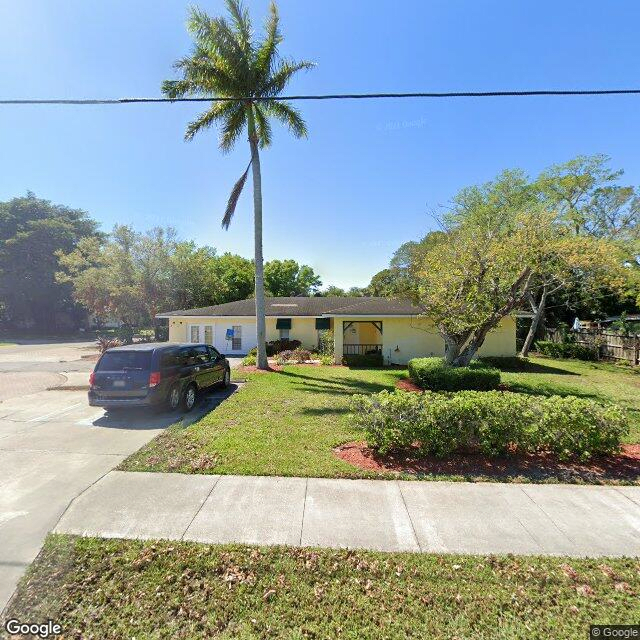
802 71st Street NW, Bradenton, FL 34209
To contact a resident: (941) 798-3949
For more information about senior living options: (866) 208-4318
Bradenton Palms Assisted Living Facility Costs & Pricing
Bradenton Palms Assisted Living Facility offers competitive pricing for its residents compared to both Manatee County and the broader Florida market. For those opting for semi-private accommodations, the monthly cost is set at $2,100, significantly lower than the county average of $2,926 and the state average of $3,009. Private rooms are available at $3,400, which remains favorable against the county's typical charge of $3,463 and Florida's average of $3,699. Additionally, studio apartments are priced at $4,500; while this figure surpasses both local and state averages for studios - $3,737 in Manatee County and $3,823 statewide - it may reflect enhanced amenities or services that Bradenton Palms provides. Overall, the facility presents a range of options that cater to various needs while maintaining an attractive price point in many categories.
| Floor plans | Bradenton Palms Assisted Living Facility | Manatee County | Florida |
|---|---|---|---|
| Semi-Private | $2,100 | $2,926 | $3,009 |
| Private | $3,400 | $3,463 | $3,699 |
| Studio | $4,500 | $3,737 | $3,823 |
Memory care communities with a similar price nearby
-
from +$270 / mo
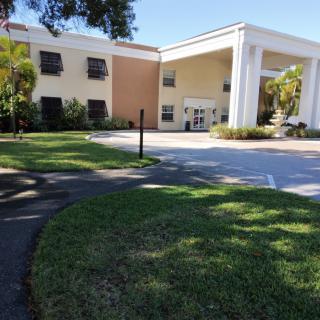
Bay Wood Senior Living
$2,370 to $4,098 / month24.4 miles away -
from +$195 / mo
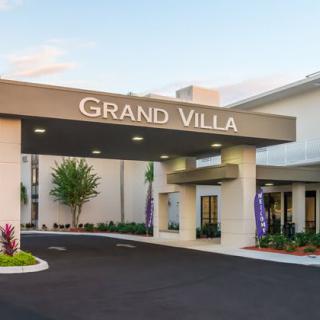
Grand Villa of St. Petersburg
$2,295 to $3,895 / month16.0 miles away -
from +$400 / mo
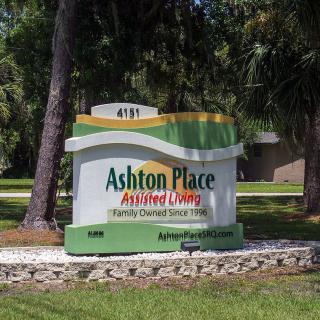
Ashton Place
$2,500 to $3,200 / month18.2 miles away -
About the same
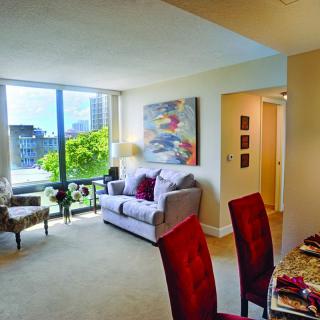
Westminster Palms
$2,085 to $4,624 / month19.0 miles away -
from -$322 / mo
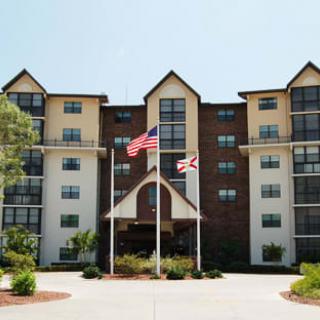
Freedom Village Bradenton, a CCRC
$1,778 to $4,488 / month1.7 miles away
Overall Review of Bradenton Palms Assisted Living Facility
Pros
 Brookdale Palma Sola is a wonderful place with a great, caring staff.
- The staff at Brookdale Palma Sola are wonderful and caring.
- Management communicates well with family members.
- Medical staff are attentive to residents’ needs.
- The welcome was warm and supportive.
- Diane, the ED, is an absolute treasure who genuinely cares about the residents and staff.
- The care staff are awesome and treat residents like family.
- The director at Emeritus at Bradenton is a gem.
- The staff at Emeritus at Bradenton are wonderful.
- Monique is happy to show visitors around and puts their minds at ease.
Cons
 There are limited food choices at each meal.
- Diane is described as rude and dismissive toward residents, and she does not care about them.
- The contract process was described as a little overwhelming.
- The decision to place a loved one with strangers to care for them was described as very hard.
Review
Bradenton Palms Assisted Living Facility is clearly most suitable for seniors who want a warm, home‑like community where attentive staff, strong family communication, and a steady pace of social and wellness activities support daily living with light to moderate assistance. This is a setting where residents with physical limitations can participate in meaningful programs, rely on dependable nursing oversight, and feel welcomed by a team that treats families as partners. It is particularly appealing to families seeking reassurance that their loved one is seen as a person, not a number, and to those who value a resident-centered atmosphere over a clinical, impersonal environment. At its best, the community delivers a secure, engaging environment that minimizes the disruption of a move and preserves routines that matter to aging adults.
The core strengths are unmistakable. Staff consistently earn praise for warmth, attentiveness, and a sense of family, an atmosphere that translates into practical care: steady medication oversight, responsive nursing support, and a culture where residents are treated with genuine kindness. Leadership and program directors are often described as accessible and engaged, delivering clear explanations about services, billing, and activity options. Move‑in experiences in several accounts are highlighted as well-handled and welcoming, with staff going the extra mile to help families feel at ease. The physical environment itself also supports comfort and safety, with residents reporting a positive mood and ongoing opportunities to participate in activities that suit varying abilities.
Yet no community is without drawbacks, and a few recurring themes surface in the reviews. The menu, while generally acceptable, is sometimes criticized for limited daily choices, with residents occasionally supplementing meals with snacks to accommodate personal preferences. A more personal note from a minority of reviewers points to inconsistencies in leadership approach; one account describes a particular administrator as dismissive, underscoring that resident experience can hinge on who is in charge on a given day. Another thread mentions that the contract explanation can feel overwhelming for families new to elder care, signaling the need for careful, patient onboarding and transparent, step‑by‑step guidance. Taken together, these concerns suggest that while the care team excels in daily interactions, the dining variety and leadership consistency may not uniformly meet every family’s expectations.
Those pros strongly offset the cons for many families, especially when peace of mind is the primary goal. The strongest offset comes from the dependable, compassionate care and the sense that residents are cared for as individuals. The staff’s ability to support meds, monitor wellness, and encourage activity translates into tangible improvements in mood and engagement, which in turn reduces family anxiety even when there are occasional menu limitations or nuanced administrative hiccups. The homey, welcoming culture, paired with clear channels for communication and a visible commitment to resident well‑being, provides a practical counterweight to the softer critiques. A resident’s ability to maintain routines, even with modest dietary options, often matters more in daily life than the occasional menu variation.
Who should consider alternatives? Families prioritizing intensive medical oversight, complex dementia care, or highly specialized therapeutic menus may want to compare options with a stronger clinical focus or broader culinary variety. If leadership consistency across shifts or locations is a top criterion, the mixed feedback on administrative interactions suggests it would be prudent to ask targeted questions during tours and to meet multiple staff leads. For those who value a wide range of dining choices or have strict dietary restrictions, exploring facilities with more robust menu customization could be worthwhile. In short, Bradenton Palms serves a clear niche well, but the fit depends on a resident’s specific medical needs, dietary expectations, and how much weight is placed on leadership continuity.
The practical verdict is straightforward. Bradenton Palms Assisted Living Facility is a solid choice for seniors who want a friendly, actively engaged environment where compassionate staff and open family communication drive day‑to‑day life. It excels for residents who need light to moderate assistance, benefit from a nurturing atmosphere, and thrive on regular social and wellness activities. Those with higher medical needs, demanding dietary preferences, or a strong emphasis on uniform leadership across facilities should actively compare alternatives and ask pointed questions about staffing stability, menu options, and onboarding processes. A candid tour, direct conversations with the executive and nursing teams, and a review of the contract will reveal how closely this community aligns with the resident’s care plan and family expectations.
 Board and Care Home
 Memory Care
 Activities off-site
 Devotional services on-site
 Indoor common areas
 Outdoor common areas
 Private
 Private bathrooms
 Respite or short term stays offered
 Wheelchair accessible showers
 Sarasota Bradenton International (9 miles away)
 Ambulatory care
 High acuity care
 Incontinence care
 Medication management
 Meals provided



 5 Early Indicators of Dementia and What You Can Do
 8 Important Indicators That Memory Care May Be Necessary
 Delving into the Inner World of Dementia: Insights into Thoughts and Awareness