Newtown Rehabilitation & Health Care Center Costs & Pricing
Newtown Rehabilitation & Health Care Center offers competitively priced accommodations compared to both Fairfield County and the broader Connecticut region. For a studio room, the cost at Newtown is $4,603 per month, which is significantly lower than the county average of $6,159 and the state average of $5,919. This trend continues with 1-bedroom units, where Newtown charges $5,739 monthly - again more affordable than Fairfield County's average of $6,418 and Connecticut's overall average of $6,383. These pricing structures make Newtown an appealing option for those seeking quality care without the higher costs commonly associated with comparable facilities in the area.
Floor plans
Newtown Rehabilitation & Health Care Center
Fairfield County
Connecticut
Studio
$4,603
$6,159
$5,919
1 Bedroom
$5,739
$6,418
$6,383
Skilled Nursing Facilities with a similar price nearby
Overall Review of Newtown Rehabilitation & Health Care Center
common25 reviews mention this
Staff are consistently kind and involved
Residents and families repeatedly describe staff as kind, helpful, and attentive to needs.
Many reviews emphasize how approachable and courteous the staff is, along with frequent day-to-day help with caregiving. Several families also mention clear updates and responsiveness, including medication-change communication and follow-through through multiple departments. Some residents specifically highlight how the resident ambassador role helps with comfort and communication, including resolving issues and advising on next steps.
differentiator6 reviews mention this
Rehabilitation support stands out
Physical therapy and rehabilitation help is a common reason families feel confident about care.
Multiple reviewers point to physical therapy as a major part of the recovery experience, including therapy teams that help patients regain mobility. Reviews also describe strong support across departments during rehab stays, including nursing communication and coordinated care planning. One review is much more critical overall, describing unmet expectations and poor service, including frustration with therapy experiences.
common2 reviews mention this
Food and mealtimes get good marks
Residents describe meals positively, including assistance and oversight during eating.
At least a couple of reviews mention satisfaction with the food, with one family saying the person liked the meals. Another reviewer describes mealtime assistance as excellent, including being made aware of how much food was consumed and that someone was watching intake.
caveat7 reviews mention this
Care quality can be inconsistent
Some reviewers report serious problems with supervision, follow-up, or patient care.
While many accounts are positive, several reviews raise concerns about how care is carried out, including claims of neglect and long periods without help after using a call bell. Other complaints include missing or mishandled items, lack of preparation or follow-up, and serious medical issues like bed sores discovered after a short stay. A few reviews also criticize leadership and overall treatment toward patients, including allegations of abuse.
How we summarize
Counts show how many written reviews mention each theme; a review can touch several themes, and only frequently mentioned themes are displayed.
Features
Housing
154 resident community capacity
Types of Care
Memory Care
Skilled Nursing Facility
Pets
Cats allowed
Dogs allowed
Amenities
Activities on-site
Air-conditioning
Beautician on-site
Beauty salon
Cable or satellite TV
Computer center
Devotional services off-site
Dining room
Fitness room
Fully furnished
Gaming room
Garden
Ground floor units
Handicap accessible
Housekeeping services
Indoor common areas
Kitchenette
Move-in coordination
Outdoor common areas
Outdoor space
Private bathrooms
Respite or short term stays offered
Restaurant-style dining
Small library
Telephone
Wellness center
Wi-Fi/high-speed internet available
Transportation
Community operated transportation
Transportation arrangement
Transportation arrangement (non-medical)
Transportation to doctors appointments
Care Services
12-16 hour nursing
24-hour call system
24-hour supervision
Activities of daily living assistance
Ambulatory care
Assistance with bathing
Assistance with dressing
Assistance with transfers
Diabetes diet
Diabetic care
High acuity care
Incontinence care
Meal preparation and service
Medication management
Mental wellness program
Special dietary restrictions
Dining
Diabetes diet
Gluten-free
Guest meals
International cuisine
Low / no sodium
Meals provided
No Sugar
Professional chef
Restaurant style dining
Room service
Special dietary restrictions
Special dining programs
Activities
Art classes
Catholic services
Community-sponsored activities
Concierge services
Cooking classes
Day trips and outings
Devotional activities offsite
Educational speakers / life long learning
Fitness programs
Happy hour
Karaoke
Live musical performances
Live well programs
Planned day trips
Protestant services
Resident-run activities
Scheduled daily activities
Visiting chaplain or priest
Nearby Places of Interest
This part of Newtown, Connecticut offers a convenient location with a variety of amenities close by. You will find several pharmacies within a few miles for easy access to medication and healthcare needs. There are also numerous restaurants ranging from diners to cafes, providing options for dining out or grabbing a quick bite to eat. Places of worship are nearby for spiritual support, and there are several physicians offices offering medical services in the area. Additionally, there are parks for outdoor recreation and relaxation. The proximity of Danbury Hospital provides peace of mind knowing quality medical care is easily accessible. Overall, this neighborhood offers a well-rounded community with essential services and conveniences that cater to the needs of seniors.
Pharmacies
Walgreens (2.5 miles)
Compounded Solutions In Phrmcy (2.6 miles)
Drug Center Pharmacy (3.2 miles)
Newtown Pharmacy & Surgicals (3.2 miles)
CVS Pharmacy (3.3 miles)
Rite Aid (4.3 miles)
CVS Pharmacy (5 miles)
Restaurants
Blue Colony Diner (3 miles)
Market Place Kitchen & Bar (3.1 miles)
Monroe Diner (3.7 miles)
Ferris Acres Creamery (4 miles)
Lake Zoar Drive-In (4 miles)
Monroe Social (4.1 miles)
Bill's Drive-In (5.2 miles)
Places of Worship
United Methodist Church of Monroe (4 miles)
Church of Jesus Christ of Latter Day Saints (5.4 miles)
St Joseph's Church (8.9 miles)
Trinity Episcopal Church (9.2 miles)
Physicians
Advanced Radiology Consultants (6.2 miles)
Mirabilelevens Elizabeth Waterbury Pulmonary Associates Southbury (6.7 miles)
The Eye Care Group (7.1 miles)
Harvey M. Kramer, MD (7.1 miles)
ProHealth Physicians Express Care (8.1 miles)
Advanced Specialty Care - Danbury Office (8.2 miles)
Ragona Andrew DDS-Associated Oral Maxillofacial (8.2 miles)
Newtown Rehabilitation & Health Care Center offers competitively priced accommodations compared to both Fairfield County and the broader Connecticut region. For a studio room, the cost at Newtown is $4,603 per month, which is significantly lower than the county average of $6,159 and the state average of $5,919. This trend continues with 1-bedroom units, where Newtown charges $5,739 monthly - again more affordable than Fairfield County's average of $6,418 and Connecticut's overall average of $6,383. These pricing structures make Newtown an appealing option for those seeking quality care without the higher costs commonly associated with comparable facilities in the area.
Newtown Rehabilitation & Health Care Center's 24-hour supervision ensures that residents receive constant support, which is crucial for individuals with dementia or Alzheimer's, who may experience confusion or require immediate assistance. The provision of activities of daily living (ADLs) assistance, including help with bathing, dressing, and transfers, fosters independence while ensuring safety and dignity in personal care. Incontinence care further enhances comfort for residents, alleviating stress associated with these challenges. Thoughtful meal preparation and service are tailored to meet dietary needs and preferences, promoting nutritional health. Additionally, medication management plays a critical role in adhering to treatment plans necessary for cognitive stability. Finally, the mental wellness program offers engaging activities designed to stimulate cognitive function and enhance emotional well-being, creating a supportive environment conducive to memory care.
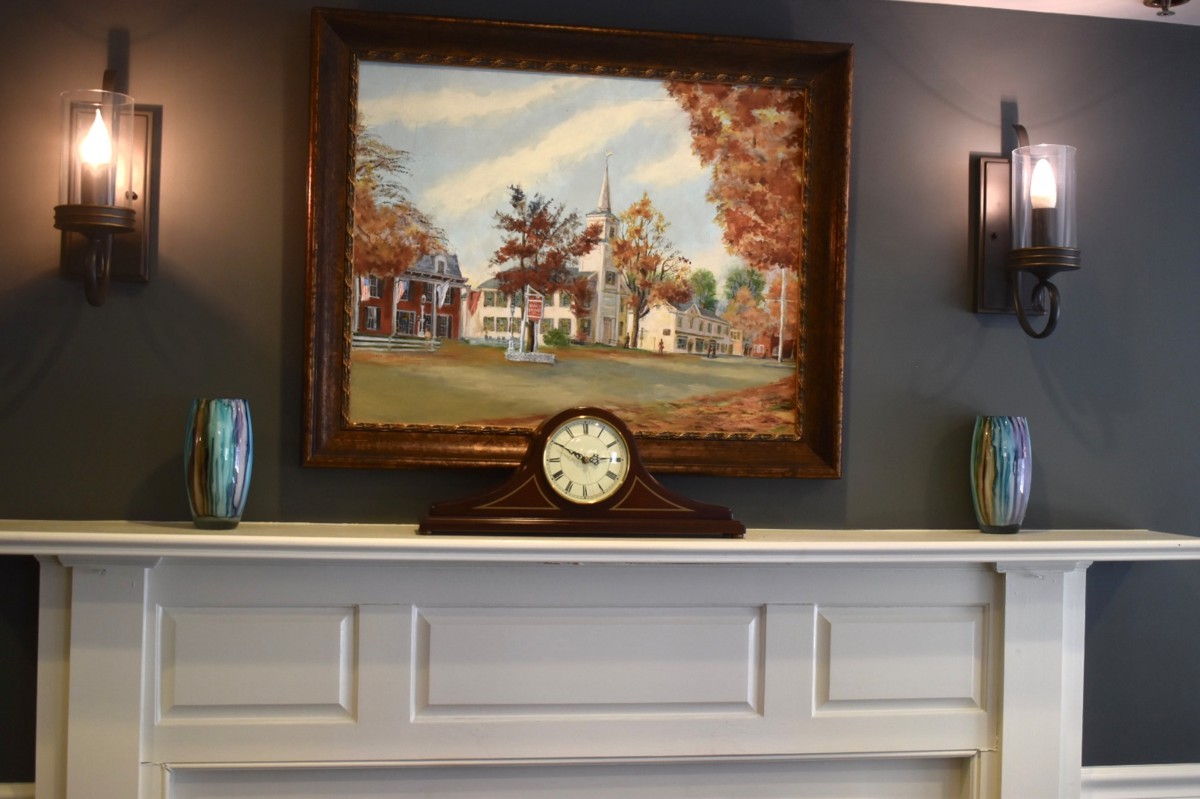
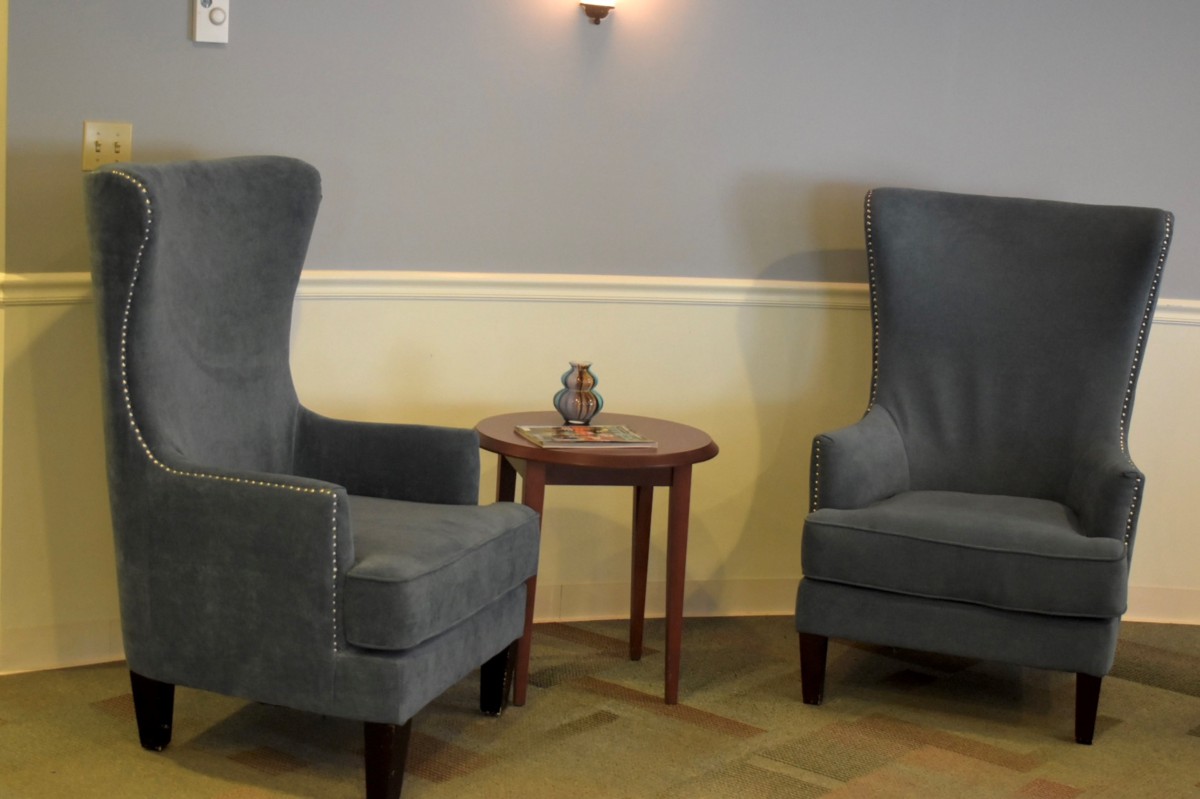
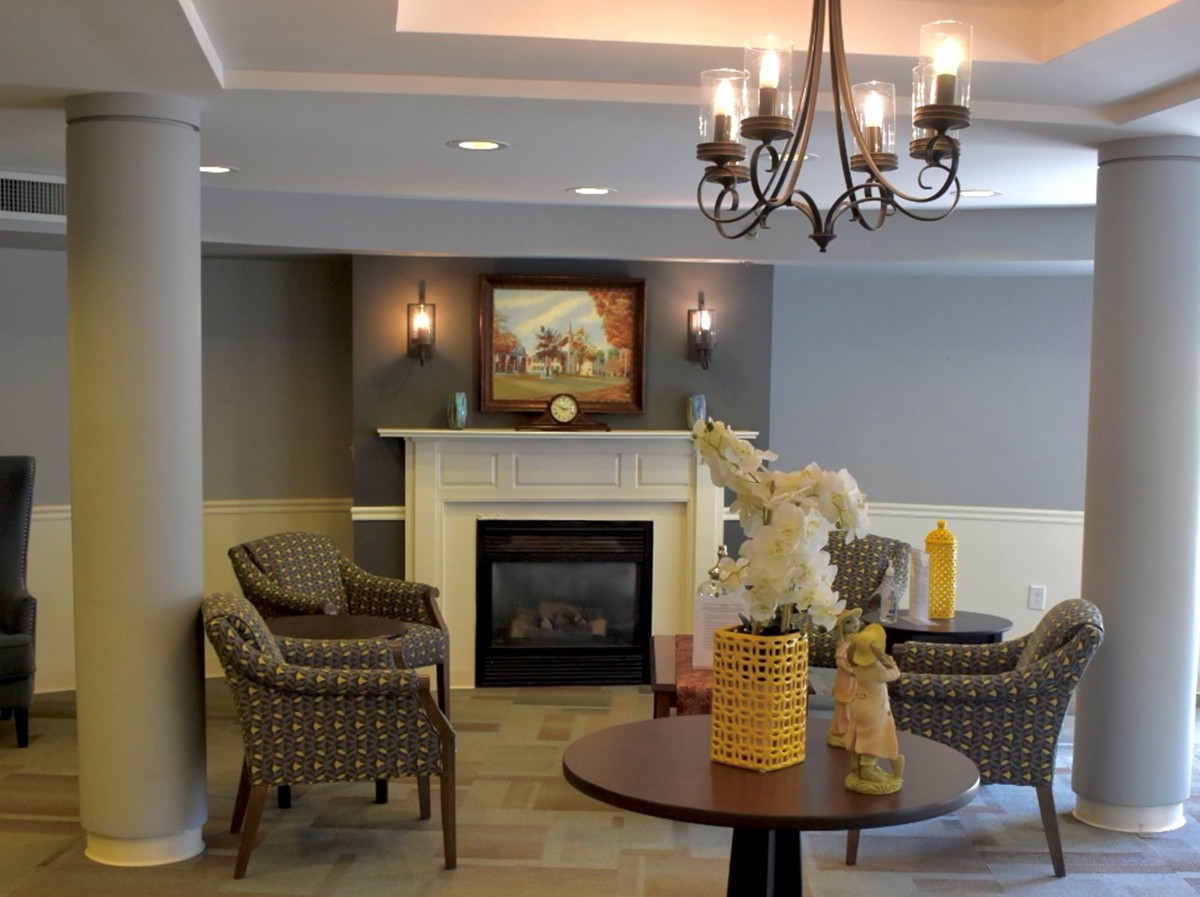
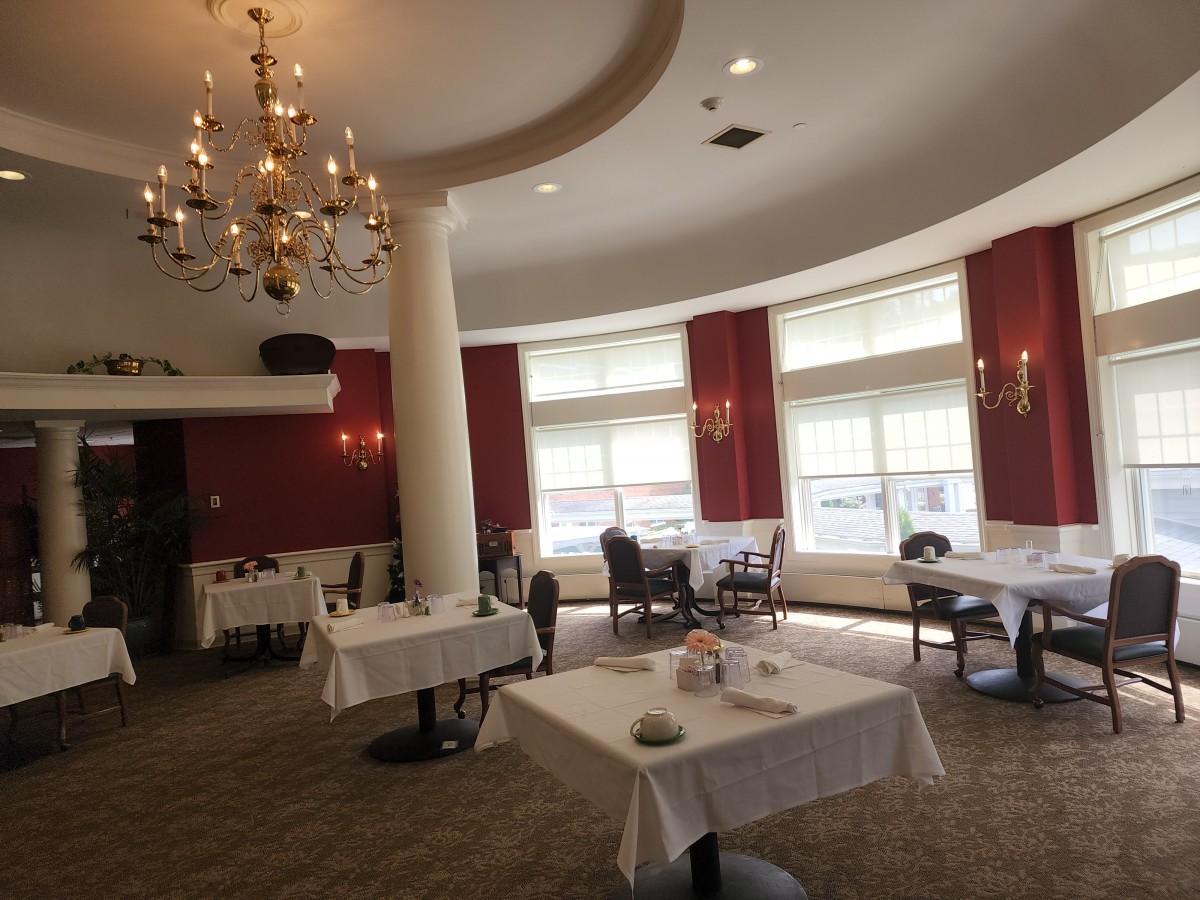
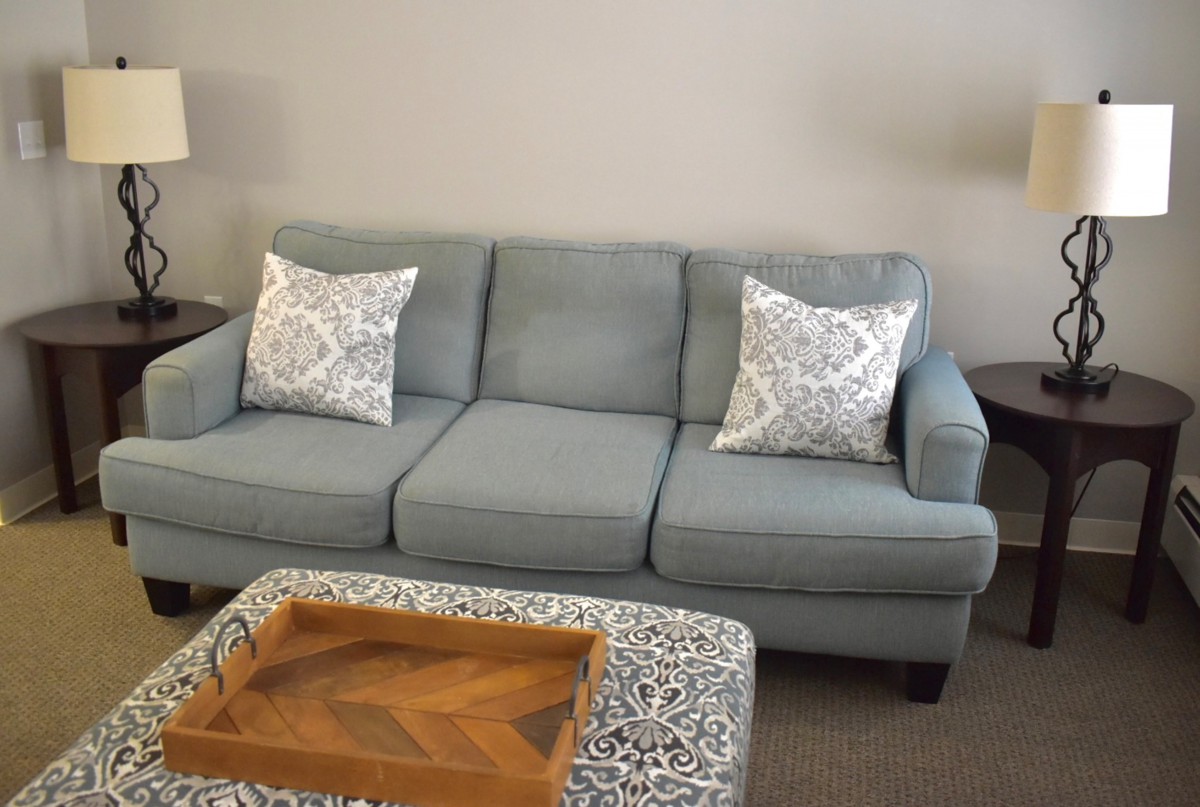
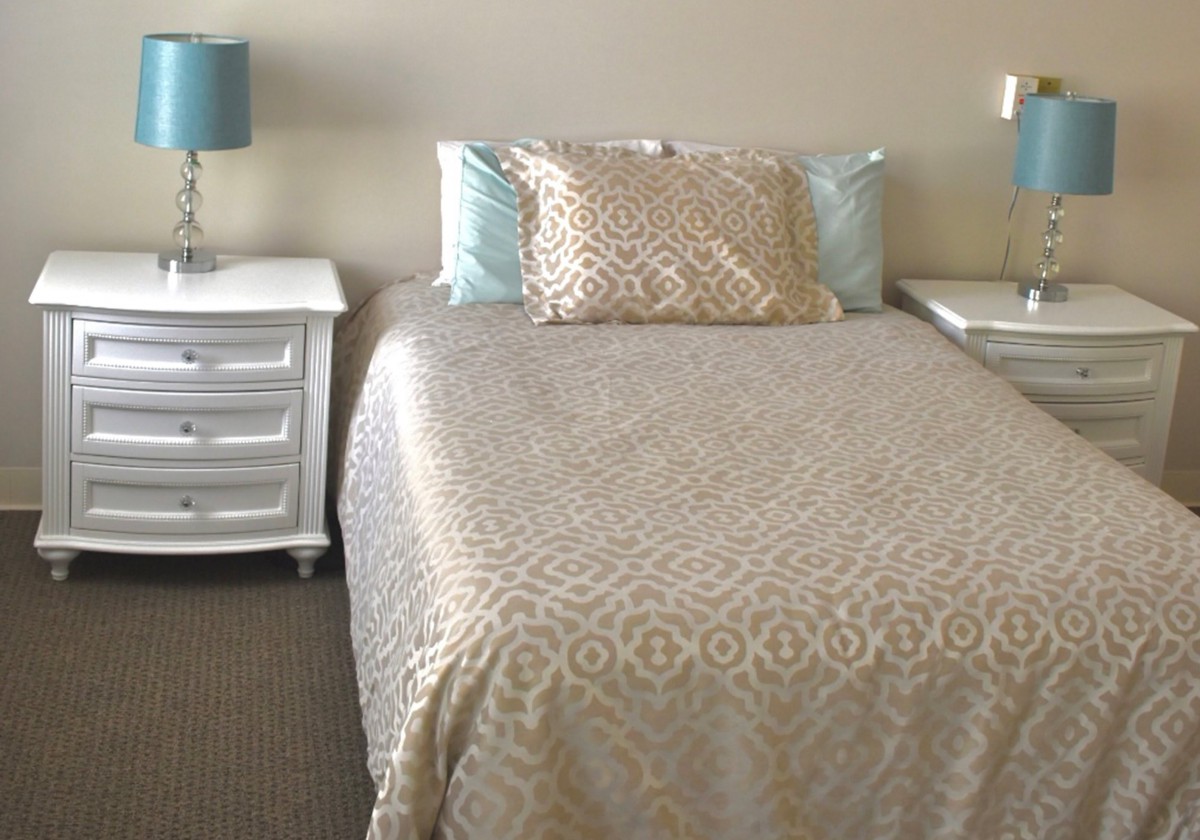
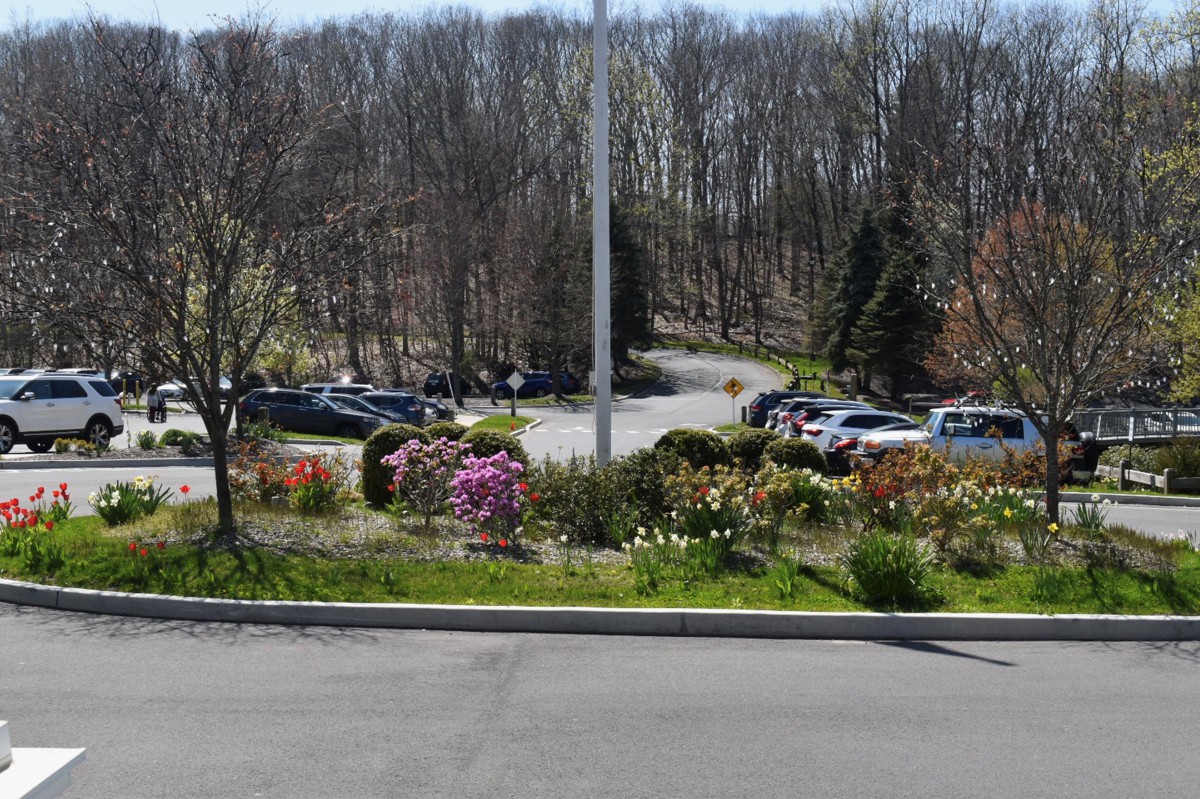
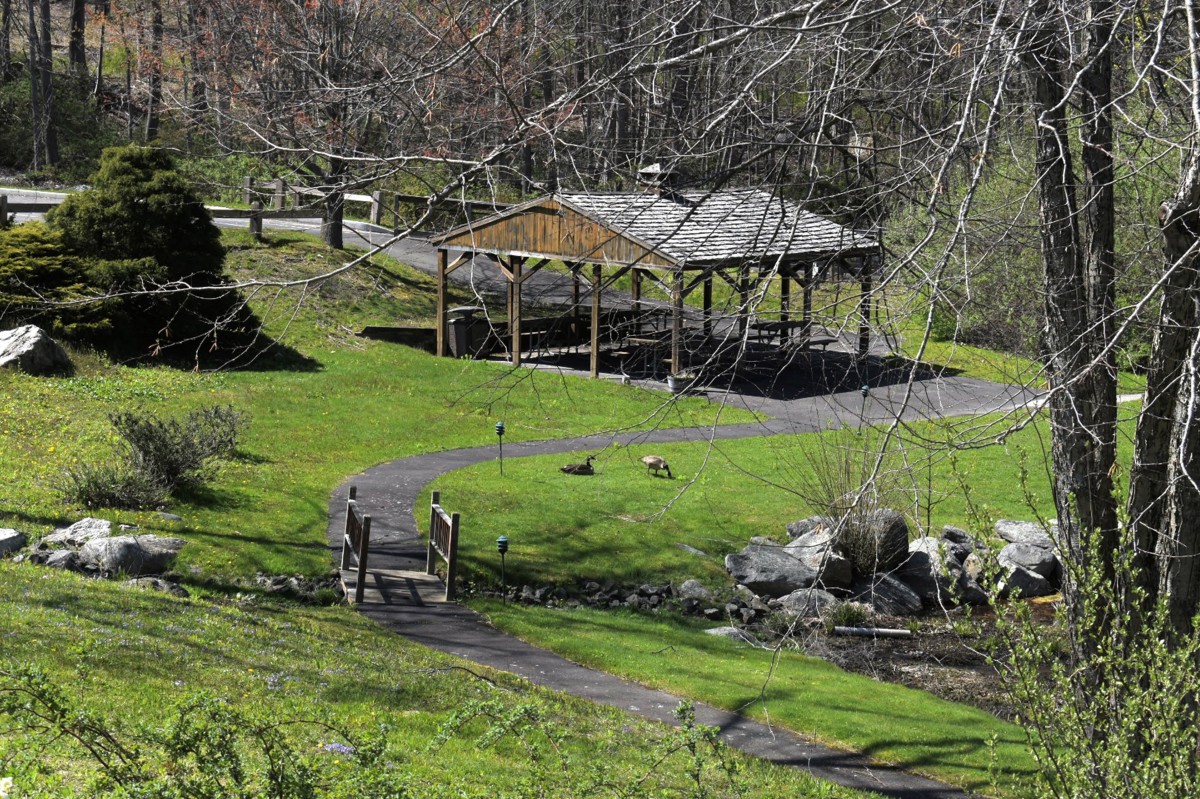
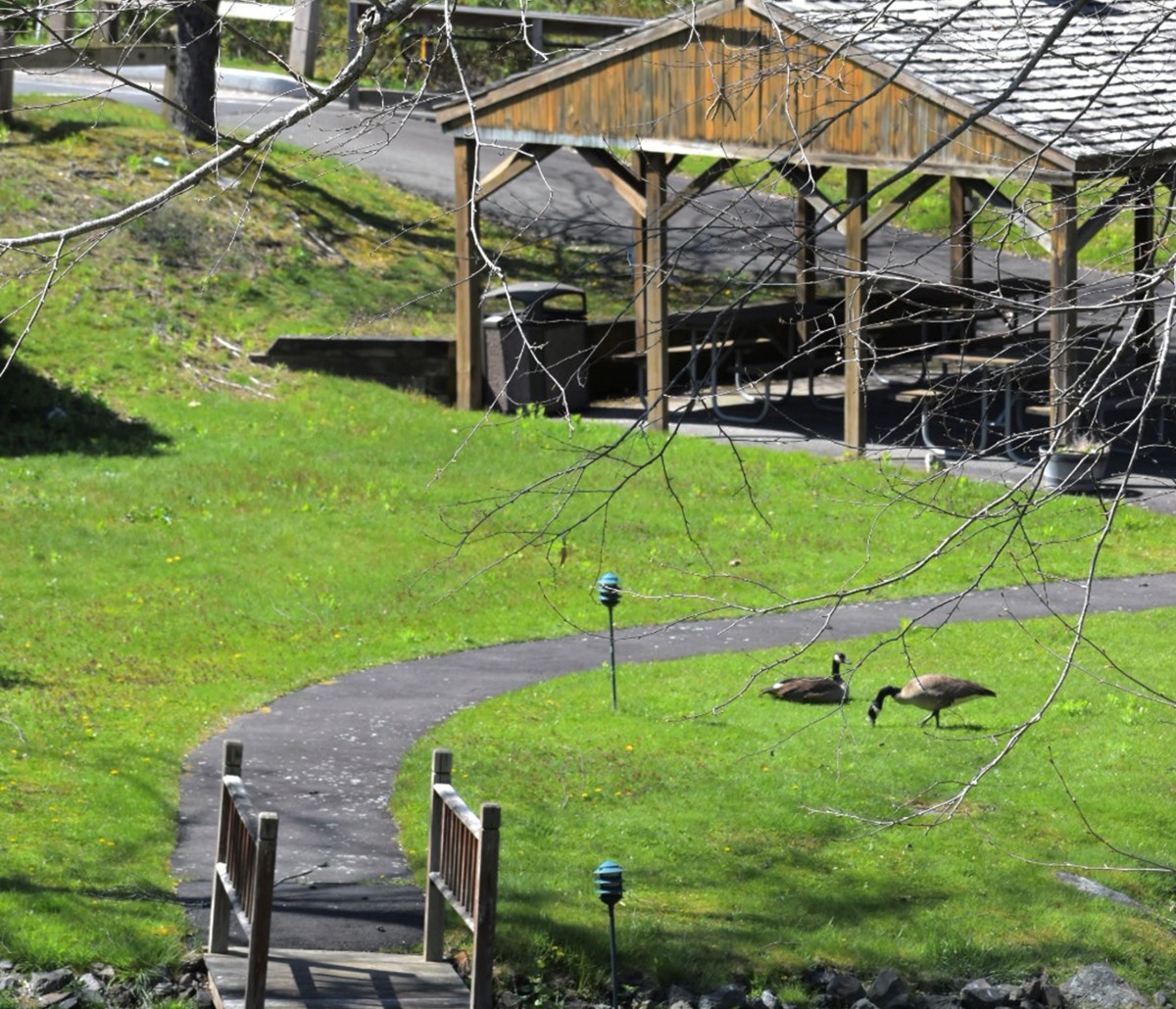
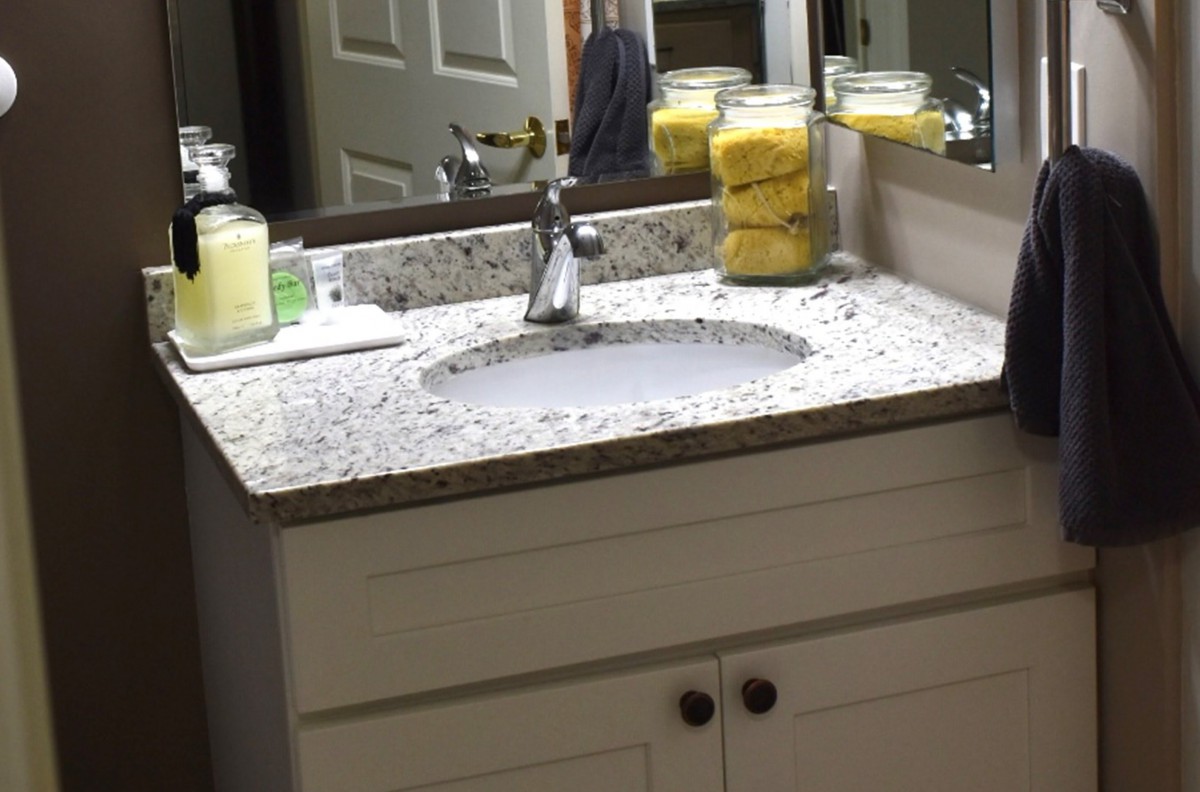
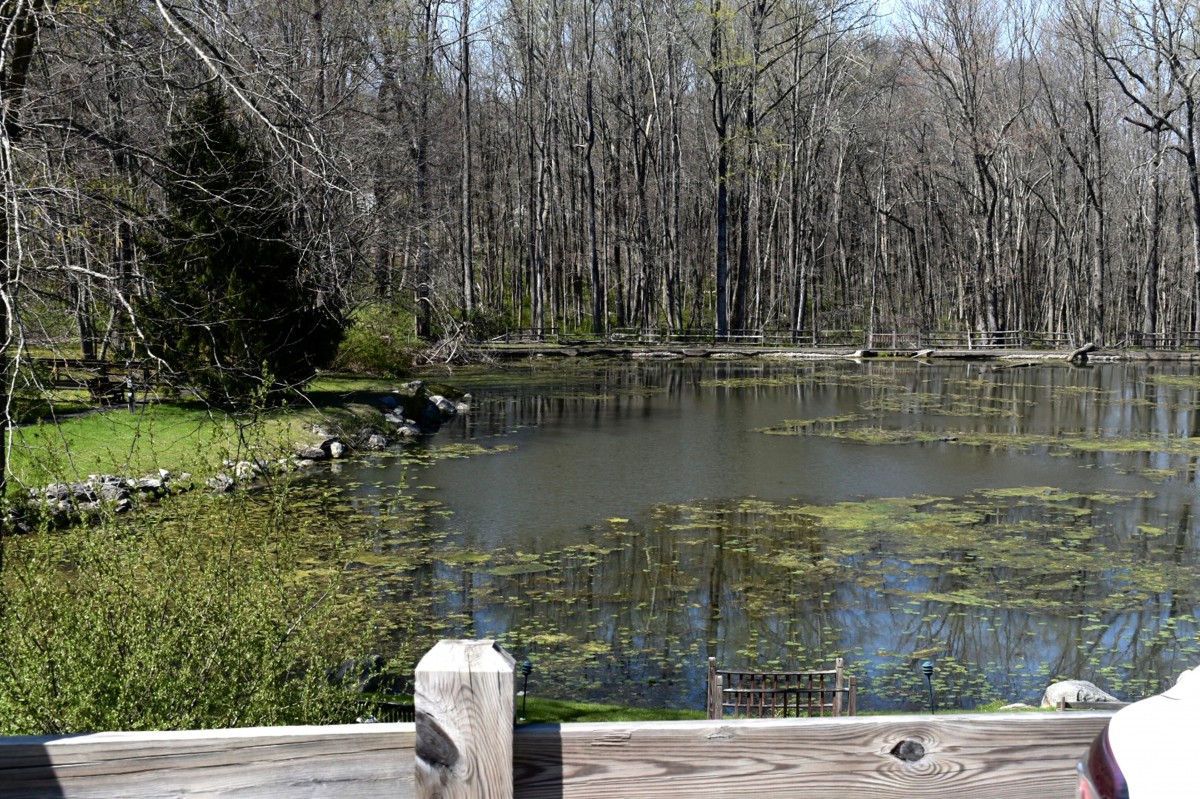
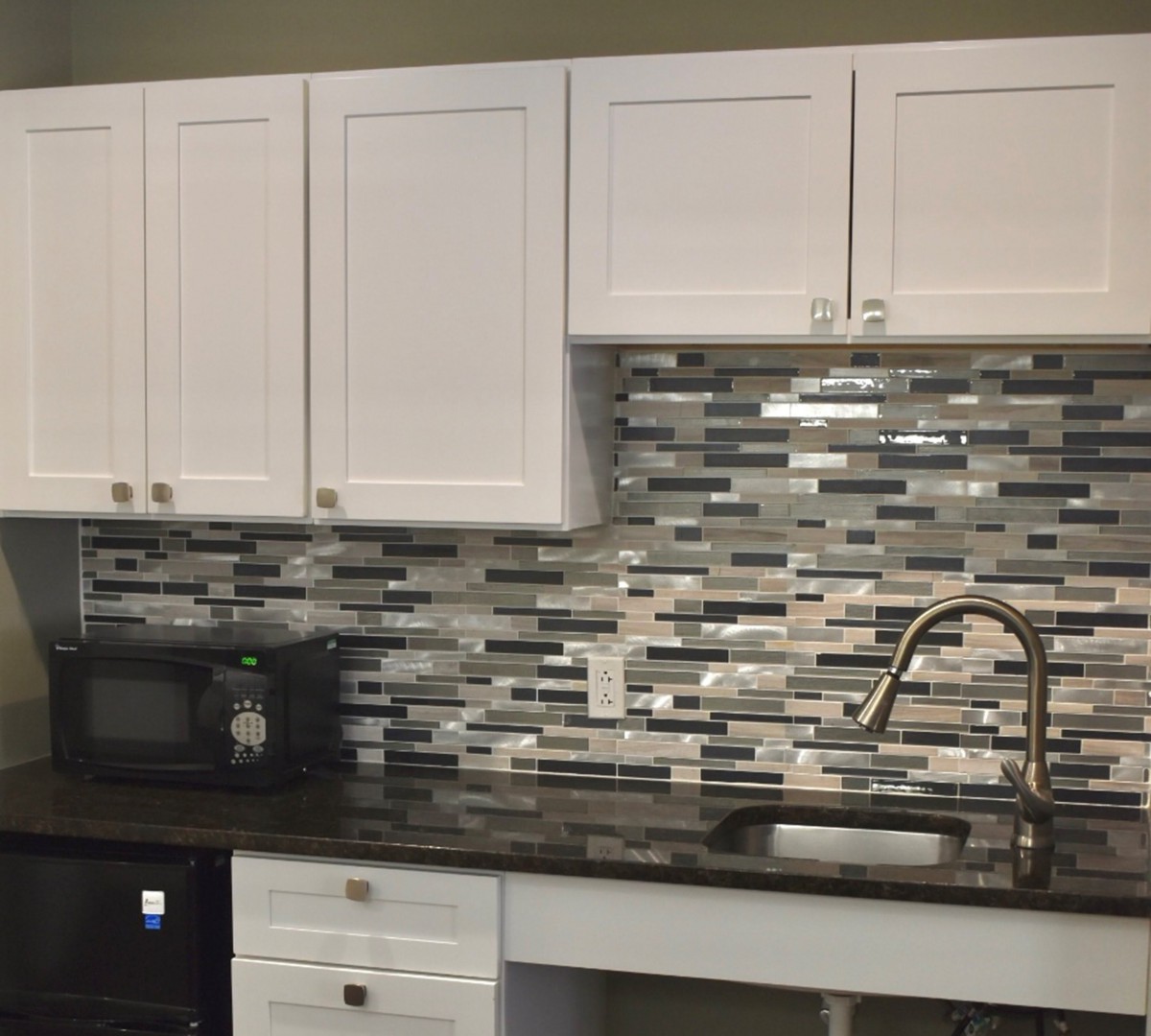
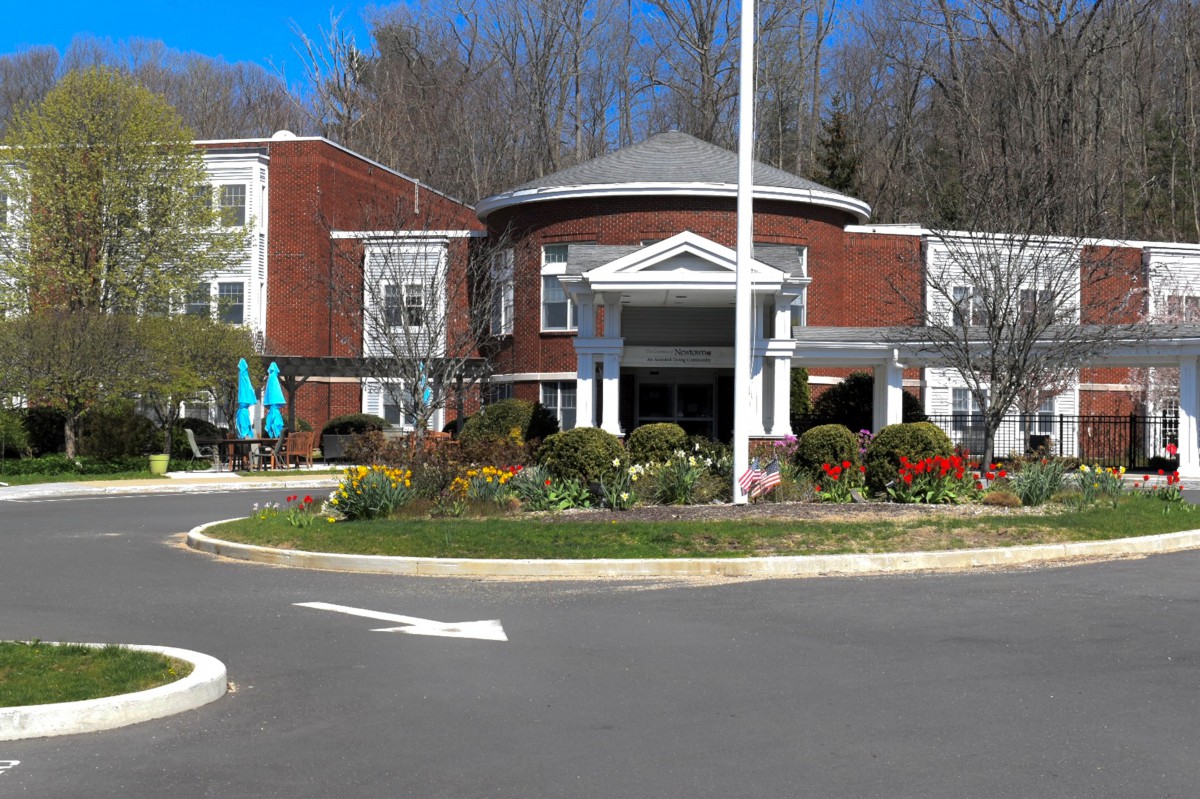
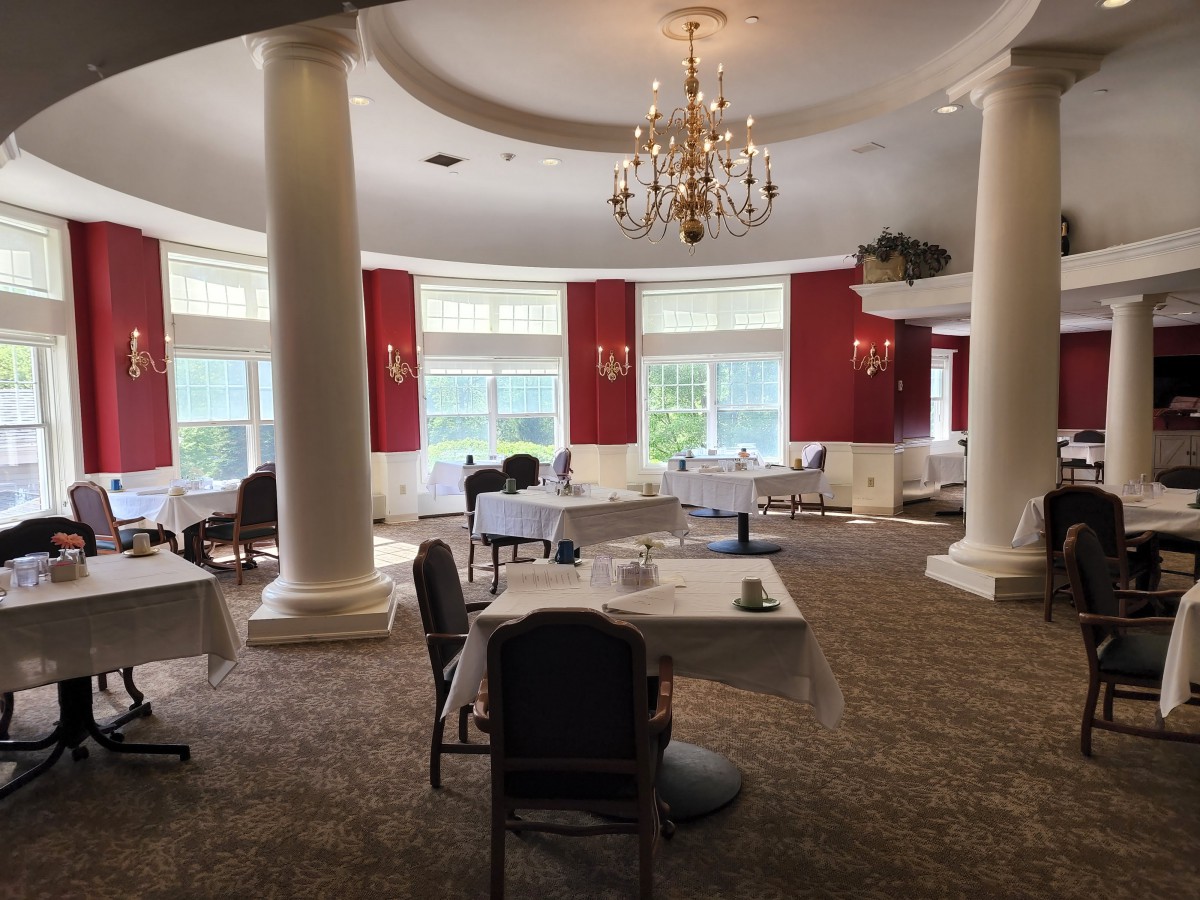
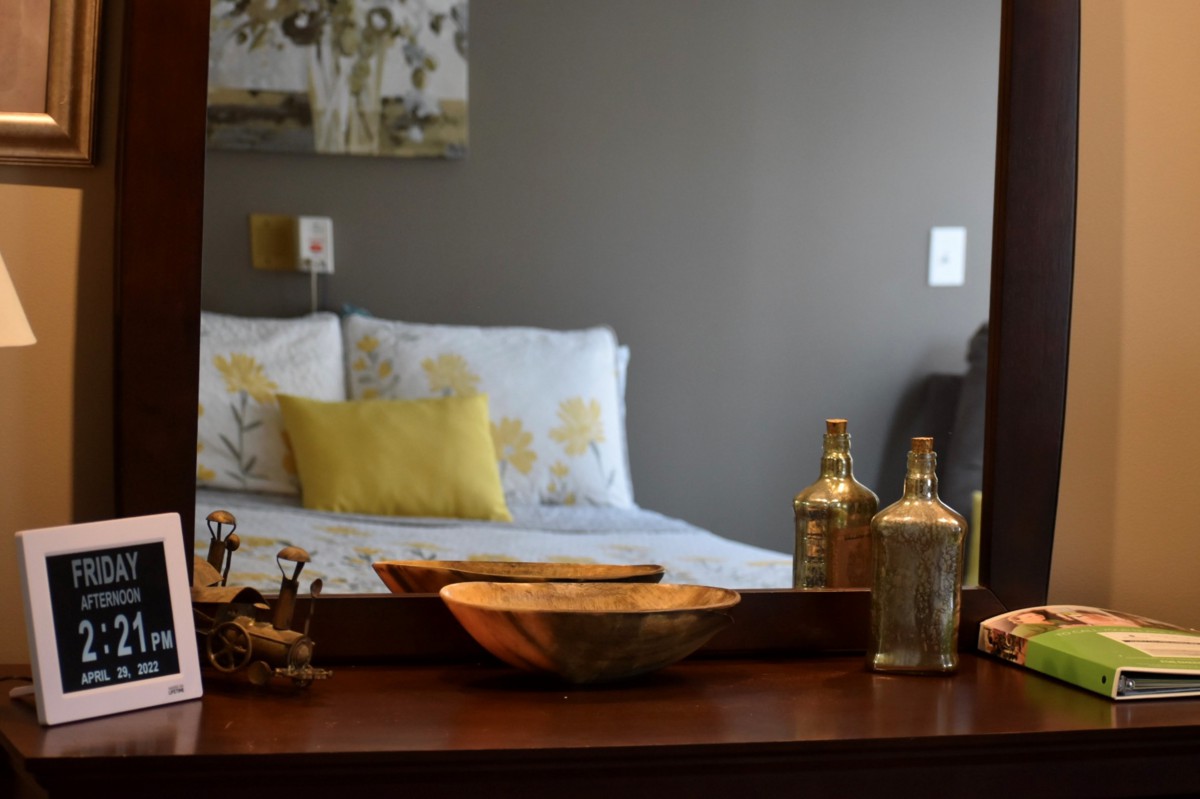
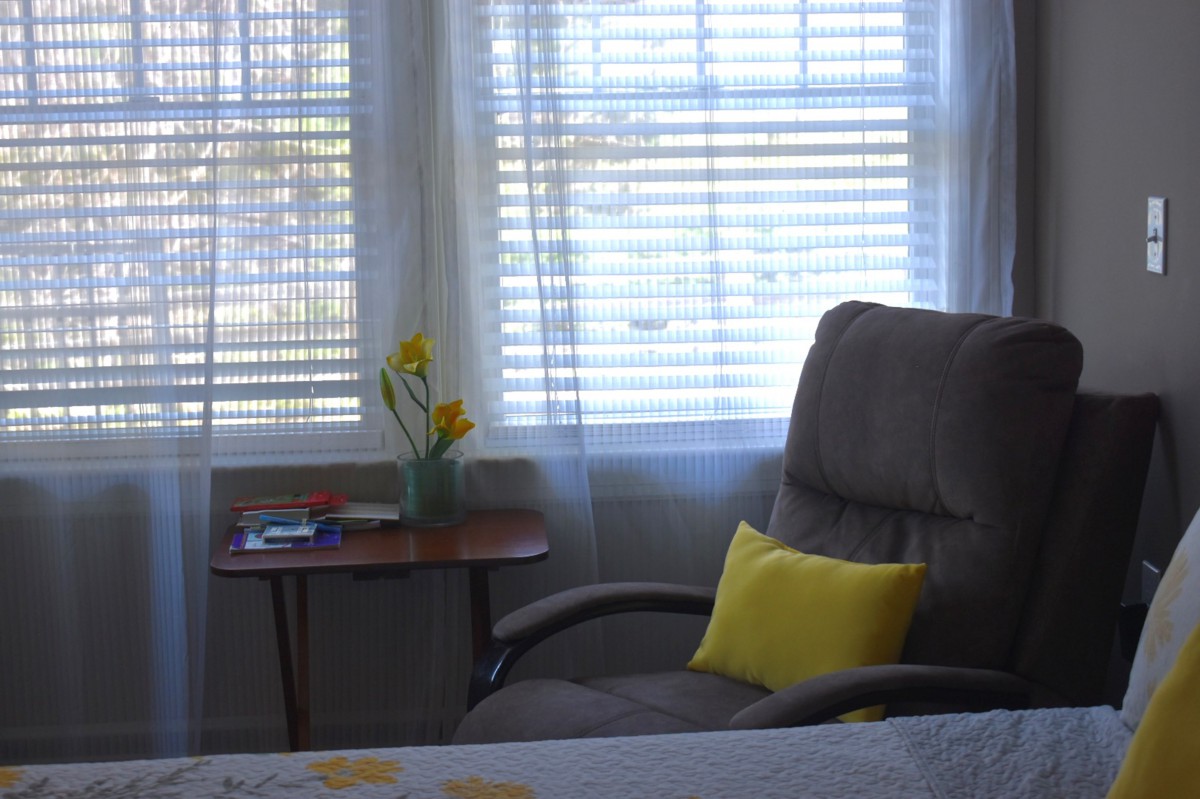
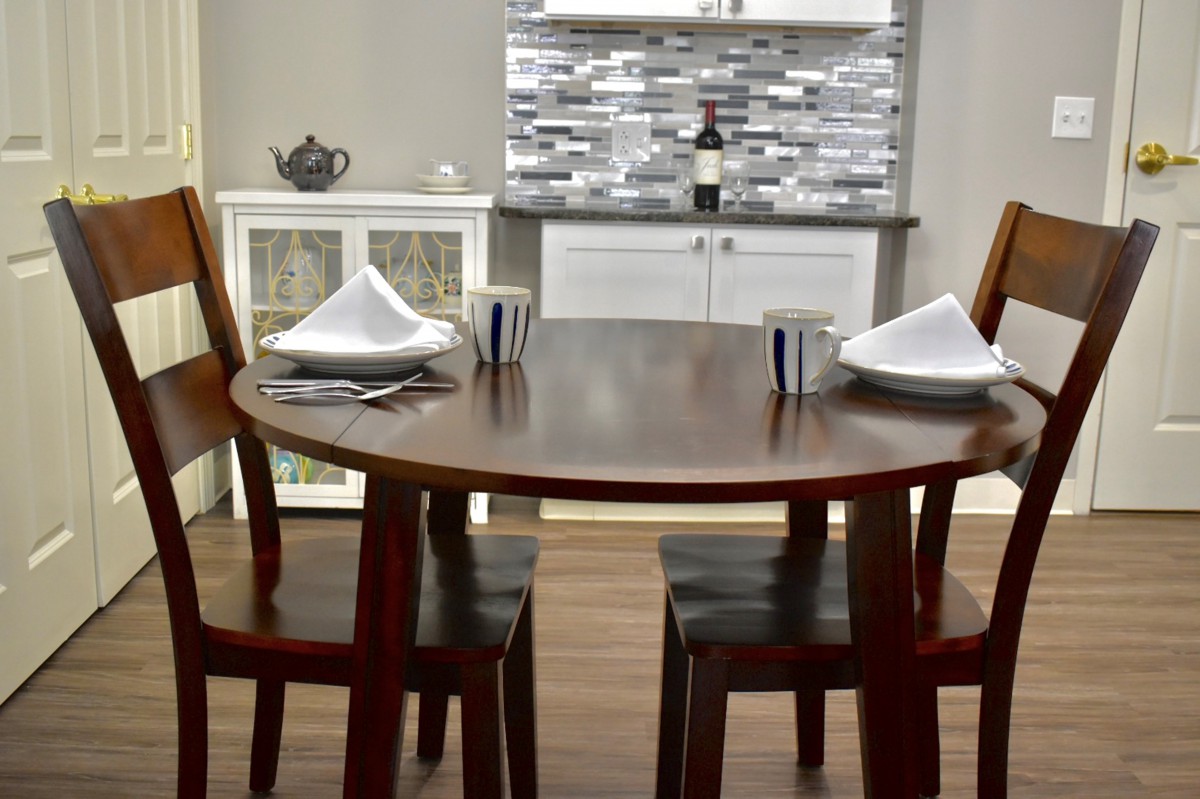
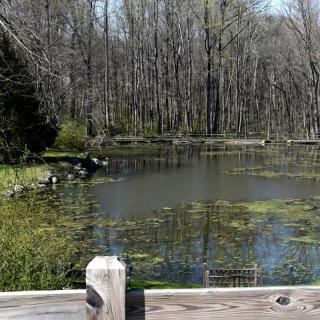
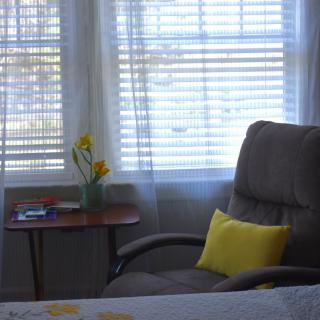
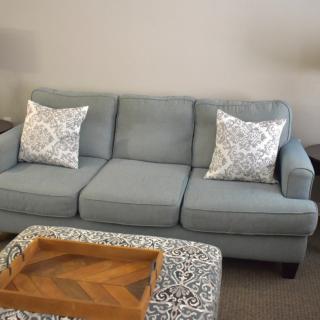
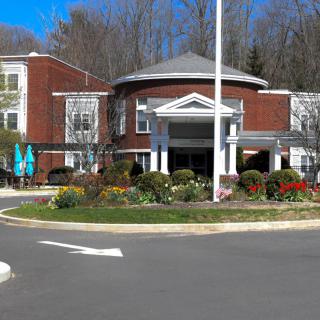
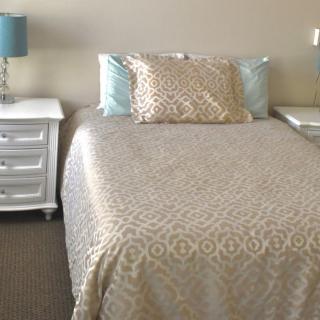
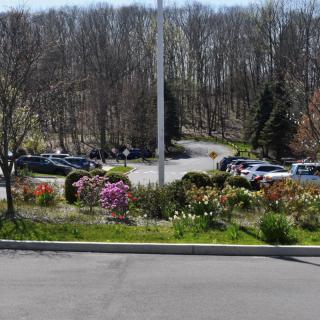
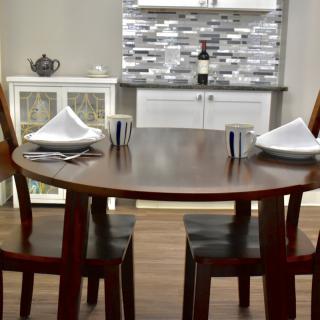
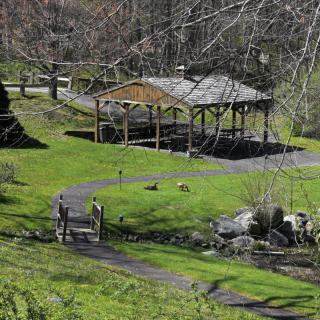
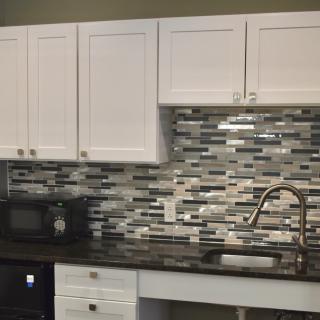
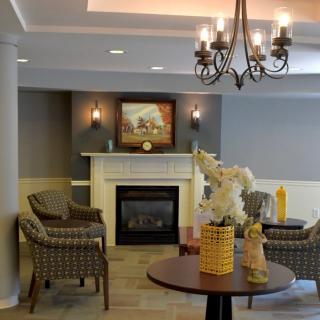
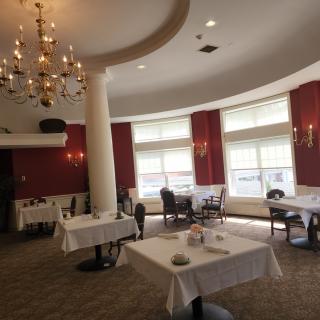
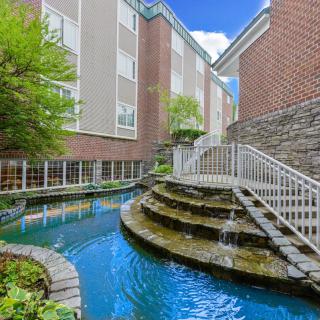
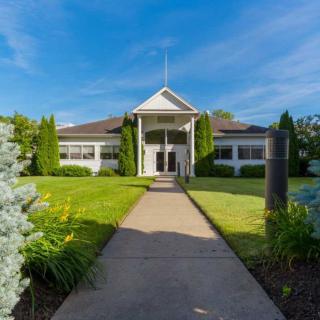
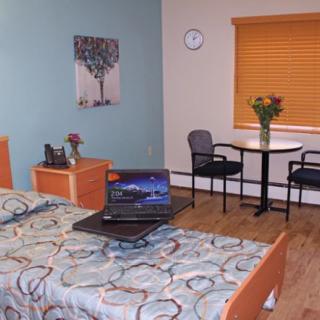
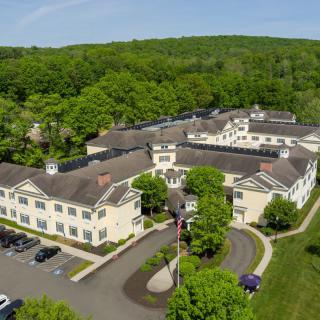
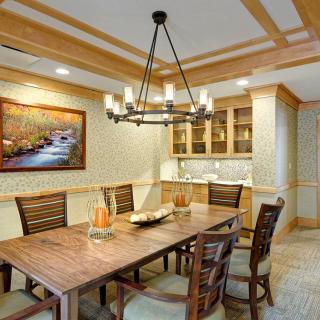
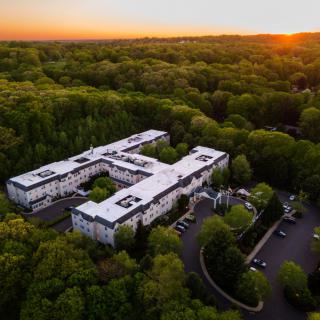
Newtown Rehabilitation & Health Care Center on seniors.fyi includes 21 photos including images showing decor, bedroom, interior, landscaping, dining, living room, outdoors, windows, and more.
Nearby Communities
Old Glory Days
Sandy Hook, CT
4.5 from 6 reviews
Vibrant assisted living with diverse activities, medication management, and inviting outdoor spaces.
Church Hill Village
Newtown, CT
4.2 from 37 reviews
$7,200 to $8,750 / month
Welcoming, clean, and attractive community with friendly staff, good dining, and engaging activities.
Castle Group Home Care-Senior Advisors
Newtown, CT
Convenient access to pharmacies, physicians, hospital, and local amenities; warm, nurturing assisted-living environment.
Church Hill Village
Newtown, CT
4 from 24 reviews
$6,795 to $8,500 / month
Clean, attractive setting with delicious dining, accommodating staff, and engaging activities.
Right at Home of Greater Fairfield County In Home Care
Monroe, CT
4.9 from 135 reviews
Compassionate, professional caregivers with responsive office staff and a seamless setup.
River Glen Health Care Center
Southbury, CT
4.8 from 122 reviews
Exceptional, compassionate staff who form meaningful relationships with residents in a well-maintained, welcoming environment.
Motif Southbury
Southbury, CT
4.2 from 48 reviews
$3,699 to $6,900 / month
Home-like atmosphere with attentive staff and strong family communication.
Maplewood at Newtown
Newtown, CT
4.5 from 179 reviews
$6,900 to $8,500 / month
Caring staff and a welcoming, active community with diverse on-site activities.
Spring Meadows by Monarch
Trumbull, CT
4.5 from 88 reviews
$3,945 to $5,500 / month
Friendly, accommodating staff; clean, well-maintained environment with engaging activities and quality dining.
Dementia encompasses a range of cognitive impairments characterized by types such as Alzheimer's and vascular dementia, and follows a seven-stage progression model known as the Global Deterioration Scale (GDS), highlighting varying symptoms and decline timelines. Early detection allows for lifestyle adjustments to potentially slow progression, while caregivers need support and resources to manage the challenges involved in caring for affected individuals.
The guide on holistic dementia care outlines the complexity of dementia and stresses the need for individualized caregiver strategies that include medical treatment, psychological support, and environmental adaptations, while emphasizing early detection, various therapeutic options, and caregiver support to enhance quality of life and maintain dignity.
Activities of Daily Living (ADLs) are fundamental tasks vital for an individual's independence, particularly in older adults over 85, and include functions like bathing and dressing; assessing ADLs alongside Instrumental Activities of Daily Living (IADLs) helps determine the level of required assistance due to age-related health challenges. Tailored support plans, involving family and community resources, are essential for maintaining dignity and autonomy in assisted living environments.
Newtown Rehabilitation & Health Care Center photos
×
Interior
Outdoors
Decor
Living Room
Building
Bedroom
Trees
Windows
Dining
Landscaping
Kitchen
Fireplace
Bathroom
Chandelier
Interior
Decor
Bedroom
Dining
Living Room
Landscaping
Windows
Building and Entrance
Bathroom
Trees
Kitchen, Appliances, and Cabinets
Chandelier
Fireplace
Outdoors
Pathway
Flag and Parking
Nature
Painting
Grass and Lake
Gazebo and Park
Place Settings
Pond and Water
Additional Photos
Get PricingAsk A QuestionSchedule A TourContact Senior Advisor
By clicking submit, you agree to our Partner's Terms of Use. You
also consent to receive calls and texts, which may be autodialed, from our Partner. Your consent is not a condition to
using our Partner's service. Please visit our Partner's Privacy Policy for information about their privacy practices.






 154 resident community capacity
 Memory Care
 Skilled Nursing Facility
 Cats allowed
 Dogs allowed
 Activities on-site
 Air-conditioning
 Beautician on-site
 Cable or satellite TV
 Computer center
 Devotional services off-site
 Dining room
 Fitness room
 Fully furnished
 Gaming room
 Garden
 Ground floor units
 Handicap accessible
 Housekeeping services
 Indoor common areas
 Kitchenette
 Move-in coordination
 Outdoor common areas
 Private bathrooms
 Respite or short term stays offered
 Restaurant-style dining
 Small library
 Telephone
 Wellness center
 Wi-Fi/high-speed internet available
 Community operated transportation
 12-16 hour nursing
 24-hour call system
 Ambulatory care
 Assistance with bathing
 Assistance with dressing
 Assistance with transfers
 Diabetes diet
 Diabetic care
 High acuity care
 Incontinence care
 Medication management
 Mental wellness program
 Special dietary restrictions
 Art classes
 Catholic services
 Concierge services
 Cooking classes
 Day trips and outings
 Educational speakers / life long learning
 Happy hour
 Karaoke
 Live musical performances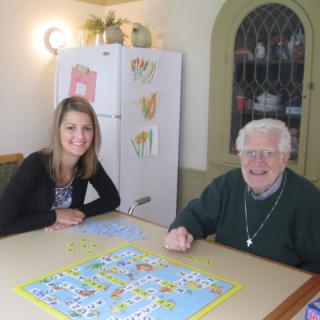
 Vibrant assisted living with diverse activities, medication management, and inviting outdoor spaces.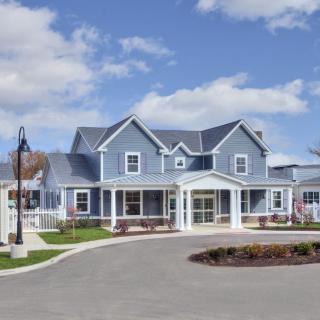


 Understanding Dementia Through Its Seven Stages: A Comprehensive Look at Progression and Expectations
 A Holistic Dementia Care Guide: Effective Strategies for Memory Support
 Comprehensive Insights into Activities of Daily Living (ADLs) and Their Assessment