Overall Review of Right at Home of Greater Fairfield County In Home Care
common
9 reviews mention this
Caregivers are kind and dependable
Residents and families repeatedly describe caregivers as kind, trustworthy, and dependable.
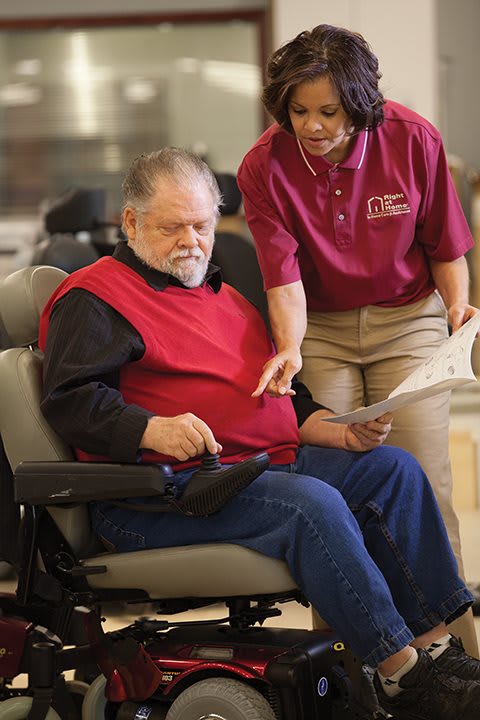
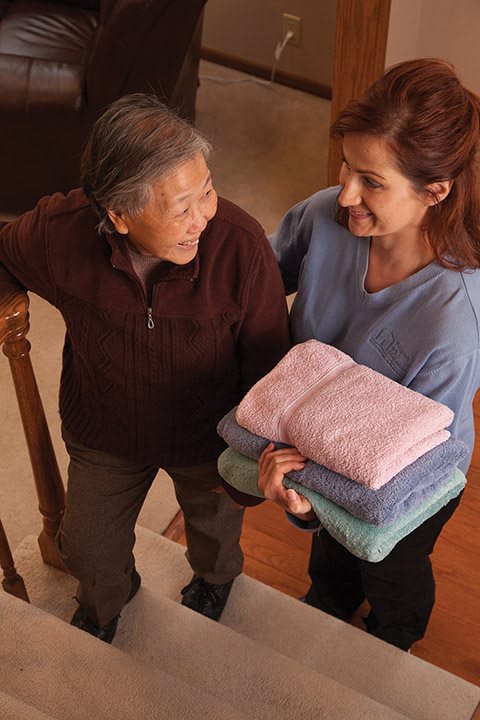
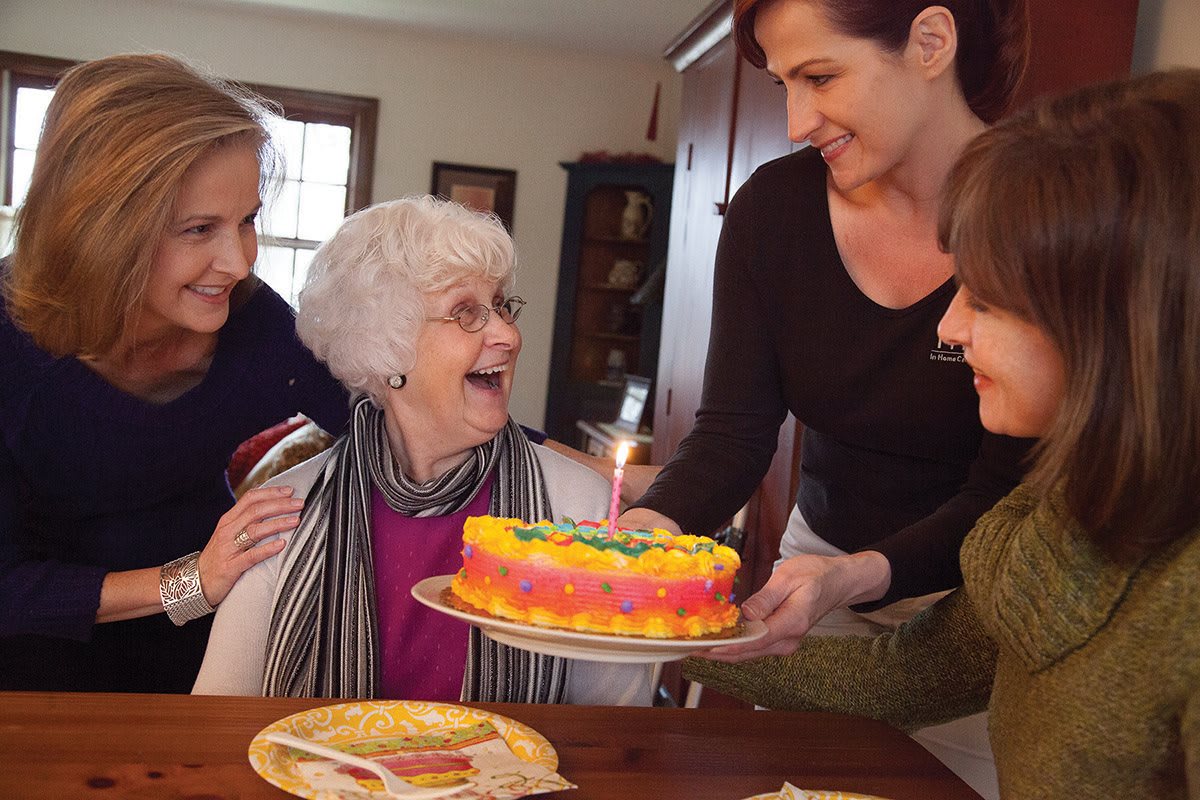
Multiple reviewers emphasize that the aides and caregivers show up when expected and treat loved ones with patience and respect. Reviews also describe the caregivers as attentive day-to-day, including being reliable with schedules and follow-through. Several families mention relief from day-to-day stress because care feels consistent and in capable hands.
differentiator
8 reviews mention this
Flexible scheduling and fast response
Families say scheduling changes are handled quickly and with clear communication.
Reviewers frequently mention that the office responds promptly and follows through, especially when needs change. Several describe last-minute or urgent situations where care was arranged within hours or on short notice, along with help adjusting start times and adding days. Others note easy communication and not being left waiting for answers during the process.
differentiator
9 reviews mention this
24/7 and live-in options
Right at Home reviews frequently mention 24/7 coverage and live-in support.
A recurring theme is availability for round-the-clock care, including requests made right after hospital discharge or during difficult transitions. Several reviewers describe 24-hour or 24/7 coverage for dementia needs and say the team was able to schedule caregivers quickly. Others also call out live-in arrangements and the ability to shift care levels over time without losing continuity.
differentiator
5 reviews mention this
Experience with dementia and Alzheimer’s
Families describe strong support for Alzheimer’s and dementia-related care needs.
Some reviewers specifically mention Alzheimer’s, dementia, and memory care settings and describe caregivers as patient and knowledgeable. One family describes dementia worsening during hospitalization and then getting the extra help needed at home, with aides providing detailed updates after shifts. Others highlight long-running support that includes assistance with daily living tasks while keeping the person comfortable and reassured.
How we summarize
Counts show how many written reviews mention each theme; a review can touch several themes, and only frequently mentioned themes are displayed.
Nearby Places of Interest
This part of Monroe, Connecticut offers a variety of amenities and services that cater to the needs of seniors. The area is home to several pharmacies, restaurants, physicians' offices, places of worship, cafes, parks, hospitals, and transportation options. With multiple pharmacies nearby including CVS Pharmacy and Walgreens, seniors can easily access their medication and healthcare needs. The abundance of dining options such as Bill's Drive-In and Monroe Diner provide convenient choices for meals. Physicians in the area include Advanced Radiology Consultants and Pediatric Healthcare Associates for medical care. Places of worship like United Methodist Church of Monroe offer spiritual support. Parks like Twin Brooks Park provide opportunities for outdoor recreation. Hospitals such as St Vincent's Medical Center and Bridgeport Hospital ensure quality healthcare nearby. Transportation options such as Metro-North BPT Rail Yard and Amtrak make it easy for seniors to travel within the region or beyond. Overall, this part of Monroe offers a well-rounded community with essential resources for senior living.
Pharmacies
- CVS Pharmacy (0.1 miles)
- Walgreens (1.1 miles)
- Rite Aid (2.7 miles)
- Compounded Solutions In Phrmcy (3 miles)
- CVS Pharmacy (5.5 miles)
- Walgreens (5.6 miles)
- CVS Pharmacy (6.8 miles)
Restaurants
- Bill's Drive-In (0.4 miles)
- McDonald's (0.6 miles)
- Monroe Social (2.8 miles)
- Monroe Diner (2.8 miles)
- Trumbull Pizza Company (2.8 miles)
- Crown Pizza (4.7 miles)
- Lake Zoar Drive-In (4.8 miles)
Physicians
- Advanced Radiology Consultants (1.6 miles)
- Patrignelli Robert J MD PC (4.1 miles)
- Steeves Corrie MD (5.2 miles)
- Neurological Specialists PC (5.2 miles)
- Medical Imaging Systems (5.3 miles)
- Yale New Haven Health Park Avenue Medical Center (6.4 miles)
- Pediatric Healthcare Associates (6.5 miles)
Places of Worship
- United Methodist Church of Monroe (1.7 miles)
- Trinity Episcopal Church (8.9 miles)
- Church of Jesus Christ of Latter Day Saints (9.8 miles)
Cafes
- Aunties Cafe (3.9 miles)
- Starbucks (5.1 miles)
- Starbucks (5.5 miles)
- Starbucks (8.6 miles)
- Panera Bread (9.5 miles)
- Doughnut Inn (9.5 miles)
Parks
- Twin Brooks Park (5.6 miles)
- Collis P. Huntington State Park (7.6 miles)
- Boothe Memorial Park Hawkwatch (7.9 miles)
- Lake Mohegan (8.2 miles)
- Silver Sands State Park (10.5 miles)
Hospitals
- St Vincent's Medical Center (8.1 miles)
- Bridgeport Hospital (9.2 miles)
- Bridgeport Hospital (9.2 miles)
- Milford Hospital Walk In (10.2 miles)
- Milford Campus Bridgeport Hospital (10.5 miles)
Transportation
- Metro-North BPT Rail Yard (9.5 miles)
- Greater Bridgeport Transit Authority (9.5 miles)
- Amtrak (9.8 miles)
- Metro North - Milford Train Station (10.4 miles)

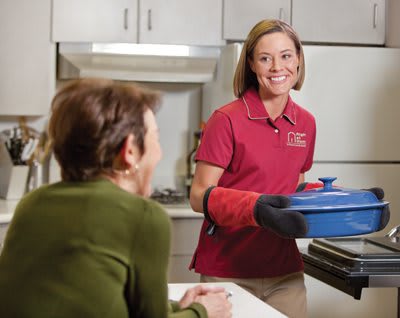








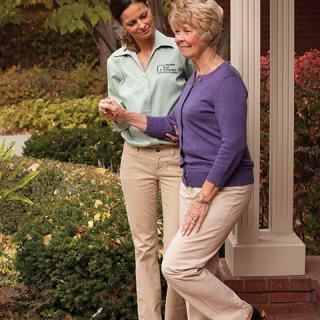



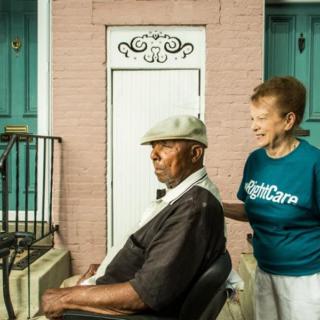




 Comprehensive care services (meal prep, medication management) with connectivity (telephone and Wi?Fi).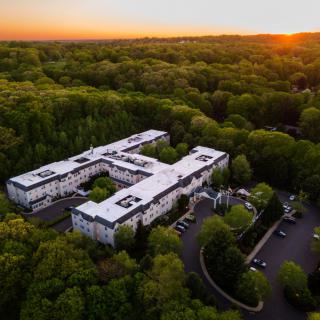

 Recognizing the Journey: Understanding and Navigating Anticipatory Grief
 Encouraging Participation in Adult Day Care: A Guide to Supporting a Hesitant Parent
 Comprehensive Exploration of Living Wills and Other Advance Directives