
Regency Circle, Trumbull, CT 06611
For more information about senior living options: (866) 208-4318
Overall Review of Regency Meadows
Pros
 The neighborhood is peaceful and quiet.
- It is a great neighborhood for people aged 65 and older.
Cons
 The addresses on Regency Circle are wrong.
- Residents have made several requests to fix the issue over the last 20 years, but nothing has happened.
- GPS users are directed to the wrong house.
Review
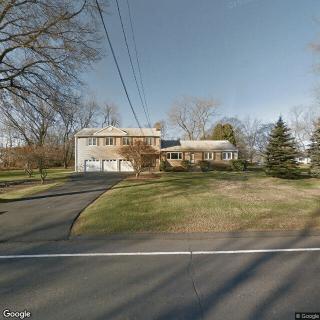
Regency Meadows in Trumbull is best suited for independent seniors who want to stay in a quiet, residential setting and who value the predictability of a deed-restricted neighborhood over a bustling campus-style senior community. The surrounding Regency Circle area comes across as peaceful and low-key, appealing to residents who prize calm rhythms, minimal disruption, and neighborhood familiarity. This isn’t a facility built around high-energy programming or aggressive marketing; it reads as a place for self-directed living where daily life slides into a steady, understated routine.
Those needing formal assisted living or on-site medical oversight should seriously consider alternatives. The available feedback centers on location and atmosphere rather than care delivery, and the lone explicit negative points concern administrative quirks (addresses that don’t line up with the neighborhood) rather than care shortcomings. There is scant information about staff qualifications, meal programs, on-site activities, transportation, or safety features. In short, the narrative does not provide assurance about the level of care or daily support a resident might require, which makes Regency Meadows risky for anyone with substantial care needs.
On the upside, the key pros cohere into a compelling case for a particular subset of seniors. The setting is peaceful and quiet, which translates into predictable days and fewer commotion-driven stressors, an undeniable win for residents who prioritize rest, privacy, and low-stimulation environments. The 65+ demographic appeal is tangible: the community feels oriented toward older adults seeking companionship in a subdued, residential context rather than a full-service, all-inclusive campus. The noted deed restrictions can help preserve curb appeal and a sense of order, which many families equate with safety and stability. Yet those same restrictions can also limit personalization, neighborhood flexibility, and the pace at which residents can modify their living arrangements.
The main cons cloud the picture for anyone weighing care adequacy. The lack of explicit, verifiable information about on-site services, staffing, programming, and healthcare support is the most significant gap. Mixed rating signals, a distribution that includes mid-range and low-star feedback, underscore uncertainty about consistency and resident satisfaction. Coupled with the logistical-yet-ambiguous complaint about addresses, there is a sense that administrative friction may color the resident experience more than any concrete care attribute. For families charting a path toward long-term care, these gaps matter: what seems like a serene setting could become problematic if medical needs arise or day-to-day supports fall short.
Balancing the positives against the negatives points decisively in favor of Regency Meadows only for a narrowly defined audience. For an independently minded senior who seeks a tranquil, neighborly home environment and is comfortable managing their own care with occasional external support, the pros can offset the absence of robust on-site services. For anyone who anticipates requiring regular assistance, mobility aids, memory care, or hands-on clinical oversight, the missing information and potential administrative quirks make alternatives a wiser bet. The decision hinges on care needs first, followed by environment.
Practical next steps reduce risk. Prospective residents should request a concrete rundown of what on-site services exist now, including staff hours, care levels, emergency protocols, meals, housekeeping, transportation, and safety measures. A tour is essential to observe maintenance standards, communal spaces, and how residents interact with staff. Confirm the exact address, signage, and access points to avoid the GPS confusion that has surfaced in neighborhood commentary. Compare with nearby communities that openly publish their care offerings, resident-to-staff ratios, and fee structures. If independence with minimal interference is the goal, Regency Meadows can fit; if a higher level of care or more transparent operations is required, exploring alternatives is the prudent course.
 6 resident community capacity
 Active Adult Communities (55+)
 Housekeeping services
 Telephone
 Wi-Fi/high-speed internet available
 Assistance with dressing
 Meal preparation and service
 Medication management
 Diabetes diet
 Special dietary restrictions





 Comprehensive Insights and Practical Strategies to Help Older Adults Avoid Falls
 6 Crucial Ways an Elder Law Attorney Assists Families
 Navigating the Tax Landscape of Caregiving: Credits, Deductions, and Beyond