For more information about senior living options: (866) 208-4318
4.5 from 123 reviews
5 stars
99
4 stars
9
3 stars
1
2 stars
1
1 stars
13
Overall Review of Complete Care at Meriden
common37 reviews mention this
Staff kindness and responsiveness stand out
Residents and families most often mention kind, helpful staff who take care of patients.
Many reviews describe staff members as friendly, caring, and attentive, including nursing aides, nurses, and therapy teams. Several reviewers say their loved ones were treated with compassion and that staff showed up with professionalism and respect. A smaller set of reviews contrasts that by describing moments when care fell short, including not answering calls or doors being shut, but those comments are less frequent than praise.
common22 reviews mention this
Cleanliness is repeatedly praised
Clean, well-kept conditions come up often in residents’ and visitors’ feedback.
A recurring theme is that the building looks very clean and well maintained, with some reviewers calling out pristine or spotless rooms and hallways. Several positive comments also tie cleanliness to an overall comfortable feel when visiting. The negative reviews include complaints about dirty bathrooms, soiled items, and poor hygiene, but the cleanliness-positive notes appear more consistently across the feedback.
differentiator10 reviews mention this
Care teams help with rehab progress
Physical therapy and nursing support show up as a major part of the rehab experience.
Multiple reviews mention rehabilitation support, including physical therapy and coordinated nursing care, with patients described as improving. Families also describe staff that supported therapy participation and worked with healthcare needs during recovery. That theme is paired with some critical comments about physical therapy not being effective, but there are also reviews praising strong therapy progress and attentiveness.
caveat7 reviews mention this
Food quality draws mixed reactions
Food is a frequent point of difference, with both praise for meals and complaints about taste and cleanliness.
Some reviewers describe meals positively, including fresh, flavorful food and meals that people enjoyed. Others say the food was not good—cold, unpleasant, or thrown together—and at least one review links food and cleanliness concerns to a wider care issue. There are also comments about efforts to accommodate preferences when needed, including bringing outside food to supplement meals.
caveat8 reviews mention this
Call-bell and hygiene concerns appear
A subset of reviewers report problems with day-to-day care basics and communication.
While many reviews describe attentive care, several critical ones report breakdowns such as not answering call bells, delays in helping with toileting or bed needs, and leaving patients in dirty clothes or soiled conditions. A few negative reviews also mention slow responses or staff handling concerns that affected trust during short-term stays. These complaints are not universal, but they are consistent enough to stand out against the overall positive tone.
How we summarize
Counts show how many written reviews mention each theme; a review can touch several themes, and only frequently mentioned themes are displayed.
Features
Housing
21 resident community capacity
Types of Care
Memory Care
Skilled Nursing Facility
Amenities
Beauty salon
Cable or satellite TV
Dining room
Fully furnished
Garden
Housekeeping services
Kitchenette
Move-in coordination
Outdoor space
Telephone
Wi-Fi/high-speed internet available
Care Services
24-hour call system
24-hour supervision
Activities of daily living assistance
Assistance with bathing
Assistance with dressing
Assistance with transfers
Coordination with health care providers
Diabetes diet
Meal preparation and service
Medication management
Mental wellness program
Mild cognitive impairment
Special dietary restrictions
Specialized memory care programming
Transportation arrangement (medical)
Transportation to doctors appointments
Dining
Diabetes diet
Special dietary restrictions
Activities
Community-sponsored activities
Scheduled daily activities
Nearby Places of Interest
Restaurants
Burger King (1.5 miles)
Chick-Fil-A (1.7 miles)
Sliders Grill & Bar (1.8 miles)
Sonic Drive-In (1.8 miles)
Caribbean Restaurant (2.6 miles)
Double Play Cafe (2.7 miles)
Hometown Pizza & Restaurant (2.7 miles)
Physicians
Cloverleaf Family Medicine (1.5 miles)
Dr Francescon's Office (1.6 miles)
Hartford HealthCare Medical Group (2 miles)
The Women's Center Of Southern New England (2.2 miles)
The features offered by Complete Care at Meriden are tailored to support residents with dementia or Alzheimer's disease in various critical aspects of their daily lives. Assistance with dressing, bathing, and transfers ensures that individuals maintain dignity and comfort while receiving the necessary physical help. Medication management helps prevent confusion and potential health risks from missed doses, while meal preparation and service provide nutritious food in a structured environment. Transportation arrangements for medical appointments facilitate continuity of care, complemented by coordination with healthcare providers to ensure comprehensive treatment plans are followed. Activities of daily living assistance fosters independence within a safe framework, while 24-hour supervision provides peace of mind for both residents and their families. The mental wellness program addresses cognitive challenges through stimulation and engagement, and specialized memory care programming is specifically designed to meet the unique needs of those with mild cognitive impairment or advanced dementia stages, enhancing their quality of life and overall well-being.
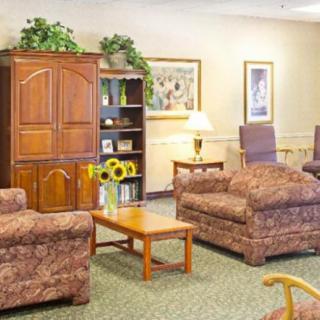
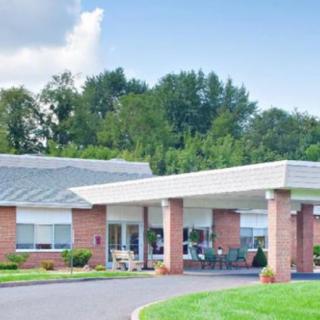
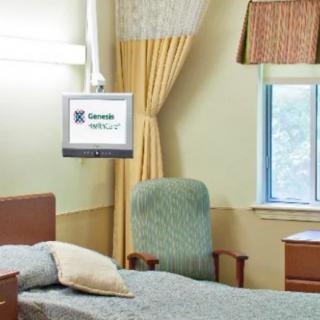
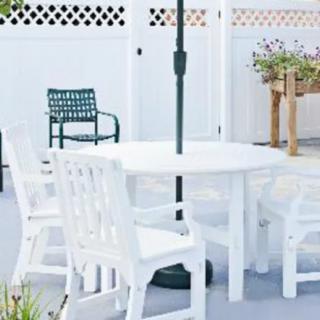
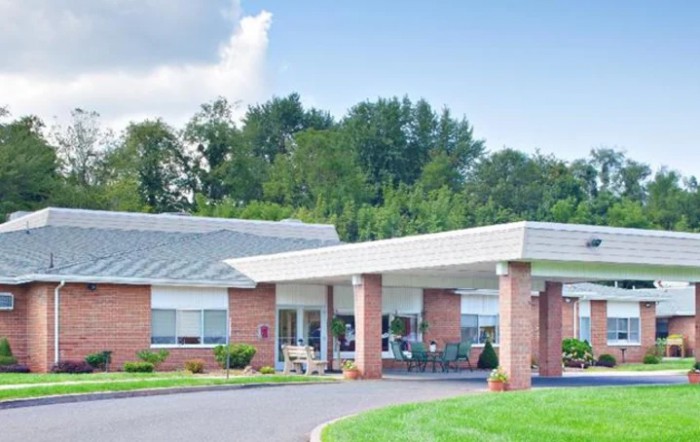
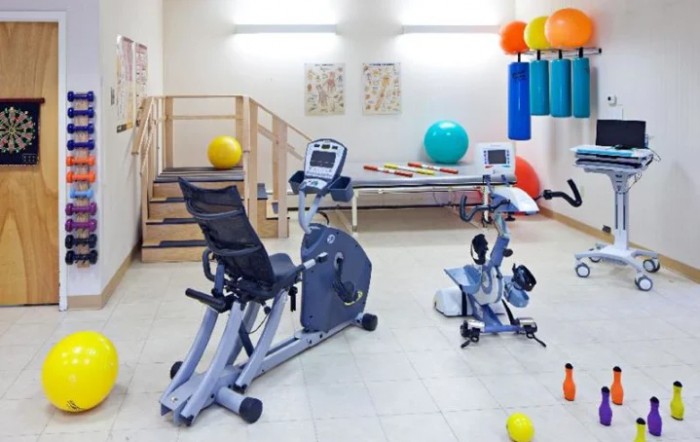
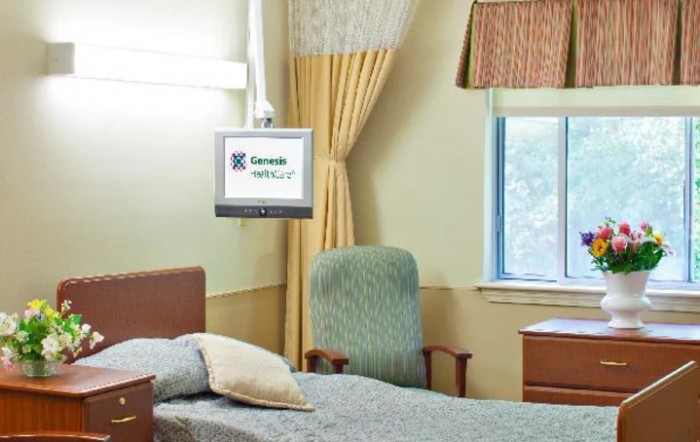
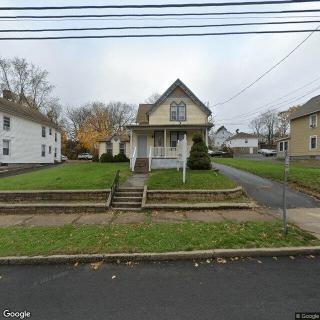
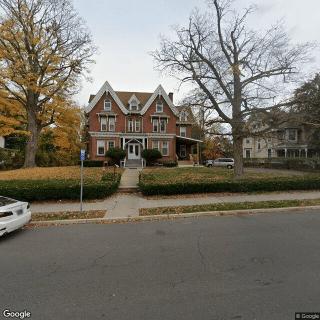
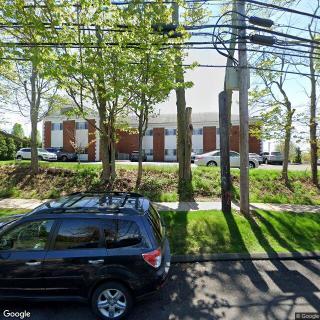
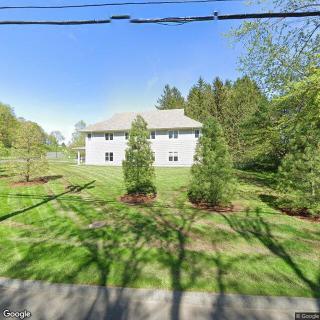
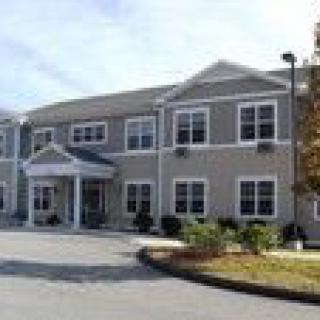
Complete Care at Meriden on seniors.fyi includes 5 photos including images showing exercise equipment, outdoor, building, patio, entrance, deck, trees, landscaping, and more.
Nearby Communities
Connecticut Baptist Homes
Meriden, CT
4.1 from 30 reviews
$3,000 / month
Clean, well-maintained facility with attentive staff and a range of care options, plus a convenient location and engaging activities.
Maple Hill Apartments
Meriden, CT
1 from 1 review
Vibrant 55+ community with quick access to healthcare, dining, parks, and pharmacies.
Silver Manor Residential Care Home
Meriden, CT
2.6 from 5 reviews
Intimate 22-bed board-and-care with 24/7 supervision, personalized care, fully furnished rooms, nutritious meals, and engaging activities.
Assisted Living Svc
Meriden, CT
Easy access to healthcare, dining, and parks nearby.
Silver Manor Home-The Aged
Meriden, CT
2.6 from 5 reviews
Well-established with convenient access to dining, parks, pharmacies, physicians, and hospitals.
Apple Rehab Coccomo
Meriden, CT
2.6 from 36 reviews
Comprehensive on-site amenities (dining, fitness, salon, library) plus 24-hour care and transportation
Regency House Nursing And Rehabilitation Center
Wallingford, CT
4.8 from 128 reviews
Attentive staff, clean facilities, good dining, and engaging activities.
Masonicare at Ashlar Village
Wallingford, CT
4 from 31 reviews
$3,625 to $6,197 / month
Well-maintained, amenity-rich community with friendly staff and diverse activities.
Luther Ridge At Middletown
Middletown, CT
4.1 from 47 reviews
Friendly staff, abundant activities, and a pet-friendly, well-maintained facility.
Dementia encompasses a range of cognitive impairments characterized by types such as Alzheimer's and vascular dementia, and follows a seven-stage progression model known as the Global Deterioration Scale (GDS), highlighting varying symptoms and decline timelines. Early detection allows for lifestyle adjustments to potentially slow progression, while caregivers need support and resources to manage the challenges involved in caring for affected individuals.
The article presents eight strategies for preserving cognitive health and memory in older adults, emphasizing a nutrient-rich diet, regular exercise, intellectually stimulating activities, adequate sleep, social connections, stress management techniques, limiting harmful substances, and regular medical checkups to mitigate age-related memory decline.
Activities of Daily Living (ADLs) are fundamental tasks vital for an individual's independence, particularly in older adults over 85, and include functions like bathing and dressing; assessing ADLs alongside Instrumental Activities of Daily Living (IADLs) helps determine the level of required assistance due to age-related health challenges. Tailored support plans, involving family and community resources, are essential for maintaining dignity and autonomy in assisted living environments.
Exercise Equipment, Gym, Rehabilitation, Fitness Center, and Workout Space
Get PricingAsk A QuestionSchedule A TourContact Senior Advisor
By clicking submit, you agree to our Partner's Terms of Use. You
also consent to receive calls and texts, which may be autodialed, from our Partner. Your consent is not a condition to
using our Partner's service. Please visit our Partner's Privacy Policy for information about their privacy practices.

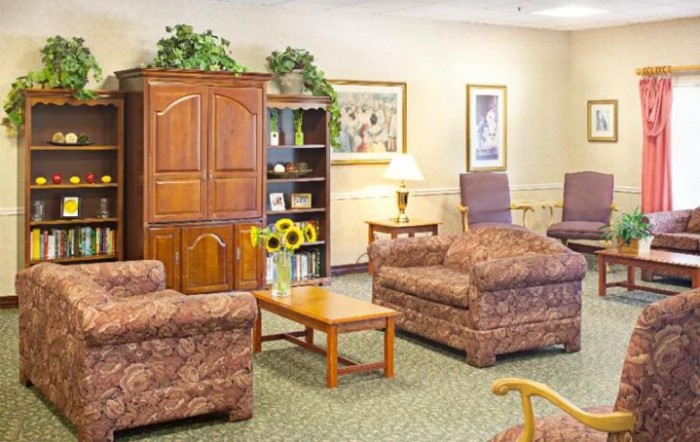
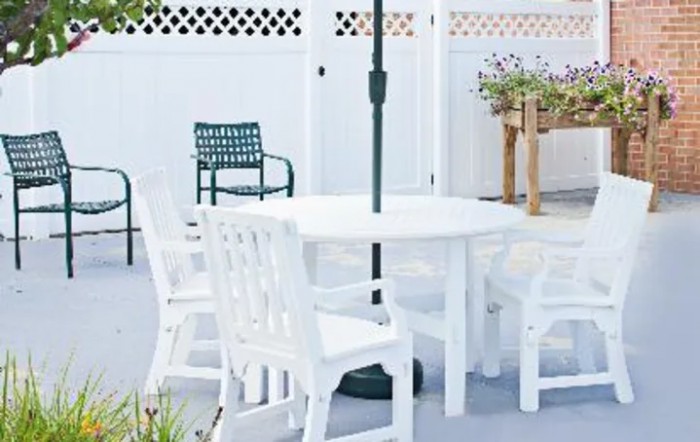
 21 resident community capacity
 Memory Care
 Skilled Nursing Facility
 Beauty salon
 Cable or satellite TV
 Dining room
 Fully furnished
 Garden
 Housekeeping services
 Kitchenette
 Move-in coordination
 Outdoor space
 Telephone
 Wi-Fi/high-speed internet available
 24-hour call system
 Activities of daily living assistance
 Assistance with bathing
 Assistance with dressing
 Assistance with transfers
 Diabetes diet
 Meal preparation and service
 Medication management
 Mental wellness program
 Special dietary restrictions
 Transportation arrangement (medical)
 Transportation to doctors appointments
 Clean, well-maintained facility with attentive staff and a range of care options, plus a convenient location and engaging activities.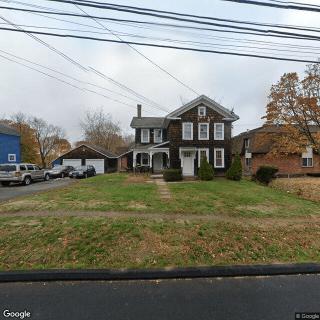


 Understanding Dementia Through Its Seven Stages: A Comprehensive Look at Progression and Expectations
 Safeguarding Your Memory Through the Golden Years: Eight Ways to Preserve Cognitive Health
 Comprehensive Insights into Activities of Daily Living (ADLs) and Their Assessment