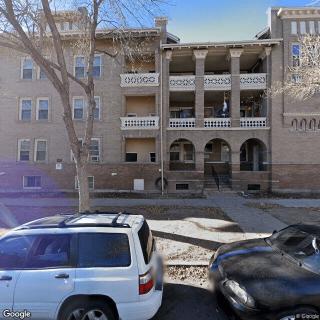
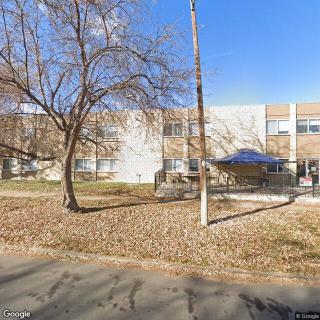
1535 Park Ave, Denver, CO 80218
To contact a resident: (303) 832-9323
For more information about senior living options: (866) 208-4318
Overall Review of Health Center at Franklin Park
Pros
 The staff are compassionate, attentive, and treat residents like family.
 - Vanessa, Alessia, and Sarah are angels who showed genuine compassion to their uncle.
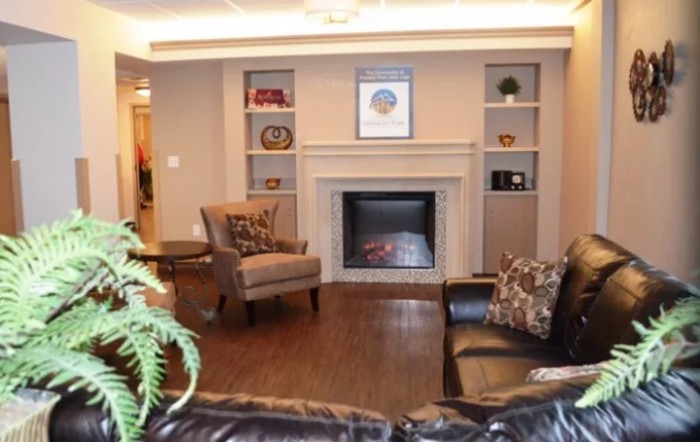
- The Health Center at Franklin Park is warm, caring, and dedicated to residents’ well-being.
- The new Director of Nursing is a fantastic addition, bringing positive leadership and changes.
- The rehab wing is bright and motivating, with top-notch therapists personalizing care plans.
- The facility communicates well with families, keeping them informed every step of the way.
Cons
 The facility showed major neglect toward a long-term resident who was a fall risk, allowing repeated falls and a broken hip with no apparent care.
- Basic grooming and hygiene were neglected, with the resident not shaved, not having hair cut, and teeth not brushed.
- The environment was described as smelling like urine and overall a nasty place.
- The center reportedly let an Army veteran uncle down by not providing medications, leading to dehydration and malnutrition after a fall.
- Admin and weekend supervisor were described as horrible and unprofessional, with mishandled rooms and belongings and staff who were unreachable.
- The staff were said to avoid answering the phone for days and to be defensive and rude, leading the reviewer not to recommend the facility.
Review
Health Center at Franklin Park in Denver is best suited for families seeking a warm, family-like environment with a strong rehab orientation and staff who actively treat residents as part of a close-knit community. The facility often resonates with families that prioritize personal attention, transparent communication, and a sense that caregivers are genuinely invested in recovery and daily well‑being. For post‑acute rehab stays and for veterans who value a welcoming culture backed by a capable rehab team, the center can be a solid fit when the emphasis is on hands‑on, approachable care and visible staff accessibility.
However, this community is not the right match for those who require consistently flawless administrative operations and tightly managed workflows. Families that cannot tolerate gaps in communication, delayed responses, or unresolved logistics should consider alternatives. Several reviews highlight that when the front desk or weekend supervision is overwhelmed or inattentive, or when room holds and personal belongings go missing, the experience deteriorates quickly. If steady, predictable operations and proactive problem-solving are non-negotiables, exploring other facilities with stronger track records on administrative reliability is prudent.
On the upside, the Health Center at Franklin Park demonstrates several durable strengths that often offset concerns when staffing is stable and leadership is clear. Multiple residents and families repeatedly emphasize a compassionate, attentive staff that treats residents like family. The rehab wing has earned praise for its bright, motivating atmosphere and the therapists’ ability to tailor plans to individual progress, with some residents even enjoying private rooms that support focused recovery. The arrival of a new Director of Nursing is noted by families as a meaningful leadership upgrade that translates into better communication with families and more cohesive care delivery. Taken together, these strengths create a credible foundation for trust in daily care and ongoing recovery goals.
Yet the most serious red flags lie in episodes of neglect, inconsistent medical oversight, and administrative disorganization. There are firsthand accounts of residents experiencing prolonged neglect, dehydration, and inadequate medical response that culminated in hospital visits or end-of-life decisions outside the facility. Complaints about staff not answering phones for days, misplacing or failing to communicate about personal belongings, and administratively chaotic holds on rooms further undermine confidence. Such cases illuminate real risks, reminding prospective families that quality care is contingent on reliable nursing supervision, prompt communication, and robust daily routines. The gap between exemplary moments and troubling incidents is not trivial, and it warrants careful scrutiny.
For families navigating a decision, concrete steps can ground the choice in reality: visit the center with questions focused on daily nurse-to-resident ratios, on-call coverage after hours, and how falls are managed in rehab and general units; request recent quality metrics and examples of care plans for post‑op patients; ask about the process for holds, room changes, and the return of personal belongings; and solicit candid feedback from current residents and families about communication cadence and problem resolution. Emphasize asking for a direct point of contact, a predictable route to receive updates, and a clear escalation path when concerns arise. Observing the pace of the front desk and administrative staff during peak hours, and noting how quickly issues are acknowledged, can offer as much insight as clinical care indicators.
In conclusion, Health Center at Franklin Park offers real value for those drawn to a warm, engaged caregiving culture with strong rehab capabilities and a leadership-driven emphasis on communication. It can empower recovery and provide a sense of being cared for by people who treat residents like family, especially when staff stability and administrative clarity are present. The decision hinges on risk tolerance: for families prepared to be vigilant about care oversight and to press for consistency, the pros, compassionate staff, motivated rehab teams, and a welcoming environment, can outweigh the cons. For those who cannot accept occasional lapses in oversight, phone responsiveness, or administrative mishaps, alternatives with more consistent systems and tighter governance should be explored. The right choice will align the resident’s needs, rehab intensity, medical oversight, and day-to-day reliability, with a facility’s demonstrated strengths while accounting for the potential vulnerabilities revealed in the more troubling feedback.
 86 resident community capacity
 Independent Living
 Memory Care
 Skilled Nursing Facility
 Air-conditioning
 Beauty salon
 Cable or satellite TV
 Computer center
 Dining room
 Fitness room
 Fully furnished
 Gaming room
 Garden
 Housekeeping services
 Kitchenette
 Move-in coordination
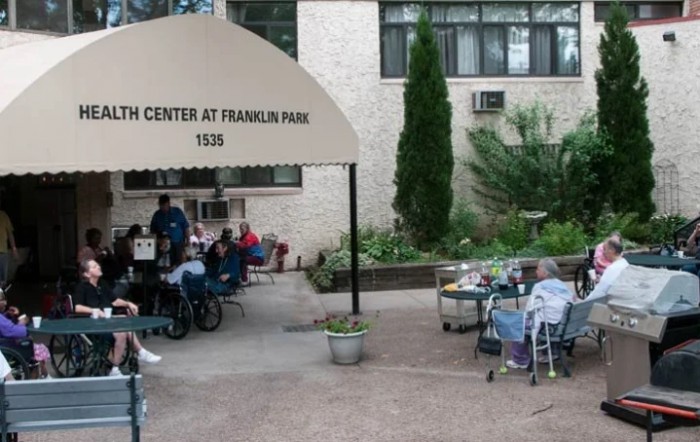
 Outdoor space
 Private bathrooms
 Restaurant-style dining
 Small library
 Telephone
 Wellness center
 Wi-Fi/high-speed internet available
 Denver International (18 miles away)
 Community operated transportation
 12-16 hour nursing
 24-hour call system
 Activities of daily living assistance
 Assistance with bathing
 Assistance with dressing
 Assistance with transfers
 Diabetes diet
 Medication management
 Mental wellness program
 Special dietary restrictions
 Concierge services
 Planned day trips


 Comprehensive Insights on the Late Stages of Dementia: What to Expect and How to Provide Care
 Medications Associated with Dementia Risk: A Comprehensive Overview
 Guiding Your Journey: Understanding Power of Attorney for Elderly Parents