
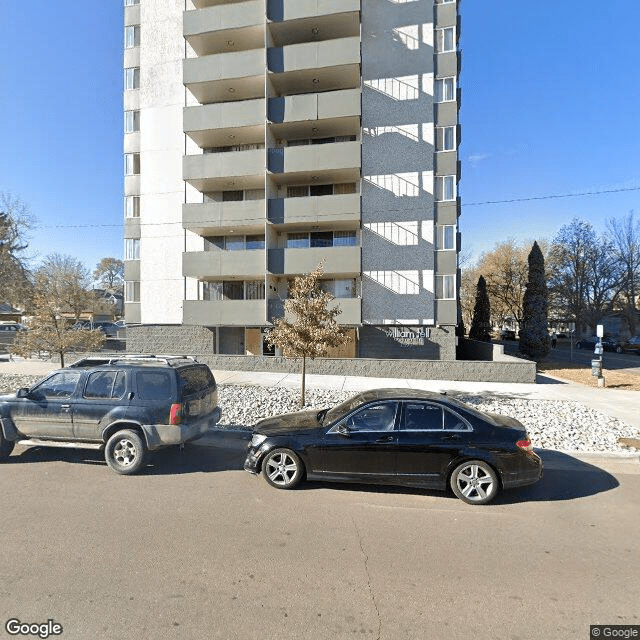
1599 Williams St, Denver, CO 80218
To contact a resident: (303) 321-8250
For more information about senior living options: (866) 208-4318
Overall Review of William Tell Apartments
Pros
 The coordinator is fantastic, helpful, fun, and grateful, showing commitment and gratitude to residents.
- The temporary William Tell Apartments Manager is a nice, professional person who communicates with residents in a proper, professional manner.
- The coordinator’s dedication and desire to improve residents’ welfare are evident.
Cons
 The property is filthy and in disrepair, with burnt carpet, cigarette smoke, and lingering odors.
- The management is rude, unprofessional, and unresponsive to residents’ concerns.
- The manager imposes lockdowns and restricted access that make residents fear letting others in, effectively treating outsiders as trespassers.
- Residents, especially the elderly and disabled, report harassment and intimidation by other renters and management.
- Promised repairs (carpet replacement, painting, reglazing, doors) are repeatedly delayed or never completed.
- The heating/cooling system is faulty and mismanaged, leaving units uncomfortably hot for long periods and harming health.
- Security is poor: mail/package theft, open garbage chutes, and a lack of effective safeguards against crime.
- The property is associated with drug activity and lacks adequate security or oversight to protect residents.
Review
This community is best suited for residents who have extremely modest budgets and very low expectations regarding upkeep, safety, and administrative responsiveness. It is most appropriate for elderly or disabled individuals who can tolerate a high degree of management turnover, limited repairs, and an atmosphere where daily operations feel unsettled at best. In practice, the resident profile that fits here is someone who prioritizes rent cost above assurances of respectful treatment, predictable housing rules, and timely maintenance. Families seeking a calm, well-maintained living environment for a vulnerable loved one will want to look elsewhere.
Alternatives should be strongly considered for anyone who values reliable maintenance, clear communication, and a sense of security. The repeated complaints about unreturned calls, inaccessible offices, and staff who are described as rude or judgmental are red flags for ongoing care needs. For households that rely on predictable service, a resident-administrator relationship, and a welcoming community, other affordable options or licensed senior living arrangements offer a more stable foundation. The current pattern suggests that patience with management inconsistencies will be taxed far more than it helps.
The few perceived positives do not come close to offsetting the core risks here. A coordinator is praised as helpful and engaged, signaling that genuine care exists at times within the staff; however, that commendable trait appears isolated in a broader culture of miscommunication and negligence. Instances of remodeling or renovation are cited, yet such improvements are not consistently matched by durable maintenance, reliable access to units, or safe, clean living spaces. In other words, improvements in one room do not compensate for chronic failures in common areas, safety protocols, or core resident services.
Safety and respect emerge as the dominant concerns. Residents report being intimidated, harassed, or treated with hostility by management and some staff, creating an environment where visitors and even routine service providers feel unwelcome or at risk. The sense that tenants may fear losing housing due to management discretion compounds stress for residents who already navigate fixed incomes and health limitations. Compounding this is a corrosive perception of unequal opportunity and fare housing practices, which undermines trust and undermines the basic dignity expected in a senior living setting.
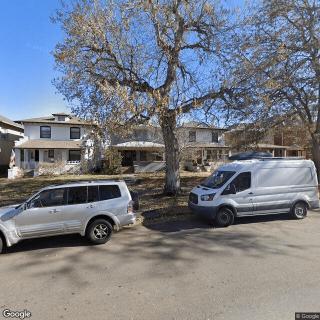
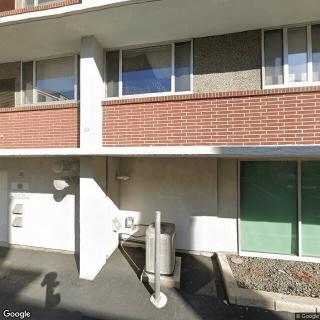
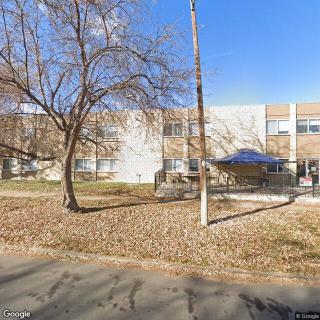
Condition of the units and property further erodes confidence. New tenants encounter apartments that are dirty, with lingering odors, burn marks, cigarette damage, peeling tubs, and unfinished repairs. Promises to reglaze, repaint, or replace carpets are repeatedly postponed, while essential fixes, such as doors that won’t close or heat systems that refuse to shut off, leave residents uncomfortable and anxious. Security concerns extend beyond vandalism or theft to systemic issues, an open garbage chute, unresponsive maintenance, and a heating system that cannot be controlled by residents, all of which degrade daily quality of life and safety.
In the end, William Tell Apartments represents a high-risk choice for families evaluating senior housing options. If the budget is the only constraint and safety, dignity, and prompt service can be traded for lower rent, it may be considered as a last resort. For most families, however, alternatives with steadier management, cleaner environments, timely repairs, and respectful treatment offer a far more reliable path toward preserving independence and well-being. The prudent path is to prioritize communities where resident voices are heard, responses are timely, and maintenance is more than a promise on a brochure.
 Independent Living
 Denver International (18 miles away)


 In-Depth Look at the VA Aid and Attendance Program
 Nurturing Our Loved Ones: A Daughter's Journey in Caring for Her Mother
 Nurturing Our Elders: Linda's Journey of Supporting Her Mother