
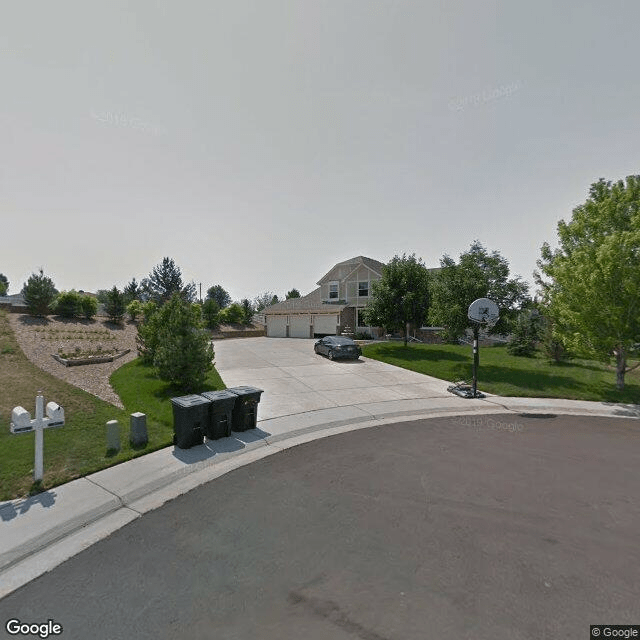
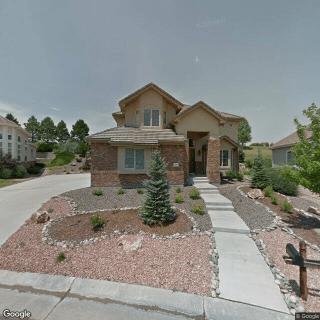
6512 S Lisbon Ct, Centennial, CO 80016
To contact a resident: (303) 902-6343
For more information about senior living options: (866) 208-4318
The Best of Care Costs & Pricing
The Best of Care offers competitive pricing for its services compared to the broader market in Douglas County and the state of Colorado. For instance, a semi-private room at The Best of Care is priced at $2,500 per month, significantly lower than the county average of $4,298 and the state average of $4,009. Private rooms are similarly affordable, costing $3,000 at The Best of Care while Douglas County and Colorado averages reach $4,485 and $4,142 respectively. Studio units and one-bedroom accommodations also reflect this trend, both available at $3,000 each compared to substantially higher local rates. Overall, The Best of Care stands out by providing quality living options at a fraction of the cost typically seen in both Douglas County and across Colorado.
| Floor plans | The Best of Care | Douglas County | Colorado |
|---|---|---|---|
| Semi-Private | $2,500 | $4,298 | $4,008 |
| Studio | $3,000 | $5,263 | $4,088 |
| 1 Bedroom | $3,000 | $5,596 | $4,118 |
| Private | $3,000 | $4,485 | $4,142 |
Memory care communities with a similar price nearby
-
About the same
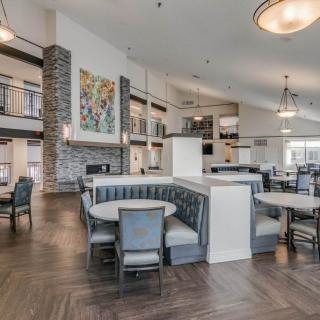
San Marino Retirement Community
$2,539 to $4,348 / month22.9 miles away -
from +$100 / mo
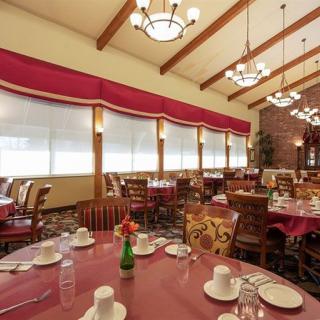
Five Star Residences of Dayton Place
$2,600 to $3,200 / month9.0 miles away -
About the same
Holly Creek Retirement Community
$2,500 to $3,030 / month9.6 miles away -
from +$280 / mo
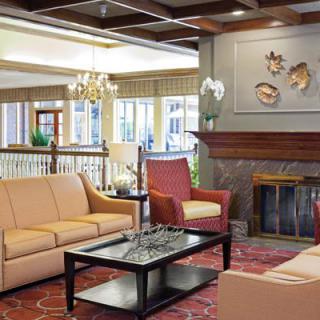
Harvard Square Retirement & Senior Living
$2,780 to $3,800 / month8.3 miles away -
from -$100 / mo
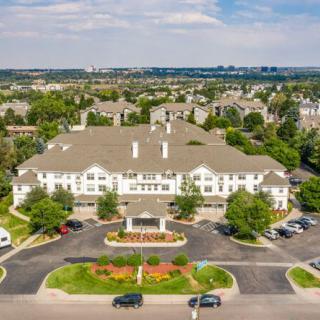
Montage Hills
$2,400 to $4,200 / month9.6 miles away
Overall Review of The Best of Care
Pros
 The staff treat residents like family.
- It feels more like a family atmosphere than a business.
- Walking in, the place smells wonderful.
- The meals are made from scratch using organic ingredients.
- They saved the resident and helped her recover to health.
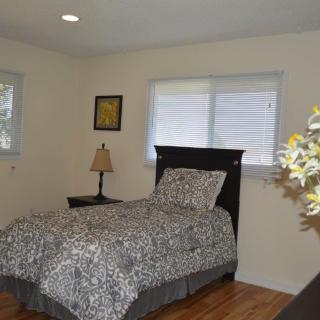
- The tour showcased a beautiful bedroom prepared for a resident.
Cons
 They describe scatter rugs over hallway runners as a major tripping hazard on hardwood floors.
- They allege staff do not help the mother get dressed in the mornings, leaving her in pajamas and barefoot.
- They say the room shown on the tour was not the one she was moved into, suggesting misrepresentation.
- They feel the new room near the front door lacks a proper bedroom door, compromising privacy.
- They believe the new room was built to showcase for tours while older rooms remain unfilled.
- They note privacy concerns due to the room’s dark colors and lack of a door.
- They dislike the unannounced-visit policy, comparing it to needing a reservation to enter.
- They criticize that the doors had to be custom made and that the first order was wrong.
Review
The Best of Care in Centennial is best suited for families seeking a small, home‑like senior living environment where warmth, personal attention, and home‑cooked meals anchor daily life. It appeals to residents who value a genuine, family atmosphere and staff who aim to treat elders as if they were their own family. The strongest upside lies in food quality, meals prepared from scratch using organic ingredients, and a sensory sense of comfort, from a welcoming aroma to a kitchen‑centered approach to daily living. This is not a cold, clinical setting; it is a place where relationship and reassurance can feel more present than in larger, more impersonal campuses.
But potential residents and their families should be clear about where this community may not be the right fit. Those who require a high level of medical oversight, strict routines, and highly structured transparency may want to consider alternatives. The operation can feel intimate and small, which is a strength until expectations around room assignments, privacy, and daily care routines meet reality. For families prioritizing predictable schedules, unambiguous room commitments, and consistently proactive assistance with dressing, grooming, and morning routines, other communities with firmer protocol and clearer ownership of daily care tasks might deliver more peace of mind.
The positive attributes here, especially the perceived family feel and the quality of meals, do offset some downside, particularly for families who prize emotional warmth and a nurturing environment. The narrative of caregiving, where staff are described as treating mom like family and where the home-like dining experience supports digestion, mood, and appetite, is meaningful. In a crisis, one account credits the staff with dramatically stabilizing a resident’s health and wellbeing, underscoring a capacity for compassionate, responsive care. When the setting works as intended, these elements can produce genuine continuity of care and a sense of belonging that many seniors value deeply.
That said, the main cons are substantive enough to influence a decision. Expectations around privacy and room flexibility were set during tours but did not align with subsequent arrangements. A promised single room next to a bath area was not sustained; instead, a newer room down the hall became the default, with concerns that the new space was being kept as a showroom and that doors, privacy, and personal boundaries were compromised. The presence of scatter rugs over runners on hardwood floors poses a tangible safety risk for residents who may slip or trip, especially in an environment where morning dressing assistance and daily mobility routines can be inconsistent. These issues, privacy erosion, potential safety hazards, and a gap between tour promises and actual practice, cannot be dismissed.
Further, practical care gaps emerged around daily routines. Family members report not being fully supported to help their loved one dress each morning, and observations include a resident appearing in pajamas with minimal hygiene upkeep between visits. The cadence of bathing and grooming appears to be every other day rather than daily, with brushing of teeth and hair occurring irregularly rather than as a standard routine. Coupled with the looming impression that unannounced visits may be discouraged, these factors compound a sense that family involvement and oversight are not as welcome or as straightforward as expected. For families evaluating risk, privacy, consistency of care, safety in movement, these concerns are not minor, but rather central to a daily quality‑of‑life equation.
The bottom line is practical: this community can be an excellent fit for families who prize a warm, homey atmosphere, high-quality, homestyle meals, and a caregiving approach grounded in personal, familiar interactions. It is less suitable for those who require ironclad guarantees around room assignment, daily grooming routines, and privacy, or for families needing a facility that routinely accommodates unannounced visits and maintains a perfectly standardized daily schedule. If choosing this community, insist on explicit, written agreements around room allocation, privacy protections (including door arrangements), a clearly defined daily care plan with dressing and grooming tasks, and a staged trial period to confirm that routines align with the resident’s needs. In the end, the decision hinges on whether the emotional warmth and culinary quality can coexist with the level of daily oversight and privacy that matter most to the individual resident, and on whether the family can accept a smaller, more intimate environment with its accompanying trade‑offs.
 Board and Care Home
 Memory Care
 Dogs allowed
 Activities on-site
 Bath tubs
 Devotional services off-site
 Indoor common areas
 Outdoor common areas
 Private
 Private bathrooms
 Respite or short term stays offered
 Denver International (18 miles away)
 Ambulatory care
 Diabetic care
 High acuity care
 Incontinence care
 Medication management
 Meals provided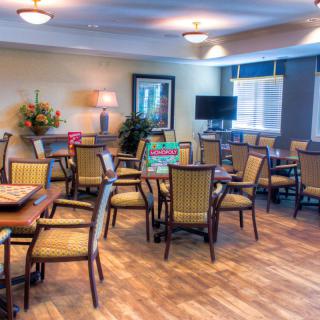
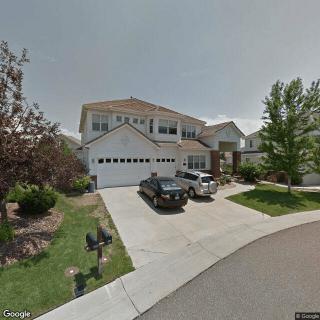


 Are Dementia and Alzheimer's Disease Lethal? A Comprehensive Exploration
 Exploring the Power of Reminiscence Therapy for Individuals With Dementia
 An In-Depth Look at Reminiscence Therapy in Dementia Care