

21064 E Crestline Cr, Centennial, CO 80015
To contact a resident: (303) 680-7938
For more information about senior living options: (866) 208-4318
Overall Review of Preferred Care at Home
Pros
 They are very attentive to his dad.
- They try to engage him in conversation.
- They are flexible when visits run late.
- They have been good to his dad.
Cons
 They arenā€™t always the same caretakers, which creates uncertainty about who will come in.
- There is a lack of transparency about which caretakers will come in, contributing to inconsistency.
Review
Preferred Care at Home in Centennial is best suited for families seeking in-home, non-institutional help where a senior can stay in familiar surroundings yet receive attentive, flexible support. This option works well for someone who values regular social interaction, reassurance from a friendly caregiver, and the ability to accommodate a busy family schedule. The emphasis on engagement and a responsive approach makes it a strong fit for seniors who want companionship as a core part of daily care and who appreciate caregivers who can initiate conversation and ease isolation in the home.
Those who should consider alternatives are families needing unwavering caregiver continuity. If it is essential that the same person or a tightly scheduled team closely manages day-to-day routines, this option may fall short. Similarly, anyone requiring higher levels of medical oversight or tasks that demand consistent, specialized hands-on intervention might prefer an environment with guaranteed caregiver assignments or a more clinical care structure. In short, this service shines in warmth and flexibility, but may not deliver the predictability some care plans require.
The strongest positive is evident in the attentiveness and personal engagement reported by the client. Caregivers actively attempt conversation and connection, which helps preserve dignity and prevent social isolation. The ability to accommodate delays without penalizing the family is a practical and meaningful benefit for households juggling work, appointments, and unpredictable days. Overall, the caregivers have shown themselves to be good with the dad, delivering a level of kindness and presence that matters greatly in home-based care.
Yet the principal drawback is the lack of clarity about who will be on duty each day. The reviewer notes they often do not know which caretakers will come in, and there is some inconsistency in who appears. That ambiguity can erode continuity, complicate monitoring, and make it harder to establish a smooth daily routine or to communicate evolving needs. While the care remains attentive, the absence of a stable caregiver roster is a real friction point for families trying to build trust and a seamless care narrative over time.
To mitigate this, families should push for practical safeguards: request a predictable schedule or a primary caregiver when possible, and insist on a current roster that is shared in advance. Ask for introductions when new faces step in, and require concise visit notes after each shift so family members know what happened and what was observed. If the agency can assign a lead caregiver who stays consistent on most days, and if shift changes are well-communicated with proactive handoffs, the cons become much more manageable. These steps transform a flexible model into a reliable, coherent care plan.
In the end, Preferred Care at Home offers a pragmatic, compassionate option for in-home assistance in Centennial. It is best for families who prize attentiveness, social engagement, and scheduling flexibility, and who can tolerate, at least in part, the rotating caregiver dynamic with transparent communication about who is coming and what was done. For those whose priority is absolute continuity and a fixed caregiving team, it is wise to explore alternatives that guarantee same caregivers or provide a more structured care setting. A trial period with explicit expectations around schedule stabilization and caregiver assignments is a prudent next step, along with requesting a current caregiver roster and a clear point of contact for ongoing coordination.
 Denver International (17 miles away)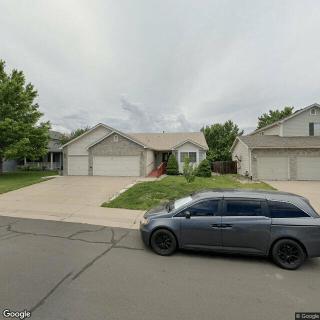





 Comprehensive Guide to Qualifying for Home Health Care Services
 Powerful Realities of Elder Abuse and the Most Effective Ways to Report It
 Ten Vital Duties of a Senior Caregiver: A Comprehensive Guide