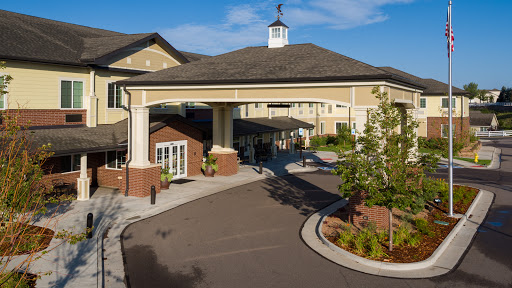


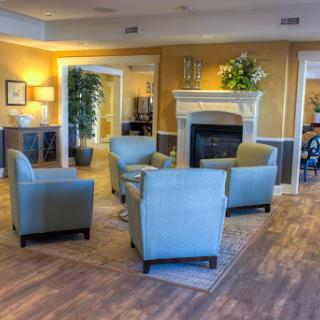
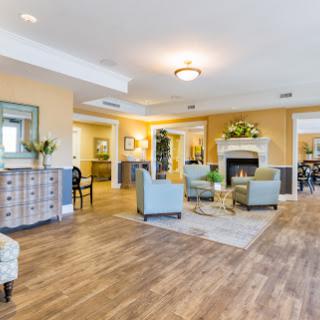
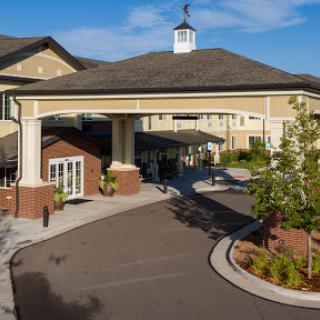
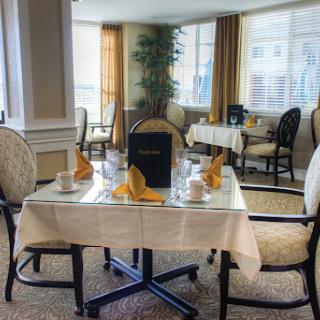


5235 South Liverpool Way, Aurora, CO 80015
For more information about senior living options: (866) 208-4318
Gabriel Assisted Living Costs & Pricing
Gabriel Assisted Living offers competitive pricing for its residents when compared to Arapahoe County and the overall state of Colorado. The monthly rates for a studio apartment at Gabriel are $1,850, significantly lower than both the county's average of $4,456 and the state average of $4,090. For those seeking semi-private accommodations, Gabriel's cost of $2,800 also reflects a more accessible option compared to Arapahoe County's $3,797 and Colorado's $4,009. Private rooms at Gabriel are priced at $3,000, which is notably less than the county's rate of $4,116 and slightly below the state's typical cost of $4,142. Even in one-bedroom options, where Gabriel charges $5,000 per month, it remains competitive with Arapahoe County's average of $4,732 while slightly exceeding Colorado's typical rate of $4,119. Overall, Gabriel Assisted Living stands out as an affordable choice for families seeking quality care in a supportive environment.
| Floor plans | Gabriel Assisted Living | Arapahoe County | Colorado |
|---|---|---|---|
| Studio | $1,850 | $4,456 | $4,088 |
| Semi-Private | $2,800 | $3,797 | $4,008 |
| Private | $3,000 | $4,116 | $4,142 |
| 1 Bedroom | $5,000 | $4,732 | $4,118 |
Memory care communities with a similar price nearby
-
from +$100 / mo
Companion Care, Inc. III
$1,950 / month22.3 miles away -
from +$145 / mo
The Courtyards at Mountain View
$1,995 to $4,850 / month9.4 miles away -
from +$145 / mo

Eastern Star Masonic Retirement
$1,995 to $2,795 / month9.2 miles away -
from -$300 / mo
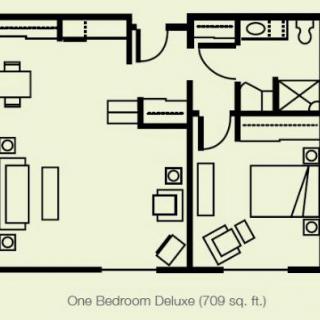
Porter Place Retirement Residence
$1,550 to $3,050 / month12.6 miles away -
from +$350 / mo
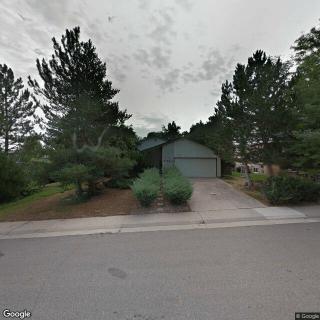
Senior Residences
$2,200 to $2,800 / month5.7 miles away
Overall Review of Gabriel Assisted Living
Pros
 The staff at Gabriel Assisted Living are wonderful and provide excellent, compassionate care to residents.
- The facility treats families as part of the community, making them feel welcome and supported.
- The caregivers are kind, loving, and attentive to residents’ needs, including engaging them in preferred activities.
- The home is clean, well-maintained, and offers personalized, small-community care.
- Families highly recommend Gabriel Assisted Living based on their positive experiences and outcomes.
- The environment feels like a home—warm, comfortable, and more like a family setting than a nursing facility.
Cons
 The facility would be good only if a family member was just looking for a bedroom to rent with meals included at an over-the-top price.
- It is described as 100% independent with no help, no assistance, no transportation, no activities, and no socialization.
- This should not be considered an assisted living situation.
- The facility offers no activities and expects residents to be fairly independent, with safety concerns for unstable individuals.
- The operators appear to be motivated by money, make untrue statements, and provide zero activities plus a poor diet (hot dogs and ice cream).
- They did not feel the staff were properly trained for memory care patients, especially those needing constant cueing.
Review
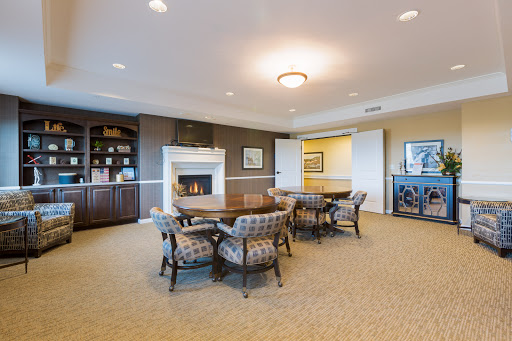
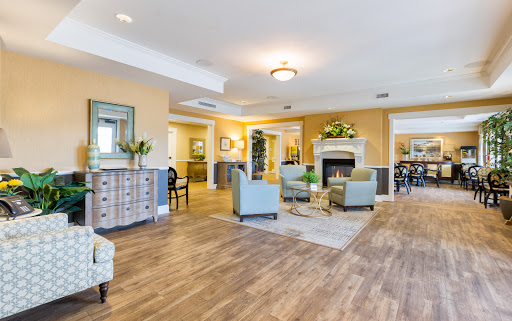
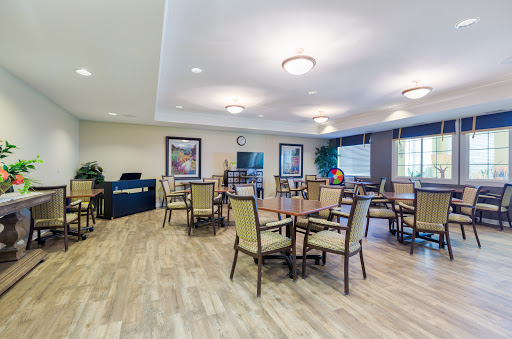
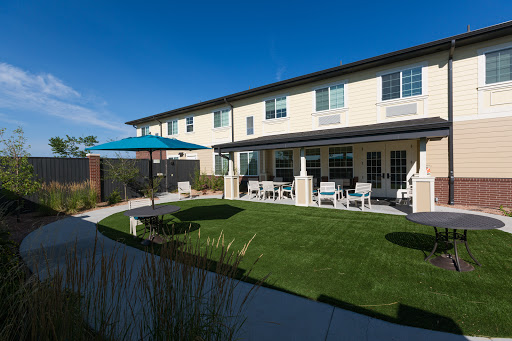
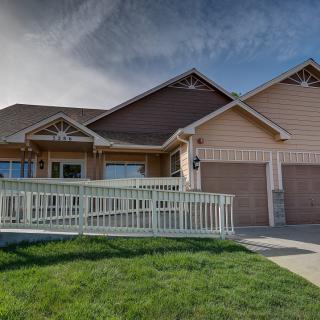
Gabriel Assisted Living in Aurora is best suited for families seeking a warm, home-like, small-community experience where staff know residents well and care is highly personalized. It works best for seniors who are mostly independent but appreciate daily meals handled in a flexible, family-style setting, and for families wanting to stay involved without a large institutional feel. The atmosphere leans toward a private-home vibe rather than a large campus, making it attractive to those who value accessible, intimate interaction, quick staff familiarity, and the comfort of a familiar routine. For residents who prioritize privacy, predictable surroundings, and a sense of belonging over structured programming, this community can be a strong fit.
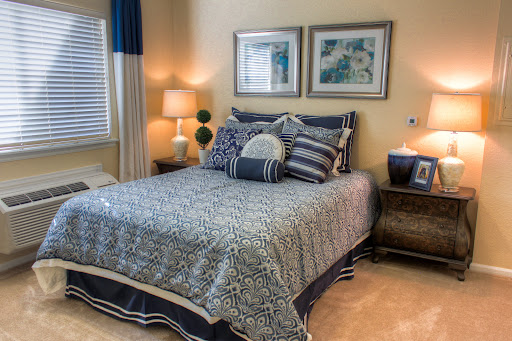
The strongest positives center on care that feels personal and attentive. Families repeatedly praise the staff for kindness, patience, and a willingness to treat residents like family, with caregivers going to great lengths to accommodate individual needs and preferences. Cleanliness and a well-kept, home-like environment are consistently noted, with spacious, accessible bedrooms and bathrooms that make daily living easier for those with mobility challenges. The ability to tailor meals to tastes and dietary needs, plus the freedom to visit and bring pets, further reinforces the sense of home and personal connection. For many families, these qualities translate into genuinely reassuring daily caregiving.
Yet the community display clear limits that prospective residents must weigh. A recurring concern is the lack of formal activities, outings, and transportation, leaving some residents socially under-stimulated and reliant on family oversight to stay engaged. Several reviews question whether the level of assistance aligns with typical assisted-living expectations, especially for residents who are unstable, memory-impaired, or require continuous cueing and supervision. Critiques about price and perceived value also surface, with some observers describing the setting as a partial assisted-living arrangement rather than a full-service option, and a few accounts suggesting inconsistent transparency from the operators.
These strengths and weaknesses do not cancel each other out; they shape a distinct value proposition. For residents who thrive on a tight-knit, homey environment and benefit from high staff accessibility and family involvement, the absence of heavy programming can be a reasonable trade-off for personalized attention and peace of mind. The intimate scale reduces miscommunication and creates a steady routine that many families find comforting, especially when end-of-life or long-term, low-activity needs dominate. In such situations, compassionate care delivered in a loving atmosphere can offset gaps in formal activities and movement toward greater autonomy.
Families considering alternatives should course-correct based on care needs and expectations. If daily transportation, robust social calendars, and comprehensive safety features are non-negotiable, turn toward larger assisted living communities with memory-care wings or providers offering scheduled outings and on-site activities. For residents requiring constant safety supervision, frequent memory-care cueing, or more aggressive clinical oversight, seek facilities with dedicated memory-care programs and higher staffing ratios. Budget-conscious families should compare value across similar locales, ensuring that price reflects the level of services, programming, and transportation that matter most.
In making a final decision, diligence matters: confirm staff training for memory care and safety, review current activity calendars, and verify transportation options or the lack thereof. Tour at different times to assess consistency in care quality and safety, and inquire about meal options, special diets, and allergy accommodations. Assess the pet policy and visitation flexibility, since open family involvement is a recurrent theme that significantly influences satisfaction. If the resident’s profile aligns with a home-like, caregiver-driven model and family engagement can fill gaps in programming, Gabriel Assisted Living offers a compelling, practical choice. If the priority is ongoing clinical supervision, abundant activities, and formal memory-support, alternatives should be pursued with urgency.
 7 resident community capacity
 1-bedroom apartments
 Assisted Living
 Board and Care Home
 Memory Care
 Respite Care
 Cable or satellite TV
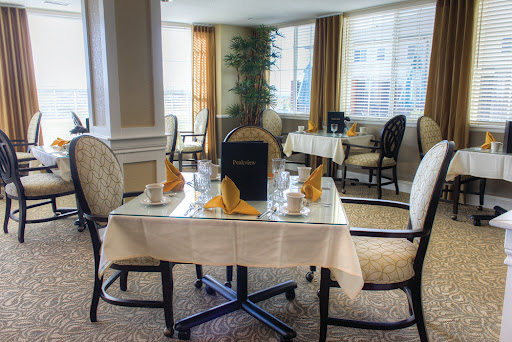
 Dining room
 Fully furnished
 Garden
 Guest parking
 Housekeeping services
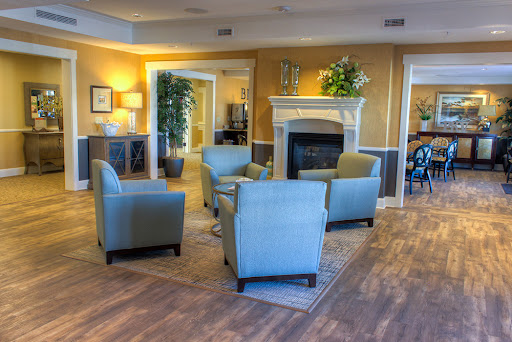
 Indoor common areas
 Laundry
 Move-in coordination
 Outdoor common areas
 Private
 Telephone
 Wheelchair accessible showers
 Wi-Fi/high-speed internet available
 Denver International (17 miles away)
 24-hour supervision
 Activities of daily living assistance
 Ambulatory care
 Assistance with bathing
 Assistance with dressing
 Assistance with transfers
 Diabetes diet
 Diabetic care
 Incontinence care
 Meal preparation and service
 Medication management
 Special dietary restrictions
 Transportation arrangement (medical)
 Transportation to doctors appointments
 Games
Games Live musical performances
 Stories


 Dementia-Related Hallucinations: Causes, Experiences, and Practical Approaches
 Illuminating Insights About Alzheimer's Disease: Ten Crucial Realities
 A Thorough Discussion of Medications Potentially Linked to Dementia Risk