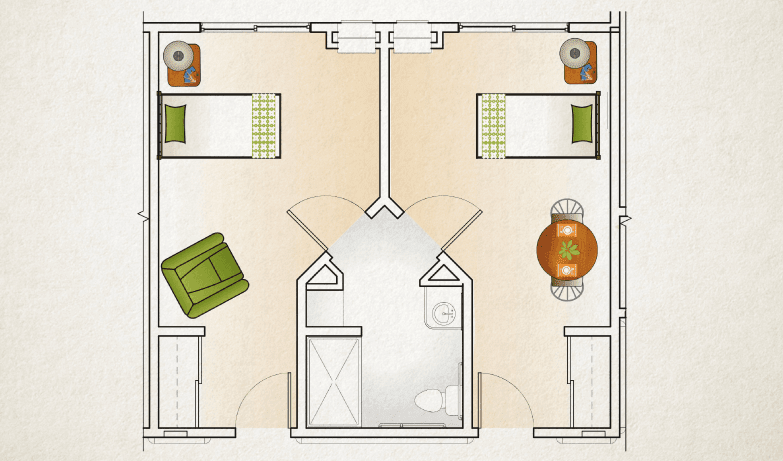
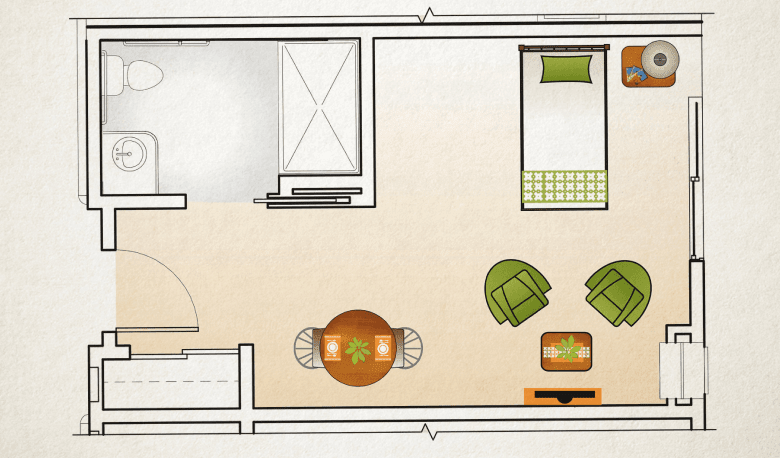
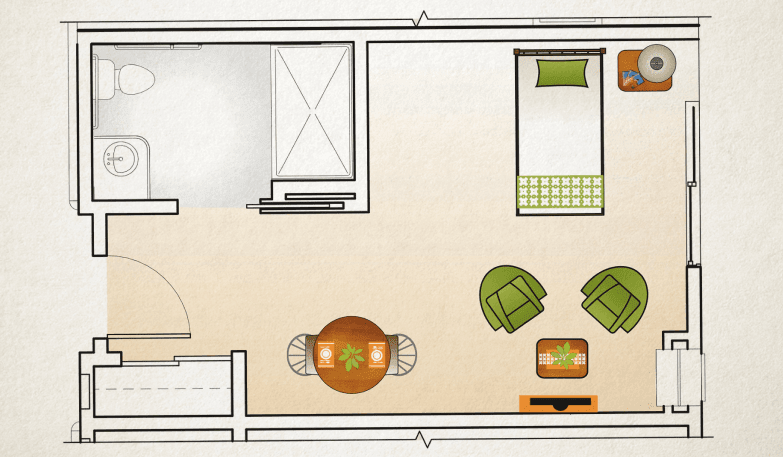
Chelsea Place Memory Care offers specialized accommodations with pricing that reflects the comprehensive care and services provided to residents. The cost for a semi-private room at Chelsea Place is $5,690 per month, which is notably higher than the average rates in Arapahoe County and across Colorado, where similar semi-private options range from $3,797 to $4,009. For those seeking more privacy, a studio room at Chelsea Place comes at a monthly rate of $7,990, significantly above the county's average of $4,456 and the state average of $4,090. These costs underscore Chelsea Place's commitment to delivering high-quality memory care tailored to individual needs in an enriching environment.
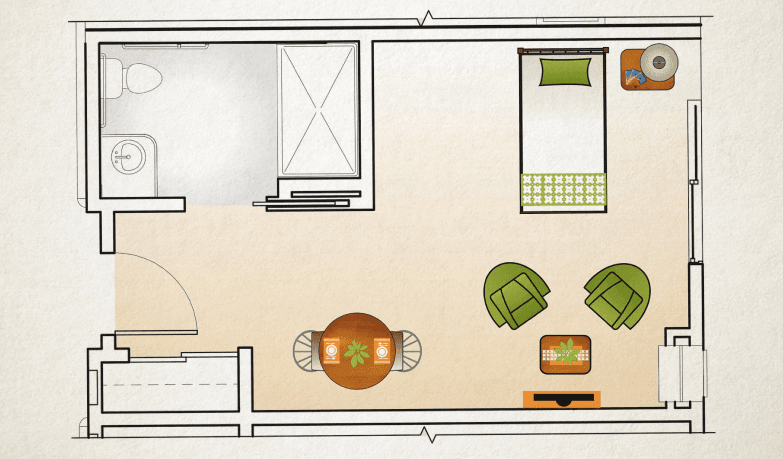
Floor plans
Chelsea Place Memory Care
Arapahoe County
Colorado
Semi-Private
$5,690
$3,797
$4,008
Studio
$7,990
$4,456
$4,088
Memory care communities with a similar price nearby
from -$490 / mo
Serenity House Assisted Living Portland Drive
4.8 from 16 reviews
$5,200 to $6,500 / month
12.7 miles away
from -$490 / mo
Serenity House Assisted Living Hunters Hill
4.8 from 11 reviews
$5,200 to $6,500 / month
5.3 miles away
from -$490 / mo
Serenity House Assisted Living Hinsdale
4.8 from 9 reviews
$5,200 to $6,500 / month
7.8 miles away
from -$240 / mo
MorningStar of Observatory Park
4.9 from 34 reviews
$5,450 to $8,300 / month
7.7 miles away
from -$1070 / mo
Garden Terrace Alzheimer's Center Of Excellence - Aurora
Residents and families repeatedly describe kind, attentive caregivers and leadership.
Many reviewers say the staff treats residents with patience, kindness, and dignity, and that caregivers are attentive to individual needs. Several families also mention responsive communication from leadership, including prompt follow-up and help when questions come up. A recurring point is that the team feels personally invested in residents rather than just performing tasks.
common
Activities keep residents engaged
Reviews frequently mention a steady stream of activities and outings.
A common theme is that residents have opportunities to stay engaged throughout the day, with activities that include group participation and scheduled events. Multiple reviews call out programs that encourage social connection and include things like crafts, events, and trips outside the facility when available. Reviewers describe residents as happier or more involved after moving in, which they attribute to the activity programming.
common
Dining earns strong feedback
Dining is a frequent bright spot, with many families describing meals they consider high quality.
Several reviews mention that food is consistently good, with residents eating well and families noticing positive changes in appetite. Residents are described as getting served meals in a structured way, and some reviewers highlight staff in the dining setting who help ensure residents eat. The community also offers restaurant-style dining and supports special diets that align with memory-care dining needs.
caveat
Some families report safety concerns
A minority of reviews raise concerns about supervision and fall prevention.
While many families describe peace of mind, a smaller number report serious incidents and describe gaps in monitoring, especially around falls. Those reviewers say they felt prevention was not a priority and that staff response did not match the level of safety they expected. The same reviews also describe frustration with communication and follow-through after incidents.
common
Cleanliness and facility upkeep stand out
Many reviewers describe the building as clean and well maintained.
A frequent positive theme is that rooms and common areas are kept clean and comfortable, with some reviewers also mentioning a bright, welcoming feel. Some families tie this to reduced stress because they trust day-to-day upkeep. A few reviews also mention housekeeping or room cleanliness issues, noting improvement at least in some cases.
caveat
Pricing is described as expensive
Some reviewers say the cost can be high compared with alternatives.
At least a few reviewers describe the overall pricing as expensive for the value they experienced. Those comments often pair cost with staffing or care responsiveness concerns, suggesting the tradeoff did not feel justified. The community’s pricing range also sits well above county and state benchmarks, which aligns with the complaints about value.
How we summarize
We summarize when many written reviews mention each theme; a review can touch several themes, and only frequently mentioned themes are displayed.
Features
Housing
64 resident community capacity
Types of Care
Memory Care
Amenities
Activities off-site
Activities on-site
Air-conditioning
Bath tubs
Beautician on-site
Beauty salon
Cable or satellite TV
Computer center
Devotional services on-site
Dining room
Fitness room
Fully furnished
Gaming room
Garden
Ground floor units
Handicap accessible
Housekeeping services
Indoor common areas
Kitchenette
Laundry
Move-in coordination
Outdoor common areas
Outdoor space
Party space
Private bathrooms
Respite or short term stays offered
Restaurant-style dining
Small library
Spa
TV room
Telephone
Wellness center
Wheelchair accessible showers
Wi-Fi/high-speed internet available
Transportation
Denver International (17 miles away)
Community operated transportation
Transportation arrangement
Transportation arrangement (non-medical)
Transportation to doctors appointments
Care Services
12-16 hour nursing
24-hour call system
24-hour supervision
Activities of daily living assistance
Assistance with bathing
Assistance with dressing
Assistance with transfers
Coordination with health care providers
Dementia waiver
Diabetes diet
Diabetic care
High acuity care
Hospice care
Hospice waiver
Incontinence care
Meal preparation and service
Medication management
Mental wellness program
Mild cognitive impairment
Physical therapy
Special dietary restrictions
Specialized memory care programming
Transportation arrangement (medical)
Transportation to doctors appointments
Dining
Diabetes diet
Gluten-free
Guest meals
Kosher
Low / no sodium
Meals provided
No Sugar
Professional chef
Special dietary restrictions
Special dining programs
Vegetarian
Activities
Activities off-site
Art classes
Arts and crafts
Book club
Catholic services
Community-sponsored activities
Concierge services
Cooking classes
Cooking club
Devotional activities on-site
Educational speakers / life long learning
Fitness programs
Games
Gardening club
Jewish services
Live musical performances
Mormon/LDS services
Other religious services
Planned day trips
Protestant services
Religious services
Resident-run activities
Scheduled daily activities
Stories
Tai Chi
Visiting Rabbi
Visiting chaplain or priest
Yoga / chair yoga
Videos
Nearby Places of Interest
This part of Aurora, Colorado offers a variety of amenities and services that cater to the needs of seniors. With several parks nearby, including off-leash dog areas for those who enjoy spending time outdoors with their furry companions, residents can stay active and engage in recreational activities. The presence of multiple pharmacies and healthcare facilities, such as Kaiser Permanente and Rocky Mountain Cancer Centers, ensures easy access to medical care and prescription medications. In addition, there are a range of dining options available from fast food chains like Arby's and Wendy's to sit-down restaurants like Old Town Hot Pot and Piper Inn. For coffee lovers, there are several cafes including Starbucks and Dutch Bros Coffee within a short distance. Furthermore, transportation is convenient with the Arapahoe Light Rail Station located nearby for easy commuting. Places of worship like Temple Sinai and the Church of Jesus Christ of Latter Day Saints provide spiritual support for those seeking religious community. Should medical attention be required, hospitals such as Adventist Health System/Sunbelt and Children's Hospital Colorado are easily accessible in the area. Overall, this part of Aurora offers a well-rounded environment with ample resources for senior living.
Parks
Cherry Creek State Park- Off Leash Dog Area (0.3 miles)
Sagebrush Park (0.7 miles)
Cherry Creek Dog Park (1.9 miles)
Kennedy Dog Park (2.8 miles)
Centennial Center Park (3 miles)
Rosamond Park (3.8 miles)
Spring Creek Park - Arapahoe Cty (3.8 miles)
Pharmacies
Walgreens (1.3 miles)
Walgreens (2 miles)
Walgreens (2.7 miles)
Walgreens (2.8 miles)
Walgreens (2.9 miles)
Lightshade (3 miles)
Walgreens (3.4 miles)
Physicians
Kaiser Permanente Smokey Hill Pharmacy (1.3 miles)
VA Jewell Clinic (3 miles)
Rocky Mountain Cancer Centers (3.3 miles)
The Medical Center of Aurora (3.5 miles)
DTC Family Health & Walk-In (3.8 miles)
Invision Sally Jobe at Centrum DTC | Surgical Center (3.8 miles)
Health Images (3.8 miles)
Restaurants
Arby's (1.8 miles)
Old Town Hot Pot (2.8 miles)
Sonic Drive-In (3 miles)
Wendy's (3.1 miles)
Raising Cane's Chicken Fingers (3.2 miles)
Del Taco (3.5 miles)
Piper Inn (3.6 miles)
Cafes
Starbucks (2.1 miles)
Dutch Bros Coffee (3 miles)
Black Rock Coffee Bar (3.9 miles)
Starbucks (4.2 miles)
Starbucks (6.3 miles)
Starbucks (6.6 miles)
Starbucks (6.6 miles)
Theaters
AMC Arapahoe Crossing 16 (3.3 miles)
AMC DINE-IN Southlands 16 (6.6 miles)
Transportation
Arapahoe Light Rail Station (4.3 miles)
Places of Worship
Temple Sinai (5.5 miles)
Church of Jesus Christ of Latter Day Saints (6.9 miles)
Hospitals
Adventist Health System/Sunbelt (6.9 miles)
Children's Hospital Colorado at Parker Adventist Hospital Emergency Care Parker (6.9 miles)
Chelsea Place Memory Care offers specialized accommodations with pricing that reflects the comprehensive care and services provided to residents. The cost for a semi-private room at Chelsea Place is $5,690 per month, which is notably higher than the average rates in Arapahoe County and across Colorado, where similar semi-private options range from $3,797 to $4,009. For those seeking more privacy, a studio room at Chelsea Place comes at a monthly rate of $7,990, significantly above the county's average of $4,456 and the state average of $4,090. These costs underscore Chelsea Place's commitment to delivering high-quality memory care tailored to individual needs in an enriching environment.
The comprehensive features at Chelsea Place Memory Care are meticulously designed to support residents with dementia or Alzheimer's disease, addressing both their physical and emotional needs. 24-hour supervision ensures a safe environment where staff is always available to provide immediate assistance, which is critical for those experiencing cognitive impairments. Activities of daily living assistance, including help with bathing and dressing, promotes dignity and encourages independence while acknowledging the challenges faced by residents. Coordination with healthcare providers and medication management ensures that medical needs are met consistently, reducing anxiety about health issues. The inclusion of specialized memory care programming and mental wellness initiatives fosters cognitive engagement, enhancing overall quality of life. Additionally, incontinence care and meal preparation tailored to dietary needs cater to personal health requirements, while transportation arrangements facilitate access to offsite medical appointments. Together, these features create a holistic approach that not only prioritizes safety but also nurtures the well-being of individuals with varying stages of memory impairment.
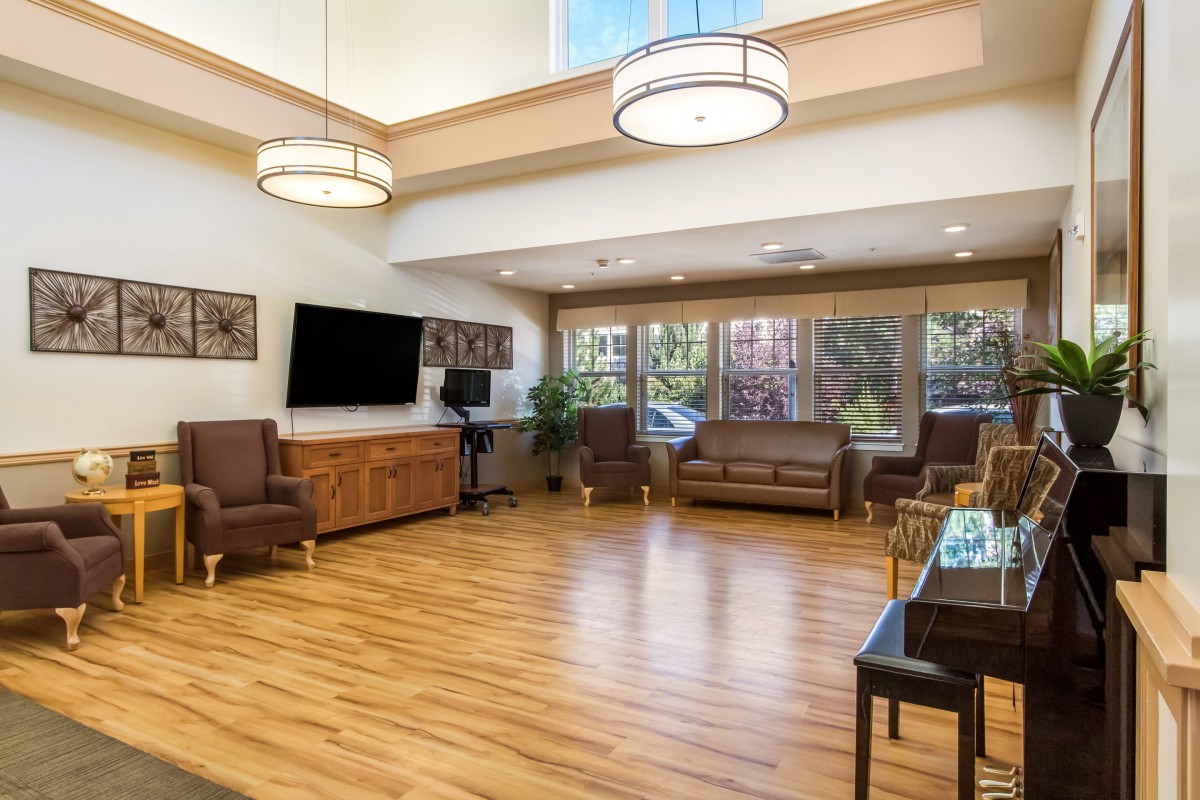
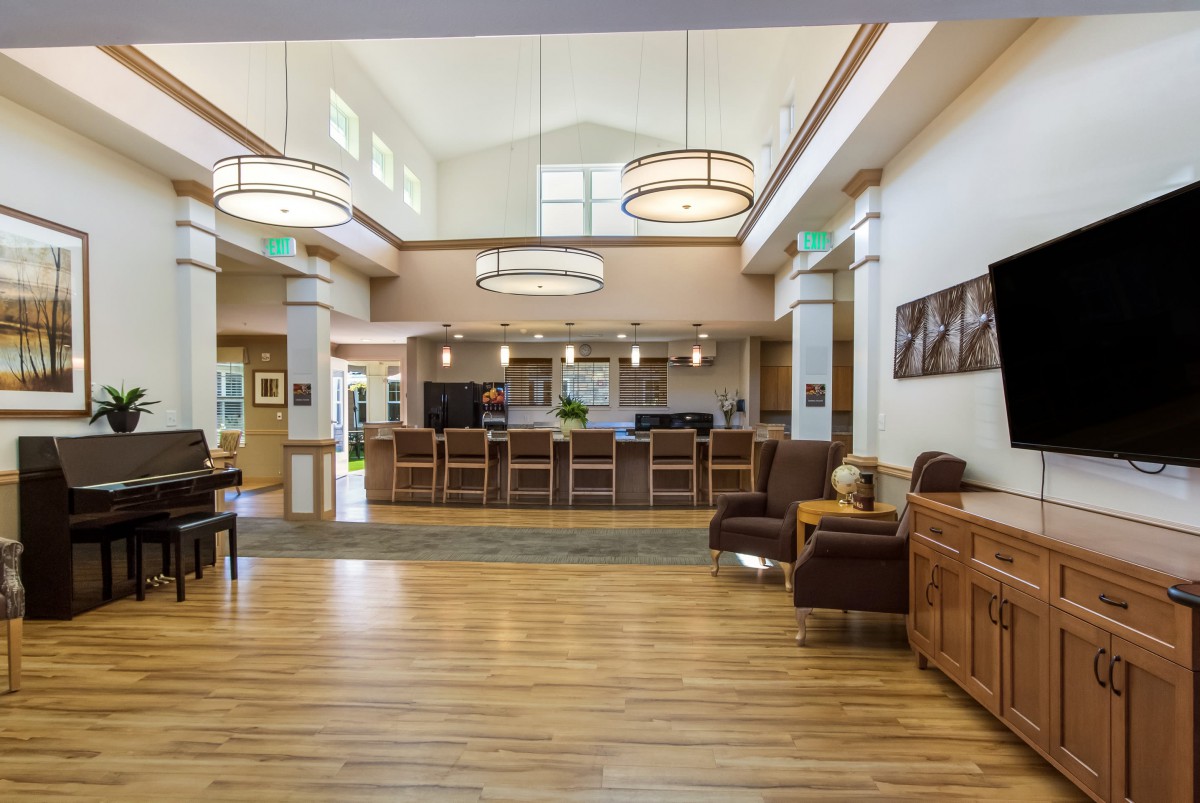
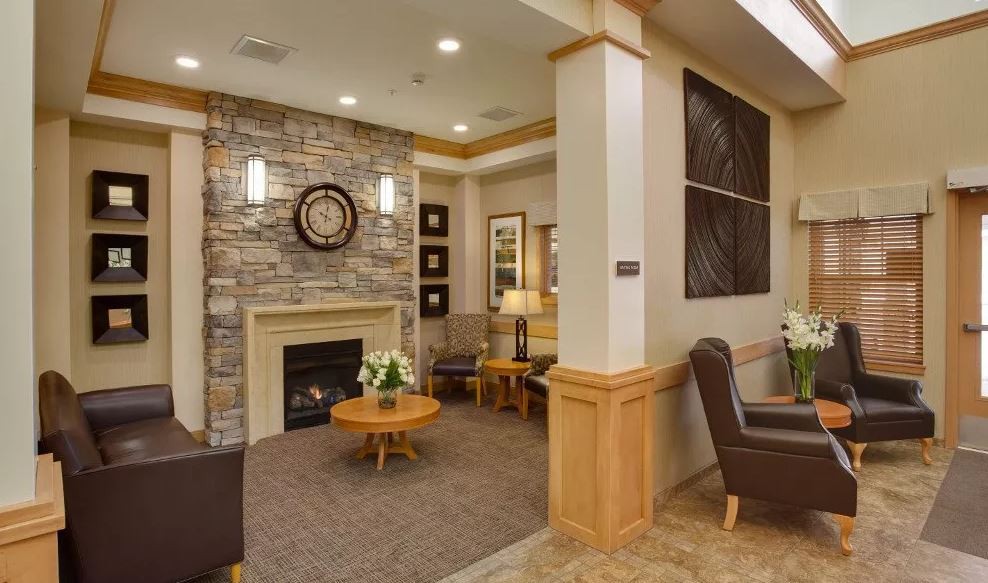
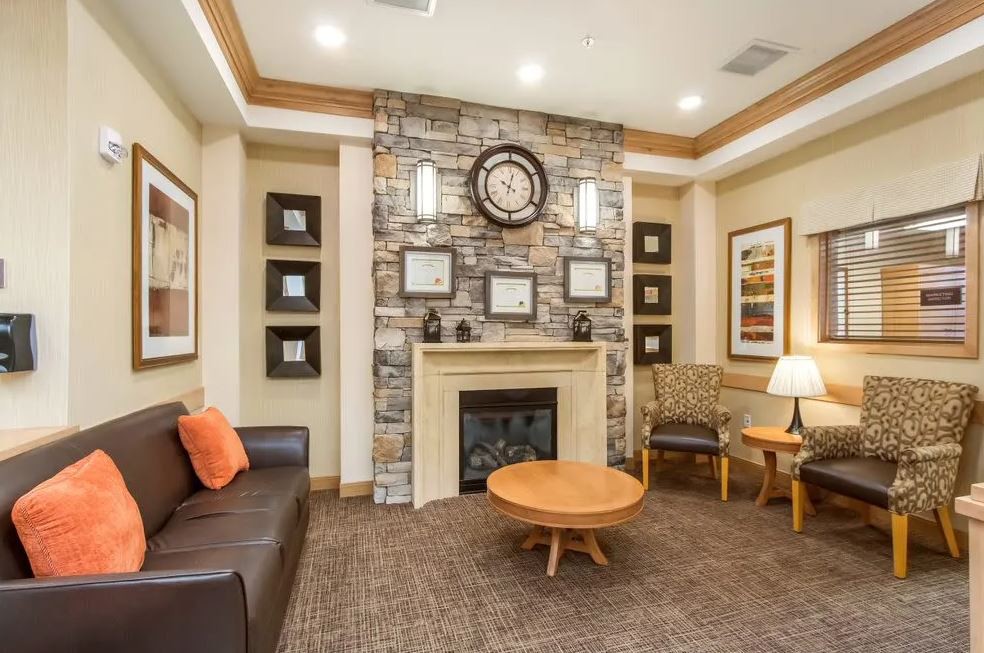
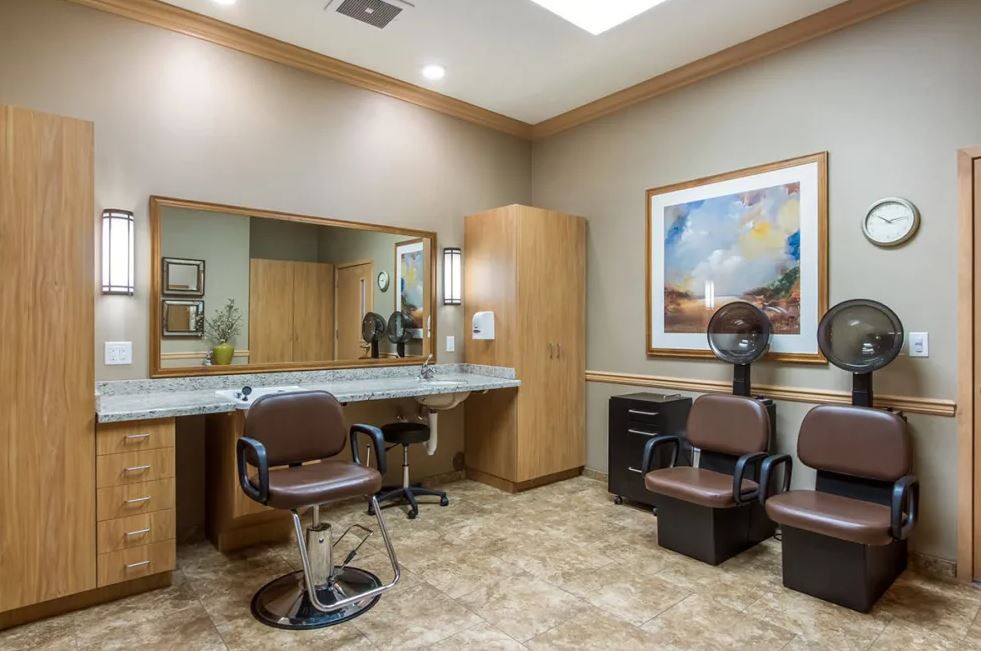
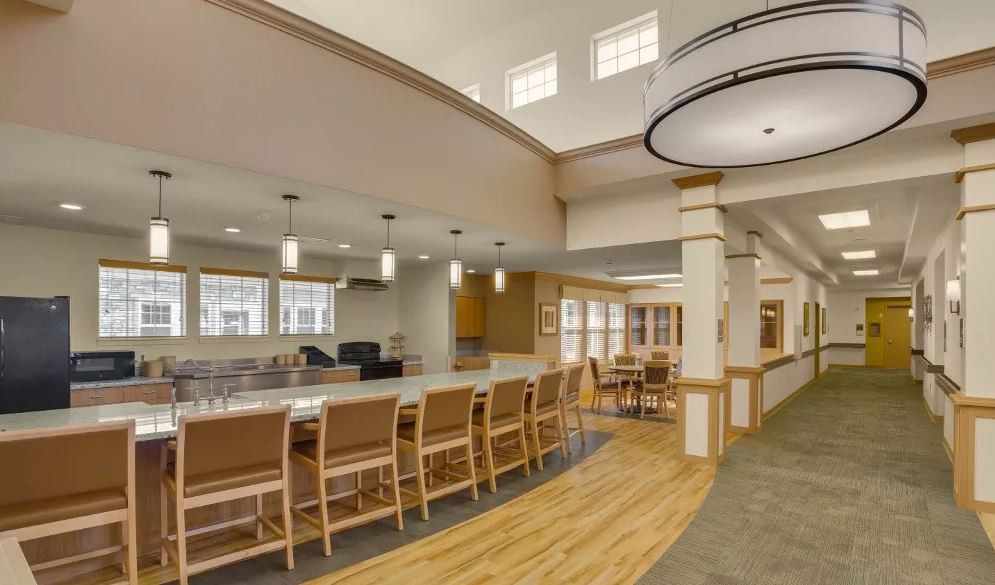
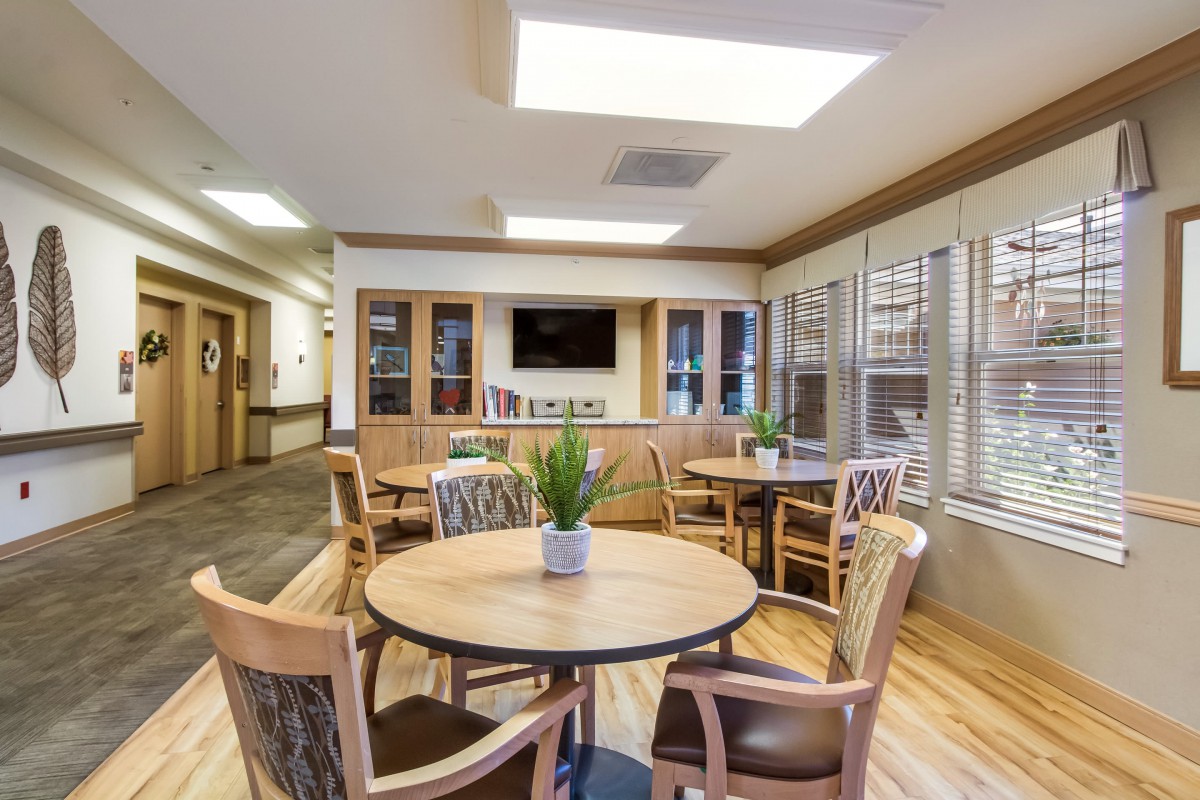
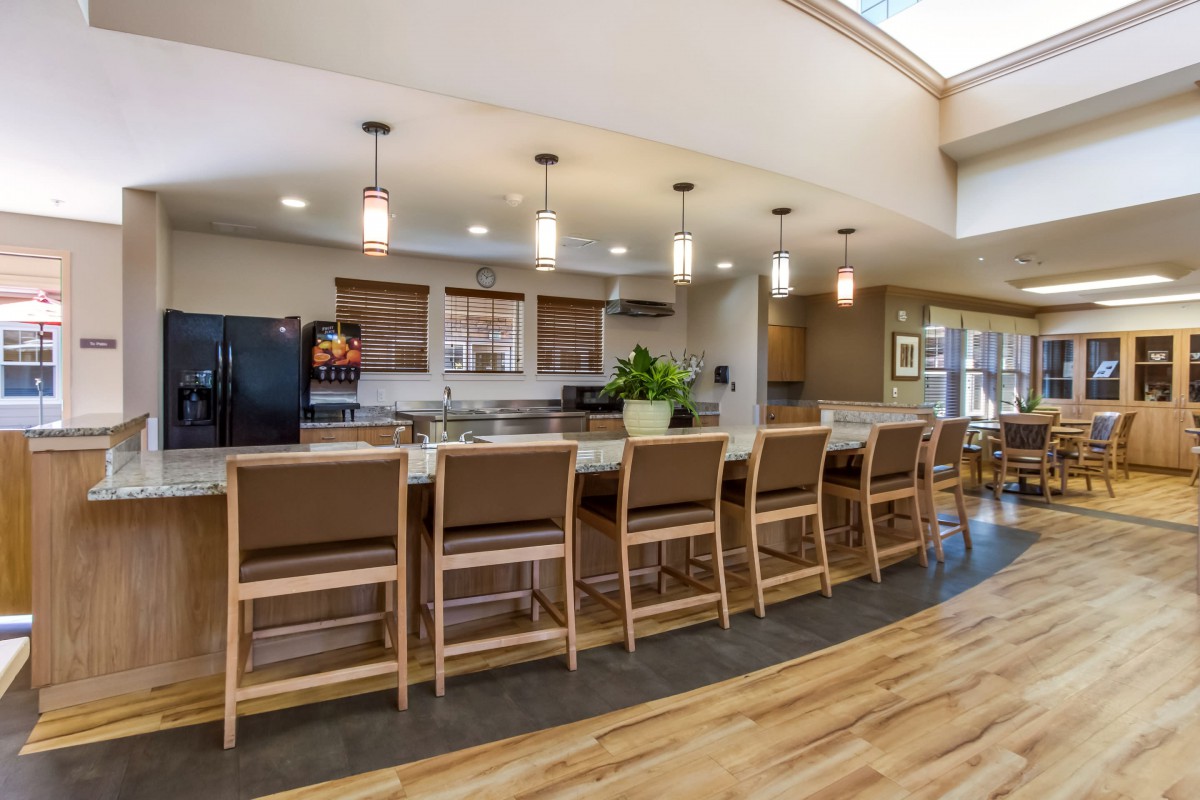
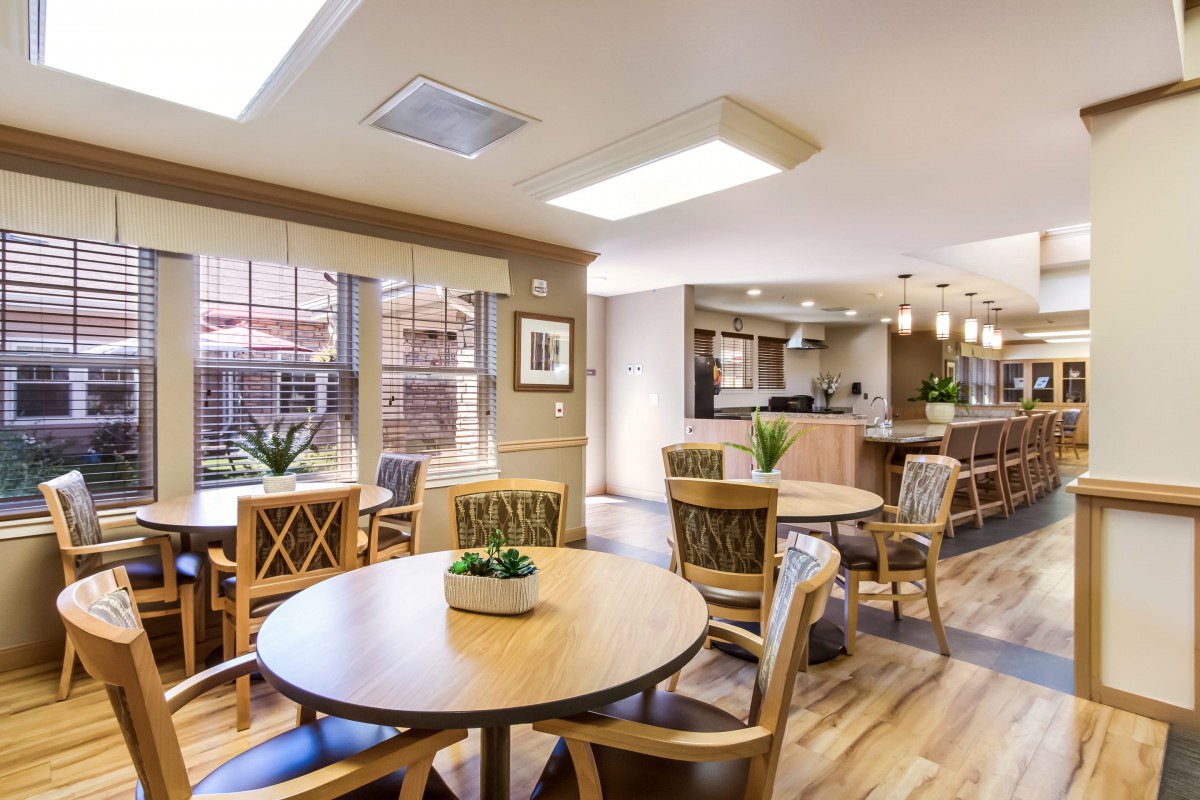
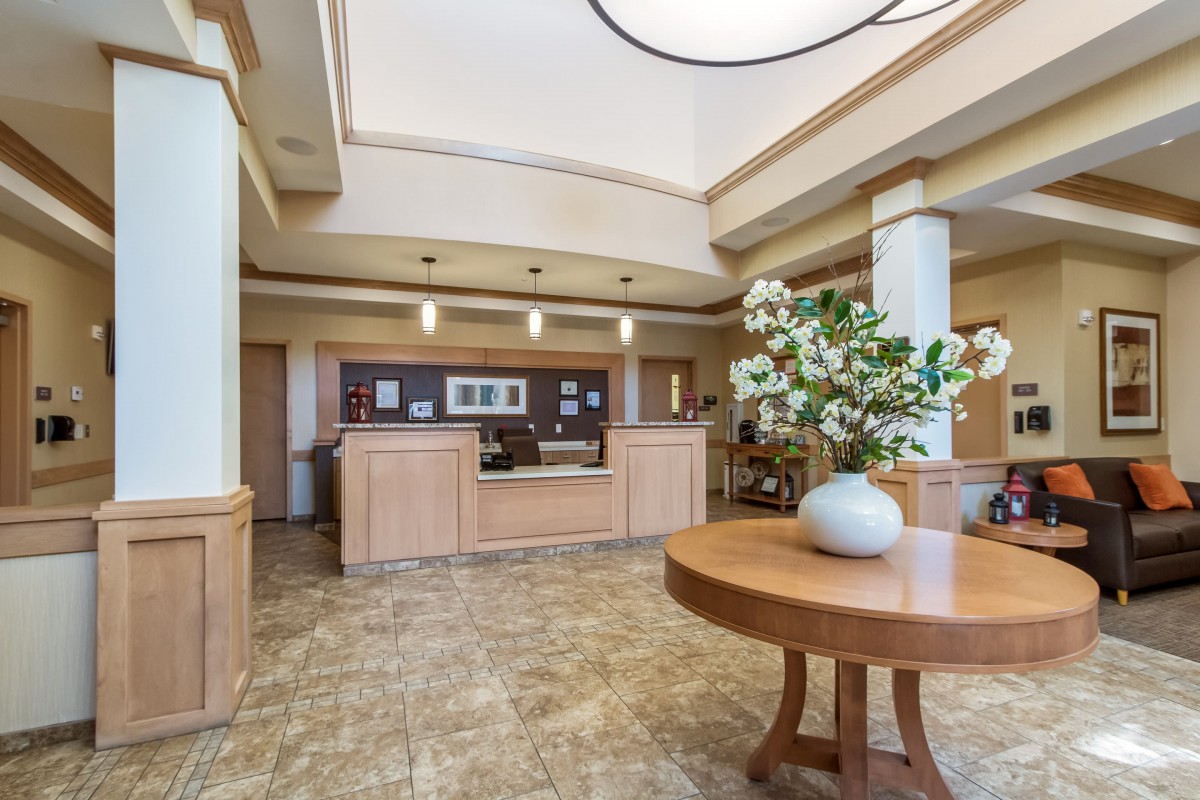
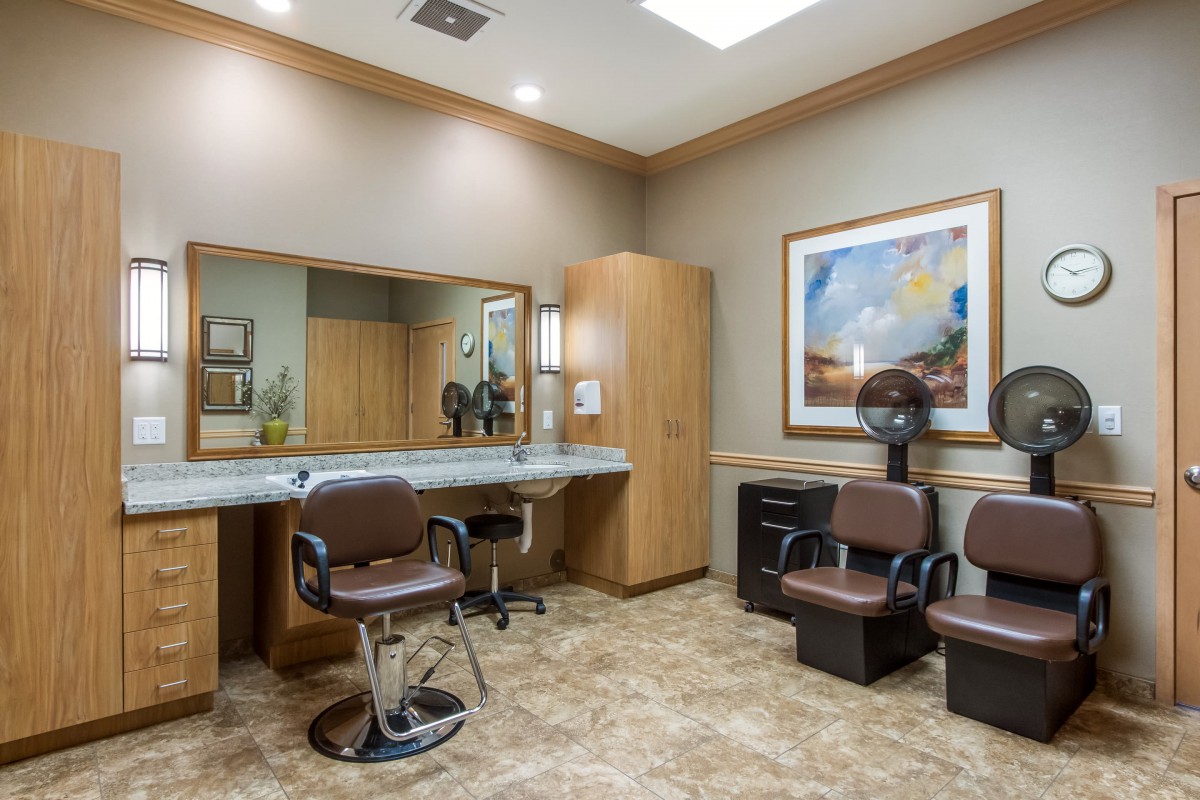
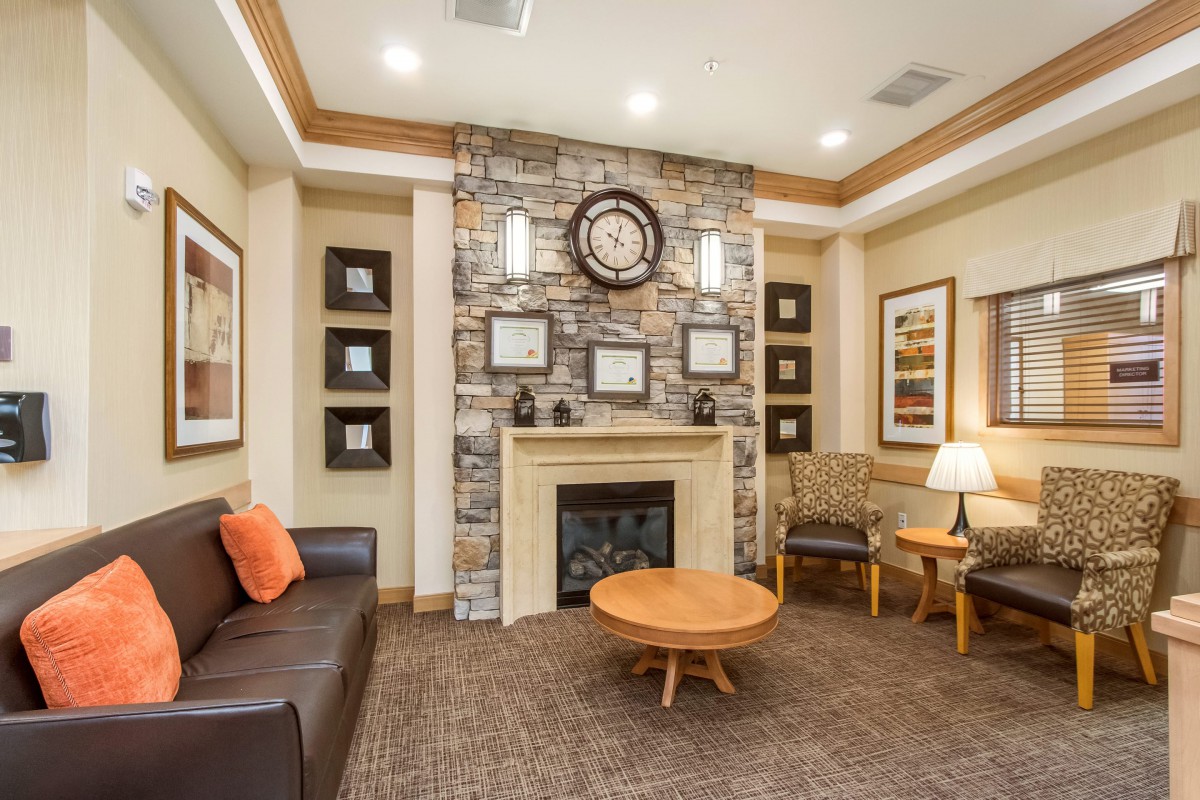
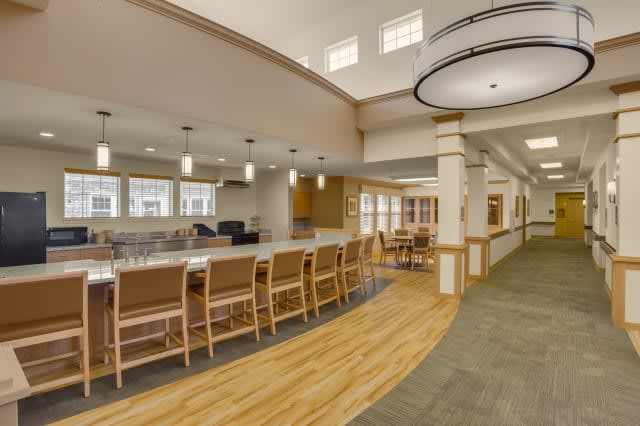
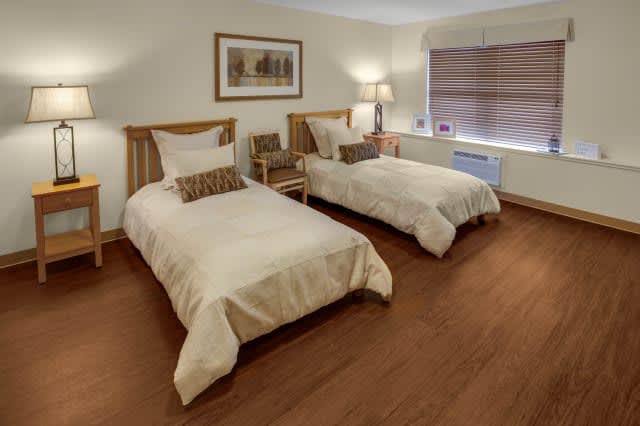
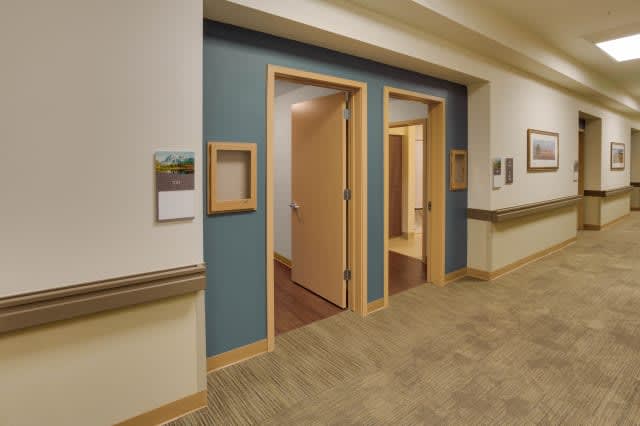
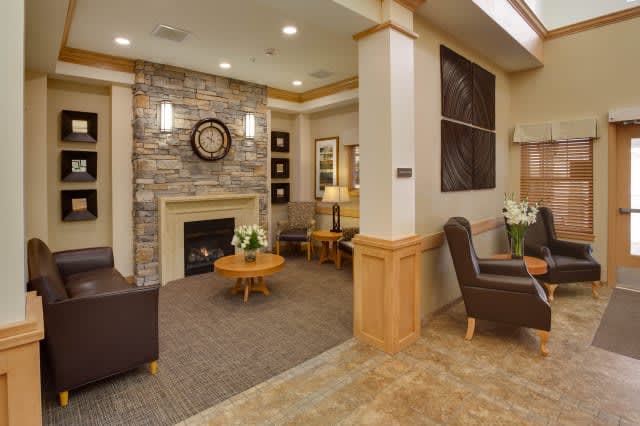
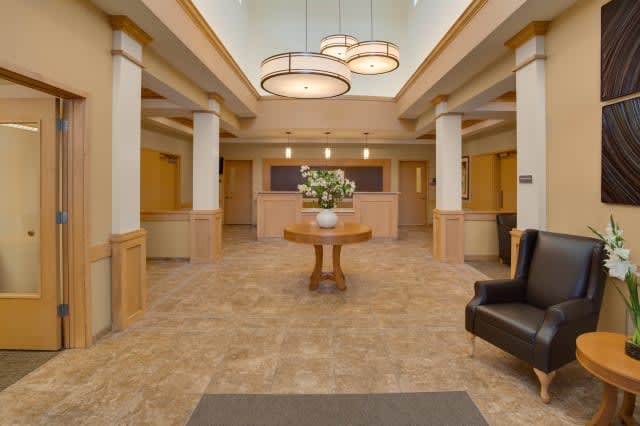
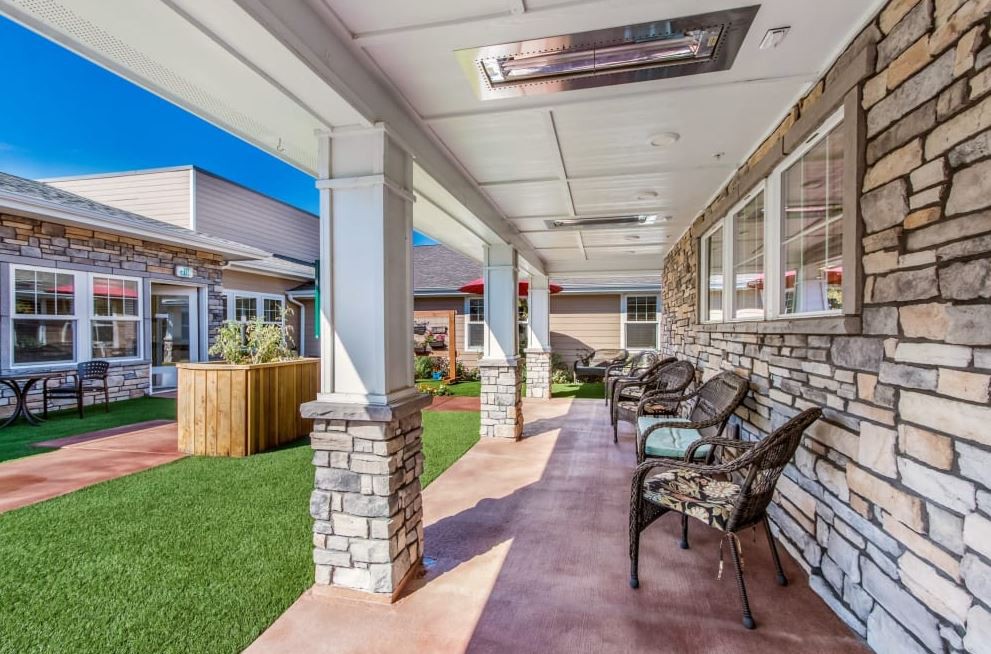
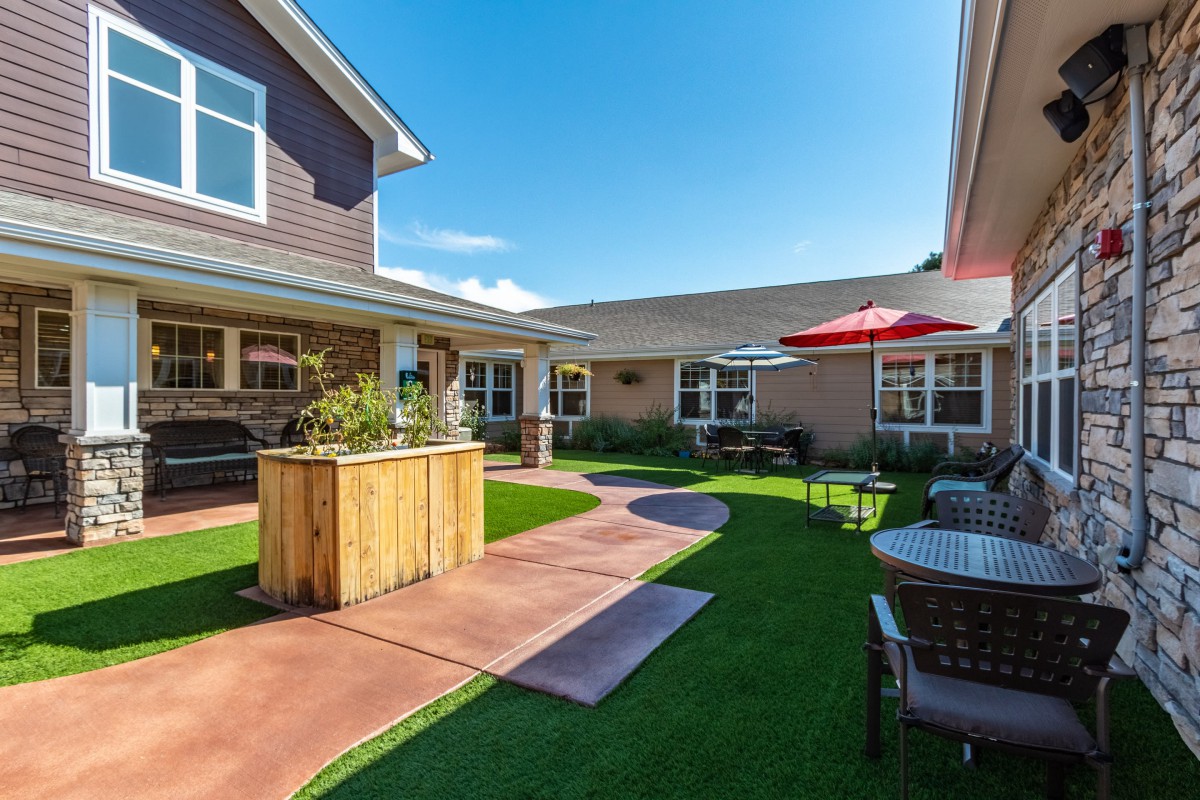
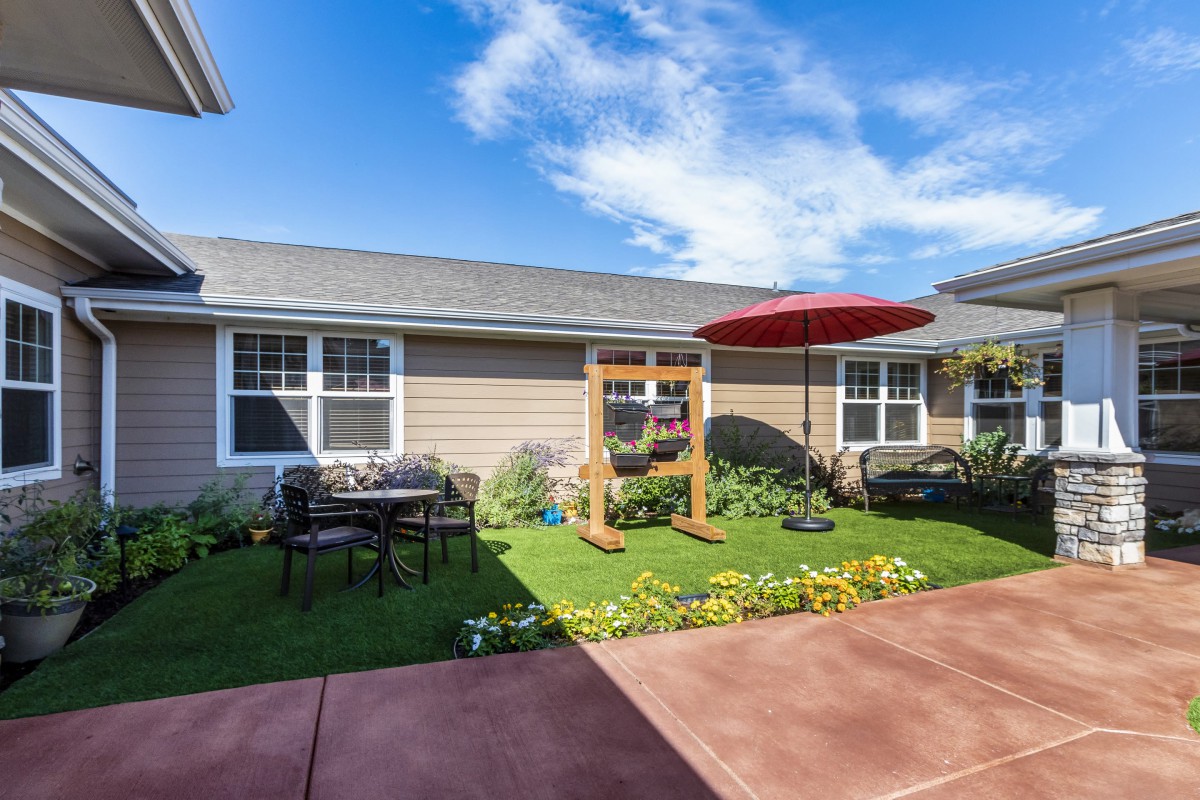
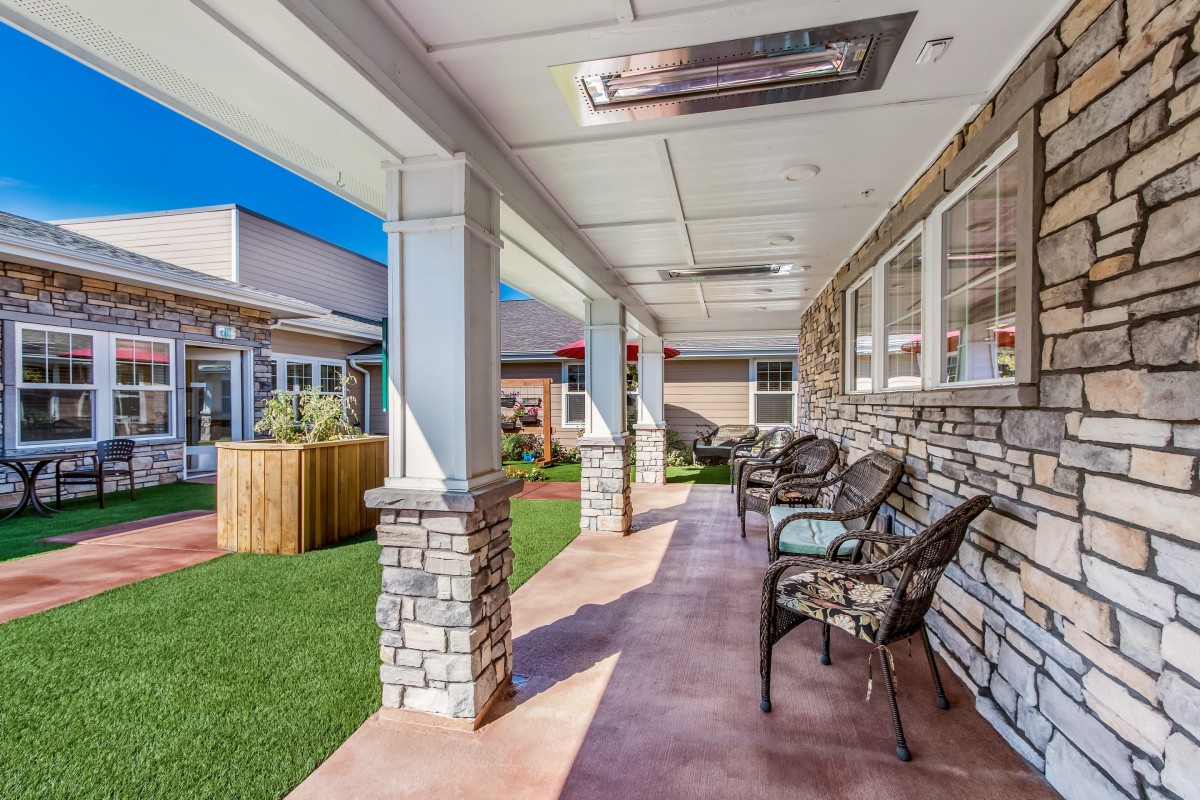
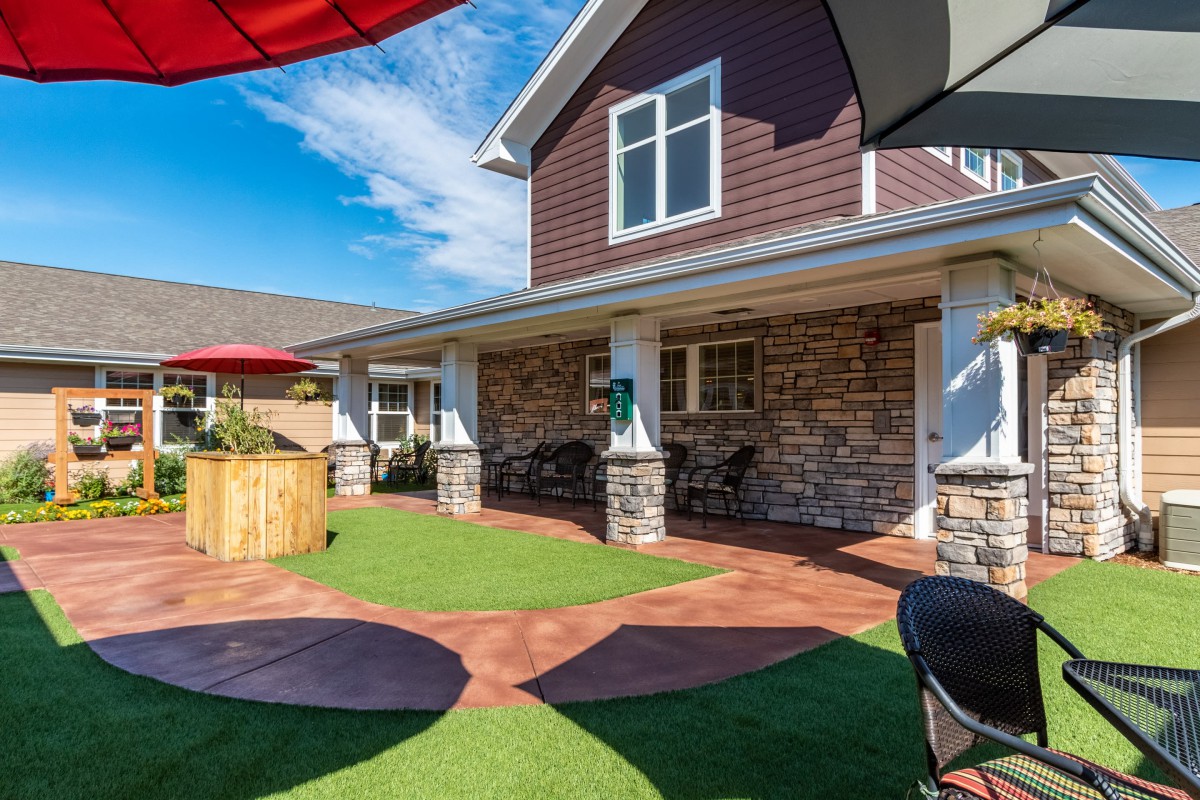
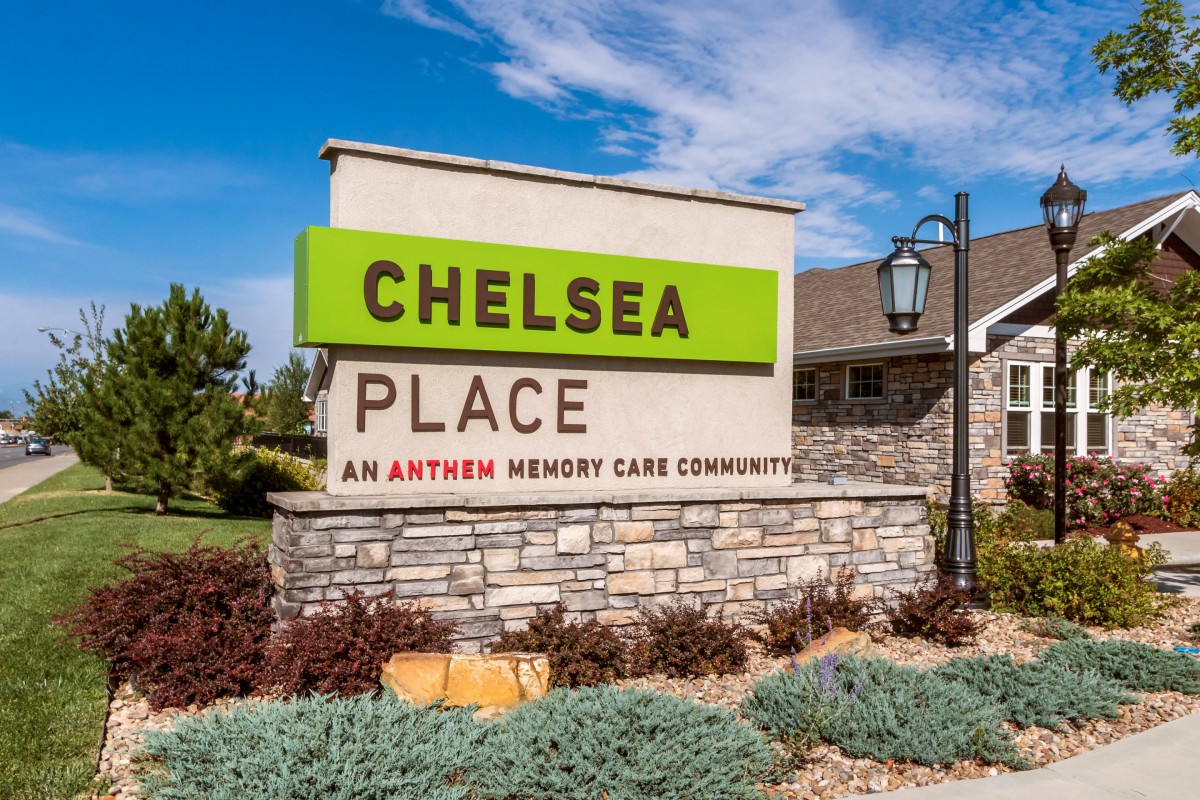
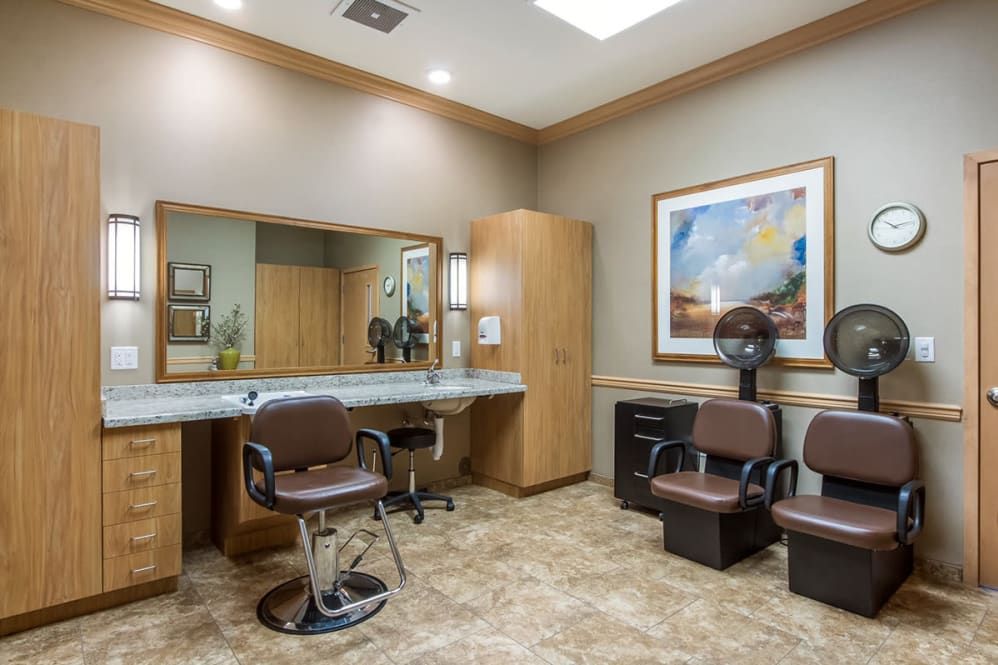
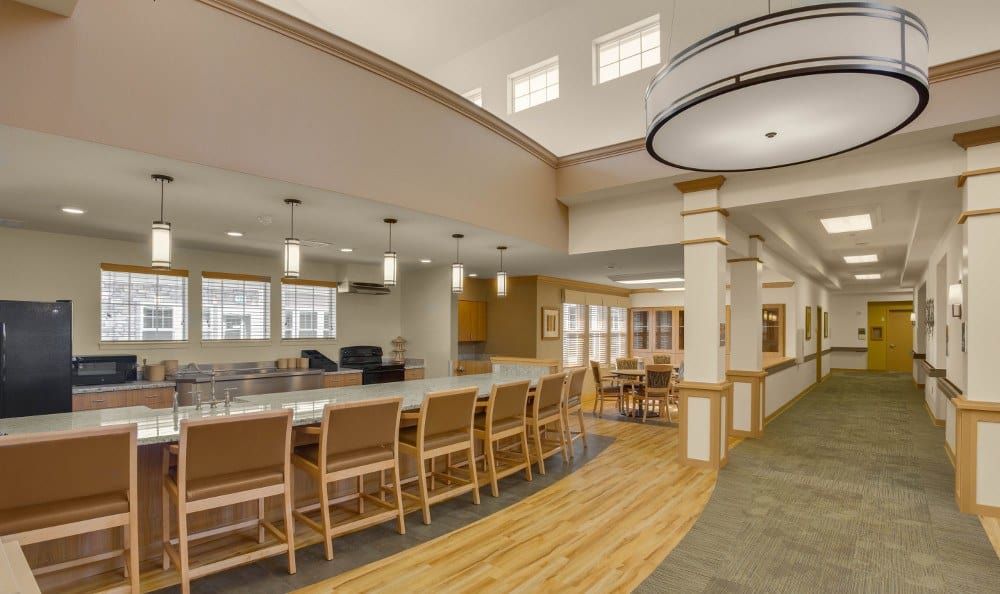
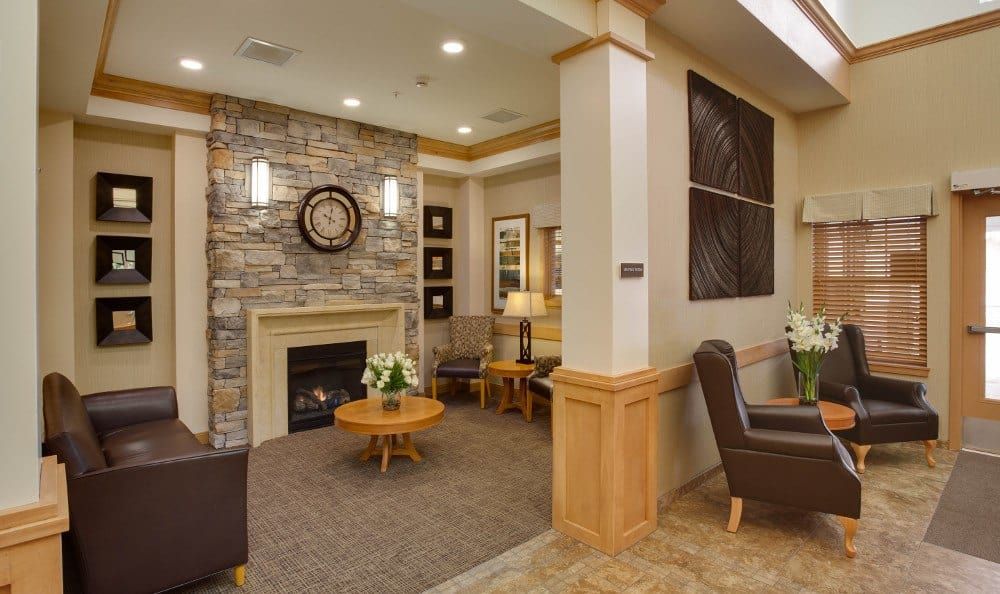
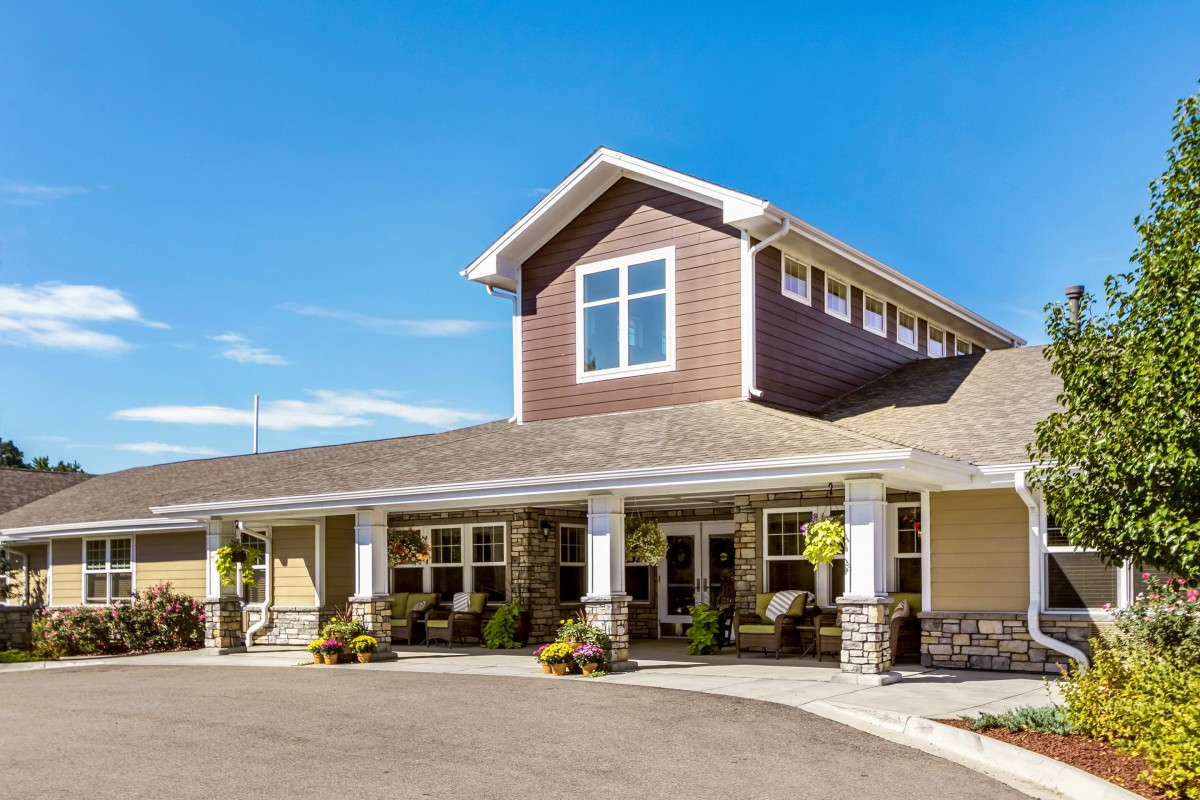
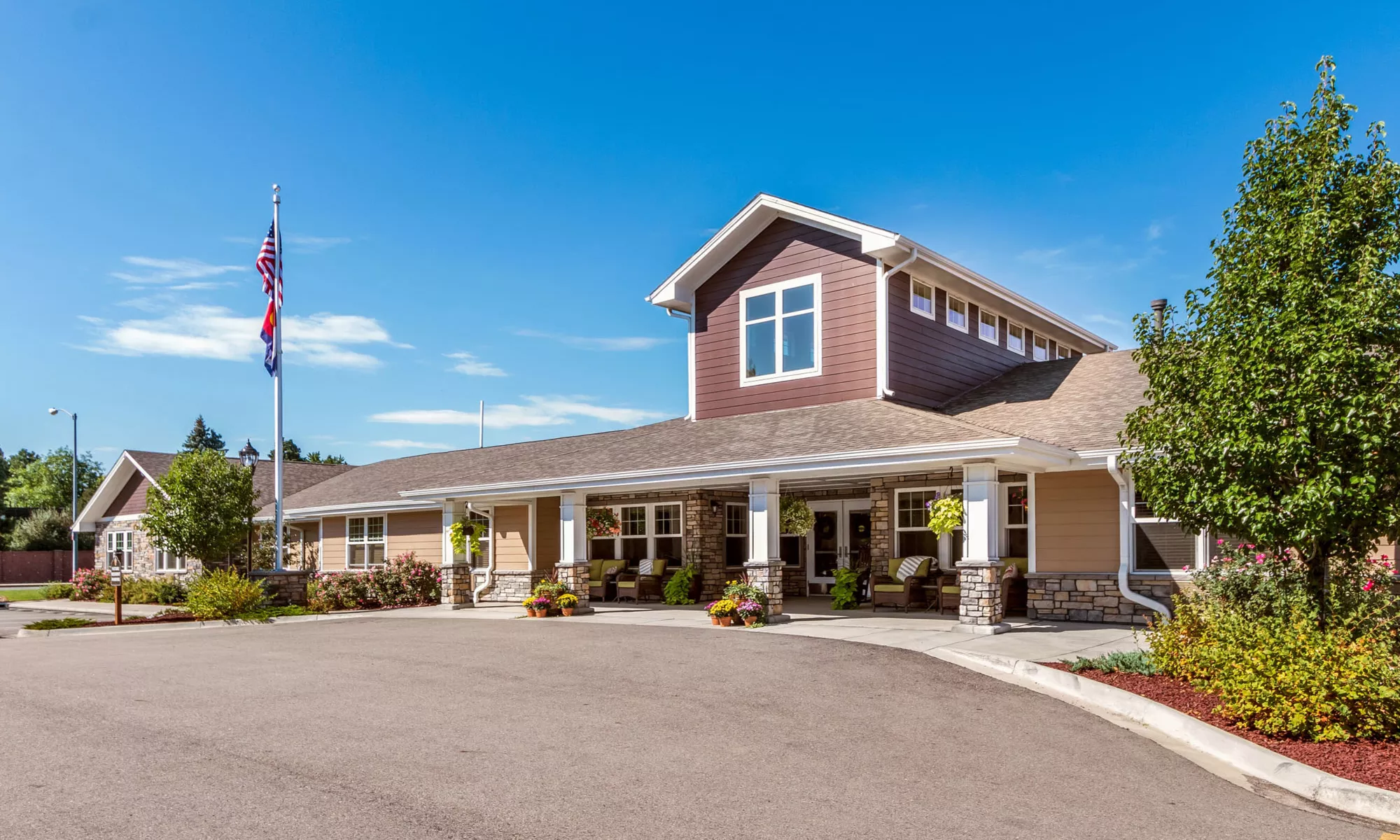
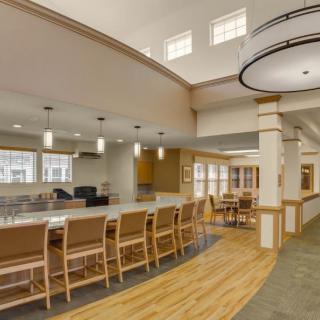
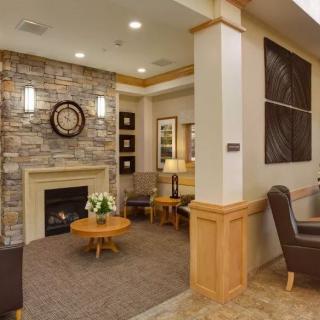
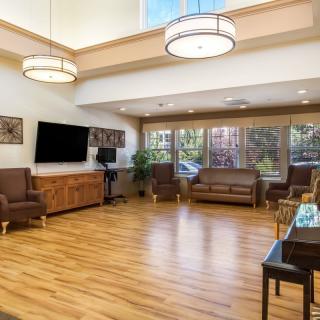
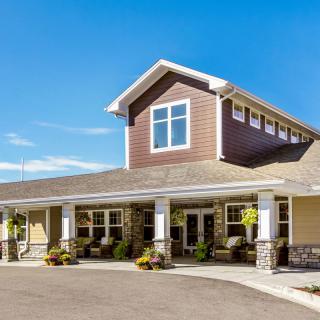
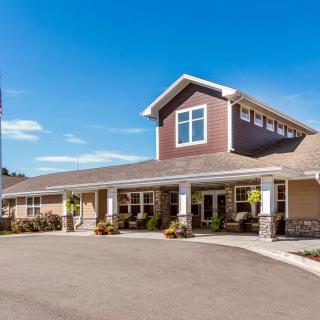
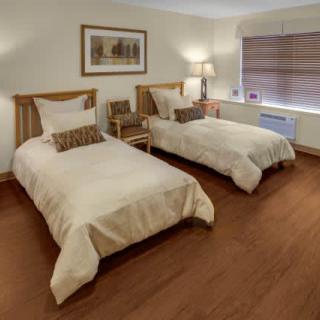
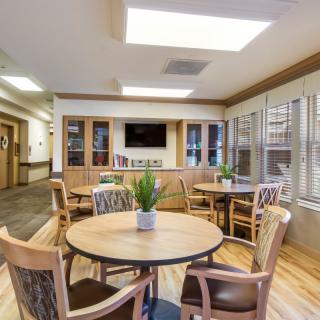
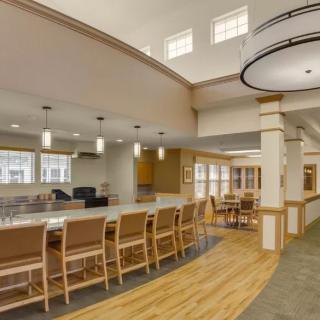
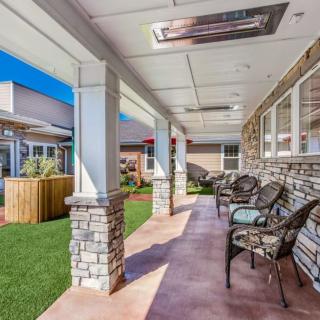
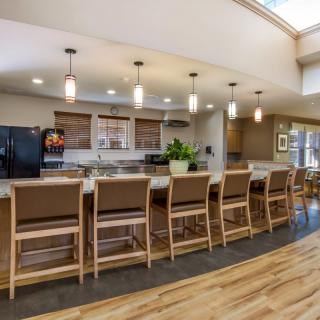
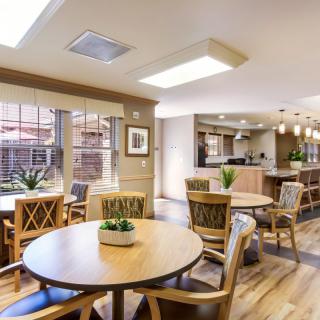
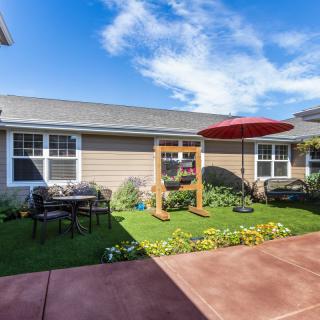
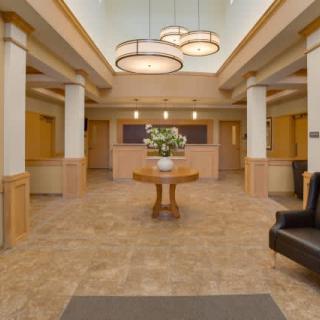
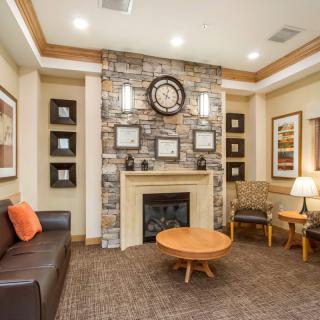
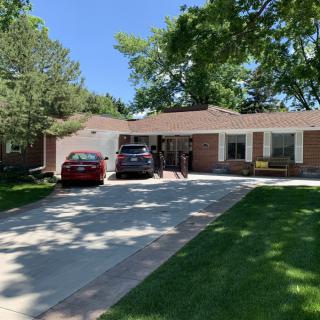
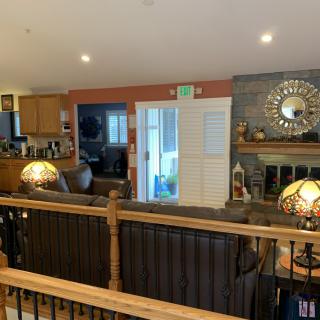
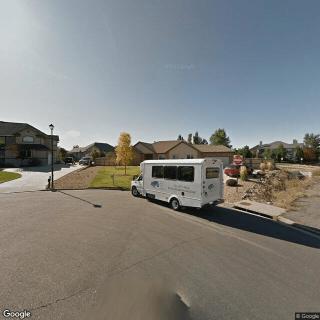
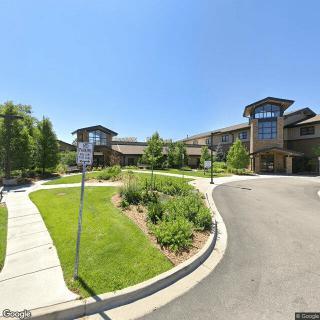
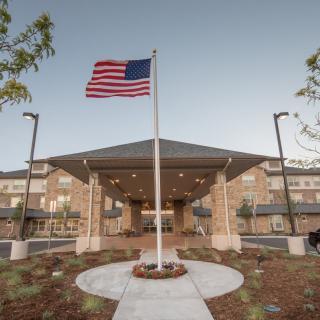
Chelsea Place Memory Care on seniors.fyi includes 32 photos including images showing interior, landscaping, lighting, lobby, floor plan, patio, outdoor seating, fireplace, and more.
Nearby Communities
St Anna's Home
Aurora, CO
5 from 1 review
Intimate, small-community setting with comprehensive care and convenient services.
Oliveglen Villas
Aurora, CO
Close to dining, parks, healthcare, and transportation.
Ashley Manor At Carson
Aurora, CO
4.2 from 6 reviews
$4,882 to $5,827 / month
Caring staff in a beautiful, well-appointed setting with memory care options.
Sophia Assisted Living
Aurora, CO
3 from 4 reviews
Cozy small community with comprehensive care (meals, meds, transport) and outdoor spaces.
Meadow Hills Makarios Assisted Living
Aurora, CO
5 from 1 review
$3,850 / month
Competitive pricing for private rooms.
Forever Edelweiss Home
Aurora, CO
5 from 1 review
$2,800 / month
Medicaid-accepting, high-quality care in a warm, well-equipped home.
Heather Gardens
Aurora, CO
4.6 from 7 reviews
Excellent staff and diverse activities in a well-maintained, active senior community.
Parkside Village Retirement Resort
Aurora, CO
4.4 from 48 reviews
$3,560 to $4,961 / month
Friendly staff, a close-knit community, and modern, resort-like facilities with ample amenities.
Life Care Center of Aurora
Aurora, CO
4.6 from 127 reviews
$4,620 to $5,460 / month
Clean, pleasant environment with attentive staff and strong therapy/activities offerings.
The article highlights eight indicators that a loved one with dementia may require specialized memory care, emphasizing the emotional and logistical challenges families encounter in this decision. It discusses signs such as difficulties with daily tasks, safety concerns, and caregiver burnout, suggesting that memory care facilities can provide the necessary support and structured environments for those experiencing cognitive decline.
Dementia, primarily caused by Alzheimer's disease but also linked to other conditions, leads to cognitive decline impacting memory and daily functioning, with individuals experiencing varied awareness of their impairments. Despite memory loss, emotional connections persist, enabling responses to familiar stimuli, highlighting the need for caregivers to provide compassionate support that recognizes both limitations and retained emotional depth.
The article presents five subtle indicators of dementia, such as memory lapses and mood swings, to help families assess cognitive decline in loved ones. It emphasizes early detection, open communication, and seeking professional help while providing practical support steps.
Get PricingAsk A QuestionSchedule A TourContact Senior Advisor
By clicking submit, you agree to our Partner's Terms of Use. You
also consent to receive calls and texts, which may be autodialed, from our Partner. Your consent is not a condition to
using our Partner's service. Please visit our Partner's Privacy Policy for information about their privacy practices.




 64 resident community capacity
 Memory Care
 Activities off-site
 Air-conditioning
 Bath tubs
 Beautician on-site
 Cable or satellite TV
 Computer center
 Devotional services on-site
 Dining room
 Fitness room
 Fully furnished
 Gaming room
 Garden
 Ground floor units
 Handicap accessible
 Housekeeping services
 Indoor common areas
 Kitchenette
 Laundry
 Move-in coordination
 Outdoor common areas
 Party space
 Private bathrooms
 Respite or short term stays offered
 Restaurant-style dining
 Small library
 Spa
Spa Telephone
 Wheelchair accessible showers
 Wi-Fi/high-speed internet available
 Denver International (17 miles away)
 Community operated transportation
 12-16 hour nursing
 24-hour call system
 Assistance with bathing
 Assistance with dressing
 Assistance with transfers
 Diabetes diet
 Diabetic care
 High acuity care
 Hospice care
 Incontinence care
 Medication management
 Mental wellness program
 Physical therapy
 Special dietary restrictions
 Transportation arrangement (medical)
 Art classes
 Book club
 Catholic services
 Concierge services
 Cooking classes
 Educational speakers / life long learning
 Games
Games Jewish services
 Live musical performances
 Planned day trips
 Intimate, small-community setting with comprehensive care and convenient services.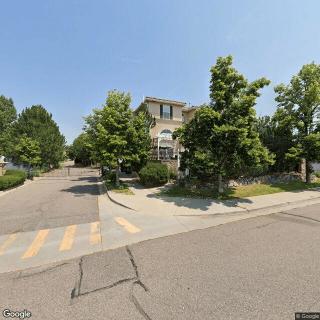
 8 Important Indicators That Memory Care May Be Necessary
 Delving into the Inner World of Dementia: Insights into Thoughts and Awareness
 Five Subtle Dementia Indicators to Observe: An In-Depth Guide to Understanding “Does My Mom Have Dementia?”