
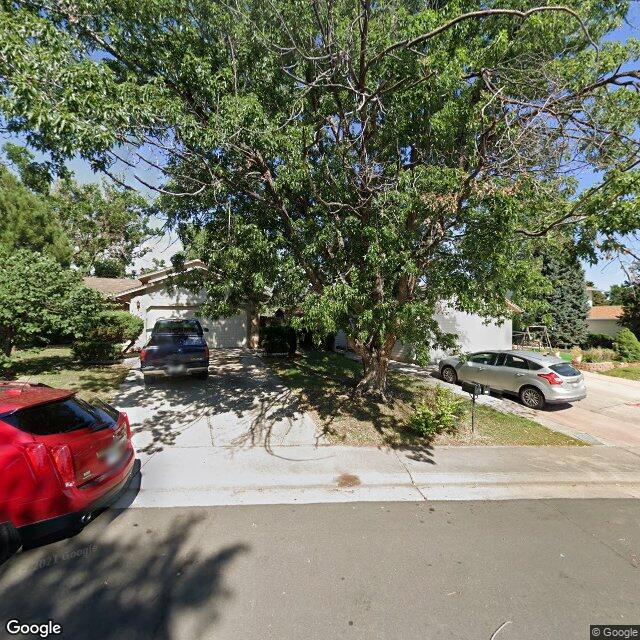
4045 South Hannibal Street, Aurora, CO 80013
For more information about senior living options: (866) 208-4318
Forever Edelweiss Home Costs & Pricing
Forever Edelweiss Home offers a competitive monthly rate of $2,800 for private rooms, significantly lower than the average costs in Arapahoe County and across Colorado, which stand at approximately $4,116 and $4,142 respectively. This pricing not only reflects a more approachable option for families seeking quality care but also positions Forever Edelweiss Home as an attractive alternative within the market. By providing affordable accommodations without compromising on the standards of care and comfort, Forever Edelweiss Home demonstrates its commitment to enhancing the well-being of its residents while remaining mindful of financial considerations for families.
| Floor plans | Forever Edelweiss Home | Arapahoe County | Colorado |
|---|---|---|---|
| Private | $2,800 | $4,116 | $4,142 |
Assisted Living communities with a similar price nearby
-
from +$200 / mo

A Loving Hand Assisted Living
$3,000 / month6.1 miles away -
from +$100 / mo
Rose Of Sharon Weaver Assisted Living
$2,900 to $4,000 / month3.3 miles away -
from -$550 / mo
Assisted Living At The Woodlands
$2,250 to $2,500 / month18.0 miles away -
from -$330 / mo

Someren Glen Retirement Community
$2,470 to $3,975 / month7.3 miles away -
from +$200 / mo
Meadow Vista Assisted Living At Walden
$3,000 to $3,500 / month15.0 miles away
Overall Review of Forever Edelweiss Home
Pros
 It is a top pick based on care and facility information.
- Medicaid payments are accepted.
- It looks like a place that would fit the reviewer’s mother.
- The reviewer believes the mother would love the name.
Cons
 The facility is a bit pricey.
Review
Forever Edelweiss Home in Aurora, Colorado is best suited for families seeking a small, home-like residential setting where caregivers can deliver personal, attentive support in a warm, intimate environment. This community appeals to seniors who prioritize a familiar, name-worthy atmosphere and straightforward care planning over the bustle of a larger campus. The strongest signal from the available evaluation is that the care framework and facility presentation align with what a caregiving team would expect in a home-first model, making it a compelling match for someone who values direct, easy-to-navigate care arrangements and a setting that feels like a traditional residential home rather than a clinical campus.
That said, there are clear reasons to consider alternatives. If the priority is a more expansive menu of amenities, a broader social calendar, or highly specialized medical programming, a larger assisted living community or a medical-focused facility may be a better fit. Likewise, for families operating under strict budget constraints without Medicaid coverage, or for those whose loved one requires substantial around-the-clock clinical supervision or complex therapies, other options with lower price points or different financial structures could be more appropriate. The verdict here is not that this is the sole solution, but that it aligns well with a specific decision profile.
The most persuasive pros center on the residential nature of the setting and the alignment with care needs in a home-like context. A smaller, intimate environment often translates to staff who know residents by name, quicker responsiveness, and a calmer daily rhythm that suits modest routines and routine medical support. Medicaid acceptance emerges as a meaningful offset to price pressure, broadening access for families who qualify and reducing the gap between desired care and out-of-pocket costs. In short, the combination of a personable care approach and financial flexibility through Medicaid is the core value proposition for households seeking dependable daily support without surrendering the sense of a domestic living experience.
However, the primary con, price, cannot be dismissed. A “bit pricey” label attached to the placement suggests that the same benefits on care quality and homelike ambiance come with a higher sticker price relative to some peers. For families where every dollar counts, the cost delta matters, even with Medicaid participation. If the budget is fixed or if Medicaid coverage is uncertain, that cost consideration will weigh heavily in the decision. The key is to weigh the emotional and practical relief provided by a home-style setting against the ongoing financial commitment, and to verify precisely what Medicaid covers and what remains out of pocket.
Decision-making should center on verifying practical details through direct conversations and on-site visits. Prospective families should assess the exact scope of care offered, daily living assistance, medication management, meal services, mobility support, and confirm how these services align with current needs. Ask about staff-to-resident ratios during peak hours, who coordinates medical care, and how changes in health status are handled. Financial transparency matters: confirm which Medicaid programs are accepted, what costs are included in the base rate, and whether there are additional fees for onboarding, utilities, or supplements. Finally, request a trial period or a day-to-day glimpse of routines to gauge whether the daily cadence feels comfortable and sustainable for a loved one.
The bottom line is practical and clear. Forever Edelweiss Home stands out for families seeking a warm, residential care option in Aurora that emphasizes personal attention and accepts Medicaid, making it a strong top choice when the priority is a homelike setting with reasonable financial pathways. It is not the optimal pick for those who need extensive medical imperatives on site or who operate with a tighter budget beyond Medicaid coverage. For decision-makers, the path is simple: weigh the value of a home-like atmosphere against the price, confirm Medicaid details, and evaluate whether the daily living experience and caregiver familiarity will translate into sustained peace of mind for both resident and family.
 5 resident community capacity
 Assisted Living
 Board and Care Home
 Cable or satellite TV
 Dining room
 Fully furnished
 Garden
 Housekeeping services
 Move-in coordination
 Outdoor space
 Private
 Telephone
 Wi-Fi/high-speed internet available
 Denver International (17 miles away)
 24-hour supervision
 Activities of daily living assistance
 Ambulatory care
 Assistance with bathing
 Assistance with dressing
 Assistance with transfers
 Diabetes diet
 Diabetic care
 High acuity care
 Meal preparation and service
 Medication management
 Special dietary restrictions
 Transportation arrangement (medical)
 Transportation to doctors appointments
 Christian services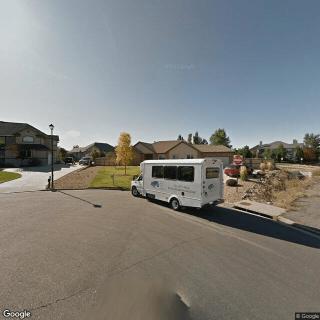



 Exploring the Path to Senior Living: A Comprehensive Look at Independent Living and Assisted Living
 Is Assisted Living Deductible on Your Taxes? Understanding the Complexities of Assisted Living Expenses and Deductions
 Assisted Living Support for Veterans: A Complete and Detailed Overview