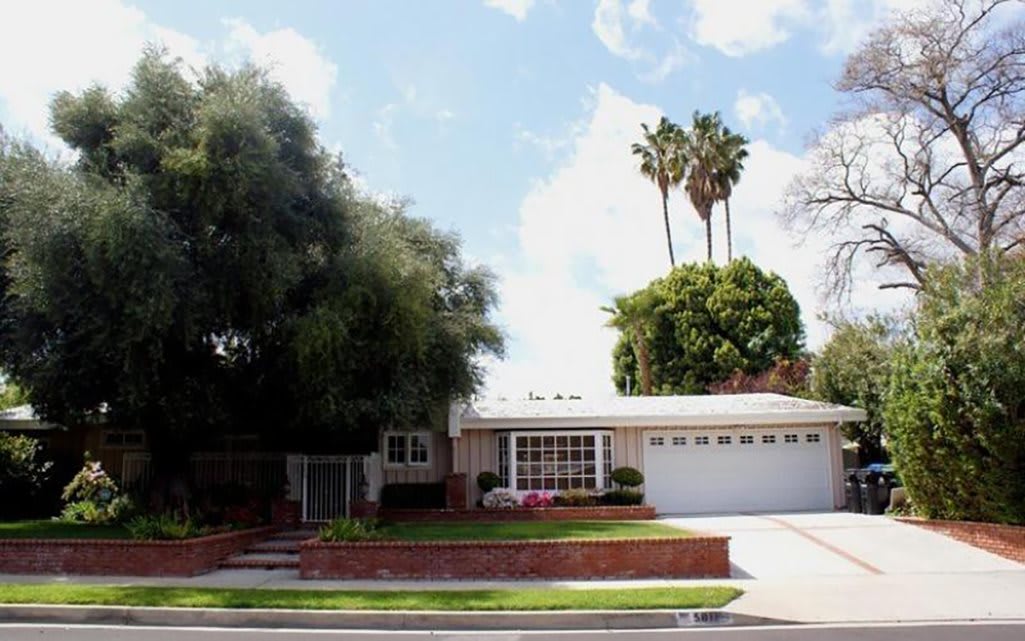
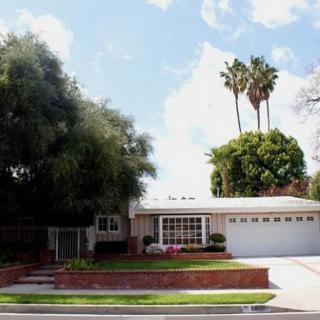
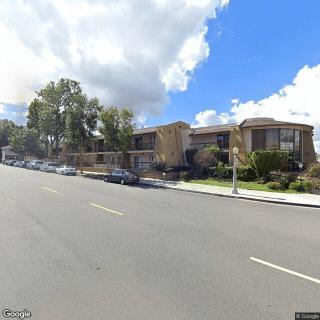
5811 Capistrano Ave., Woodland Hills, CA 91367
To contact a resident: (818) 992-4802
For more information about senior living options: (866) 208-4318
Flair Manor Costs & Pricing
Flair Manor offers competitive pricing for its accommodations, with private rooms and one-bedroom options both priced at $4,000 per month. When we compare these costs to the broader Los Angeles County market, Flair Manor stands out as a more affordable option; the average price for private rooms in the county is $4,197 and rises even higher for one-bedroom units at $4,603. Additionally, while California's state averages also reflect slightly lower prices for private rooms at $3,939 and one-bedrooms at $4,340, Flair Manor maintains an appealing balance between quality care and cost-effectiveness. This positioning makes it an attractive choice for those looking for supportive living arrangements without straining their budgets.
| Floor plans | Flair Manor | Los Angeles County | California |
|---|---|---|---|
| Private | $4,000 | $4,197 | $3,939 |
| 1 Bedroom | $4,000 | $4,603 | $4,340 |
Memory care communities with a similar price nearby
-
from -$500 / mo
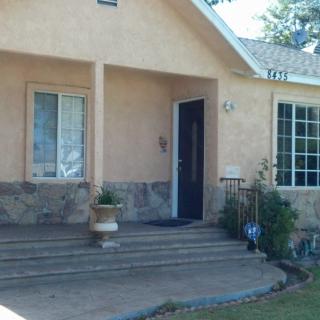
Paradise Senior Living 1
$3,500 to $4,500 / month4.8 miles away -
from +$500 / mo
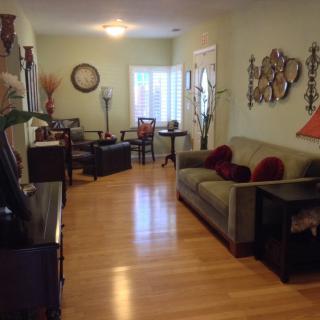
Ardenville Home Care I
$4,500 / month15.7 miles away -
from -$200 / mo
America's Care Manor
$3,800 to $4,000 / month7.1 miles away -
About the same
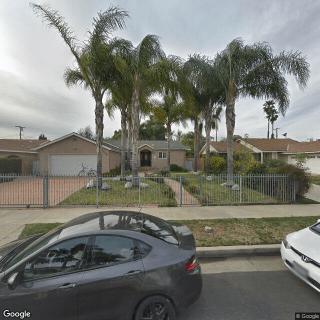
Land of Peace 6
$4,000 to $5,500 / month1.0 miles away -
from -$500 / mo
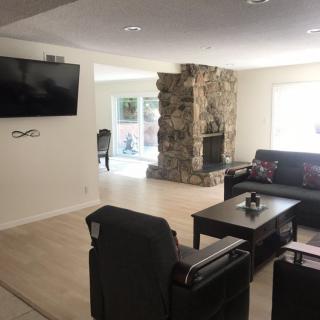
Hollywood Healthy Living
$3,500 to $5,000 / month15.8 miles away
Overall Review of Flair Manor
Pros
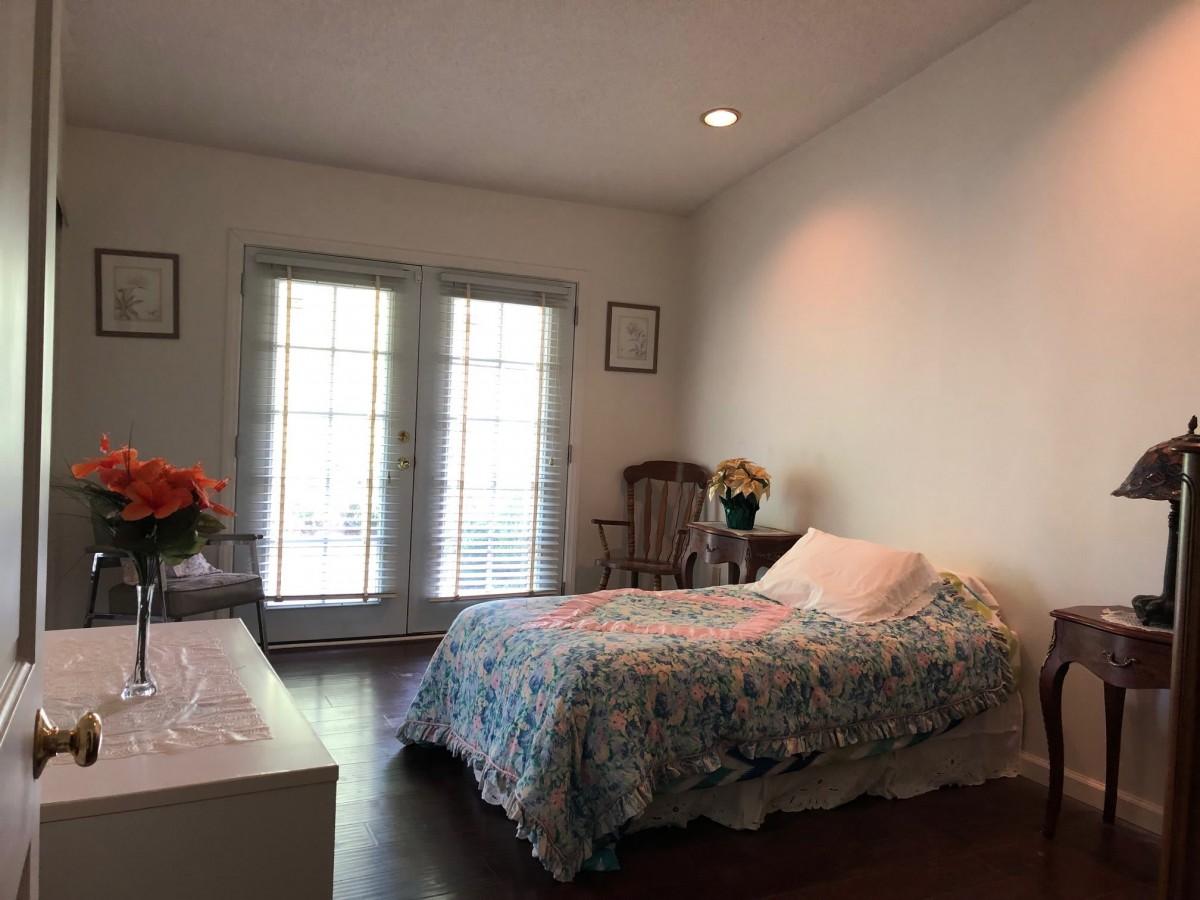
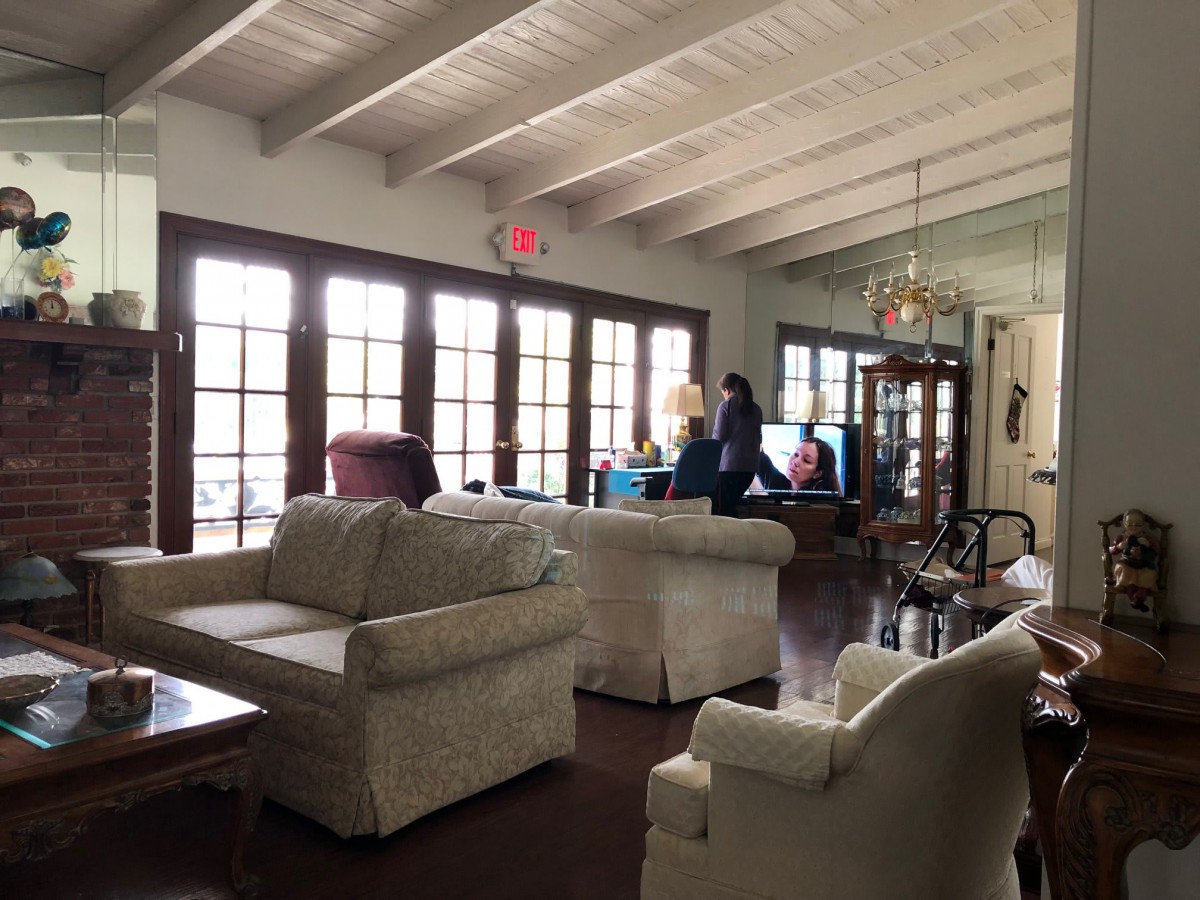
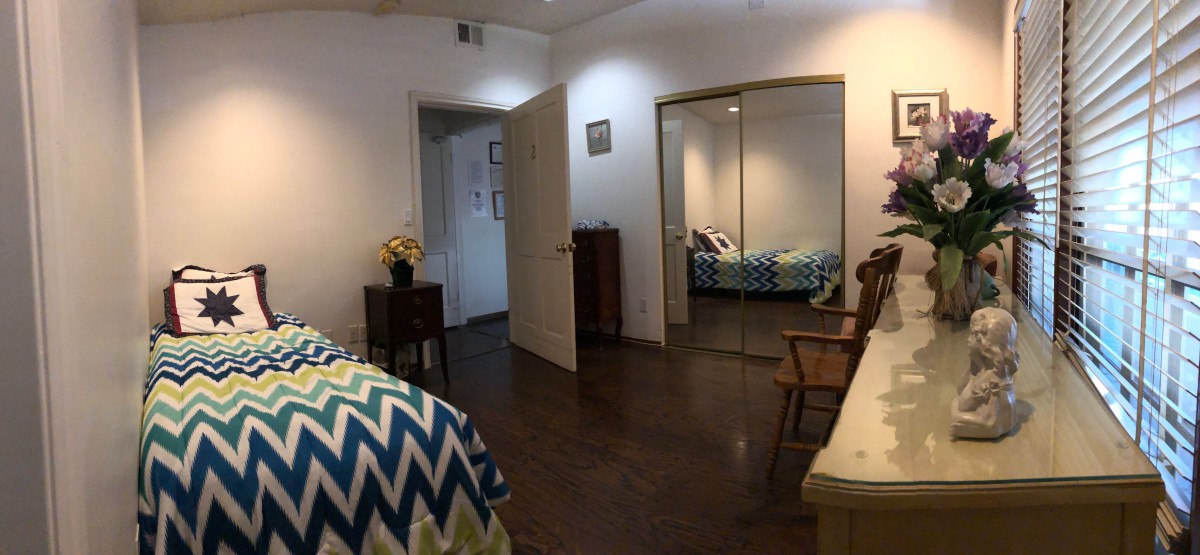
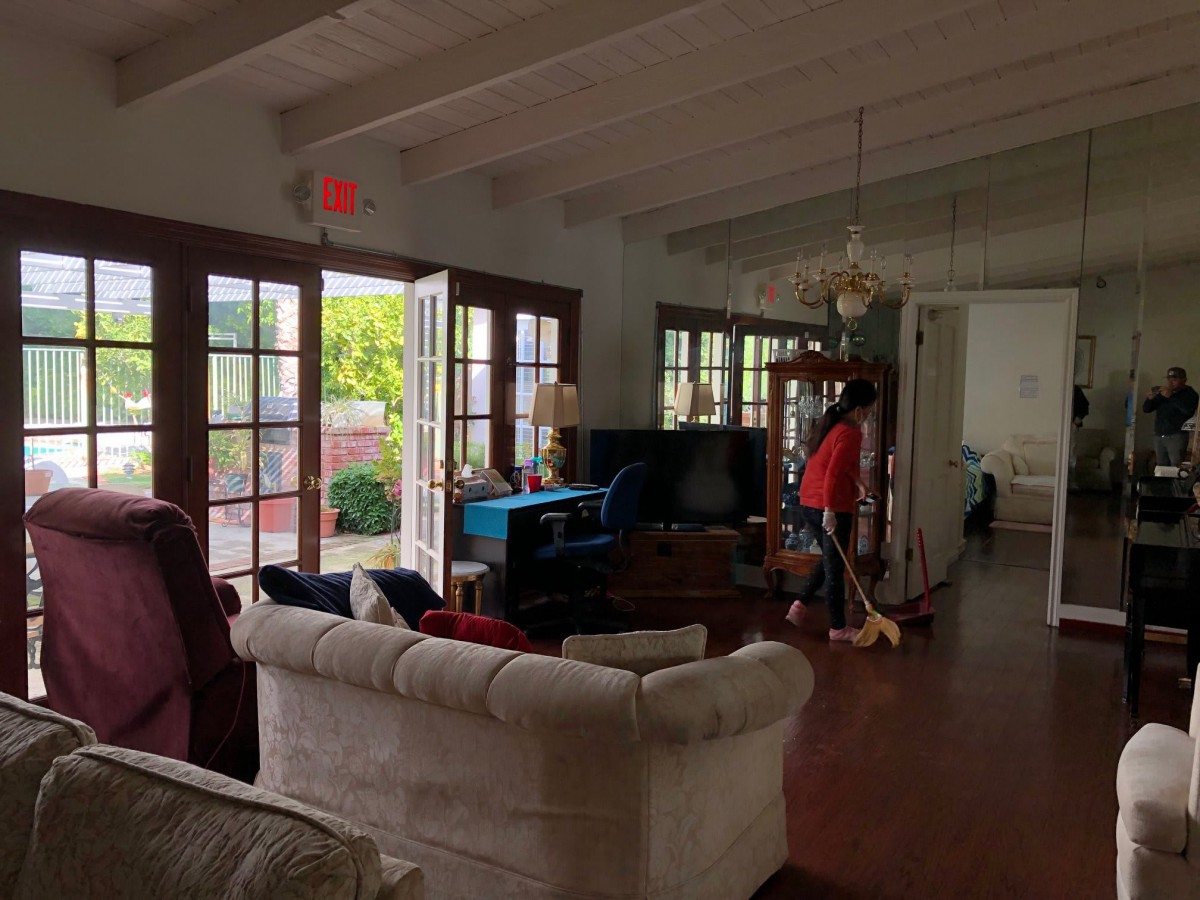
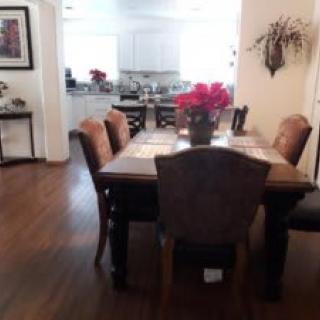
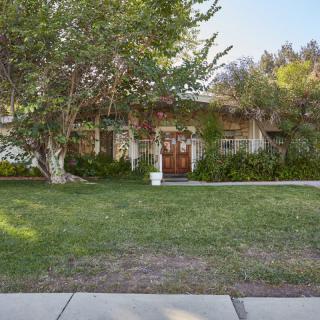
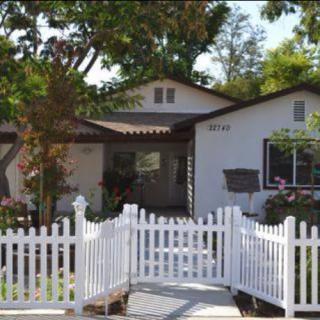
 The facility feels warm and homelike, never like a sterile hospital.
 - The staff are patient, caring, and kind.
- Caregivers take time to visit residents in the hospital and interview them, showing attentiveness.
- The environment is very clean and spotless.
- They offer 1-on-1 activities like cards, Scrabble, and board games.
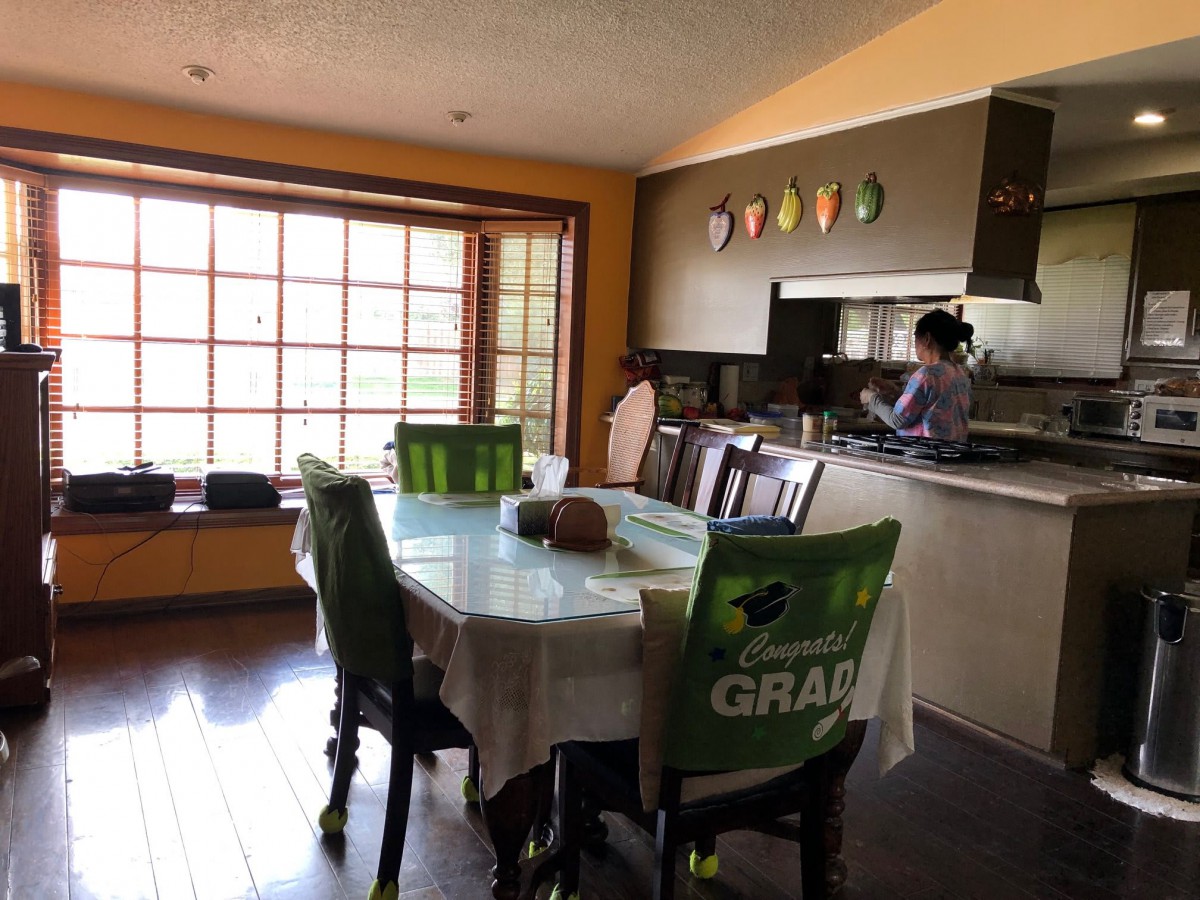
- There is no shortage of food, with plenty of desserts and snacks available.
- Parking is easy to find, and dining services are satisfactory.
Cons
 Most of the residents are bedridden.
- The food is just okay.
- The reviewer notes inconsistency in cleanliness, claiming they have never seen staff clean, even though the place looks spotless during visits.
Review
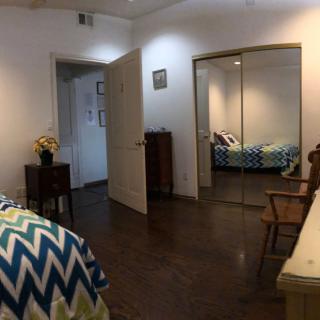
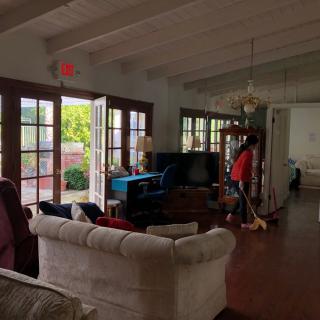
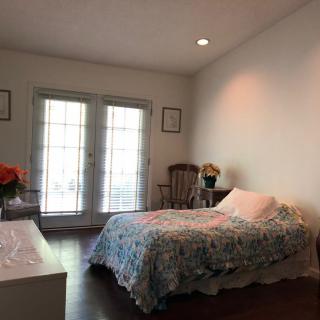
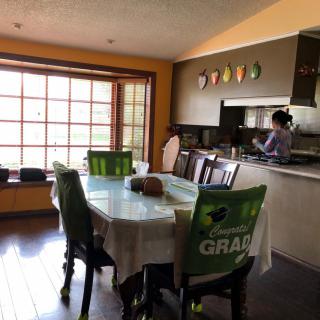
Flair Manor in Woodland Hills is best suited for families seeking a tiny, homelike assisted living environment where daily routines feel intimate and carefully managed. With a strict cap of six residents, the community functions more like a well-run house than a conventional facility, delivering a level of personalization that larger communities struggle to sustain. Leadership is clearly hands-on: the administrator will take the time to meet a prospective resident in the hospital and tailor intake around individual histories and preferences. This approach pays dividends for families prioritizing trust, responsiveness, and a nonclinical atmosphere. For a loved one who prizes warmth, clean surroundings, and a predictable, comfortable atmosphere over bustle and chatter, Flair Manor offers a compelling match.
Where this model may not suit is equally important to weigh. A six-resident setup means limited capacity to accommodate new admissions, and turnover can constrain flexibility for families needing longer-term stability or rapid expansion. The social calendar is understandably modest, more one-on-one engagement than large group programs, and residents appear to be predominantly bedridden, which reduces opportunities for shared activities. Those seeking a robust activity program, frequent outings, or intensive medical oversight may find better alignment elsewhere. Memory care, if ever needed, is not highlighted here, and that should factor into the decision for families with evolving cognitive needs.
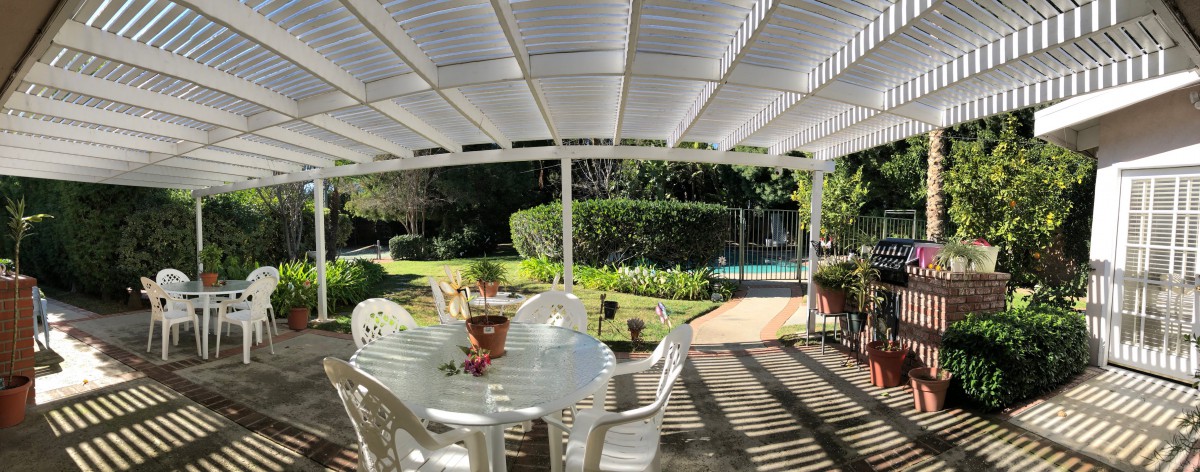
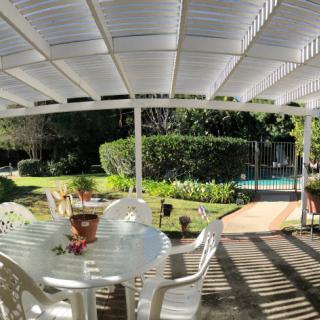
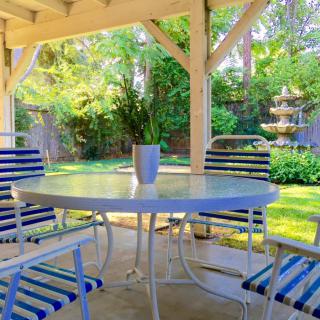
On the upside, the core strengths align closely with what families value in assisted living: a warm, non-clinical ambiance, spotless upkeep, and staff who genuinely treat residents with patience and kindness. The small staff-to-resident ratio facilitates meaningful interactions, with caregivers readily offering 1-on-1 cards, Scrabble, or board games that can be tailored to current abilities. The environment feels homelike rather than hospital-like, which reduces agitation and supports comfort during the day and evening. Meals are steady and satisfying, with ample portions and a dessert-forward approach that helps maintain appetite. Even amenities like a pool and tennis court exist as optional perks, reinforcing a sense of space without pressuring residents into activities that don’t fit.
However, the same intimate setup introduces clear constraints. The six-person limit can create pressure if care needs rise or if a resident’s family experiences a temporary vacancy in occupancy. The fact that most residents are bedridden dampens the perception of an active community life, making social engagement and movement-based wellness unlikely to be a central pillar. Parking is easy, which matters for families visiting regularly, but the lack of visible, structured group programs may feel limiting compared with larger campuses. Prospective residents should assess whether the current programming aligns with personal preferences for social interaction, mobility support, and the desired level of medical coordination.
Yet these constraints are largely offset by the pros that matter most in practice. The owner-led model signals reliability and a direct line to decision-makers, reducing the frustration of bureaucratic handoffs. The home-like, clean setting supports dignity and reduces resident stress, while the patient, attentive staff fosters trust and reduces the likelihood of overlooked needs. The opportunity for frequent, individualized activities helps maintain cognitive and social engagement on a spectrum appropriate to each resident’s abilities, even if group events are sparse. Food quality and consistency address one of the most common family concerns, and ready access to meals without threats of shortages is a genuine relief for caregivers. The combination of intimate oversight and personal care creates a powerful offset to the limited programming.
For families where the priority is intimate, dependable care within a small, comfortable environment, Flair Manor stands out as a strong option and worth serious consideration, provided the budget aligns with the six-resident model. The decision should hinge on whether a highly personalized, quiet setting is the best fit, or if more expansive activities, stronger medical oversight, or a larger community are needed. When visiting, observe how staff interact with residents one-to-one, confirm current activities, and verify availability of admissions that match the loved one’s care level. If alignment is found, the result is a highly trusted arrangement where comfort, cleanliness, and daily attention come together in a practical, confidently managed care plan.
 Board and Care Home
 Memory Care
 Dogs allowed
 Activities on-site
 Air-conditioning
 Bath tubs
 Cable or satellite TV
 Ground floor units
 Indoor common areas
 Outdoor common areas
 Private
 Private bathrooms
 Swimming pool / hot tub
 Wheelchair accessible showers
 Wi-Fi/high-speed internet available
 Burbank-Glendale-Pasadena (15 miles away)
 Diabetic care
 High acuity care
 Incontinence care
 Medication management
 Anytime dining
 Art classes
 BBQs or picnics
 Birthday parties
 Gardening club
 Live musical performances
 Visiting Rabbi
 Visiting chaplain or priest
 Yoga / chair yoga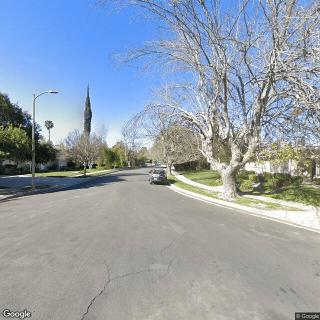


 Estimating the Expenses of At-Home Dementia Care: A Detailed Exploration
 Comprehensive Insights on the Late Stages of Dementia: What to Expect and How to Provide Care
 Medications Associated with Dementia Risk: A Comprehensive Overview