
Aaa Jerusalem Star

Save

  • Interior

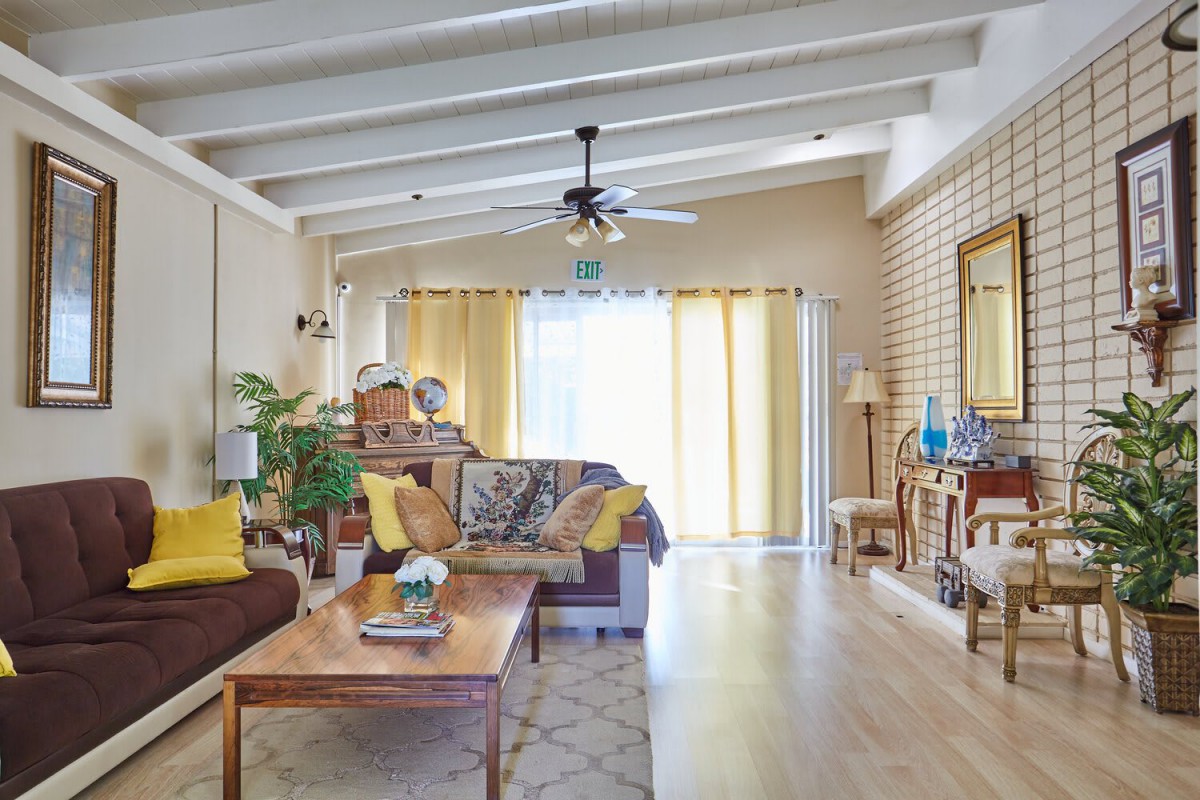
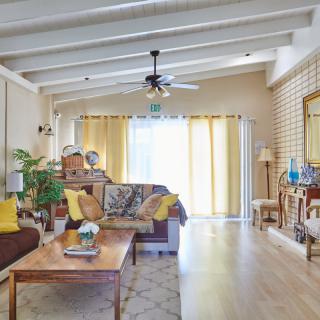
    A cozy and bright living room with natural light, featuring comfortable furniture and decorative elements.
  • Decor

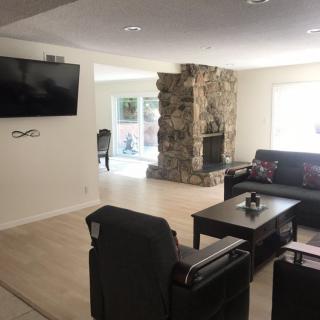
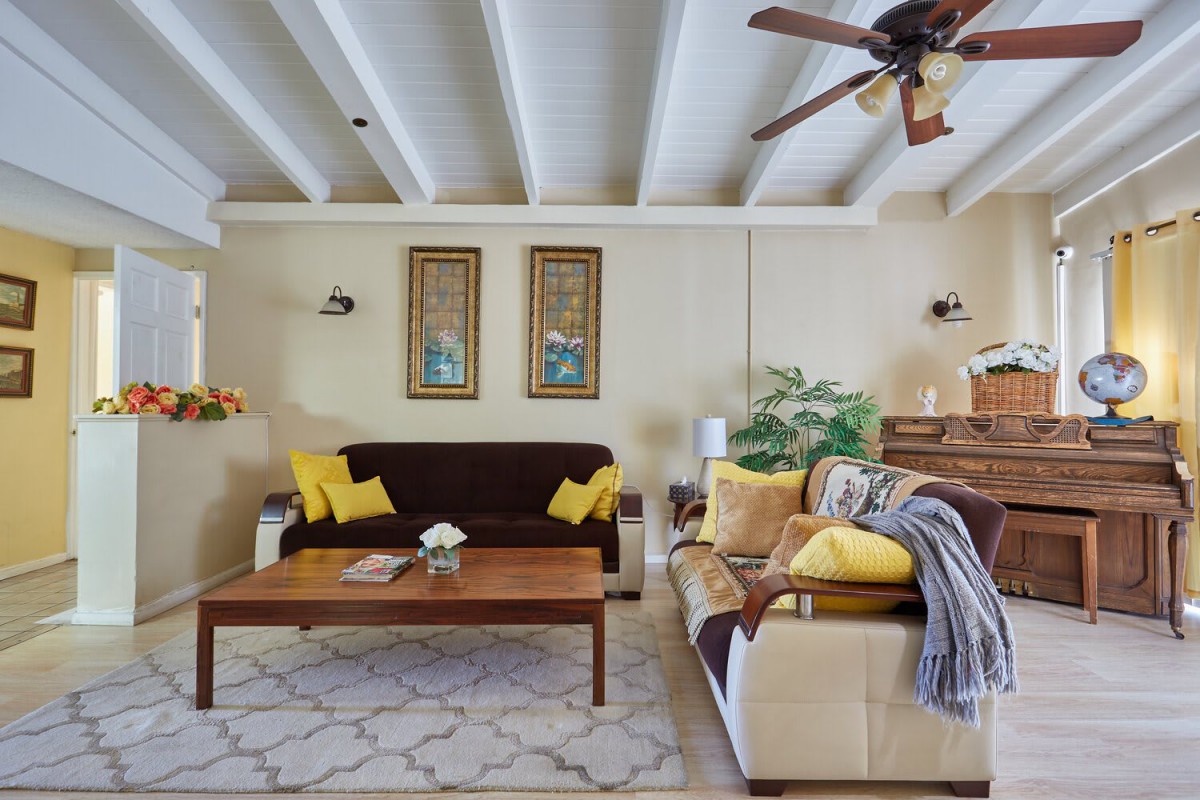
    A cozy living room with a stylish interior, featuring two sofas, a wooden coffee table, decorative pillows, plants, and elegant artwork on the walls.
  • Living Room

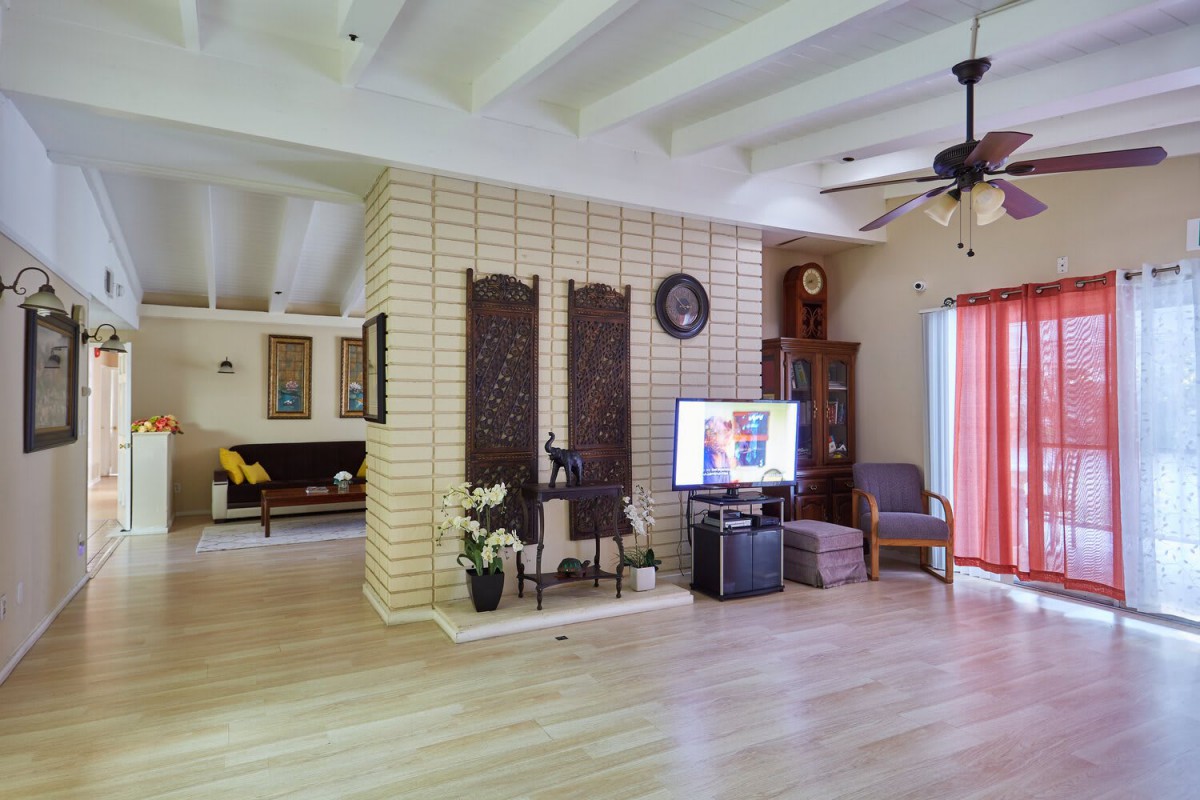
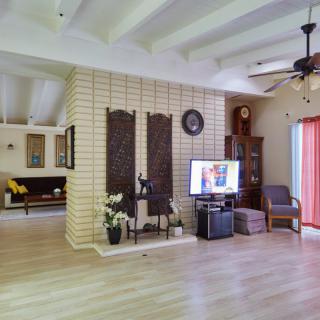
    A modern living room with wooden flooring, decorated with minimalist furniture and a television mounted on a brick accent wall.
  • Bedroom

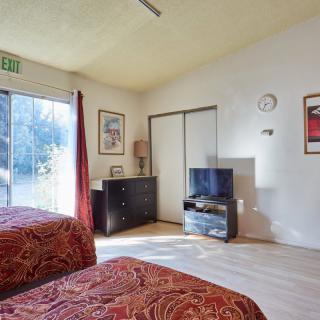
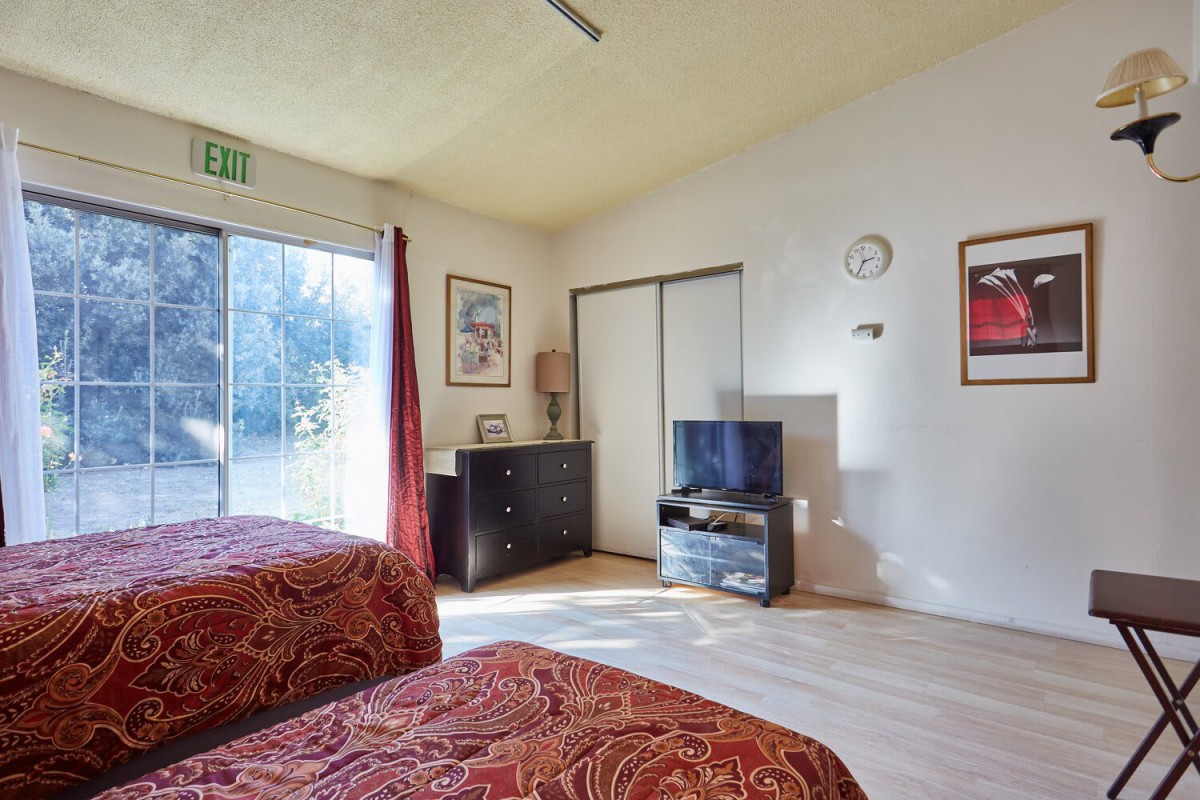
    A cozy bedroom with two beds, a dresser, and a television, featuring natural light from a large sliding door.
  • Trees

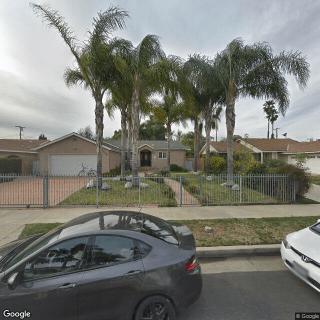
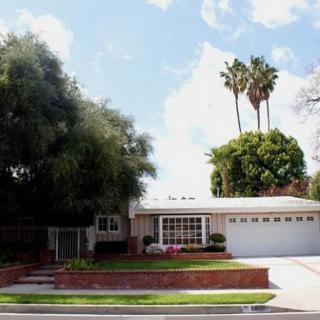
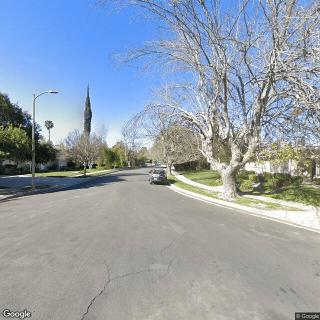
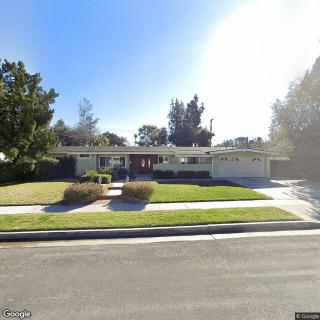
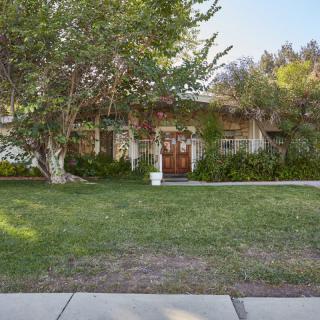
    A suburban house with a grassy front yard and surrounding trees.
  • Windows

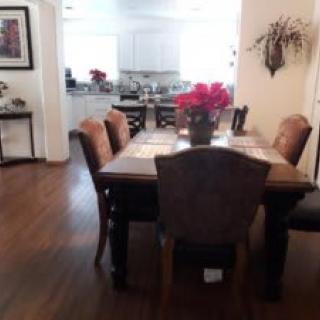
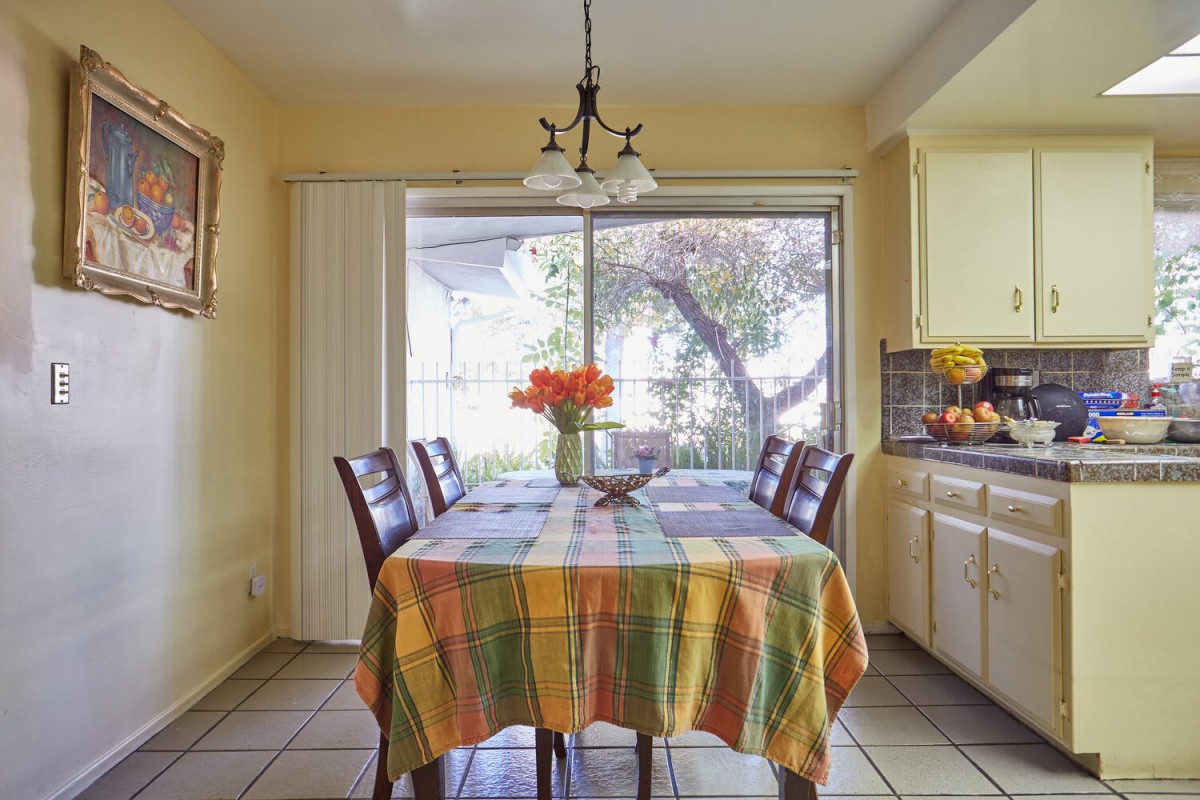
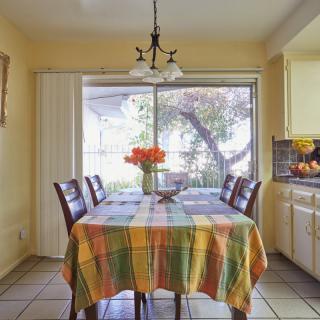
    A cozy dining area with a colorful tablecloth and flowers on the table, well-lit by natural sunlight through large windows.
  • Landscaping

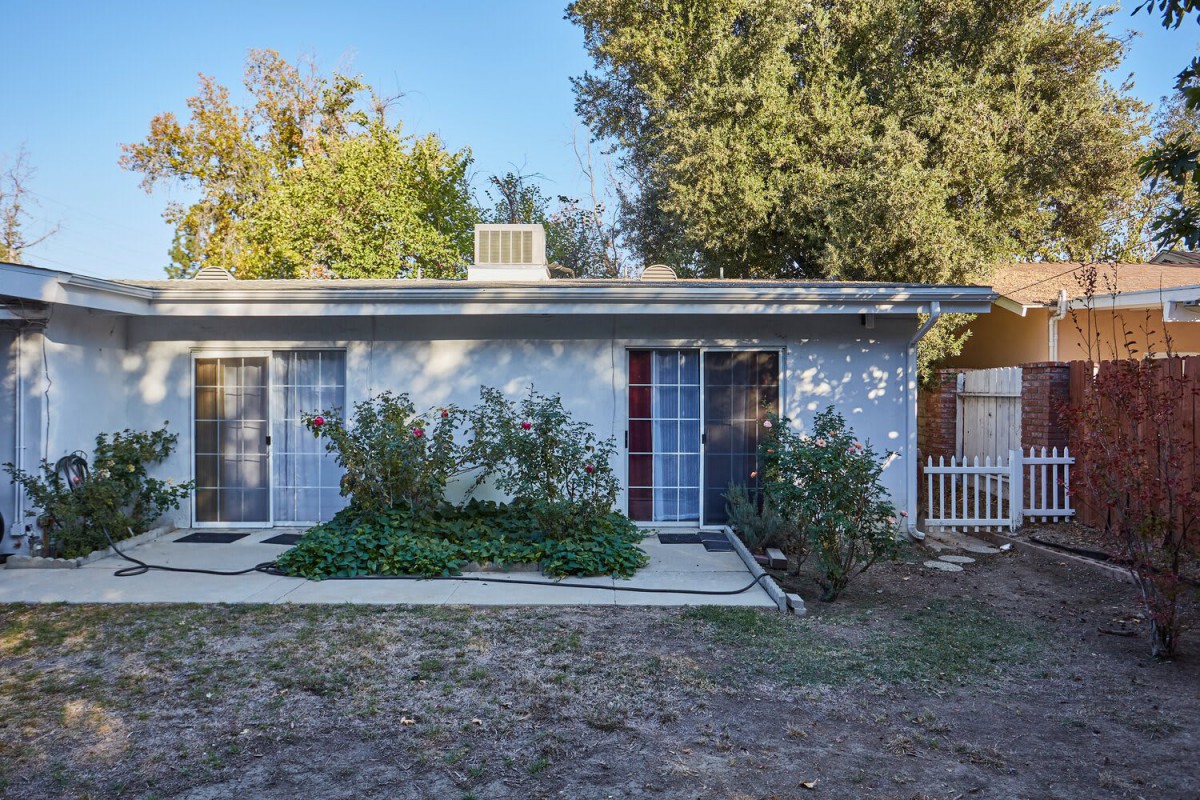
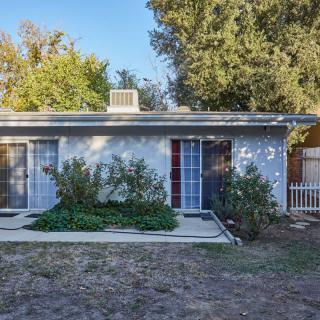
    A small house with a garden in front and surrounded by trees.
  • Lighting

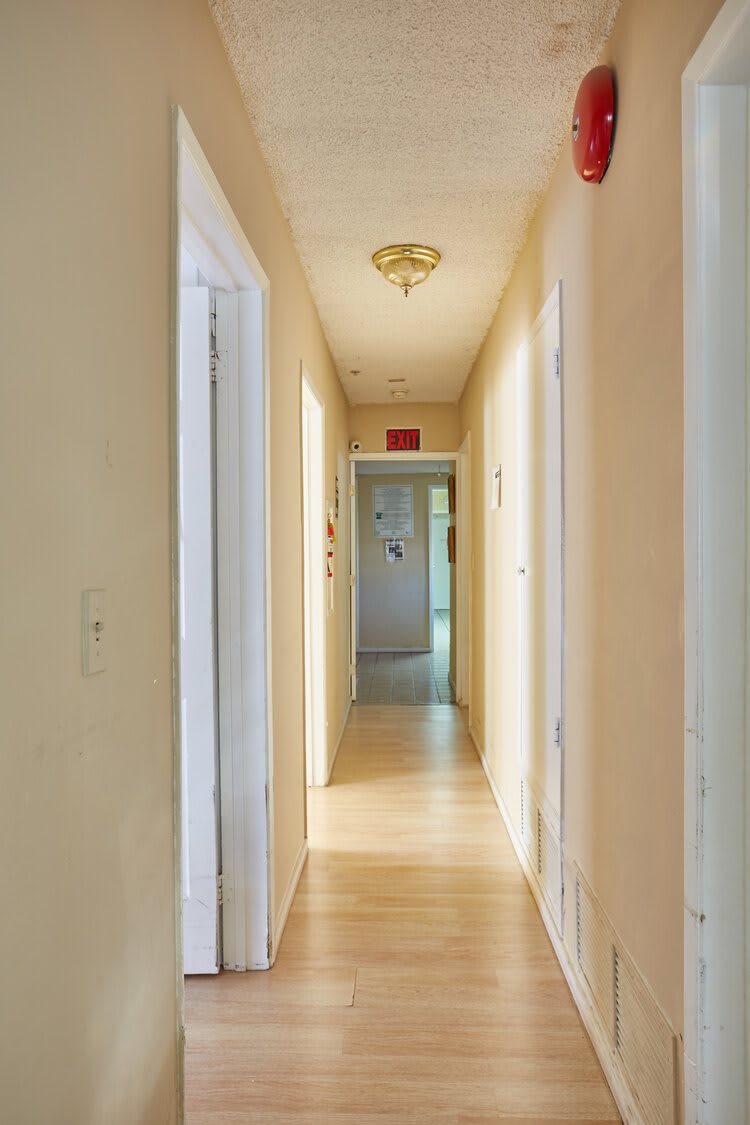
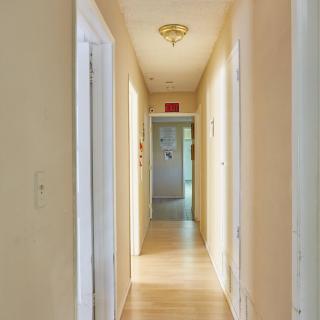
    A well-lit hallway with doors leading to different rooms.
  • Wall Art

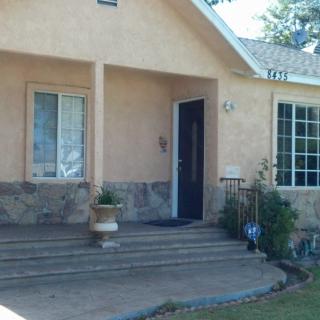
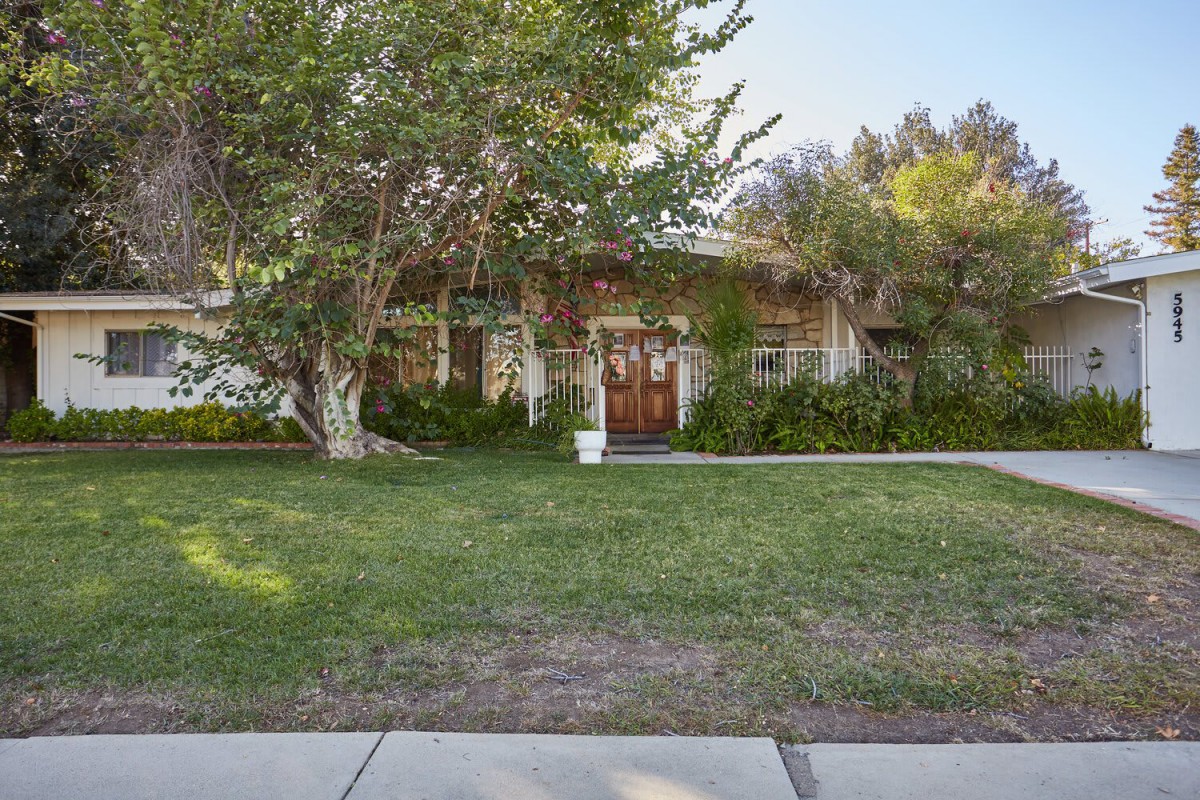
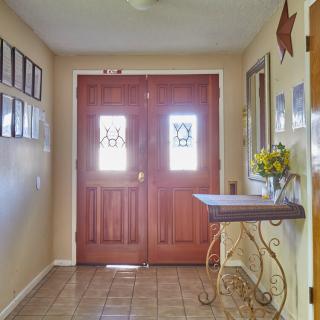
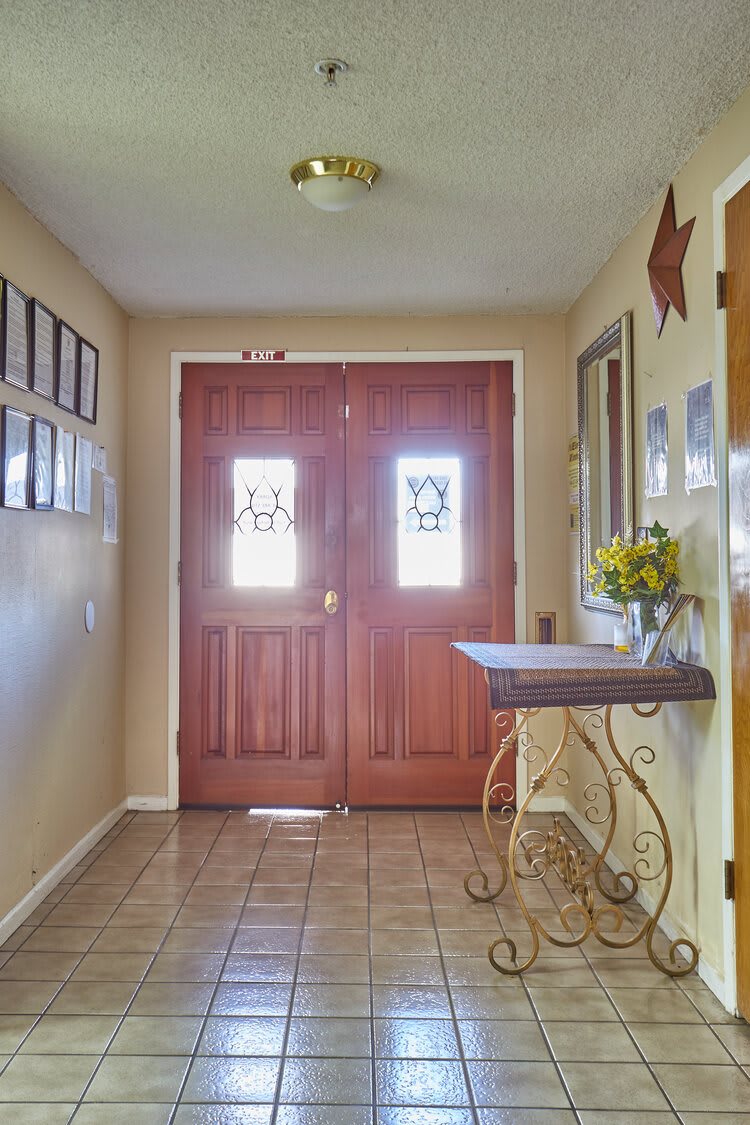
    A welcoming entryway featuring wooden double doors and tasteful decor.

Aaa Jerusalem Star in Woodland Hills, CA

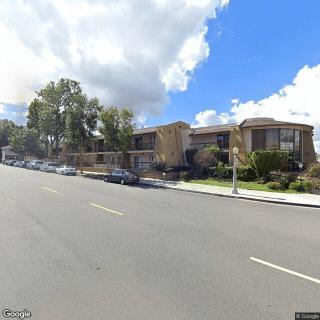
5945 Capistrano Avenue, Woodland Hills, CA 91367

For more information about senior living options: (844) 490-3973

3.7 from 3 reviews
5 stars
2
4 stars
0
3 stars
0
2 stars
0
1 stars
1

Assisted Living Board and Care Home Memory Care

Aaa Jerusalem Star Costs & Pricing

At Aaa Jerusalem Star, the monthly costs for different room types reflect a competitive pricing strategy when compared to both Los Angeles County and the broader California market. For a semi-private room, Aaa Jerusalem Star offers a rate of $3,500, which is slightly higher than the county average of $3,349 and aligns closely with the state average of $3,333. In terms of private accommodations, the facility's charge of $4,500 exceeds both local and state averages of $4,197 and $3,939 respectively. Interestingly, for one-bedroom units, Aaa Jerusalem Star's pricing at $4,600 is in line with the county's average of $4,603 but surpasses the state average of $4,340. This nuanced pricing suggests that while certain options may offer exceptional value locally or statewide, Aaa Jerusalem Star positions itself as a premium choice in key areas.

Floor plansAaa Jerusalem StarLos Angeles CountyCalifornia
Semi-Private$3,500$3,349$3,333
Private$4,500$4,197$3,939
1 Bedroom$4,600$4,603$4,340

Overall Review of Aaa Jerusalem Star

Pros

  • pro The facility started out as a wonderful place.
  • pro The mother is now thriving with the attention and nutrition she needed.
  • pro The facility is nice and clean with perfect care.
  • pro The grandma is currently living in AAA Jerusalem Star facility.
  • pro The food smells delicious.
  • pro The caregivers are very nice and specialized in cooking.
  • pro The owners did a good job.

Cons

  • pro The facility started out wonderful but ended up a nightmare.
  • pro Management and caretakers were inconsistent.
  • pro The mother was being starved to death.
  • pro When they finally got her out, she was down to 78 pounds.
  • pro What was told to be the natural sign of the end of life cycle was not true.

Review

AAA Jerusalem Star in Woodland Hills is best suited for families seeking a quiet, home-like residential setting where cleanliness and security are prominent, and where nutrition and cooking are emphasized as a defining feature of daily care. It suits seniors who want a contained, neighborhood-feel atmosphere and who can rely on a hands-on family member or advocate to monitor daily care, menus, and staffing consistency. In short, it rewards oversight and a preference for a calm ambiance over lofty clinical expectations.

Those who should consider alternatives are seniors with complex medical needs or families unwilling to invest time in ongoing oversight. The reviews point to a stark reality: management and caregiving consistency can vary, and that variability has real consequences. For families prioritizing predictable clinical oversight, transparent staffing patterns, and rigorous accountability, a larger facility or a provider with proven, stable leadership may offer greater peace of mind. The risk profile here is too high for those unable to stay actively engaged in care decisions.

On the upside, the facility presents several tangible strengths. The environment is described as clean and peaceful, with a secure setting that includes fire safety features and a respectable neighborhood context. Caregivers are repeatedly praised for their demeanor and culinary focus; there is a sense that meals and nutrition are treated as a central component of daily life. The owners receive favorable mentions for doing a "good job," and the overall impression is that, when well-managed, the place can deliver on comfort, safety, and attentive, kitchen-centered service. These elements matter, because for many seniors, dignity and nourishment in a quiet, safe space can significantly boost quality of life.

However, the most consequential concerns cannot be dismissed. One account describes a collapse in daily care that culminated in severe weight loss, attributed to inconsistent management and staffing. That narrative casts doubt on the reliability of routine care, supervision, and responsiveness to a resident's changing needs. A single, powerful negative experience like this can redefine the risk calculus, especially for residents whose independence is already fragile or who depend on steady caregiver availability for meals, hydration, and monitoring. The gap between optimistic impressions of quiet security and a destabilizing episode of neglect creates a credibility gap that prospective families must weigh heavily.

In balancing the positives against the major concerns, the decision hinges on risk tolerance and the capacity for active oversight. The clean, secure, and kitchen-focused strengths are meaningful if there is unwavering leadership and reliable staffing. When management is inconsistent, those same advantages quickly lose their value, because nutrition, safety, and daily routines hinge on dependable personnel and clear communication. For a resident who can thrive with periodic family involvement and a transparent, consistent care plan, the facility might be workable. For others, especially those with higher care requirements or limited ability to supervise, the cons likely outweigh the gains.

Practical steps for anyone seriously considering this community include requesting a detailed tour with a focus on daily schedules, meal planning, and caregiver assignments, plus a written outline of how staffing is managed across shifts. Ask to see the current menu cycle, dietary accommodations, and a sample care plan that documents weight monitoring, hydration strategies, and escalation procedures. Interview multiple staff members, and seek recent resident and family references beyond the three public reviews. Most importantly, request an explicit commitment from the administrator about how turnover, caregiver continuity, and meal oversight will be addressed in writing. If those assurances feel uncertain, or if the facility cannot demonstrate consistent, verifiable oversight, it is prudent to favor alternatives where stability and proactive care are clearly embedded in daily operation.

Features

Housing

  • 6 resident community capacity 6 resident community capacity

Types of Care

  • Assisted Living Assisted LivingAssisted living facilities provide crucial support and care for seniors who may need help with daily tasks such as medication management, bathing, and meal preparation. These communities offer a safe and comfortable environment where seniors can maintain their independence while receiving the assistance they need to thrive in their golden years.
  • Board and Care Home Board and Care HomeBoard and care homes provide a smaller, more intimate setting for seniors who require assistance with daily tasks but do not need the level of care offered by a nursing home. They offer personalized care, meals, and social activities in a homelike environment, ensuring that seniors receive individualized attention and support in their golden years.
  • Memory Care Memory CareMemory care is crucial for seniors as it provides specialized support and services for individuals with dementia or Alzheimer's disease. These programs offer a safe and secure environment where residents receive personalized care, cognitive stimulation, and help with daily activities. Memory care helps seniors maintain their independence, quality of life, and dignity while also providing peace of mind for their families.

Amenities

  • Activities off-site Activities off-siteEngaging in off-site activities is crucial for seniors to maintain social connections, stay active, and stimulate their minds. It promotes overall well-being and helps combat feelings of isolation and loneliness.
  • Activities on-site Activities on-siteActivities on-site are important for seniors because they provide opportunities for socialization, mental stimulation, physical activity, and overall well-being. Engaging in activities can help seniors stay active, maintain their independence, and improve their quality of life.
  • Air-conditioning Air-conditioningAir conditioning is important for seniors as they are more vulnerable to heat-related illnesses and may have underlying health conditions that make it difficult for them to regulate their body temperature. It helps to keep them comfortable, safe, and healthy in hot weather.
  • Bath tubs Bath tubsBath tubs are important for seniors because they provide a safe and relaxing way to bathe, helping to prevent slips and falls while promoting independence and overall well-being.
  • Cable or satellite TV Cable or satellite TVCable or satellite TV is important for seniors because it provides entertainment, news, and companionship, helping to combat loneliness and boredom. It also offers a wide range of programming options tailored to different interests and preferences.
  • Devotional services off-site Devotional services off-siteDevotional services off-site are important for seniors as they provide spiritual nourishment, social engagement, and a sense of community outside of the senior living facility. This can enhance overall well-being and help combat feelings of isolation and loneliness often experienced by older adults.
  • Dining room Dining roomDining rooms are important for seniors as they provide a space for socialization, connection, and nutritious meals. They offer opportunities for residents to bond over shared meals, foster a sense of community, and promote healthy eating habits. Dining rooms also ensure that seniors have access to well-balanced meals tailored to their dietary needs and preferences.
  • Fully furnished Fully furnishedFully furnished senior living communities are important for seniors because they provide convenience, comfort, and a hassle-free moving experience. Seniors can easily settle into their new living space without the stress of having to buy and move furniture. This allows them to focus on enjoying their new home and community.
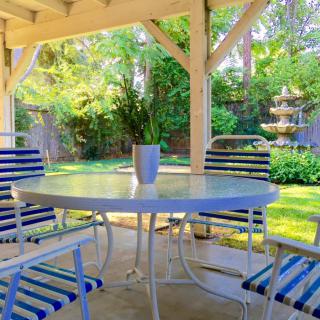
  • Garden GardenGardens are important for seniors as they provide a peaceful and therapeutic environment for relaxation, physical activity, and socialization. Being in nature has been shown to reduce stress, improve mood, and promote overall well-being. Gardens also offer opportunities for seniors to engage in gardening activities, which can improve mobility, flexibility, and cognitive function. Additionally, gardens create a sense of community and connection with others who share a passion for plants and outdoor spaces.
  • Housekeeping services Housekeeping servicesHousekeeping services are important for seniors because they help maintain a clean and safe living environment, promote independence, and reduce the risk of accidents or illnesses. Additionally, having assistance with household chores can alleviate physical strain and allow seniors to focus on other aspects of their well-being.
  • Indoor common areas Indoor common areasIndoor common areas are crucial for seniors as they provide a space for socialization, recreation, and community engagement, promoting overall well-being and reducing feelings of isolation and loneliness.
  • Move-in coordination Move-in coordinationMove-in coordination is important for seniors because it helps ease the transition into their new living environment. It ensures that all logistics, such as packing, organizing movers, and setting up utilities are taken care of, allowing seniors to focus on settling in and adjusting to their new home. Having a smooth move-in process can alleviate stress and anxiety, making the transition smoother and more enjoyable for seniors.
  • Outdoor common areas Outdoor common areasOutdoor common areas are important for seniors as they provide a space for socialization, physical activity, and relaxation. Being outside in nature can improve mood and overall well-being, while also encouraging movement and engagement with others. These spaces can help combat feelings of isolation and promote a sense of community among residents.
  • Outdoor space Outdoor spaceOutdoor spaces are important for seniors as they provide opportunities for physical activity, social interaction, exposure to natural light and fresh air, and a sense of connection to nature. Having access to outdoor spaces can improve overall well-being and quality of life for older adults living in senior communities.
  • Private PrivatePrivacy is important for seniors as it allows them to maintain their independence, dignity, and sense of control over their own lives. It also gives them the space and freedom to relax, reflect, and engage in activities that bring them joy and fulfillment. Creating private spaces within senior living facilities is crucial for promoting overall well-being and quality of life.
  • Private bathrooms Private bathroomsPrivate bathrooms are important for seniors in senior living communities because they provide independence, dignity, and comfort. Having a private bathroom allows seniors to maintain their personal hygiene routines without the need for assistance, promoting a sense of autonomy and privacy. Additionally, private bathrooms help prevent the spread of infections and provide a safe and clean environment for seniors to navigate safely.
  • Respite or short term stays offered Respite or short term stays offeredRespite or short term stays provide seniors with a temporary solution when their regular caregiver is unavailable, offering them the opportunity to receive additional care and support during times of need, while also giving caregivers a chance to rest and recharge.
  • Telephone TelephoneTelephones are important for seniors as they provide a lifeline for communication with loved ones, emergency services, and healthcare providers. They offer a sense of security and independence, enabling seniors to stay connected and access assistance when needed.
  • Wheelchair accessible showers Wheelchair accessible showersWheelchair accessible showers are crucial for seniors as they provide a safe and independent bathing option for those with mobility challenges. These showers help prevent falls and allow seniors to maintain their dignity and autonomy while ensuring they can bathe comfortably.
  • Wi-Fi/high-speed internet available Wi-Fi/high-speed internet availableWi-Fi/high-speed internet is important for seniors to stay connected with loved ones, access online resources, and participate in virtual activities to combat feelings of loneliness and isolation. It also allows them to easily manage healthcare needs, access entertainment, and engage in lifelong learning opportunities.

Transportation

  • Burbank-Glendale-Pasadena (15 miles away) Burbank-Glendale-Pasadena (15 miles away)
  • Los Angeles International (20 miles away) Los Angeles International (20 miles away)

Care Services

  • 24-hour supervision 24-hour supervision24-hour supervision is important for seniors to ensure their safety, well-being, and access to immediate assistance in case of emergencies or health issues. This constant support provides peace of mind for both seniors and their loved ones, allowing them to age in place with dignity and security.
  • Activities of daily living assistance Activities of daily living assistanceActivities of daily living assistance are important for seniors because they provide essential support with tasks such as eating, bathing, dressing, and mobility. This assistance helps seniors maintain their independence, dignity, and overall quality of life as they age.
  • Ambulatory care Ambulatory care"Ambulatory care services provide essential medical support and treatment to seniors without requiring hospitalization, allowing them to maintain their independence and quality of life while managing chronic conditions or receiving routine medical care."
  • Assistance with bathing Assistance with bathingAssistance with bathing is crucial for seniors as it helps maintain personal hygiene, prevents infections, and ensures their overall well-being and comfort. It also provides a sense of dignity and independence for seniors who may struggle with this task on their own.
  • Assistance with dressing Assistance with dressingAssistance with dressing is important for seniors because it helps maintain their independence, promotes personal hygiene, prevents accidents and injuries, and improves overall quality of life. This service ensures that seniors can continue to dress comfortably and confidently, despite any physical limitations they may have.
  • Assistance with transfers Assistance with transfersAssistance with transfers is crucial for seniors as it helps prevent falls and injuries, maintains their independence, and ensures they can safely navigate their living environment. It also provides peace of mind for both seniors and their loved ones.
  • Coordination with health care providers Coordination with health care providersCoordination with health care providers is crucial for seniors to ensure proper medical care, medication management, and overall well-being. This collaboration helps prevent overlapping treatments, track progress more effectively, and provide comprehensive support tailored to individual needs.
  • Diabetes diet Diabetes dietA diabetes diet is crucial for seniors as it helps manage blood sugar levels, reduce risks of complications, and improve overall health and well-being. By following a balanced and nutritious diet tailored to their specific needs, seniors can better control their diabetes and enhance their quality of life.
  • Diabetic care Diabetic careDiabetic care is crucial for seniors as they are more susceptible to developing diabetes due to aging and other health conditions. Proper management of diabetes can help prevent complications such as heart disease, vision loss, and nerve damage, improving the overall quality of life for seniors in senior living communities.
  • High acuity care High acuity careHigh acuity care is important for seniors because it provides specialized medical attention and support for individuals with complex medical needs. This level of care ensures that seniors receive the appropriate treatment and assistance to maintain their health and quality of life as they age.
  • Incontinence care Incontinence careIncontinence care is essential for seniors to maintain their dignity, hygiene, and overall quality of life. By addressing incontinence issues promptly and effectively, seniors can enjoy a sense of independence and comfort in their daily activities.
  • Meal preparation and service Meal preparation and serviceMeal preparation and service are crucial for seniors as they may have limited mobility or energy to cook nutritious meals. Having access to healthy and convenient food options can ensure they are getting the proper nutrition needed to maintain their overall health and well-being.
  • Medication management Medication managementMedication management is crucial for seniors to ensure they are taking the right medications at the correct dosages and times. This helps prevent adverse drug interactions, reduces the risk of medication errors, and promotes overall health and well-being. Proactive management also allows for adjustments as needed based on changing health conditions or new prescriptions.
  • Special dietary restrictions Special dietary restrictionsSpecial dietary restrictions are important for seniors because age-related changes in metabolism and health conditions can make it difficult for their bodies to process certain foods. By following a diet tailored to their specific needs, seniors can maintain their overall health and well-being, manage chronic conditions, and reduce the risk of complications such as malnutrition or food interactions with medications.
  • Transportation arrangement (medical) Transportation arrangement (medical)Transportation arrangements for medical purposes are essential for seniors as they may have difficulty driving themselves to appointments or accessing public transportation. Having reliable and safe transportation options ensures that seniors can receive timely medical care and maintain their health and well-being.
  • Transportation to doctors appointments Transportation to doctors appointmentsTransportation to doctors' appointments is crucial for seniors as it ensures they have access to necessary medical care and support for their health needs. Without reliable transportation, seniors may struggle to attend important appointments, leading to potential delays in treatment and health complications. Providing transportation services helps seniors maintain their overall well-being and quality of life.
Dining

  • Anytime dining Anytime diningAnytime dining is important for seniors because it allows them the flexibility to eat when they are hungry, rather than being restricted to set meal times. This can be especially beneficial for those with medical conditions or medications that affect their appetite, as well as those who may have difficulty adhering to a strict dining schedule. Overall, anytime dining promotes independence and overall well-being for seniors in senior living communities.
  • Diabetes diet Diabetes dietA diabetes diet is crucial for seniors as it helps manage blood sugar levels, reduce risks of complications, and improve overall health and well-being. By following a balanced and nutritious diet tailored to their specific needs, seniors can better control their diabetes and enhance their quality of life.
  • International cuisine International cuisineInternational cuisine is important for seniors because it offers a variety of flavors, ingredients, and cultural experiences that can help keep their meals interesting and enjoyable. Trying new dishes can also stimulate the senses and provide different nutrients that contribute to overall health and well-being. Additionally, exploring international cuisine can bring back fond memories of travels or childhood experiences, making mealtime more nostalgic and fulfilling for seniors.
  • Low / no sodium Low / no sodiumLow/no sodium options are important for seniors because excessive sodium intake can lead to high blood pressure, heart disease, and other health issues commonly experienced by older adults. By choosing low/no sodium foods, seniors can better manage their health and reduce their risk of developing these conditions.
  • Meals provided Meals provided"Meals provided" are crucial for seniors in assisted living communities as it ensures they have access to nutritious, balanced meals without the stress of meal planning and preparation. This can help promote overall health and well-being for seniors who may have limited mobility or cognitive abilities.
  • No Sugar No SugarNo sugar diets are important for seniors because they can help prevent or manage chronic conditions such as diabetes, heart disease, and obesity. Sugar can also contribute to cognitive decline and inflammation in the body, so reducing sugar intake can lead to overall improved health and well-being in older adults.
  • Room service Room serviceRoom service is important for seniors in a senior living community because it provides convenience and allows them to have their meals delivered directly to their room. This can be especially beneficial for seniors who may have mobility issues or difficulty accessing the dining area. Room service ensures that seniors are able to receive nutritious meals without having to navigate through the facility, allowing them to maintain their independence and overall well-being.
  • Special dietary restrictions Special dietary restrictionsSpecial dietary restrictions are important for seniors because age-related changes in metabolism and health conditions can make it difficult for their bodies to process certain foods. By following a diet tailored to their specific needs, seniors can maintain their overall health and well-being, manage chronic conditions, and reduce the risk of complications such as malnutrition or food interactions with medications.
  • Vegetarian VegetarianA vegetarian diet is important for seniors because it can help lower the risk of chronic diseases, maintain a healthy weight, and provide essential nutrients needed for aging bodies. Additionally, plant-based diets are often easier on digestive systems and can contribute to overall well-being in older adults.

Activities

  • Activities off-site Activities off-siteEngaging in off-site activities is crucial for seniors to maintain social connections, stay active, and stimulate their minds. It promotes overall well-being and helps combat feelings of isolation and loneliness.
  • Activities on-site Activities on-siteActivities on-site are important for seniors because they provide opportunities for socialization, mental stimulation, physical activity, and overall well-being. Engaging in activities can help seniors stay active, maintain their independence, and improve their quality of life.
  • Community-sponsored activities Community-sponsored activitiesCommunity-sponsored activities are important for seniors as they provide opportunities for social interaction, mental stimulation, and physical activity. These activities can help improve overall well-being, combat loneliness and isolation, and promote a sense of belonging and purpose among older adults.
  • Devotional activities offsite Devotional activities offsiteDevotional activities offsite are important for seniors because they provide social engagement, spiritual growth, and a sense of community outside of their living environment. This can improve overall well-being, mental health, and combat feelings of isolation or loneliness.
  • Scheduled daily activities Scheduled daily activitiesScheduled daily activities are important for seniors because they provide structure, socialization, mental stimulation, and physical activity. Engaging in regular activities can improve overall well-being and quality of life for seniors living in a community setting.

Description

The Aaa Jerusalem Star in Woodland Hills, CA is an assisted living community that offers a warm and inviting environment for seniors. With a focus on board and care home services as well as memory care, this facility provides personalized support to meet the unique needs of each resident.

The community offers a range of amenities designed to enhance the quality of life for residents. Activities are provided on-site to promote engagement and socialization among residents. Air-conditioning ensures comfort throughout the year, and private bathrooms provide privacy and convenience. Cable or satellite TV is available for entertainment, while devotional services off-site cater to spiritual needs. Fully furnished accommodations create a cozy and comfortable living space, and housekeeping services ensure cleanliness.

Indoor and outdoor common areas provide spaces for relaxation and socialization with other residents. The beautiful garden offers a tranquil setting for leisurely strolls or enjoying nature. Wi-Fi/high-speed internet access is available for staying connected with loved ones.

Care services at Aaa Jerusalem Star include assistance with activities of daily living such as bathing, dressing, and transfers, allowing residents to maintain their independence while receiving needed support. The coordination with health care providers ensures comprehensive care management. Specialized diabetic care is available, including diabetes diet options.

Dining at the community is varied and accommodating to individual dietary needs. Residents can enjoy international cuisine along with options suitable for special dietary restrictions such as low/no sodium meals or vegetarian choices. Room service is also provided for added convenience.

A variety of activities are offered on-site as well as community-sponsored activities off-site, providing opportunities for recreation and stimulation. Devotional activities offsite allow residents to engage in their preferred religious practices. Scheduled daily activities keep residents engaged and entertained.

The location of Aaa Jerusalem Star in Woodland Hills allows easy access to nearby cafes, parks, pharmacies, physicians, and restaurants, ensuring that residents have convenient amenities close by.

Overall, Aaa Jerusalem Star aims to provide a supportive and engaging environment that meets the needs and preferences of its residents, while offering a comfortable and enjoyable lifestyle.

Nearby Places of Interest

This part of Woodland Hills, California, offers a convenient and diverse range of amenities for senior living. With a variety of restaurants nearby such as Chick-Fil-A, McDonald's, and Ruth's Chris Steak House, there are plenty of dining options to choose from. Additionally, there are several cafes including multiple Starbucks locations for enjoying coffee and socializing. The area also has several pharmacies for easy access to prescription medications. For healthcare needs, there are reputable physicians and medical facilities such as UCLA Health Woodland Hills and the Center For Orthopaedic Specialists within close proximity. Residents can enjoy outdoor activities at nearby parks like Shadow Ranch Park and Lake Calabasas. Overall, this neighborhood provides a well-rounded environment with accessibility to essential services for seniors looking to settle in the area.

Restaurants

  • Chick-Fil-A (0.7 miles)
  • McDonald's (0.8 miles)
  • Wokcano (0.8 miles)
  • Ruth's Chris Steak House (0.8 miles)
  • Veggie Grill (0.8 miles)
  • Joey Woodland Hills (0.9 miles)
  • Subway (0.9 miles)

Cafes

  • Starbucks (0.7 miles)
  • Starbucks (0.9 miles)
  • Starbucks (1.1 miles)
  • Winnetka Bowl (2.8 miles)
  • Porto's Bakery & Cafe (5.2 miles)
  • Starbucks (5.3 miles)
  • Starbucks (6.5 miles)

Pharmacies

  • CVS Pharmacy (0.8 miles)
  • CVS Pharmacy (0.9 miles)
  • Rite Aid (1.5 miles)
  • CVS Pharmacy (1.7 miles)
  • New Albertson's (1.8 miles)
  • Walgreens (2.1 miles)
  • CVS Pharmacy (2.2 miles)

Physicians

  • UCLA Health Woodland Hills (0.9 miles)
  • Liberty Pacific Advanced Imaging | West Hills (1.7 miles)
  • Center For Orthopaedic Specialists (1.8 miles)
  • Evan Bachner Evan J Bachner MD (1.8 miles)
  • Providence Medical Institute West Hills OB-GYN (1.9 miles)
  • West Valley Medical Aesthetics (7.6 miles)
  • Be Hive of Healing Integrative Medical & Dental Center (7.7 miles)

Parks

  • Shadow Ranch Park (1.1 miles)
  • Lake Calabasas (2 miles)
  • Serrania Park (2.2 miles)
  • Top of Topanga Overlook (2.9 miles)
  • Castle Peak Park (2.9 miles)
  • Parthenia Park (3.5 miles)
  • Encino Bike Path (5.8 miles)

Theaters

  • AMC Porter Ranch 9 (7.3 miles)

Transportation

  • Van Nuys Airport (VNY) (7.3 miles)
  • Van Nuys FlyAway Bus Terminal to LAX (8 miles)

Frequently Asked Questions

How much does it cost to live at Aaa Jerusalem Star in Woodland Hills, CA?
Where is Aaa Jerusalem Star?
Does Aaa Jerusalem Star provide care for residents with dementia or Alzheimer's disease?
What photos are available for Aaa Jerusalem Star in Woodland Hills, California?

Nearby Communities

  • The Kentland House

    The Kentland House

    Woodland Hills, CA

    4.9 from 22 reviews
    $6,500 to $7,000 / month

    pro Specialized memory-care with attentive staff, clean facilities, and personalized, family-focused care.

  • Clarendon Senior Living 2

    Clarendon Senior Living 2

    Woodland Hills, CA


    pro Personalized care with daily activities and healthcare coordination.

  • Natural Life Assisted Living

    Natural Life Assisted Living

    Woodland Hills, CA

    5 from 6 reviews
    $4,500 to $5,000 / month

    pro Attentive, owner-led care with personalized plans and home-cooked meals.

  • Flair Manor

    Flair Manor

    Woodland Hills, CA

    5 from 3 reviews
    $4,000 / month

    pro Small, home-like setting with compassionate, individualized care and a clean, welcoming environment.

  • Jeffery Hall

    Jeffery Hall

    Woodland Hills, CA


    pro Excellent location with easy access to cafes, parks, pharmacies, physicians, and restaurants.

  • Shalom Elderly Care 5

    Shalom Elderly Care 5

    Woodland Hills, CA


    pro Small, intimate setting with personalized care

  • Shalom Elder Care

    Shalom Elder Care

    Woodland Hills, CA

    3.7 from 3 reviews
    $2,595 to $6,595 / month

    pro Caring, patient staff; supportive owner; clean, peaceful environment; smooth onboarding and social atmosphere.

  • The Variel of Woodland Hills

    The Variel of Woodland Hills

    Woodland Hills, CA

    4.1 from 60 reviews
    $7,200 to $9,200 / month

    pro Beautiful, well-equipped facility with high-quality dining and diverse activities.

  • Inn At The Park Ventura

    Inn At The Park Ventura

    Woodland Hills, CA

    3.8 from 107 reviews
    $2,300 / month

    pro Caring staff, good meals, and on-site activities in a well-maintained setting with transportation support.

Related Resources

  • in home dementia care costsEstimating the Expenses of At-Home Dementia Care: A Detailed Exploration

    At-home dementia care expenses vary widely based on care levels, location, and caregiver expertise, with monthly costs for home health aides exceeding $4,500 and specialized care potentially surpassing $100,000 annually. While families favor in-home care for its comfort and personalized attention, they must consider financial planning and the challenges of caregiver fatigue.

  • end stage dementiaComprehensive Insights on the Late Stages of Dementia: What to Expect and How to Provide Care

    The article discusses the late stages of dementia, detailing the progression from mild to severe impairment and highlighting key characteristics such as profound cognitive decline and dependency in daily activities. It emphasizes care strategies focused on comfort and dignity, the importance of advance directives, and the emotional support needed for family caregivers facing this challenging journey.

  • list of drugs linked to dementiaMedications Associated with Dementia Risk: A Comprehensive Overview
    The article examines the link between certain medications and increased dementia risk, particularly in older adults, emphasizing that long-term or high-dose use of anticholinergics, benzodiazepines, and other drug classes can exacerbate cognitive impairment. It calls for careful medication evaluation and shared decision-making to mitigate these risks while managing treatment efficacy.