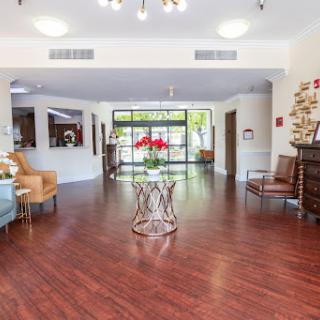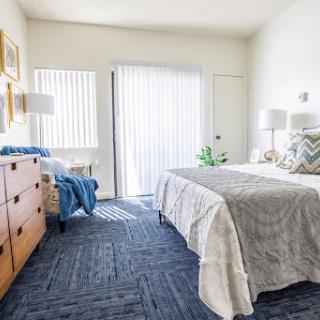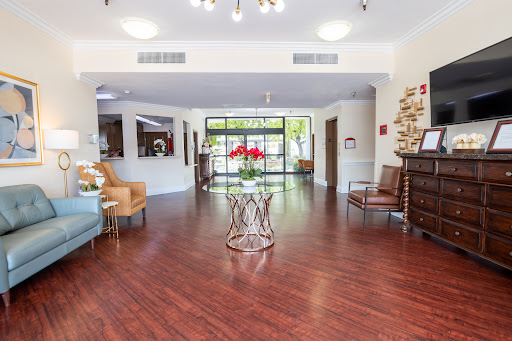
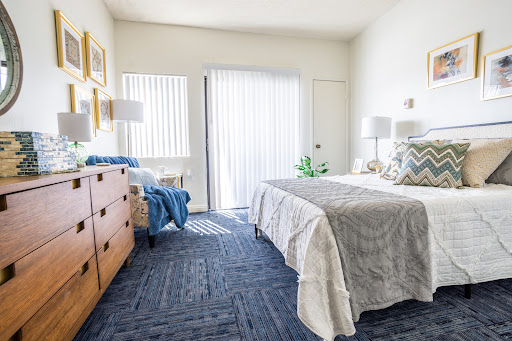
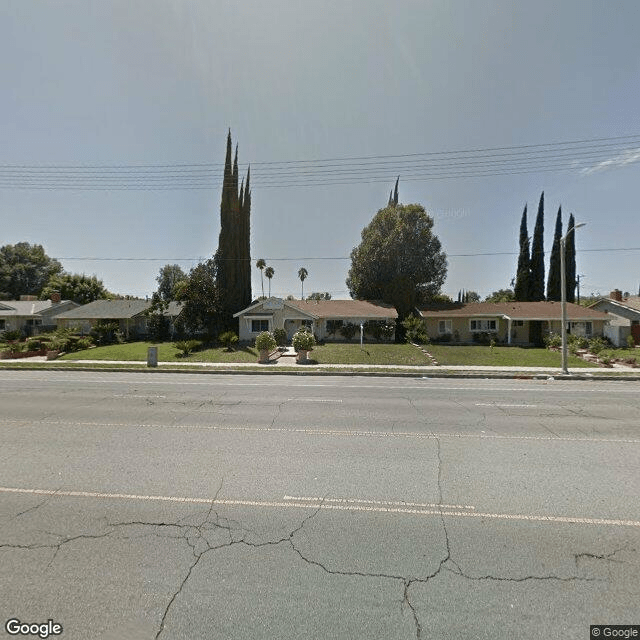
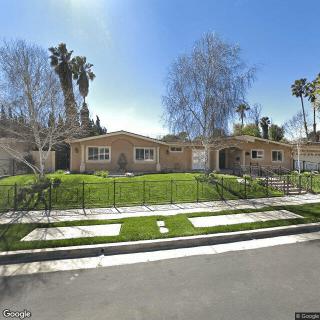
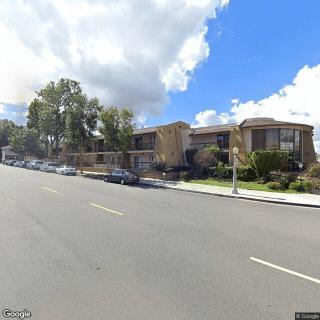
6909 Fallbrook Ave, West Hills, CA 91307
To contact a resident: (818) 800-9970
For more information about senior living options: (866) 208-4318
Assisted Comfort Home 2 Costs & Pricing
Assisted Comfort Home 2 offers competitive pricing for its services compared to the broader market in Ventura County and across California. For a semi-private room, residents can expect to pay $3,000 per month, which is notably lower than the county average of $3,438 and the state average of $3,333. In terms of private rooms, Assisted Comfort Home 2 charges $5,000 monthly; while this is above the Ventura County average of $4,082 and the California average of $3,939, it reflects the enhanced level of personalized care provided. Lastly, studio accommodations are priced at $6,000 per month - higher than both Ventura County and state averages of $4,021 and $4,145 respectively. Overall, while some costs align with or exceed regional benchmarks, Assisted Comfort Home 2 remains an appealing option for those seeking quality assisted living facilities in a supportive environment.
| Floor plans | Assisted Comfort Home 2 | Ventura County | California |
|---|---|---|---|
| Semi-Private | $3,000 | $3,438 | $3,333 |
| Private | $5,000 | $4,082 | $3,939 |
| Studio | $6,000 | $4,021 | $4,145 |
Memory care communities with a similar price nearby
-
from +$500 / mo
Paradise Senior Living 1
$3,500 to $4,500 / month6.2 miles away -
from -$250 / mo
Dignity Care Home 1
$2,750 to $4,150 / month10.1 miles away -
from +$500 / mo
Hollywood Healthy Living
$3,500 to $5,000 / month18.1 miles away -
from +$500 / mo

California Senior Of Sherman Oaks
$3,500 to $4,000 / month12.1 miles away -
About the same
Navita Residence Edgemont Drive
$3,000 / month22.2 miles away
Overall Review of Assisted Comfort Home 2
Pros
 She was well taken care of from the moment she arrived.
- She is very easy to work with.
- She is always calm and patient.
- Her staff reflects the kindness and care she exhibits.
- The facility is highly recommended.
Review
Assisted Comfort Home 2 in West Hills, CA is best suited for families seeking a small, intimate assisted-living option where a hands-on, calm staff can manage daily care with a personal touch. The testimonial suggests a smooth onboarding experience and a team that communicates well with families from the moment a new resident arrives. This environment appears to reward quiet, predictable routines and a culture of approachability, which can be comforting for seniors who respond well to patient, steady caregiving.
Those weighing alternatives should note that this facility may not be the best fit for families prioritizing heavy medical oversight, aggressive rehabilitation programs, or specialized memory-care services. If a resident requires frequent on-site clinical care, complex nursing needs, or a robust slate of memory-support programming, it is prudent to explore other communities with explicit dementia care certifications, higher nurse-to-resident ratios, and documented clinical protocols. Price transparency and a clear outline of included services are also worth confirming before deciding.
The primary strengths highlighted by the review are the warmth and effectiveness of the care team. A resident arriving well cared for implies solid intake processes, consistent attention, and reliable hands-on support. The ability to work with staff easily points to clear communication channels, flexible scheduling, and a management style that prioritizes family collaboration. The caregiver’s calm and patient demeanor, paired with staff kindness, suggests a nurturing atmosphere where daily tasks are performed with dignity and respect. This combination can translate into lower stress for both resident and family, particularly during transitions and routine care planning.
Yet, the data is narrowly scoped, with no detail on critical operational specifics. There is no public indication of clinical staffing levels, nursing availability around the clock, memory-care capabilities, safety features, menu quality, activity programming, transportation options, or the exact pricing structure. A single positive testimonial leaves questions about consistency across shifts, weekend coverage, and long-term outcomes. Potential residents would do well to verify these elements through direct inquiries and a formal tour to avoid overestimating what “great care” might look like on a broader scale.
These pros offset certain concerns for families who prize relational care and ease of collaboration. For seniors who value a homey feel, predictable routines, and staff who communicate calmly and kindly, the positives can translate into meaningful daily peace of mind. However, the absence of documented clinical rigor and program diversity means that this setting may not fulfill expectations for those needing advanced medical management or intensive cognitive support. The gap between a laudable, compassionate veneer and verifiable service complexity should be assessed before any commitment.
To make a prudent decision, schedule a comprehensive visit and use a structured checklist. Request to meet direct caregivers and the administrator, observe a mealtime and activity period, and assess safety features and cleanliness throughout the facility. Obtain a transparent, itemized price quote and a sample care plan that shows how each resident’s changing needs would be addressed over time. Ask for references and, if possible, speak with families whose loved ones have been there longer. Compare these findings with a couple of other nearby communities to determine where the strongest alignment lies between care philosophy, clinical capability, and the resident’s everyday experience.
 Board and Care Home
 Memory Care
 Dogs allowed
 Activities on-site
 Beautician on-site
 Devotional services off-site
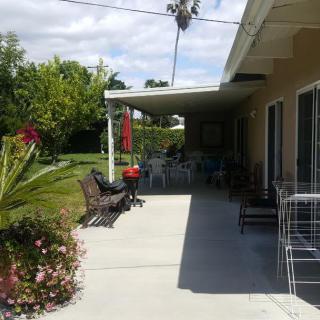
 Indoor common areas
 Private
 Swimming pool / hot tub
 Wheelchair accessible showers
 Burbank-Glendale-Pasadena (17 miles away)
 Diabetic care
 Medication management
 Meals provided

 Comprehensive Insights on the Late Stages of Dementia: What to Expect and How to Provide Care
 Medications Associated with Dementia Risk: A Comprehensive Overview
 Guiding Your Journey: Understanding Power of Attorney for Elderly Parents