
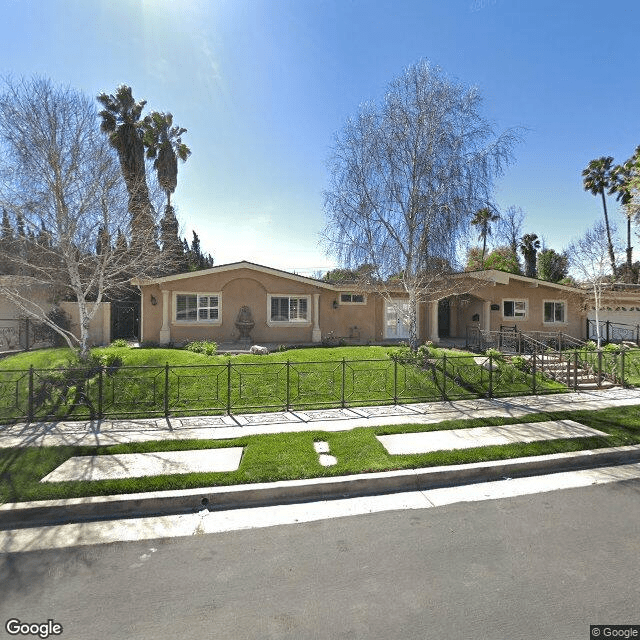
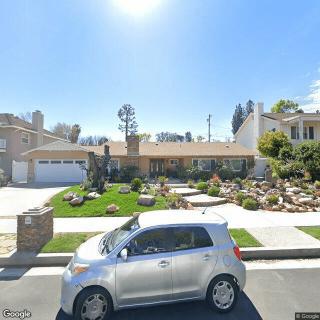
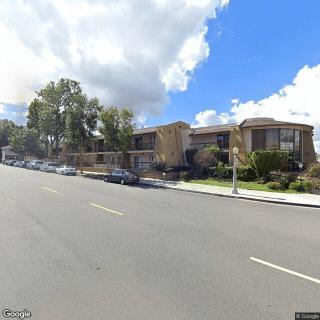
24312 Caris Street, Woodland Hills, CA 91367
For more information about senior living options: (866) 208-4318
Chateau Le Petite III Costs & Pricing
At Chateau Le Petite III, the monthly cost for a private room is set at $6,000, which positions it above both Los Angeles County and the broader California average. In comparison, residents in Los Angeles County typically spend around $4,197 for similar accommodations, while the state average rests even lower at approximately $3,939. This premium pricing reflects Chateau Le Petite III's commitment to providing a unique living experience that may include enhanced amenities or personalized services that distinguish it from other facilities in the region. The investment in this lifestyle highlights the value placed on quality care and an enriching environment for its residents.
| Floor plans | Chateau Le Petite III | Los Angeles County | California |
|---|---|---|---|
| Private | $6,000 | $4,197 | $3,939 |
Assisted Living communities with a similar price nearby
-
from -$500 / mo
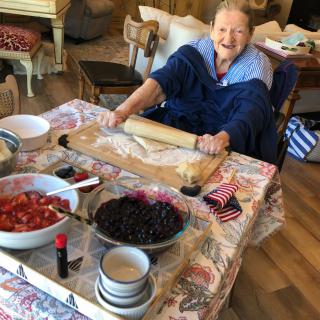
Blue Skies Ranch
$5,500 / month5.5 miles away -
from -$1000 / mo
Just Like Home
$5,000 / month14.3 miles away -
from -$1000 / mo
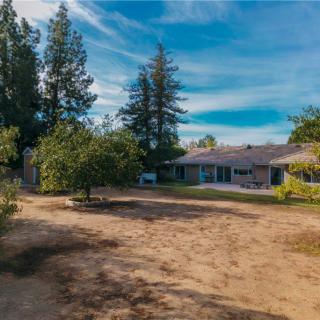
A Caring Touch Board and Care
$5,000 / month7.2 miles away -
About the same
Comfort Home for the Elderly
$6,000 to $6,500 / month16.6 miles away -
from +$1000 / mo
Atria Tarzana
$7,000 to $11,200 / month7.2 miles away
Overall Review of Chateau Le Petite III
Pros
 They would give Chateau Le Petite five stars and have no complaints.
- They are happy with their loved one being there, describing the staff as very nice.
- Their experience has been very good thus far.
- The staff are wonderful, caring, and attentive to residents' needs.
- There is good communication with families.
- The care from the staff has been excellent, with everyone being very caring and compassionate during Mom's last months.
- Chateau Le Petite has more staff than many facilities, which makes a big difference in the level of care.
- The staff do a great job caring for residents with challenging needs.
- Dexter, the house manager, is commended for running a well-run and exceptionally clean facility.
- Owners Belinda and Michael are commendable.
Review
Chateau Le Petite III in Woodland Hills is best suited for families seeking deeply personalized, compassionate care in a small, well-run board-and-care setting. It serves seniors who require steady hands-on attention, including residents with cognitive challenges or complex medication needs, and those who value consistent communication with a stable caregiving team. The facility earns trust through a demonstrated pattern of attentiveness, cleanliness, and a leadership style that emphasizes hands-on oversight. In practice, families report that the staff are consistently kind and present, creating a sense of security for both residents and loved ones who need regular updates and reassurance. For households that prioritize intimate, relationship-driven care, this community checks the right boxes.
Who may want to consider alternatives? If the priority is robust medical oversight from on-site clinicians, access to a broad menu of amenities, or a large campus with extensive programming and social opportunities, a larger assisted living community may serve better. Small facilities like Chateau Le Petite III excel in daily caregiving and medication management, but they typically rely on external professionals for specialized services. For residents whose medical needs are exceptionally high or who require a formal memory-care program with a defined footprint, a facility with a larger staff and more structured resources may reduce risk and provide more options.
From the reviews, the most compelling pros are clear and consequential. Staff are described as wonderfully caring and attentive to each resident’s needs, with the added advantage of a higher staff-to-resident ratio than many competitors. The care team handles complicated medication schedules with competence, even in cases of cognitive impairment, and communicates well with families, which alleviates the anxiety that comes with ongoing care. The facility is noted for being well run and exceptionally clean, with Dexter, the house manager, singled out as a standout leader. Owners Belinda and Michael are praised for shepherding a culture of professionalism and warmth. When these strengths are weighed against the limitations of a smaller setting, the positives offer tangible, offsetting protection against major downsides.
Care experiences described across the reviews emphasize continuity and trust. One resident has thrived in the environment despite extensive needs, including challenging medication schedules; another family member speaks to the compassionate care delivered in the final months, a testament to staff stability and empathy. The presence of a robust team, more staff than most board-and-care facilities, translates into more individualized attention, faster response times, and closer daily monitoring. Cleanliness and a well-run operation contribute to a sense of order that reduces stress for families during transitions. In short, the practical benefits, reliable caregivers, clear communication, and a tidy, well-managed setting, directly address the core concerns families bring to this decision.
One ongoing theme is the emphasis on staff stability and personality fit. For families seeking large-scale activities or a campus environment, the more intimate setting may feel restricted. Yet those same constraints are precisely what enable the staff to know residents deeply, coordinate with families, and respond with genuine immediacy. Prospective residents should inquire about current staffing levels across day and night shifts, the availability of trained medication aides, and how care plans adapt as needs evolve. The owners’ hands-on involvement and the house manager’s active role are evident strengths, but verification of the intended level of medical oversight remains essential to ensure alignment with expectations for a loved one.
Bottom line: Chateau Le Petite III is a practical, strong choice for families prioritizing intimate, high-quality daily care, especially when dementia or complex medication routines are involved. It shines where smaller settings excel: staff responsiveness, consistent communication, clean environments, and compassionate leadership. Alternatives are more appropriate for families seeking expansive amenities, robust on-site medical programs, or a broader array of activities and services. Prospective buyers should schedule a direct visit, observe interactions with residents, and discuss staffing patterns and care plans with Dexter and the owners. When the goal is reliable, human-centered support in a manageable, well-run home, this Chateau earns confidence and warrants serious consideration.
 6 resident community capacity
 Assisted Living
 Board and Care Home
 Activities off-site
 Cable or satellite TV
 Dining room
 Fully furnished
 Garden
 Housekeeping services
 Indoor common areas
 Move-in coordination
 Outdoor common areas
 Private
 Respite or short term stays offered
 Telephone
 Wheelchair accessible showers
 Wi-Fi/high-speed internet available
 Burbank-Glendale-Pasadena (17 miles away)
 24-hour supervision
 Assistance with bathing
 Assistance with dressing
 Assistance with transfers
 Diabetes diet
 Diabetic care
 High acuity care
 Incontinence care
 Meal preparation and service
 Medication management
 Special dietary restrictions
 Transportation arrangement (medical)
 Transportation to doctors appointments


 When to Transition from Assisted Living to Memory Care: Key Indicators, Steps, and Finding the Right Community
 Assisted Living and Memory Care: Understanding Their Core Differences
 Beyond the Bingo Hall: 50+ Enriching Activities for Seniors in Assisted Living