
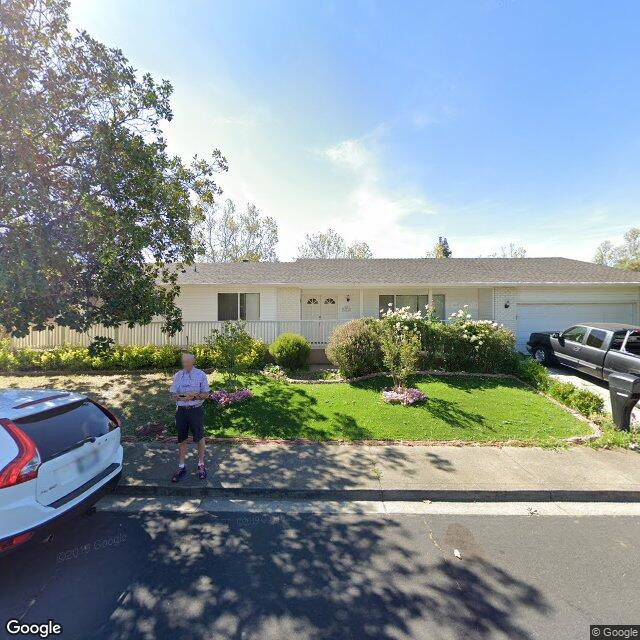
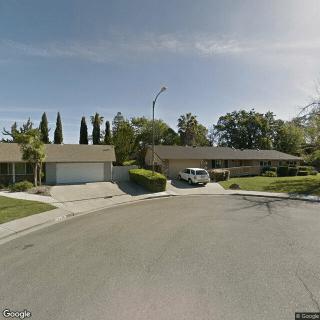
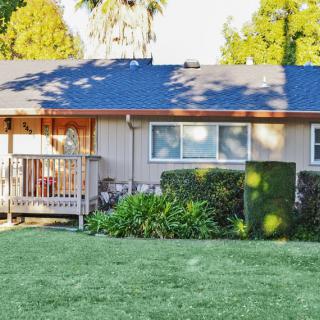
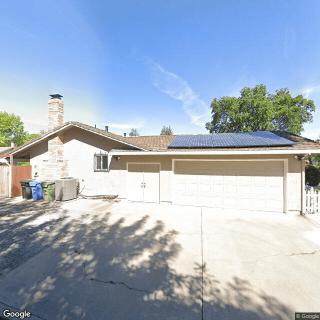
245 Normandy Ln, Walnut Creek, CA 94598
To contact a resident: (925) 687-5038
For more information about senior living options: (866) 208-4318
Normandy Lane Costs & Pricing
Normandy Lane offers competitive pricing for its care services when compared to broader metrics in Contra Costa County and the state of California. For semi-private rooms, Normandy Lane's rate of $2,300 significantly undercuts the county average of $3,471 and the state average of $3,333, making it an attractive option for budget-conscious families. Similarly, private rooms at Normandy Lane are priced at $4,000, which is slightly lower than both Contra Costa County's $4,088 and California's statewide average of $3,939. When it comes to studio accommodations, Normandy Lane again maintains a competitive stance with its rate matching that of the private rooms at $4,000 - lower than the county's average of $4,358 and just below California's average of $4,145. Overall, Normandy Lane stands out by providing affordable living options without sacrificing quality amidst higher regional costs.
| Floor plans | Normandy Lane | Contra Costa County | California |
|---|---|---|---|
| Semi-Private | $2,300 | $3,471 | $3,333 |
| Private | $4,000 | $4,088 | $3,939 |
| Studio | $4,000 | $4,358 | $4,145 |
Memory care communities with a similar price nearby
-
from +$200 / mo
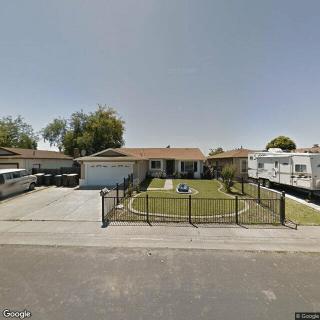
Village Golden Care Home
$2,500 to $3,800 / month21.7 miles away -
from +$300 / mo
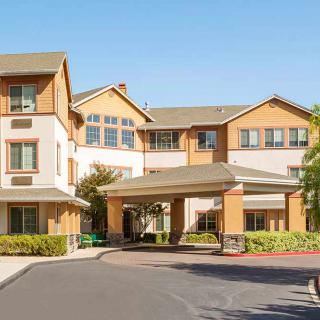
Atria Park Of Lafayette
$2,600 to $6,495 / month3.4 miles away -
from -$400 / mo
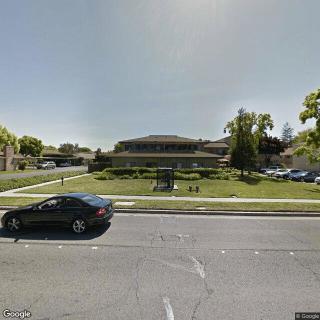
Concord Royale
$1,900 to $4,900 / month3.2 miles away -
from +$200 / mo
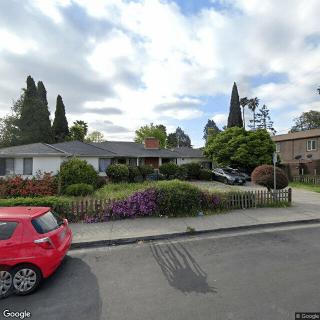
Mori Manor
$2,500 to $4,000 / month17.0 miles away -
from -$100 / mo
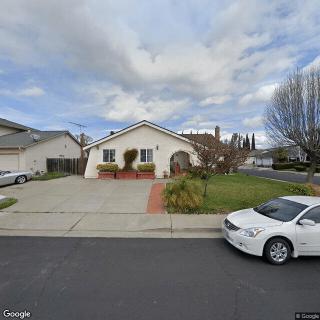
Dover Valley Residential Care Home
$2,200 to $3,000 / month24.2 miles away
Overall Review of Normandy Lane
Pros
 The director is nice.
- A resident seemed content.
- The place seemed clean.
- The place seems pleasant.
- There are several Christian icons around, which contribute to a welcoming atmosphere.
Review
Normandy Lane in Walnut Creek is best suited for seniors who want a clean, calm residential setting with a faith-friendly ambiance. The environment reads as modest but well-maintained, and interactions observed with the director came across as courteous and approachable. A resident who spoke with confidence seemed content, suggesting day-to-day life there is uncomplicated and steady. The visible presence of Christian icons signals a spiritual tone that will be meaningful for residents who value devotional routine as part of daily life.
For families weighing options, this community should be compared with alternatives if the priority includes a more dynamic social calendar, broader activity programming, or transparent, data-driven care metrics. With only one review on the record, there is insufficient evidence to gauge staffing depth, care levels, meal quality, or how consistently needs would be met as health or cognitive requirements evolve. Those who expect robust rehabilitation services, memory-care support, or a secular environment may want to consider other Walnut Creek options that offer more expansive programming and clearer performance signals.
The strongest positives here are practical and grounded. Cleanliness and a well-kept appearance reduce stress and signal basic operational standards. A director who emerges as easy to approach can smooth transitions, expedite problem resolution, and tailor routines to individual residents’ preferences. A resident who seemed content provides a reassuring data point about satisfaction with daily care and social interaction, implying that residents’ basic needs are being met in a predictable, comfortable fashion. The quiet, unhurried atmosphere, coupled with familiar religious cues, can be exactly what families seeking a serene, values-aligned setting are after.
Yet the core limitation remains the scarcity of information. A single review cannot establish consistency or long-term reliability, and there is a lack of details about essential factors such as staffing ratios, availability of medical or rehabilitative services, meal programs, safety features, transportation, and pricing clarity. The faith-centered environment could be a blessing for some, but it may not suit everyone, particularly if families desire a more inclusive, secular atmosphere or a broader cultural milieu. In practical terms, the unknowns about care scope and responsiveness pose a risk for residents with escalating care needs.
To move from consideration to a confident decision, prospective families should pursue concrete, hands-on insight. Schedule a thorough tour that includes a look at a sample day, speak with current residents and families about their experiences, and request representative care plans if applicable. Demand a detailed staffing worksheet that shows ratios by shift, qualifications of caregivers, and turnover metrics. Obtain a transparent pricing sheet with line-item inclusions and potential add-on costs, along with a summary of included services such as transportation, activities, meals, and housekeeping. Review the activity calendar to assess the depth and variety of engagement opportunities, and verify licensing status and any recent inspection outcomes. Compare Normandy Lane with other Walnut Creek communities that offer more data points and broader programming to ensure alignment with long-term goals.
Ultimately Normandy Lane can be a solid fit for seniors drawn to a clean, calm, faith-oriented setting and who value straightforward, personable management. For families prioritizing a bustling social life, diverse programming, or secular options, the evidence suggests exploring alternatives with multiple reviews and a broader track record. With disciplined due diligence, visiting, asking pointed questions, and comparing alongside other options, families can determine whether Normandy Lane will sustain comfort, safety, and a sense of belonging over time. The decision rests on aligning the environment’s quiet, steady rhythm with the resident’s evolving needs and the family’s expectations for care management and community life.
 Board and Care Home
 Memory Care
 Cats allowed
 Activities on-site
 Indoor common areas
 Outdoor common areas
 Private
 Private bathrooms
 Respite or short term stays offered
 Wheelchair accessible showers
 Metropolitan Oakland International (18 miles away)
 Ambulatory care
 High acuity care
 Incontinence care
 Medication management
 Meals provided

 Engaging Memory Care Activities That Enhance Quality of Life
 When to Transition from Assisted Living to Memory Care: Key Indicators, Steps, and Finding the Right Community
 Understanding the Distinctions: Assisted Living and Memory Care Explained