
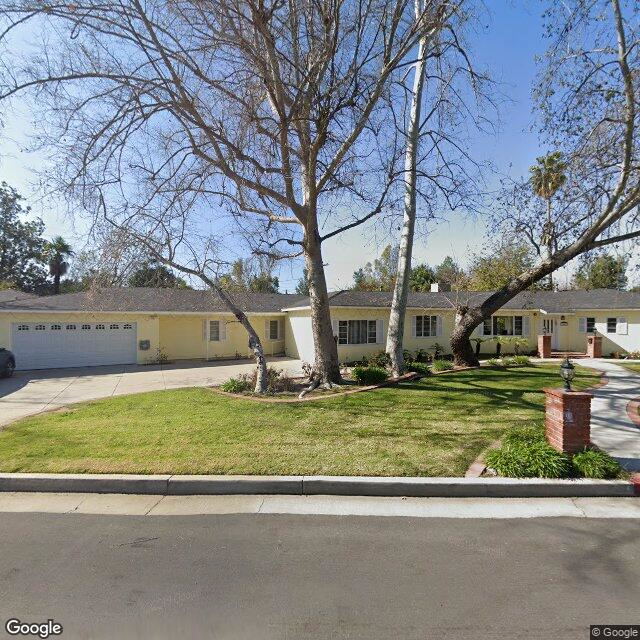
5805 Hillview Park Ave, Valley Glen, CA 91401
To contact a resident: (818) 988-3335
For more information about senior living options: (866) 208-4318
Shalev Senior Living #3 Costs & Pricing
Shalev Senior Living #3 positions itself on the higher end of the cost spectrum for senior living accommodations compared to both Los Angeles County and the broader California market. For a private room, residents can expect to pay $4,800 per month, significantly above the county average of $4,197 and the state average of $3,939. Similarly, studio accommodations at Shalev are priced at $5,000 per month, slightly surpassing Los Angeles County's average of $4,172 and closely aligning with California's state average of $4,145. While these rates reflect a premium offering in terms of services and amenities that may be associated with Shalev Senior Living #3, potential residents should consider how these costs compare to their overall care needs and lifestyle preferences.
| Floor plans | Shalev Senior Living #3 | Los Angeles County | California |
|---|---|---|---|
| Private | $4,800 | $4,197 | $3,939 |
| Studio | $5,000 | $4,172 | $4,145 |
Memory care communities with a similar price nearby
-
from +$200 / mo

Sweet Home Senior Living #1
$5,000 to $7,500 / month0.1 miles away -
from -$300 / mo
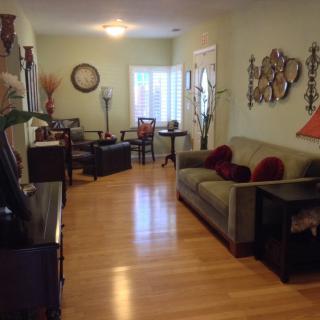
Ardenville Home Care I
$4,500 / month5.2 miles away -
from -$800 / mo
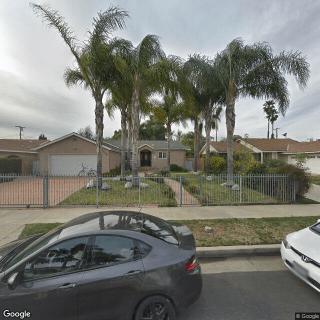
Land of Peace 6
$4,000 to $5,500 / month11.2 miles away -
from +$200 / mo
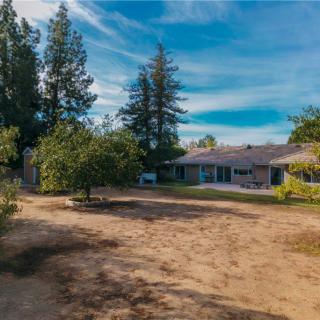
A Caring Touch Board and Care
$5,000 / month10.2 miles away -
from -$300 / mo

Royal Oaks Inn
$4,500 / month24.4 miles away
Overall Review of Shalev Senior Living #3
Pros
 The staff at Shalev took very good care of him.
- They regularly organized social activities to stimulate the residents’ minds.
- Shalev seemed to genuinely care about its residents.
- The family felt very comfortable having him at Shalev.
Review
Shalev Senior Living #3 in Valley Glen is best suited for aging adults who welcome a warm, engaged environment where daily care is paired with meaningful social programming. Families seeking a homey, personable setting, where residents are looked after with visible warmth and where staff actively stimulate the mind through regular activities, will likely feel confident entrusting a loved one here. The emphasis on interaction and ongoing engagement suggests a fit for residents who do not require intensive medical interventions around the clock, but do need assistance with daily tasks, companionship, and cognitive stimulation. In short, this community shines for seniors who prize connection, routine social life, and a dependable, family-like atmosphere.
Those considering alternatives should note that this setting may not satisfy every care need. If a loved one requires substantial medical oversight, advanced skilled nursing, or specialized dementia care with clearly defined clinical protocols, other communities with more robust on-site medical programs may be preferable. Families should also evaluate whether larger campuses or those with more explicit memory-care structures align better with the resident’s cognitive and medical trajectory. Additionally, those seeking highly transparent metrics, such as staffing ratios, incident records, or objective quality indicators, may want to compare options that publish more detailed performance data.
The strongest pro-the main draw here is the demonstrated commitment to social engagement and mindful stimulation. The reviewing family highlighted consistent, purposeful activities that avoid the stereotype of residents simply sitting passively. That proactive programming can offset concerns about isolation and loneliness, delivering tangible emotional benefits and a sense of purpose for residents. The caregiving approach felt authentic and dependable, with the family expressing gratitude for the care provided over several years. In practice, this combination of attentiveness and social vitality can create a durable sense of safety for families, even when other data points are sparse.
A second core strength is the impression of stable, resident-focused care over time. The narrative of a loved one staying for years and the family’s access to ongoing engagement suggests continuity and a dependable care routine. Stability at this level tends to ease families as they navigate transitions, reduce caregiver guilt, and support a resident’s sense of familiarity and security. When trust is earned through consistent positive experiences, the perceived quality of daily life often rises, which in turn enhances overall family confidence in the move.
Yet the limited number of publicly documented reviews means prospective residents should verify a few practical details during visits. Key questions include: what is the staff-to-resident ratio across shifts, how are medical needs monitored, and what on-site nursing support exists during evenings and weekends? Is there a formal memory-care option or structured dementia program if cognitive needs evolve? What does the calendar of activities look like week-to-week, and how flexible is programming for individual preferences? Clarify meal quality, transportation, housekeeping, and the process for adjusting care plans. Without those specifics, long-term expectations remain less certain.
Ultimately, the recommendation is pragmatic: Shalev Senior Living #3 is a solid choice for families prioritizing a warm, socially rich environment with consistent, compassionate caregiving. It is a particularly strong fit for residents who thrive on interaction and who benefit from a steady, family-like backdrop. For families seeking comprehensive medical oversight, aggressive clinical programming, or explicit dementia care in a larger, more data-rich setting, it is wise to benchmark against alternatives and insist on concrete, tour-level assurances. Scheduling a visit, requesting a sample activity calendar, and speaking with multiple staff and families will translate impressions into a well-supported decision.
 Board and Care Home
 Memory Care
 Activities off-site
 Bath tubs
 Beautician on-site
 Devotional services on-site
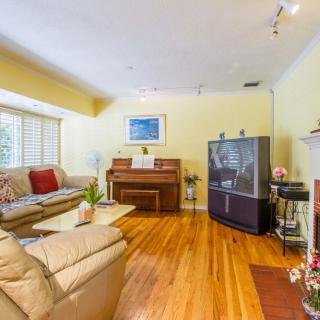
 Indoor common areas
 Outdoor common areas
 Private
 Respite or short term stays offered
 Swimming pool / hot tub
 Wheelchair accessible showers
 Burbank-Glendale-Pasadena (4 miles away)
 Diabetic care
 Incontinence care
 Medication management
 Kosher
 Comprehensive Insights on the Late Stages of Dementia: What to Expect and How to Provide Care
 Medications Associated with Dementia Risk: A Comprehensive Overview
 Guiding Your Journey: Understanding Power of Attorney for Elderly Parents