2423 Santa Fe Avenue, Torrance, CA 90501
To contact a resident: (310) 989-1941
For more information about senior living options: (866) 208-4318
Senior Manor Care III Costs & Pricing
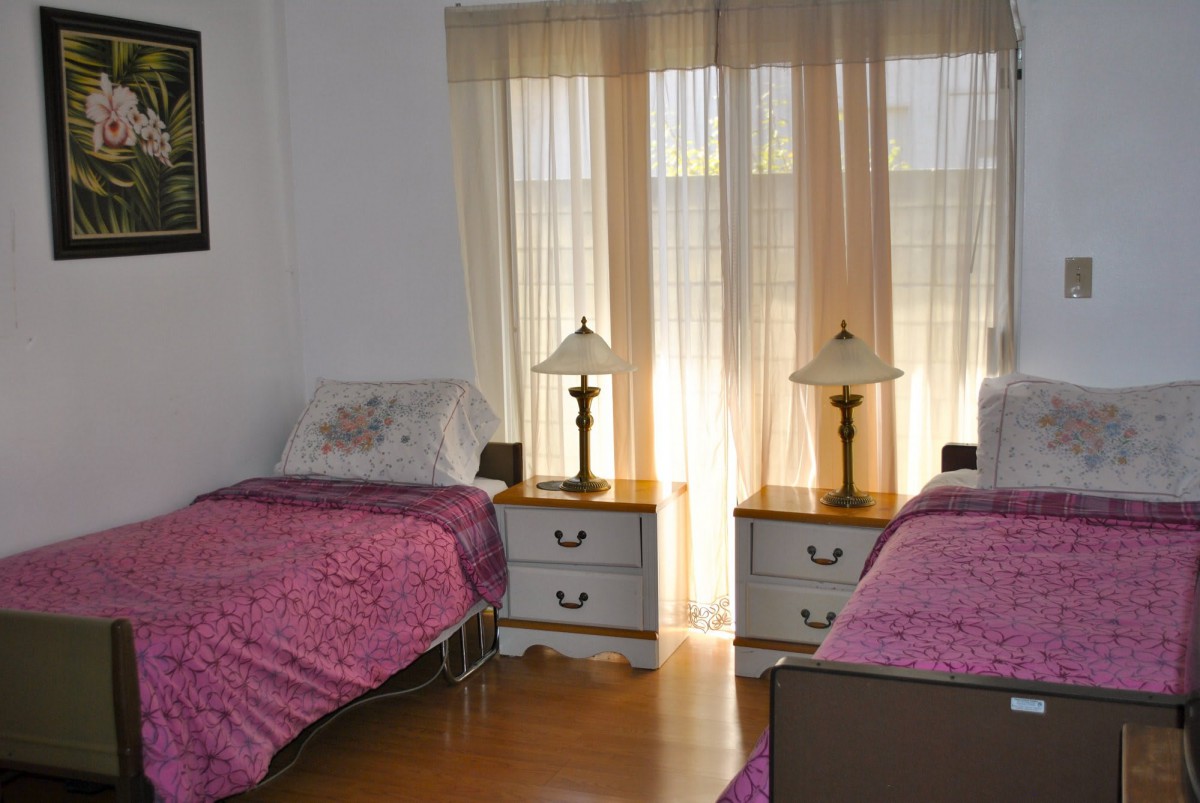
Senior Manor Care III offers a competitive pricing structure for its services, tailored to meet the needs of seniors in the Los Angeles County area. For a semi-private room, residents can expect to pay $3,500 per month, which is slightly higher than the county average of $3,349 but remains close to the statewide figure of $3,333. In terms of private accommodations, Senior Manor Care III charges $4,000, which is more affordable than the county average of $4,197 and aligns well with California's overall cost of $3,939. Additionally, their one-bedroom option is priced at $5,000 per month - higher than both the county average of $4,603 and the state average of $4,340. This pricing reflects not only the quality of care provided but also an emphasis on creating a comfortable living environment for residents.
| Floor plans | Senior Manor Care III | Los Angeles County | California |
|---|---|---|---|
| Semi-Private | $3,500 | $3,349 | $3,333 |
| Private | $4,000 | $4,197 | $3,939 |
| 1 Bedroom | $5,000 | $4,603 | $4,340 |
Memory care communities with a similar price nearby
-
About the same
Kind Heart Home Care VI
$3,500 to $5,000 / month1.1 miles away -
About the same

California Senior Of Sherman Oaks
$3,500 to $4,000 / month24.4 miles away -
from -$650 / mo
Alternative Senior Care - Freshwater
$2,850 to $3,250 / month19.9 miles away -
About the same
Sunny Ridge Manor Home
$3,500 to $4,000 / month20.8 miles away -
from -$500 / mo
Buena Park Elder Care
$3,000 to $4,000 / month17.5 miles away
Overall Review of Senior Manor Care III
Pros
 The staff were friendly.
- The staff were nice.
- The facility was pretty nice.
Cons
 The reviewer found the facility not to be top-tier, describing the care as only so-so.
- It was not as clean as another facility they visited.
- They did not observe any interaction between staff and residents, noting everyone seemed to be in their rooms.
- They were concerned about showering, since showers were limited to one per week with staff washing residents off.
- They mentioned staffing concerns, noting many people but only two nurses.
- They believed there should be at least three showers per week.
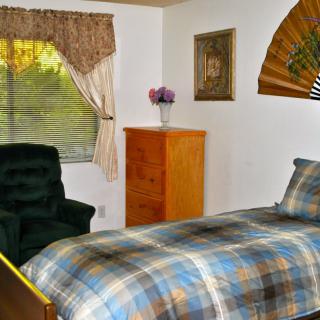
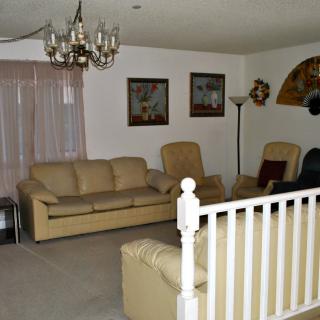
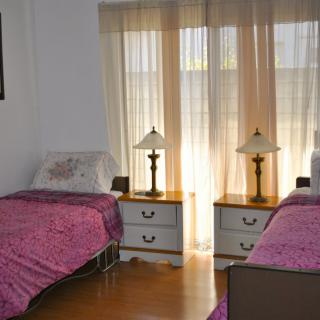
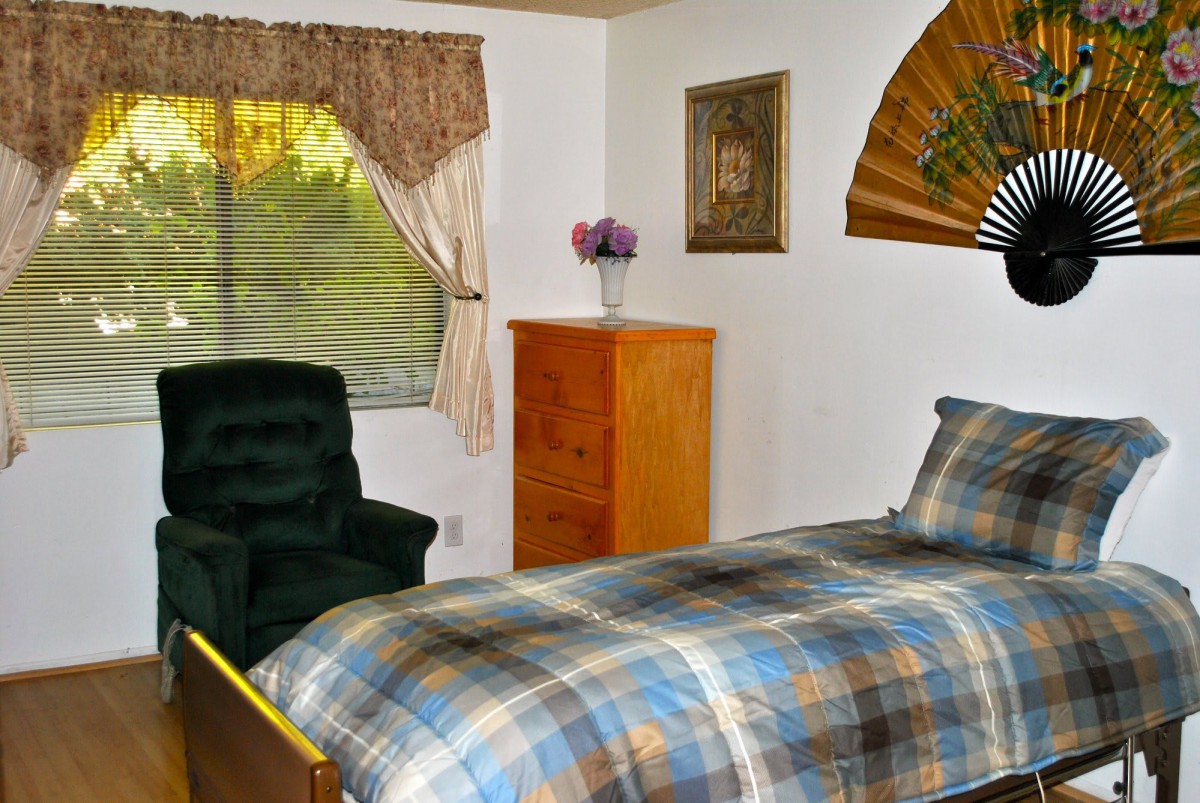
- They observed the rooms looked somewhat cluttered in the photos.
Review
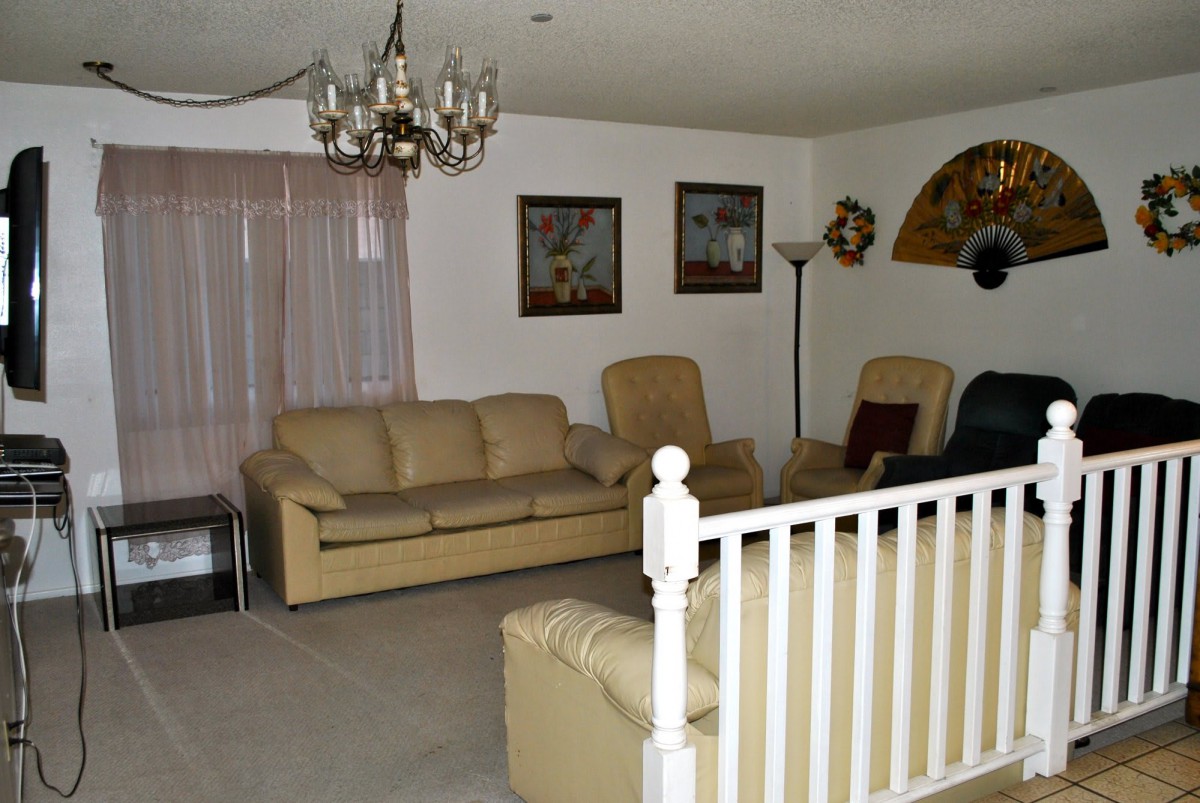
Senior Manor Care III is best suited for families in Torrance who value a warm, approachable staff and a generally pleasant, orderly setting, and who can tolerate some variability in daily routines and engagement. The strongest signal from nearby peer offerings is that a friendly, welcoming front line matters, residents and families want to feel cared for as people, not just tasks on a checklist. In this vein, Senior Manor should be attractive to those who place comfort of interaction over perfect pristine appearance and who understand that intimate care is influenced by staffing realities rather than a glossy environment alone.
One clear caveat emerges from the closest parallel in the local market: a 4-star review of Golden Life Home Care VIII notes that while staff were “friendly” and the facility appeared nice, cleanliness was not consistently top-tier, resident interaction was not visibly visible in everyday scenes, and the showering routine was severely constrained. The takeaway for Senior Manor is not to mimic weaknesses but to anticipate them as potential deal-breakers for certain residents. If cleanliness perception and visible social engagement are critical, this category of criticism should prompt deeper verification before selection.
The key pros, friendly staff, a generally neat and welcoming atmosphere, and a straightforward care approach, can offset several of the main cons only if reinforced by dependable, predictable routines. When staff warmth translates into reliable communication, residents feel valued and families gain confidence in daily oversight. A well-maintained facility environment supports dignity and comfort, even when some personal-care tasks are scheduled with limits. Yet the offset only goes so far; warmth cannot fully compensate for infrequent showers or a sense of resident isolation if activity programs are weak or poorly attended.
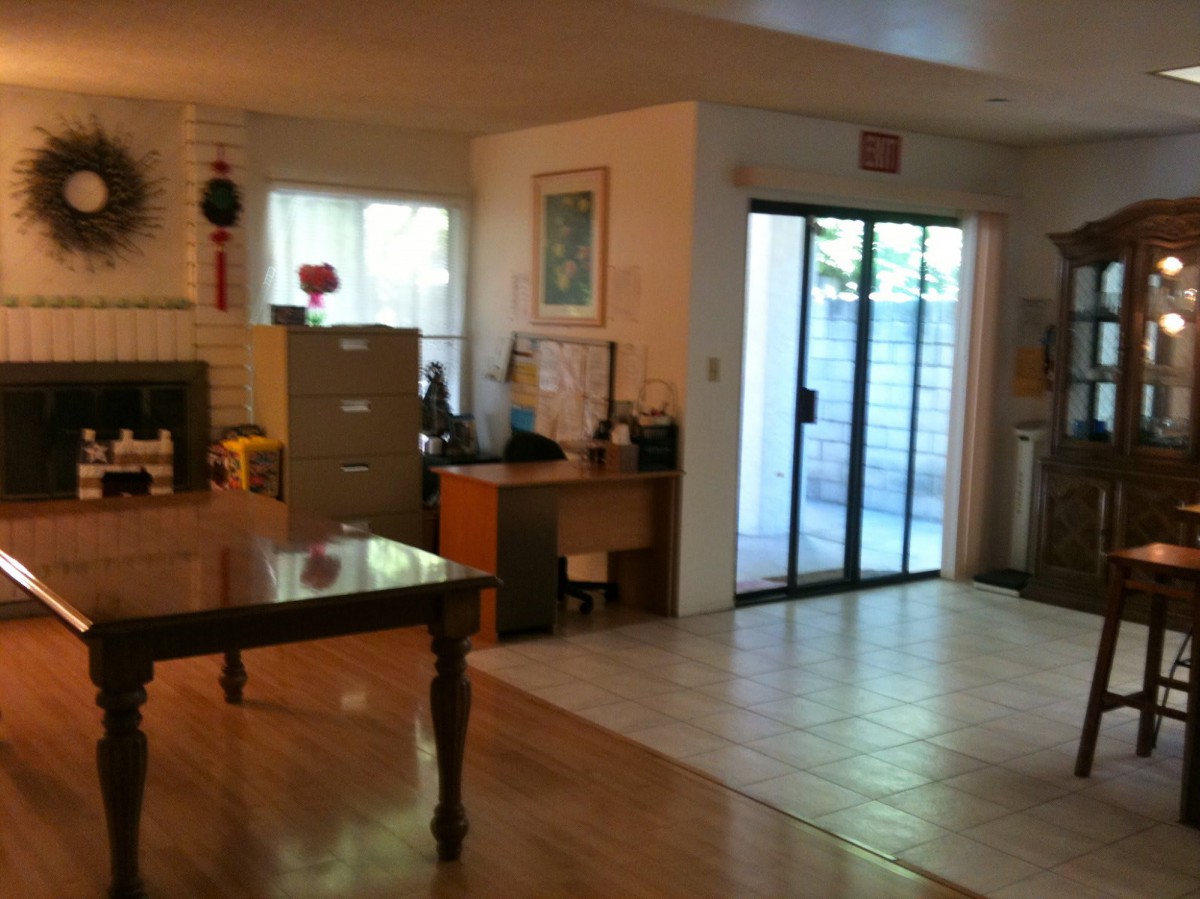
Families evaluating Senior Manor should actively probe specific operational realities during tours. Ask how showering is scheduled and staffed, and request a concrete plan for days when residents require more assistance. Inquire about everyday resident interaction: are there structured activities, opportunities for casual conversation, and systems to ensure residents are not lingering in rooms without engagement? Inspect common areas for cleanliness, and observe how housekeeping and maintenance respond to issues. Request transparent staffing ratios and turnover data, and verify whether meals, transport, and routine wellness checks align with the resident’s needs and preferences.
Cost, location, and continuity of care are practical lenses to apply. If Senior Manor can demonstrate a stable, attentive care team, clean common spaces, and a predictable, minimally intrusive hygiene schedule, it becomes a reasonable choice for seniors who value security of routine and a friendly ethos over elaborate programming. Conversely, if a family spotlights frequent social opportunities, highly visible activity, or more aggressive personal-care support (including multiple daily showers) as non-negotiables, alternatives in the Torrance area should be pursued with equal rigor.
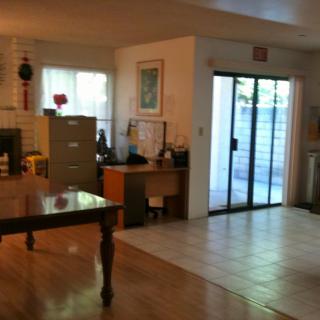
The bottom line is straightforward: Senior Manor Care III can be a sound fit for families who prioritize warmth, a tidy overall feel, and dependable daily patterns, accepting that some elements, especially showers and resident interaction, may be more variable than desired. For those who require stronger emphasis on cleanliness perception and more robust, visible social life or more frequent personal-care touchpoints, it is prudent to compare with other nearby options, demand specifics, and gather firsthand impressions. The right choice balances humane, friendly care with verifiable standards of daily living that align with the resident’s needs and the family’s expectations.
 Board and Care Home
 Memory Care
 Activities off-site
 Bath tubs
 Beautician on-site
 Devotional services off-site
 Indoor common areas
 Outdoor common areas
 Private
 Private bathrooms
 Respite or short term stays offered
 Wheelchair accessible showers
 Los Angeles International (9 miles away)
 Diabetic care
 High acuity care
 Incontinence care
 Medication management
 Kosher

 5 Early Indicators of Dementia and What You Can Do
 8 Important Indicators That Memory Care May Be Necessary
 Delving into the Inner World of Dementia: Insights into Thoughts and Awareness