
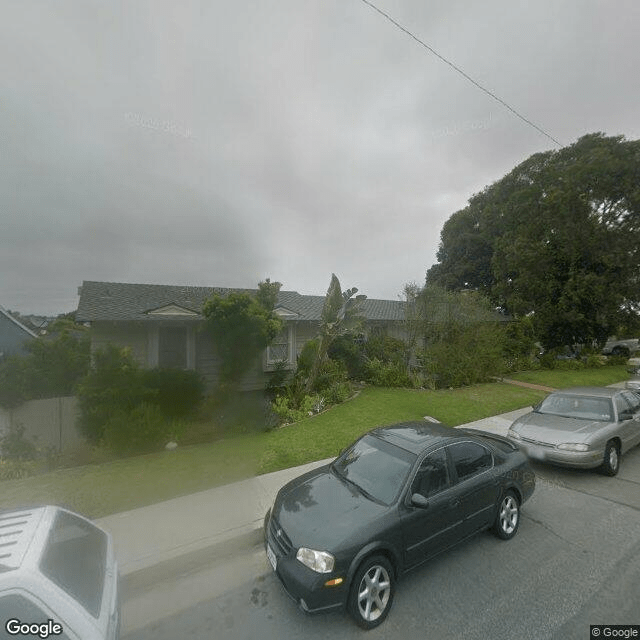
4723 Newton Street, Torrance, CA 90505
To contact a resident: (310) 562-6450
For more information about senior living options: (866) 208-4318
Pete's Place Costs & Pricing
At Pete's Place, the monthly costs for accommodation reflect a premium experience compared to both Los Angeles County and the broader state of California. For a semi-private room, residents can expect to pay $4,000, which is notably higher than the county average of $3,349 and the state average of $3,333. In the case of private rooms, Pete's Place charges $5,000 per month - again exceeding local and state figures of $4,197 and $3,939 respectively. This pricing structure may indicate a focus on enhanced amenities or personalized care that distinguishes Pete's Place from other options in the region.
| Floor plans | Pete's Place | Los Angeles County | California |
|---|---|---|---|
| Semi-Private | $4,000 | $3,349 | $3,333 |
| Private | $5,000 | $4,197 | $3,939 |
Memory care communities with a similar price nearby
-
from -$500 / mo

Kind Heart Home Care VI
$3,500 to $5,000 / month3.5 miles away -
from -$500 / mo

California Senior Of Sherman Oaks
$3,500 to $4,000 / month24.8 miles away -
from -$500 / mo
Sunny Ridge Manor Home
$3,500 to $4,000 / month23.2 miles away -
from -$200 / mo
Rose Garden Villa II
$3,800 to $6,000 / month11.0 miles away -
About the same

Sakura Gardens of Los Angeles
$3,920 to $4,535 / month18.3 miles away
Overall Review of Pete's Place
Pros
 Pete's Place looks lovely.
- My Mom went in walking and singing.
Cons
 Pete's Place looks lovely, but it's a place to put someone while you are waiting for them to die.
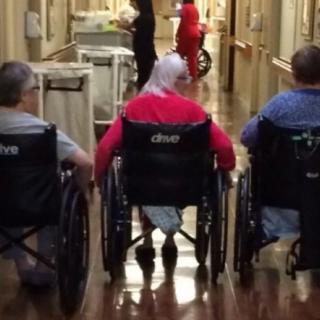
- Her mother went in walking and singing, and came out in a wheelchair and almost unable to speak.
- The owner took poor care of patients.
Review
Pete’s Place in Torrance is a stark example of a community that is unlikely to satisfy families seeking reliable, quality assistance for a loved one who requires ongoing oversight and skilled care. This facility appears best suited for a crisis-driven, temporary holding scenario where the priority is finding any place to place a person quickly, with little expectation that care will meet higher standards. In practical terms, that means families with no viable alternatives, or those who can tolerate extreme risk and potential deterioration while they search for a more suitable option, may consider it as a last resort. For anyone planning longer-term placement, this is not the place to anchor care decisions.
Those weighing alternatives should take a hard look at the kind of support the loved one actually needs. If the need includes dependable assistance with mobility, daily supervision, medication management, or specialized care for memory challenges, other communities with documented staffing stability and stronger safety records are a far wiser choice. The reviews are clear about what Pete’s Place does not provide: consistent, attentive care, proper resident oversight, and accountability. Families in search of a nurturing, person-centered environment would be wise to keep alternatives on the table and prioritize facilities with verifiable, positive care outcomes and transparent operations.
The facility’s superficial strengths are few and far between, but they do exist on the surface. It presents as an aesthetically pleasing building in a convenient Torrance location, and that curb appeal can offer temporary comfort to anxious families during a transition. The appeal may also make visits easier and create a sense of comfort in the moment. However, these favorable impressions do not translate into trustworthy care. A well-kept exterior and pleasant ambiance cannot compensate for fundamental deficits in resident safety, staff responsiveness, and ongoing quality of life. In a decision framework, aesthetics are a peripheral benefit at best, while safety and care quality are non-negotiable priorities.
The most serious red flags are the care-related concerns voiced by multiple reviewers. The distressing arc described, residents arriving with mobility or communicative abilities that subsequently deteriorate under care at Pete’s Place, speaks to potential neglect or inadequate supervision. Statements that the owner takes poor care of patients further undermine confidence in governance and accountability. In practical terms, this signals a high risk of harm, inconsistent care practices, and a lack of reliable oversight. For families, that combination translates into unpredictable daily experiences for a loved one and a fragile safety net that can quickly become a liability rather than a support.
Given these realities, the pros, primarily the building’s appearance and location, do not meaningfully offset the core drawbacks. The stark contrast between a pleasing facade and the lived experience of residents is not sustainable for anyone seeking steady, compassionate care. The decision calculus must weigh the probability of worsening health, reduced mobility, or emotional distress against any comfort provided by convenience or appearance. In other words, the potential benefits are not strong enough to justify accepting substantial risk to a loved one.
For families considering Pete’s Place, the prudent path is clear: pursue stronger, better-vetted options first. If this facility is contemplated due to urgent timing or lack of immediate alternatives, approach the process with heightened scrutiny and a concrete exit plan. Demand current staffing patterns, licensure status, incident and complaint histories, and a thorough, individualized care plan. Arrange unwelcome but necessary visits at different times, speak directly with front-line staff and the administrator, and insist on clear protocols for fall prevention, medication administration, and emergency response. Above all, insist on alternatives with demonstrable track records of safety, responsiveness, and resident-centered care; a long-term commitment to Pete’s Place is not advisable when risk is so readily apparent.
 Board and Care Home
 Memory Care
 Private
 Private bathrooms
 Respite or short term stays offered
 Los Angeles International (10 miles away)
 Diabetic care




 Exploring the Power of Reminiscence Therapy for Individuals With Dementia
 An In-Depth Look at Reminiscence Therapy in Dementia Care
 Dementia-Related Hallucinations: Causes, Experiences, and Practical Approaches