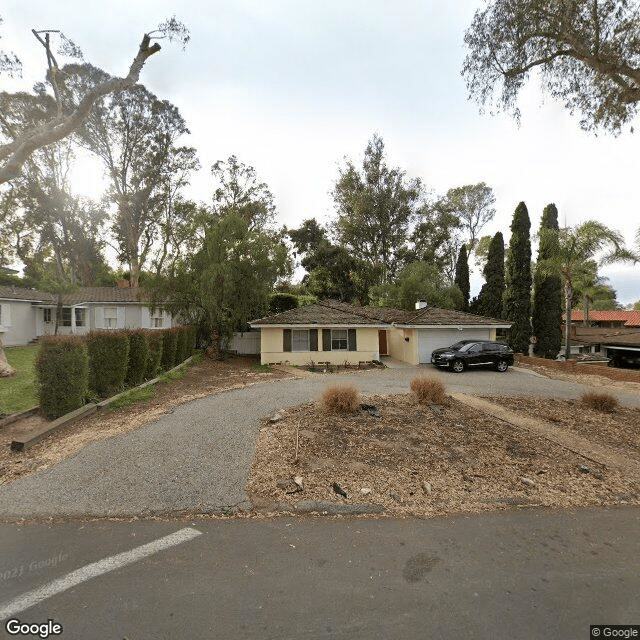
3832 Palos Verdes Drive North, Palos Verdes Peninsula, CA 90274
For more information about senior living options: (866) 208-4318
Senior Living Lifestyle- Palos Verdes Costs & Pricing
Senior Living Lifestyle in Palos Verdes presents a competitive pricing structure for its residents when compared to both Los Angeles County and the broader California market. The cost of a semi-private room at $3,500 per month is slightly higher than the county average of $3,349 but remains in line with the state average of $3,333. For those seeking more privacy, the private room option is priced at $5,000, which exceeds both the Los Angeles County figure of $4,197 and California's average of $3,939. This suggests that while Senior Living Lifestyle- Palos Verdes may command a premium for its services and amenities, it provides a distinctive living experience that could appeal to seniors looking for quality care and an enriching environment amid larger pricing trends in the region.
| Floor plans | Senior Living Lifestyle- Palos Verdes | Los Angeles County | California |
|---|---|---|---|
| Semi-Private | $3,500 | $3,349 | $3,333 |
| Private | $5,000 | $4,197 | $3,939 |
Memory care communities with a similar price nearby
-
About the same
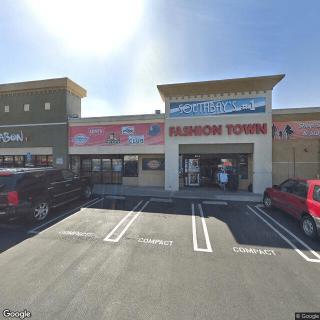
Kind Heart Home Care VI
$3,500 to $5,000 / month3.8 miles away -
from -$650 / mo
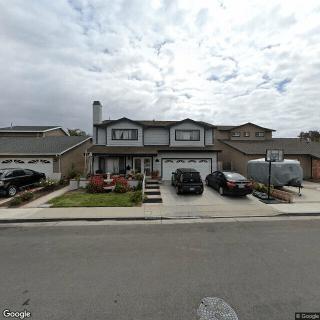
Alternative Senior Care - Freshwater
$2,850 to $3,250 / month21.4 miles away -
About the same
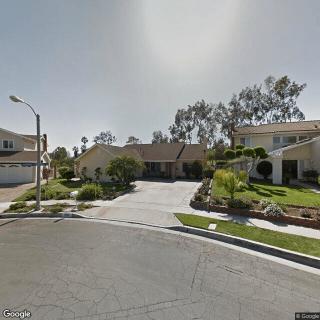
Sunny Ridge Manor Home
$3,500 to $4,000 / month23.4 miles away -
from -$500 / mo
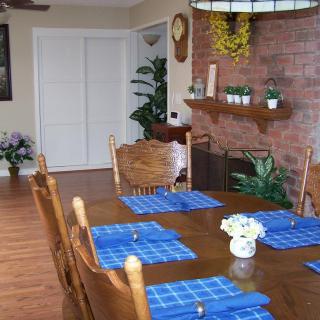
Buena Park Elder Care
$3,000 to $4,000 / month19.9 miles away -
from -$500 / mo
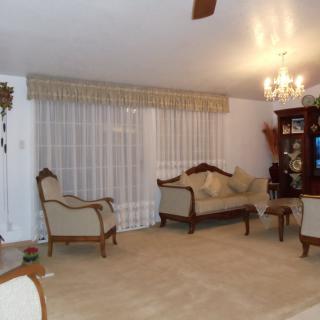
Alper's Care Home
$3,000 to $3,700 / month22.5 miles away
Overall Review of Senior Living Lifestyle- Palos Verdes
Pros
 The assisted living facility helped her regain her independence.
- The staff assisted residents with bathing, meals, and activities.
- The reviewer was very impressed with the facility.
- The staff go above and beyond for residents and their families.
- The grandmother wanted to stay there forever.
- The facility is a great place for seniors, with a loving atmosphere, fresh foods, and wonderful care.
- The staff are absolutely wonderful and in tune with residents' needs, making their stay as homelike as possible.
- The location is convenient and familiar, close to home and to the area where the mother lived and worked.
Cons
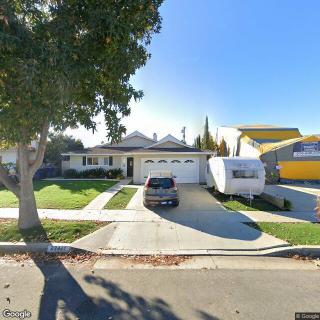
 The exterior of the property could use a little TLC, with a front garden that could be better.
Review
Senior Living Lifestyle - Palos Verdes is best suited for families seeking a warm, hands-on, home-like environment for an aging loved one, particularly when rehabilitation or transitional care is part of the plan. The community consistently demonstrates a ready-to-help approach, with staff assisting with bathing, meals, and daily activities, and residents able to participate in group meals and social conversations. A common thread across experiences is a staff that treats residents like family, which makes the stay feel homelike rather than clinical. The setting proves especially reassuring for families who want close involvement, timely medication adjustments, and a rhythm of care that supports recovery from a fall or surgery.
Alternatives become worth considering for residents whose needs run toward more medicalized care, or for families prioritizing a polished campus with expansive amenities, larger social calendars, or more advanced on-site healthcare resources. The Palos Verdes community is intimate and staff-driven, and that means less exposure to high-tech services or wide-ranging specialty programs. Another consideration is curb appeal and exterior upkeep; while care quality shines, some families notice the front gardening and exterior appearance could be refreshed. For those seeking a facility with a broader footprint or more intensive clinical staff, exploring other options will yield benefits.
On balance, the strongest advantages, caring, family-style leadership; highly attuned staff; willingness to adjust medications; and a social, homelike atmosphere, far outweigh the concerns about exterior aesthetics. The ability to coordinate group meals, encourage resident conversation, and involve relatives in care planning creates a supportive ecosystem that accelerates comfort and adherence to recovery plans. Fresh, home-style meals and a sense of familiar routines reduce anxiety and help residents rebuild strength after hospitalization. In short, the practical gains in safety, responsiveness, and social connection compensate for the front-yard TLC that some families might wish to see improved.
Care consistency emerges from a family-operated frame of reference, with staff who seem to know residents’ preferences and adjust daily routines to suit needs. The facility’s proximity to family networks is a real asset, reducing transport stress and enabling frequent visits. The rehab orientation, assist with bathing, meals, and activities, plus the capacity to fine-tune medications, positions the community as a strong option for seniors seeking recovery-oriented assisted living rather than a purely custodial setup. Group meals and client conversations foster peer support, offering meaningful social engagement that often accompanies higher satisfaction and better adherence to care plans.
Exterior attention is a measurable area for improvement, but it should not be mistaken for a lack of quality care. The emphasis remains on resident well-being, safety, and personal attention, and staff responsiveness appears consistently strong. For families concerned about more formal amenities or a larger, more clinical environment, this option should be weighed against options with bigger campuses or hospital-style services. Scheduling a visit to observe interaction dynamics, meal service, and daily routines will illuminate how the home-like tone translates into daily safety and progress.
This community is a prime choice for families prioritizing a warm, caregiver-led setting with visible rehab support, personalized attention, and active family involvement. It suits seniors who respond well to a homelike routine, nearby familiarity, and a social pace that emphasizes conversation and shared meals. Those needing extensive on-site medical services, modern campus amenities, or a high-end exterior can rightly look elsewhere. When evaluating options, focus on whether the resident’s recovery goals align with a tight-knit, family-driven operation that places trust, accessibility, and daily engagement at the center of care.
 6 resident community capacity
 Assisted Living
 Board and Care Home
 Memory Care
 Activities off-site
 Bath tubs
 Cable or satellite TV
 Devotional services off-site
 Dining room
 Fully furnished
 Garden
 Housekeeping services
 Indoor common areas
 Move-in coordination
 Outdoor common areas
 Private
 Respite or short term stays offered
 Telephone
 Wi-Fi/high-speed internet available
 Los Angeles International (10 miles away)
 24-hour supervision
 Ambulatory care
 Assistance with bathing
 Assistance with dressing
 Assistance with transfers
 Diabetes diet
 Diabetic care
 High acuity care
 Incontinence care
 Meal preparation and service
 Medication management
 Special dietary restrictions
 Transportation arrangement (medical)
 Transportation to doctors appointments
 A Holistic Dementia Care Guide: Effective Strategies for Memory Support
 Memory Care Pathways: A Holistic Guide to Dementia Support
 Comprehending Evening Confusion in Dementia: Causes, Manifestations, and Support